Blog / Personal Injury

The Long-Term Effects of Personal Injuries: What You Should Know

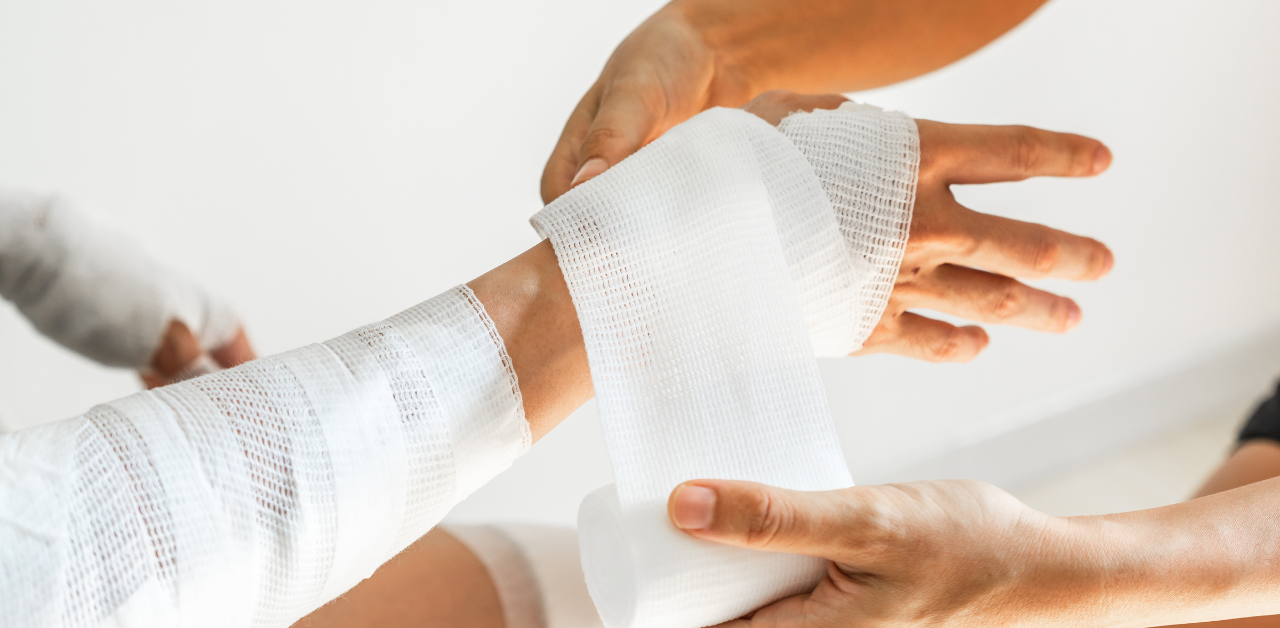
Close-up of a person's injured arm being wrapped in white medical bandages by a caregiver
Personal injuries do not always end when the immediate pain fades. These incidents can create a ripple that influences a person’s life for months or years. Car accidents, slip and falls, workplace incidents, and other traumatic events may result in physical injuries, mental health challenges, and ongoing pain that can persist long after the body seems healed. Chronic pain, limited mobility, anxiety disorders, and financial strain may follow. This article explores the long-term effects of personal injuries and offers ways to address these obstacles while protecting your overall well-being.

Understanding the Range of Long-Term Injuries

Injuries can happen at any time. Broken bones, back injuries, carpal tunnel syndrome, and head injuries are some of the most common physical injuries. Some of these issues clear up with rest and medical treatment, while others turn into long-term injuries that may never be fully resolved. When a serious injury stems from else’s negligence, it can also lead to a personal injury lawsuit.Studies reveal that many individuals deal with lingering issues after accidents. According to the Centers for Disease Control and Prevention (CDC), traumatic brain injuries (TBIs) contributed to nearly 61,000 deaths in the United States in the previous year. Though not every traumatic brain injury is fatal, survivors face lasting complications such as memory problems, difficulty concentrating, and emotional distress.

Common Forms of Lasting Harm

  • Traumatic Brain Injuries (TBIs): These can cause changes in cognitive function, mental health, and behavior. A person might experience trouble focusing, mood swings, or anxiety disorders long after a traumatic event.
  • Chronic Pain: Neck, shoulder, and back injuries can lead to ongoing pain, affecting a person’s ability to work or enjoy everyday activities.
  • Carpal Tunnel Syndrome: Repetitive motion injuries can linger and make everyday tasks more difficult.
  • Broken Bones and Joint Damage: Even after healing, these injuries might reduce mobility or cause future discomfort.
  • Permanent Disfigurement: Facial scarring or other forms of permanent disfigurement can produce physical and emotional effects.

Physical Injuries and Lingering Impacts

Male physical therapist stretching a patient’s bent leg during a rehab session in a bright roomMany physical injuries seem resolved once the bandages come off. However, deeper issues can persist. A catastrophic injury can restrict your day-to-day routine. Reduced mobility may make chores like climbing stairs feel like a mountain trek. Chronic pain may disrupt sleep. Physical therapy can help manage these obstacles and improve mobility, but therapy can also take a long time and may not bring total recovery.When trauma strikes the bones, muscles, or joints, the body can develop scar tissue. This tissue is less flexible and may result in stiffness or limited mobility. Back injuries, for instance, can be slow to heal, with back pain sometimes flaring up without warning. Neck and shoulder conditions can also develop, resulting in chronic pain that needs ongoing attention.Some people manage these conditions with medication, physical therapy, or assistive devices. Treatment can grow costly, which adds another layer of stress.

Emotional and Psychological Effects

Serious trauma can bring emotional distress that lingers for years. Post-traumatic stress disorder often surfaces after events like car accidents or a severe head injury. Other psychological effects may involve anxiety, depression, or social isolation. These conditions can interfere with a person’s quality of life, personal relationships, and day-to-day routines.The emotional toll from a traumatic event might remain long after physical wounds fade. Symptoms can involve nightmares, flashbacks, or panic episodes. This emotional impact can appear unexpectedly, especially when triggers surface, like driving past the site of a crash. Other symptoms include:
  • Stress Responses: Irritability, restlessness, and trouble sleeping may occur due to heightened stress.
  • Difficulty Concentrating: Ongoing worry can affect focus and general cognitive function.
  • Social Isolation: Fear or emotional distress can limit a person’s willingness to engage with friends or family.
To address these concerns, professionals often suggest that individuals develop coping strategies. These include counseling, support groups, or mindfulness activities. Mental health support can be essential in maintaining overall well-being and preventing these conditions from affecting every part of a person’s life.

Financial Strain and Lifestyle Adjustments

Personal injuries often affect more than the body and mind. Medical expenses can pile up, and lost wages from missed work can strain a family’s finances. The legal process involved in a personal injury claim may add confusion at a time when someone is already dealing with significant challenges.According to the National Safety Council (NSC), accidents remain a top cause of unintentional injuries in the United States, and these incidents can have far-reaching consequences.A personal injury case may involve immediate and long-term costs. Some of those include:
  • Hospital Stays and Surgeries: These can reach thousands or even tens of thousands of dollars.
  • Ongoing Therapy: Physical therapy or counseling might be required for months or years.
  • Adaptive Equipment: Wheelchairs, braces, or other items can add to a person’s expenses.
  • Prescription Medications: Pain management or mental health medications might be needed for the foreseeable future.
On top of that, there may be hidden expenses like transportation to medical care or in-home help. A catastrophic injury might demand house modifications, such as ramps or widened doorways. Each new need forces the person and their household to readjust their finances.

Impact on Personal Relationships and Social Life

Therapist talking to a young woman crying into a tissue during a counseling session on a gray couchSerious injuries can change personal relationships and social activities. Chronic pain or the emotional effects of personal injuries may mean someone avoids gatherings or hobbies they once loved. This withdrawal can spark tension within families or friendships. Loved ones might feel powerless to help. The injured person might feel guilt about needing additional care.Injury prevents many individuals from maintaining past routines. Partners or spouses may need to take on more responsibilities at home, which can create strain. This shift might lead to discussions about how to split household tasks in a fair way. Children might sense a difference in their parent’s ability to engage in playful activities. To help you cope, here's what you should do:
  • Communication: Families who talk openly may adapt more easily to new realities.
  • Seeking Outside Support: Therapists or counselors can guide families through challenges.
  • Shared Responsibility: Dividing chores and errands in a balanced manner can help caregivers avoid burnout.
These steps can protect mental health and keep personal relationships strong.

The Legal Process of Seeking Compensation

When injuries arise because of someone else’s negligence, you may have grounds to pursue compensation through a personal injury lawsuit. This differs from criminal proceedings and focuses on whether an individual or organization is legally responsible for paying for your damages. A personal injury lawyer can guide an accident victim through the legal process.

Building a Personal Injury Case

A successful personal injury claim often involves showing that someone’s carelessness or wrongdoing led to harm. Evidence may include medical records, photos, witness statements, and proof of how the injury prevents normal activities. The injury claim also needs to illustrate how much compensation you need for medical bills, lost wages, and non-economic damages like pain and suffering.
  • Collecting Documentation: Keep track of medical treatment, prescriptions, and any recommended therapy.
  • Noting Lost Income: Gather pay stubs or employment records if you missed work.
  • Measuring Future Costs: Assess possible ongoing care, reduced mobility, and mental health support.
Working with an experienced personal injury lawyer may speed up the process. An experienced team understands local laws and knows how to deal with insurance companies. They can estimate fair compensation for immediate needs and future costs.

How Much Compensation Can You Receive?

Each case is unique. The final amount depends on the severity of the injury, how it affects a person’s life, and whether there is lasting harm like permanent disfigurement. Some factors that go into a settlement or award include:
  1. Medical Expenses: Current and projected costs.
  2. Lost Wages: Paychecks missed during recovery, plus any future earnings lost.
  3. Property Damage: Repairs or replacement if personal property was harmed.
  4. Pain and Suffering: Ongoing pain, emotional distress, and psychological effects.
  5. Reduced Earning Capacity: If the injury prevents you from doing the same job or earning at the same level.
Insurance companies often try to reduce payouts. They may question the severity of a head injury or the legitimacy of chronic pain. A personal injury lawyer can manage these hurdles, negotiate with insurers, and take the matter to court if necessary.

Practical Steps Toward Recovery

While some individuals bounce back quickly, others confront physical pain or emotional distress that lingers. If you are dealing with the effects of personal injuries, consider these steps:
  1. Get Thorough Medical Treatment: Follow doctor recommendations, attend physical therapy, and keep medical records.
  2. Focus on Mental Health: Seek counseling if you notice signs of stress, depression, or anxiety.
  3. Document Everything: Write down changes in your symptoms and gather supporting documentation for your personal injury claim.
  4. Contact an Experienced Personal Injury Lawyer: If someone else’s negligence caused your injuries, legal help may be a path to fair compensation.
  5. Develop Coping Strategies: Explore relaxation exercises, group therapy, or gentle activities that help manage ongoing challenges.

Reclaim Your Life with the Help of an Experienced Personal Injury Legal Team

If you face the long-term effects of personal injuries in Hawaii, Recovery Law Center is here to assist you. Our personal injury lawyer in Hawaii understands how these situations impact your daily life, and we have an experienced team prepared to pursue compensation on your behalf.We are ready to gather medical records, handle negotiations, and fight for fair compensation that reflects your medical bills, lost wages, and other damages. Protect your person’s quality of life and find peace of mind by letting us help.Schedule a no-obligation consultation with us today. We will listen to your story, review your personal injury case, and walk you through your options. You deserve caring, thorough support as you move ahead. Contact our law firm, and let us stand by your side in the legal process.
Posted in:

Related Posts

Lawyer and client shaking hands over legal documents, with justice scales symbolizing agreement and legal support

How to Achieve Win-Win Outcomes in Mediation

Mediation can be one of the most effective ways to resolve a personal injury dispute without the financial and emotional costs of going to trial. Instead of leaving the outcome to a court, the parties work with a neutral third party to explore possible outcomes, discuss underlying interests, and move toward a final settlement agreement. For injured clients, successful mediation is not just about “winning” every point. It is about reaching a resolution that protects their needs, manages risks, and helps both sides move forward. Attorney Glenn Honda of Recovery Law Center brings over 25 years of personal injury experience to the mediation process, helping clients prepare for productive discussions, avoid common mistakes, and pursue satisfying outcomes. What Does a Win-Win Outcome Mean in Mediation? A win-win outcome does not mean both parties get everything they want. It means the agreement addresses the core concerns of both sides well enough that each party feels the resolution is better than continuing the dispute. In personal injury mediation, this may involve balancing: The plaintiff’s medical bills, lost income, pain, and future needs The opposing party’s legal defenses and risk concerns The insurance company’s evaluation of the claim The strengths and weaknesses of each side’s position The uncertainty, time, and cost of litigation or trial A win-win negotiation focuses less on defeating the other side and more on finding practical, acceptable solutions. Why Mediation Works in Personal Injury Cases The mediation process gives both parties an opportunity to resolve a dispute before trial. A skilled mediator helps guide the negotiation process, encourages open communication, and keeps discussions focused on resolution. Unlike court, mediation usually allows more flexibility. The parties can discuss creative solutions, mutual gain, and settlement structures that may not be available through a verdict. Key benefits of mediation Lower financial and emotional costs compared with trial More control over the final settlement agreement A confidential setting where discussions remain confidential Opportunity to clarify misunderstandings Space to address emotional barriers Faster dispute resolution compared with continued litigation How to Prepare for a Successful Mediation Preparation is one of the most important mediation techniques. Unprepared clients often enter the mediation session with unrealistic expectations, incomplete documents, or uncertainty about their goals. Before mediation, your attorney should help you understand the process, evaluate risks, and prepare the key documents needed to support your claim. To help in the success of the mediation process, here are some of the pre-mediation steps: Reviewing medical bills, records, and treatment history Calculating lost income and other damages Discussing possible outcomes before the mediation session Preparing a strong mediation statement Identifying the strengths and weaknesses of your case Understanding the other side’s likely arguments Setting realistic expectations about settlement value The Role of the Mediation Statement A mediation statement helps the neutral mediator, opposing counsel, and, sometimes, the opposing party understand the facts, legal issues, damages, and the settlement position. A strong mediation statement should clearly explain: What happened Why the opposing party is legally responsible The injuries and damages involved The medical treatment and future care needs The risks both parties face if the case goes to court Why settlement is reasonable The goal is not to make a closing argument as if you are already in trial. The goal is to give the mediator useful information that can help move both sides toward common ground. What Happens During a Mediation Session? Every mediation session may look slightly different, but most follow a general structure. The parties may begin with an opening session in which the mediator explains the process and ground rules. In some cases, opening statements may be made by attorneys or the parties. After that, the mediator may separate the two parties into private rooms and move between them to discuss concerns, offers, risks, and possible solutions. The process often includes: Opening session and introductions Discussion of each side’s position Private conversations with the mediator Exchange of settlement offers Evaluation of legal and financial risks Continued negotiation until agreement or impasse A neutral mediator does not decide who is right or wrong. Instead, the mediator helps the parties communicate, consider potential outcomes, and work toward a successful conclusion. How Active Listening Supports Win-Win Negotiation Active listening is one of the most useful tools in conflict resolution. In mediation, each party may feel frustrated, unheard, or defensive. When conflicts arise, acknowledging emotions can help reduce tension and keep the conversation productive. Active listening may include: Letting the other party explain their concerns Clarifying what each side truly needs Separating emotional barriers from legal issues Looking beyond fixed positions Identifying underlying interests For example, one party may say they want to “go to court,” but their underlying interest may be validation, accountability, or confidence that their medical bills will be covered. Understanding those interests can open the door to win-win solutions. Common Barriers to a Win-Win Outcome Even when mediation is the right path, certain issues can prevent progress. A successful resolution often requires recognizing these barriers early. Common challenges include: Unrealistic expectations about case value Emotional barriers between the parties Lack of preparation before mediation Poor communication with opposing counsel Refusal to compromise Incomplete medical or financial documentation Misunderstanding the risks of trial Focusing only on positions instead of underlying interests A skilled attorney can help clients manage these challenges while staying focused on the larger goal: reaching an agreement that serves their best interests. Mediation Techniques That Can Lead to Better Outcomes Successful mediation often requires a delicate balance of firmness, flexibility, and strategy. The goal is not to give in too quickly, but to negotiate in a way that leaves room for movement. Effective mediation techniques include: Starting with a clear but reasonable position Understanding the other side’s concerns Using facts and key documents to support your claim Staying calm during difficult discussions Allowing the mediator to test both sides’ assumptions Considering creative solutions when appropriate Keeping the focus on resolution, not blame The Harvard Business School approach to negotiation often emphasizes interests, options, and mutual gain. In personal injury mediation, that same mindset can help parties move beyond conflict and toward practical settlement options. When Mediation Does Not Lead to Settlement Not every mediation ends in a final settlement agreement. Sometimes one party is unwilling to move, the other side undervalues the claim, or important information is still missing. When mediation does not reach a successful conclusion, the case may proceed to litigation, trial, or, in some situations, binding arbitration. However, even an unsuccessful mediation can be useful because it may clarify the issues, reveal the other side’s strategy, and narrow the dispute. Clients should understand that walking away from mediation is sometimes the right decision if the proposed settlement does not fairly address their damages. Why Having the Right Personal Injury Lawyer Matters A personal injury lawyer plays a critical role before, during, and after mediation. Your attorney should help you prepare, explain the risks, communicate with opposing counsel, and evaluate each offer carefully. Attorney Glenn Honda has over 25 years of personal injury experience and understands how to approach mediation from both a negotiation and trial perspective. That experience can help clients pursue a win-win outcome while still protecting their legal rights. Recovery Law Center helps injured clients understand their options, prepare for mediation, and work toward fair settlement outcomes. Reaching a Fair Settlement Without Losing Sight of Your Goals Achieving a win-win outcome in mediation requires preparation, patience, and a clear understanding of the negotiation process. For personal injury clients, mediation can be a practical way to reduce stress, manage litigation risks, and reach a fair settlement without relying on the uncertainty of trial. With the right legal guidance, clients can enter mediation prepared to discuss the facts, carefully evaluate offers, and pursue a resolution that protects their best interests. If you are preparing for mediation after a personal injury, schedule a free consultation with us to discuss your case and learn how our team can help you pursue a fair settlement.

The family are supporting his son, who was injured while on tour in the summer in Hawaii.

What to Do if You Are Seriously Injured on Vacation in Hawaii

A vacation can change in a matter of minutes. One unsafe hotel walkway, one bad rental car crash, or one poorly supervised activity can leave you in pain, away from home, and unsure of what to do next. When that happens, the first hours matter. So do the first few days. At Recovery Law Center, visitors and locals turn to a firm built around personal injury work, with over 25 years of experience and leadership from attorney Glenn Honda, who has helped injured people across Hawaii for more than 29 years. It represents residents and visitors injured in Hawaii, including vacation-related claims. If your trip has taken this turn, getting clear advice early can help protect your health and your claim. What Should You Do After a Serious Vacation Injury? Start with medical attention. If you are badly injured, call 911 or go to the closest emergency room. If the injury is not life-threatening but still serious, go to urgent care or see a doctor the same day. This is not just about your legal claim. It is about your health. Some serious injuries look minor at first. A head injury, internal injury, neck trauma, or fracture can get worse after the shock wears off. Next, report the incident. If the injury occurred in a car crash, call the police and request a police report. If it happened at a hotel, vacation rental, store, tour site, or pool, ask management to create a formal report. If it happened during scuba diving, ATV riding, or other recreational activities, report it to the operator and, if needed, to local authorities. Then preserve the scene if you can do so safely. Take photos of what caused the injury. Show the hazard, your visible injuries, the surroundings, warning signs, and anything broken or unsafe. If the injury involved wet floors, broken equipment, unsafe stairs, a vehicle, or poor lighting, those details matter. Why Does Medical Care Matter Even If You Plan to Rest and Fly Home? Many injured travelers hope rest will fix the problem. That can backfire. If you were injured on vacation, your records from the first doctor, hospital, or urgent care visit often become the starting point for your claim. Those records help connect the injury to the incident and show how soon symptoms began. Medical care also helps you understand the full scope of harm. A doctor may order imaging, prescribe treatment, and tell you if you need ongoing care after you return home. That affects medical bills, medical expenses, time away from work, and possible lost wages. If your injury worsens after you return, keep all follow-up appointments and save every invoice, diagnosis, and treatment note. Those medical records help show that the injury was real, serious, and still affecting your life. What Evidence Should You Gather Before the Scene Changes? Proof fades fast after a vacation accident. Staff may clean the area. Vehicles get moved. Witnesses leave for flights. Security video may be overwritten. That is why strong documentation matters early. Try to gather: Photos of the scene, your injuries, damaged property, warning signs, weather, lighting, and anything unsafe Names and contact details for witnesses, employees, drivers, tour staff, or property owners Save receipts, ride confirmations, reservation records, excursion waivers, rental agreements, and text messages about the incident. If you were in one of the common vacation injury cases, such as car accidents, pedestrian accidents, falls, pool incidents, food poisoning, or injuries tied to rental cars, the paper trail often shows who was involved and which insurance companies may later deny responsibility. Who Needs to Be Notified After the Injury Occurs? The answer depends on where and how the injury happened. In many cases, more than one report is needed. If the incident involved a motor vehicle, contact law enforcement and your auto insurer. If it happened at a hotel, resort, store, rental property, or tour company, notify the business and ask for a copy of the accident report or incident number. If you have travel insurance, notify that company as well. Travel insurance may help with some trip-related losses, while a separate personal injury claim may focus on the fault of the person or business that caused the harm. If you used your health insurance for treatment, review your benefits and keep all claim notices. This part gets messy fast because some vacation injury cases involve multiple parties. A hotel may blame a contractor. A rental car company may point the finger at another driver. A tour operator may point to a waiver. A vacation rental platform may deny direct responsibility. That is one reason a local attorney can be helpful when the injury happened in Hawaii. How Can You Protect Your Claim When Insurance Companies Start Calling? After a serious injury, calls may come quickly. An adjuster may sound helpful, but the goal is often to limit what gets paid. Be careful with recorded statements. Give basic facts, but do not guess, minimize your pain, or agree to a settlement before you know the full cost of the injury. This is where many people hurt on a trip make mistakes. They focus on the flight home, the missed plans, and the stress of being away from family. Then they accept a small payment before they know the cost of treatment, rehab, missed work, and pain and suffering. Here are two simple rules: Do not sign releases or accept a fast settlement without understanding your diagnosis, treatment plan, and future costs Keep a daily record of your symptoms, limits, doctor visits, sleep problems, and how the injury affects your normal life. The record can support claims for physical pain, treatment costs, lost income, and the day-to-day effects of the injury. A claim should reflect more than the first ER bill. What If Someone Else’s Negligence Caused the Injury? A legal claim usually asks: who had a duty to act with reasonable care, what went wrong, and how did that failure cause the injury? In a hotel fall, the issue may be poor maintenance or a hazard left in place. In a tour or excursion case, the issue may be a lack of supervision, unsafe equipment, or a failure to warn. In food poisoning cases, the issue may be unsafe preparation or storage. In rental-car or other traffic cases, fault may lie with another driver, an employer, or another business tied to the trip. Vacation injury cases can also involve different laws from those a traveler knows back home. The law of the place where the injury happened may control the claim. That is why visitors injured in Hawaii often need a Hawaii-based lawyer who can handle local rules, courts, and insurers. When Should You Talk to a Lawyer After Being Injured While on Vacation? Talk to a lawyer as soon as the immediate medical crisis is under control, especially if you were badly injured, face surgery, cannot work, or believe a business or another person caused the incident. Early legal representation can help preserve evidence, identify all insurance sources, and prevent avoidable mistakes with adjusters and reports. This matters even more if you return home before the claim is resolved. A lawyer can help gather records, deal with the business involved, and push for evidence before it disappears. An experienced attorney can also sort through issues tied to waivers, third-party contractors, and multiple parties. If the injury occurred in Hawaii, working with a Hawaii firm may help, as the claim may require local investigation and filing. What Can You Still Do If You Return Home Before Taking Every Step? Do not assume the case is lost. Many injured travelers leave the state before they understand how serious the injury is. You may still be able to move forward if you missed one step, as long as you act quickly now. Start by gathering what you do have. Pull your photos, travel records, receipts, discharge papers, insurance letters, and names of people you spoke with. Ask for copies of any police report, hospital file, business report, or trip papers. Write down the date, time, place, and sequence of events while the memory is still fresh. Then continue treatment and follow medical advice. A claim is often stronger when it shows a clear timeline: the incident happened, you sought medical attention immediately or soon after, symptoms continued, treatment followed, and the losses can be tracked. Good records help the injured party show that the claim is real, timely, and supported. Contact Our Personal Injury Lawyers for the Next Step After a Serious Vacation Injury The right next step is not to guess your way through it. It is to get clear answers based on the facts of what happened and the law that applies to your case. At Recovery Law Center, we help injured visitors understand their legal options and take action with confidence. If you were seriously injured on vacation in Hawaii and believe someone else may be responsible, contact us today for a free consultation.

Judge’s gavel striking sound block on desk, symbolizing court ruling, legal authority, and justice decision process

Will My Personal Injury Case Go to Trial?

In most cases, no. Most personal injury cases settle before a jury ever hears the facts, and only a small percentage end up in a courtroom. Still, some cases do go to trial when fault is disputed, the injuries are severe, or the insurance company refuses to pay a fair amount. At Recovery Law Center, we know that this question is not just about the court. It is about time, stress, medical bills, lost income, and what comes next for your family. With more than 25 years of personal injury experience and guidance from Attorney Glenn Honda, our team helps injured people in Hawaii understand where a case stands and what may push it toward settlement talks or trial. If you want a clear review of your situation, a free consultation can help you get answers early. Will Most Personal Injury Cases Settle Before Trial? Yes. Most personal injury claims settle, often before a lawsuit is filed, and many more resolve during the pre-trial process. That happens for a simple reason. Trial is expensive, time-consuming, and uncertain for both sides. Insurance companies usually want to control risk. Injured plaintiffs usually want fair compensation without waiting through a long civil court process. That does not mean a quick offer is a fair settlement. A low offer may not cover medical expenses, lost wages, future treatment plans, or the emotional toll of serious injuries. So, while personal injury cases settle often, the real question is not just if your case will settle. The better question is this: Will it settle for a reasonable amount that reflects the full extent of your losses? A strong personal injury lawyer looks at the underlying facts, gathers evidence, reviews medical records, and puts a solid monetary value on the claim before advising you to settle or prepare for trial. What Usually Pushes a Personal Injury Case Toward Settlement Instead of Trial? Cases settle when both sides have enough information to measure risk. Once accident reports, medical records, bills, witness statements, and expert assessments start to show what happened and how badly the injured victim was hurt, settlement negotiations often become more productive. Two common reasons cases settle are: The at-fault party is clear, and the evidence presentation strongly supports the injured plaintiff. The damages are documented well enough that insurance companies can see the cost of medical bills, lost income, pain, and future care. A good demand letter also matters. It provides the insurer with a clear summary of liability, treatment, medical expenses, lost wages, and the amount required to recover compensation. When that package is organized and supported, settlement talks tend to move faster. What Makes a Personal Injury Lawsuit More Likely to Go to Trial? Some personal injury cases go further because the defense attorney and insurer do not agree with the claim’s value or do not accept fault. A trial becomes more likely when the dispute is not just about money but about what actually happened. Here are common reasons cases go to trial: Liability is disputed, and each side tells a different story about how the accident occurred. The injuries are serious, long-term, or permanent, so the gap between the two sides is large. The claim involves complex cases such as truck crashes, medical malpractice, or cases with multiple at-fault parties. The insurer argues that the injured person had a prior condition, a treatment gap, or less serious harm than claimed. Settlement negotiations fail after discovery, depositions, and expert testimony. This is where an experienced personal injury lawyer can make a major difference. A lawyer who prepares every case as if it could go to trial often puts more pressure on the defense to offer full compensation before the trial starts. What Happens Before Anyone Reaches a Courtroom? The path to trial usually takes time. First comes the insurance claim. Then, if the case does not resolve, a personal injury lawsuit may be filed in civil court. After that, the pre-trial phase begins. This phase often includes written discovery, depositions, document exchanges, expert witness review, and pre-trial motions. In many cases, this is also when both sides get a clearer view of the strengths and weaknesses in the entire case. The American Bar Association notes that, after discovery, many cases settle before trial. A personal injury case may also go through mediation or a court-run settlement conference. These meetings can be useful because they force both sides to focus on proof, risk, and what a jury might do. In other words, the pre-trial process is not wasted time. It is often the stage that helps most cases settle. How Can You Tell If Your Case Is Headed for Trial? If your lawyer believes the insurer is not acting in good faith, if the defense keeps disputing clear medical records, or if there is a wide gap in settlement talks, a trial becomes more likely. The same is true when the case involves major future losses, long-term injuries, or a fight over who caused the accident. You may also see signs in the legal timeline. If depositions are scheduled, expert witnesses are retained, motions are set, and the court establishes deadlines for witness lists and exhibit filings, the case is entering a more serious pre-trial phase. That does not mean settlement is off the table. Cases can settle late, even during jury deliberation or after opening statements begin. What Does a Personal Injury Trial Actually Look Like? The trial process usually starts with jury selection, then opening statements. After that comes the evidence presentation. This can include accident reports, medical records, photos, excerpts from deposition transcripts, expert statements, and witness testimony from family members, doctors, or other fact witnesses. The defense attorney can cross-examine witnesses and challenge the claimed damages. At the end, both sides give closing arguments, the jury hears the judge's instructions on the law, and then deliberation begins. Trials can be emotionally taxing. They can also increase court fees, expert-witness expenses, and the stress that comes with uncertainty. At the same time, a trial may be the only path to fair compensation when the insurer refuses to pay for the full extent of the harm. How Should You Decide Between a Fair Settlement and Trial? A fair settlement should account for more than today’s bills. It should consider medical expenses, follow-up care, lost wages, lost income, emotional distress, and the cost of long-term treatment. In some cases, it should also reflect the injury's impact on daily life, work, and family responsibilities. A trial may make sense when the offer does not cover medical bills, fails to account for serious injuries, or falls far short of a reasonable amount supported by the facts. On the other hand, a settlement may make sense when it provides fair compensation without the delay and strain of a public trial. This decision should be based on a careful review of the evidence, legal issues, available insurance, and how a jury may respond to the case. What Can You Do Now to Strengthen Your Position Before Trial Talks Begin? The best thing you can do is help build a clean record. Strong cases are usually built on consistent facts, complete treatment, and good documentation. Focus on these steps: Get medical care promptly and follow treatment plans. Keep copies of medical records, bills, wage loss proof, and accident reports. Avoid giving casual statements that may be used against you later. Save photos, names of witnesses, and any communication from insurance companies. These steps help your lawyer gather evidence, value the claim, and respond if the defense tries to downplay the injury or shift blame. Speak With Recovery Law Center About Your Next Step A pending injury claim can leave you stuck between pressure from the insurance company and questions about what comes next. What matters now is getting a clear view of your options before deadlines, low offers, or missing records put you at a disadvantage. At Recovery Law Center, we look at the facts, the medical proof, and the likely direction of the claim so you can make informed decisions about your case. If you need immediate legal guidance, contact us today for a free consultation.