Blog / Pedestrian Accidents

Pedestrians Face Several Challenges to Walk Safely

pedestrians-face-several-challenges-to-walk-safely-scaled-1
A short walk across a street in Honolulu should feel simple. For many people across the island, it does not. Busy roadways, limited sidewalks, and fast-moving traffic make even routine crossings risky. Recent data from the state of Hawaii continues to show concern about pedestrian deaths and traffic deaths, especially in urban areas like Honolulu, where drivers, cyclists, and pedestrians all share limited space. Unfortunately, pedestrians on highways, city streets, parking lots, and any place frequented by vehicles face a growing national crisis. In 2019, the Governors Highway Safety Association reported nearly 6,600 pedestrian deaths nationwide, the highest the figure has been in 30 years. Closer to home, approximately 25 pedestrians die each year in Hawaii after being struck by a passing vehicle. At Recovery Law Center, we often speak with people who were injured while walking near a crosswalk, a parking area, or along narrow shoulders. Many of these incidents could have been prevented with better awareness, safer infrastructure, and stronger adherence to the law. If you or a loved one has been injured while walking, it may help to understand what creates these risks and what protections exist under Hawaii law. A consultation with a local attorney can also help you understand your next steps.

Pedestrian Accidents in Hawaii: Why is it Common?
Pedestrians and cyclist crossing a street crosswalk, highlighting urban pedestrian safety and shared road usePedestrian accidents pose a serious public health concern in Hawaii, partly due to the state's high pedestrian fatality rate, especially among older adults. In a recent year, the Hawaii Department of Transportation reported 92 fatalities caused by motor vehicle collisions statewide, indicating a decrease from the previous year's 112 fatalities. This improvement in traffic safety is attributed to better driving behaviors, such as reduced speeding and DUI incidents among truck drivers and increased use of sober drivers. EMS & Injury Prevention System Branch highlights Injury prevention as a major focus in Hawaii. This is because injuries are the leading cause of death for individuals from age one through age 40 in the state, surpassing diseases like heart disease, stroke, and cancer. Injuries also stand as the third leading cause of death among residents of all ages. On average, 13 residents die from an injury each week, 109 are hospitalized, and nearly 1,600 are treated in emergency departments. The financial toll of injury-related hospitalizations in Hawaii is estimated at $390 million annually.

Why Do Pedestrians Face Greater Risks on Hawaii Roadways?

Pedestrian safety in Hawaii is shaped by geography, infrastructure, and traffic behavior. Many roads lacked consistent sidewalks or safe crossing points. Narrow shoulders and limited lighting make walking dangerous, especially along highways or rural paths. In urban areas like Honolulu, high traffic volume adds another layer of risk. Drivers often move quickly between intersections, and some fail to yield the right of way. Tourists who are unfamiliar with local roads may also contribute to unsafe conditions.

How Does Traffic Behavior Increase Pedestrian Fatalities?

Driver behavior remains one of the leading causes of pedestrian injuries and deaths. Many incidents involve a motor vehicle that fails to slow down or stop when a person is crossing the street. Speeding plays a major role. A car traveling at higher speeds reduces the driver’s ability to react in time. It also increases the severity of injuries sustained by pedestrians when they are hit. Even at lower speeds, failure to yield at crosswalks can lead to serious harm. Distracted driving adds another risk. A driver who is looking at a phone or adjusting controls inside the vehicle may not see a pedestrian until it is too late. These split-second delays often result in collisions that could have been avoided. Eye contact between drivers and pedestrians is often recommended, yet it does not guarantee safety. A driver may appear to acknowledge a pedestrian but still fail to stop in time. This creates a false sense of security at crossings.

What Role Do Infrastructure Gaps Play in Pedestrian Safety?

Infrastructure plays a direct role in how safe it is to walk in any city or community. In Hawaii, some areas lack basic features such as sidewalks, bike lanes, or properly marked crossings. On many roads, pedestrians are forced to walk along the shoulder or close to traffic. This increases exposure to passing vehicles, especially on roads without curbs or protective barriers. Lighting is another concern. Poorly lit streets make it difficult for drivers to see pedestrians at night. This is one reason pedestrian fatalities often occur after dark. In high-traffic areas near places like Diamond Head, the mix of tourists, cyclists, and vehicles creates congestion. Without a clear separation between pedestrians and traffic, the risk of accidents increases.

How Do Hawaii Laws Protect Pedestrians at Crosswalks?
Hand pressing pedestrian crossing button on traffic signal, promoting safe street crossing and walk signal activationHawaii law provides clear rules to protect pedestrians, especially at crosswalks. Private cars and transportation services drivers are required to yield to pedestrians in a marked crosswalk. This applies when a person is crossing on foot or using mobility assistance. Pedestrians also have responsibilities. Crossing outside a crosswalk, often referred to as jaywalking, can increase risk and may affect a legal claim after an accident. Still, drivers must remain alert and take reasonable steps to avoid hitting a person. Under Hawaii’s comparative negligence system, fault can be shared. This means a pedestrian may still recover damages even if they are partially at fault, as long as their share of fault does not exceed the legal limit. Understanding how these laws apply is important after an accident. Each case depends on the specific facts, including location, visibility, and driver behavior.

Why Are Nighttime and Low-Visibility Conditions More Dangerous?

Walking at night increases risk due to reduced visibility. Drivers may not see pedestrians until they are very close, especially on poorly lit roads. Dark clothing, lack of reflective gear, and poorly lit streets all contribute to the problem. Headlights may not fully illuminate a person until it is too late for a driver to react. Weather can also affect visibility. Rain or wet roads reduce traction, making it harder for vehicles to stop quickly. In these conditions, even careful drivers may struggle to avoid a collision. Pedestrians can reduce risk by staying visible and choosing well-lit routes. Still, drivers also bear the responsibility to slow down and remain aware of their surroundings.

What to Do If You Are a Victim of a Pedestrian Accident in Hawaii
Man crossing the road If you're walking safely but still became a victim of a pedestrian accident in Hawaii, taking the right steps immediately after the incident can significantly affect your ability to recover damages and receive appropriate medical care. Here are the steps you need to take:
  1. Seek Medical Attention: Your health is the top priority. Even if you believe your injuries are minor, symptoms can appear or worsen days after the accident. A medical professional can thoroughly examine and document your injuries, which is crucial for insurance claims or legal action.
  2. Report the Accident: Contact local law enforcement to report the accident. The police will create a report essential for insurance claims and legal proceedings. Ensure your version of events is included in the report.
  3. Gather Information: Collect as much information as possible at the accident scene. This includes the driver's contact and insurance information, witness contact information, and photos of the accident scene, your injuries, and any damage to the vehicle involved.
  4. Document Everything: Keep detailed records of your medical treatments, any time missed from work, interactions with insurance companies, and any other expenses related to the accident. This documentation will be vital for insurance claims and potential legal action.
  5. Avoid Discussing Fault: Be cautious about what you say after the accident. Do not discuss fault at the scene with the driver or insurance companies without legal representation.
  6. Contact Your Insurance Company: Inform your insurance company about the accident. Your policy may make you eligible for benefits regardless of who was at fault.
  7. Consult a Personal Injury Attorney: Pedestrian accident cases can be complex, and Hawaii's laws may affect your ability to recover damages. It's wise to consult with an attorney specializing in personal injury law and who has experience with pedestrian accidents in Hawaii. An attorney can guide you through the legal process, help you understand your rights, and work to ensure you receive fair compensation.
  8. Follow-up on Medical Treatment: Follow-up with medical treatment as healthcare professionals advise. Ongoing treatment not only aids in your recovery but also documents the extent of your injuries.
  9. Be Cautious with Settlement Offers: Be wary of early settlement offers from insurance companies. Such offers may not fully cover your medical expenses and other damages. Consult with your attorney before accepting any settlement.
  10. Understand Hawaii's Laws: Hawaii operates under a modified comparative negligence system, meaning your compensation may be reduced if you're found to be partially at fault for the accident. Specific statute limitations exist for filing injury claims, so acting promptly is important.

How Can Pedestrians Reduce Their Risk While Walking?

  1. Start by choosing safe routes. Use sidewalks where available and cross at marked crosswalks. Avoid crossing in areas with limited visibility or heavy traffic.
  2. Stay alert. Keep your attention on the road and avoid distractions such as phones or headphones. Make eye contact with drivers when possible, but do not rely on it alone.
  3. Wear visible clothing, especially at night. Reflective gear can help drivers see you sooner. Carrying a small light or using phone flashlights can also improve visibility.
These steps can improve safety, but they do not replace drivers' responsibility to operate their vehicles carefully.

Contact a Pedestrian Accident Lawyer in Honolulu Today

Walking should not come with constant risk, yet many residents and visitors in Honolulu face unsafe conditions every day. From narrow shoulders to distracted drivers, the challenges are real and ongoing. Safer streets require awareness from both pedestrians and drivers, along with continued improvements across the island. At Recovery Law Center, we work closely with individuals and families who have been injured in pedestrian accidents. We focus on clear communication and practical guidance so our clients understand each step of the process. As one client, Kaitlin P., shared: Glenn and his team were very helpful and supportive the entire time they represented me for my accident. They took the time to explain everything to me and handled my case with professionalism. Highly recommend!!! If you or someone you care about has been injured while walking, we are here to help. Contact us today for a free consultation and learn how we can support your recovery.

Posted in:

Related Posts

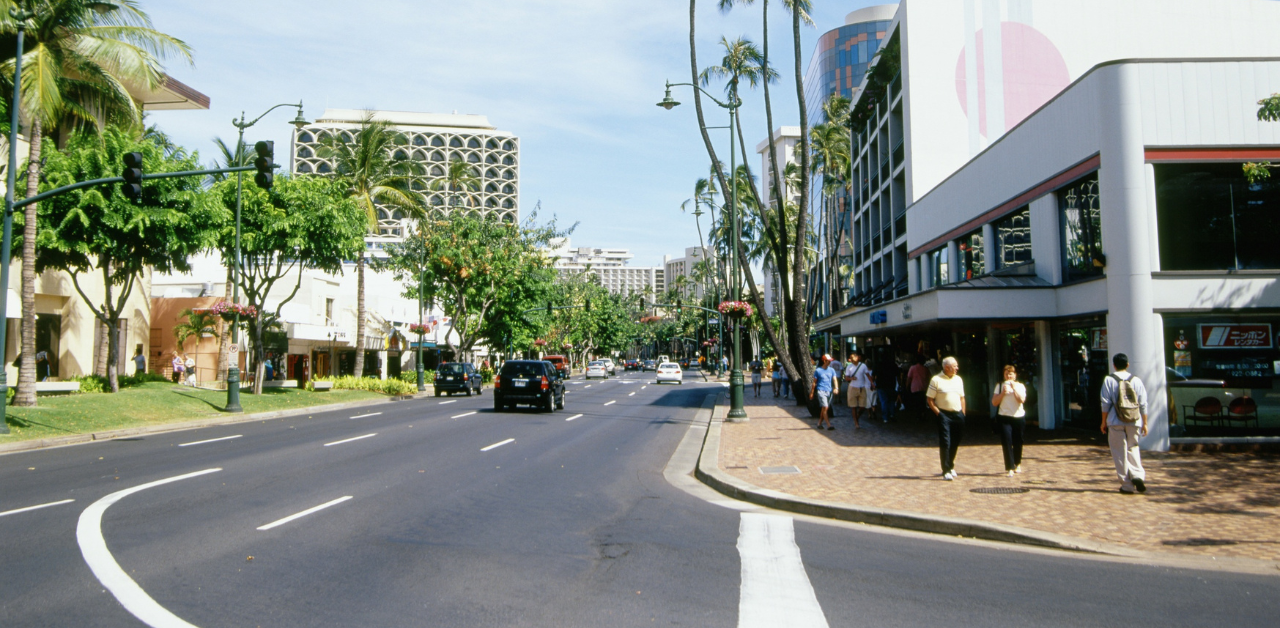
Busy city street with palm trees, shops, and pedestrians in a sunny urban coastal area

Do You Travel by Foot in Honolulu?

Honolulu is often described as a walkable city, especially around Waikiki, Ala Moana, and downtown Honolulu. At the same time, busy streets, traffic, and limited pedestrian space in some areas can create real risks. In this guide, we explain both the convenience and safety side of getting around on foot. If you have questions about your rights after a pedestrian accident, a quick consultation can help you make informed choices early. Is Honolulu a Walkable City for Daily Travel and Leisure? Yes, parts of Honolulu are very walkable. Waikiki stands out as one of the most pedestrian-friendly areas in Hawaii. You can walk from your hotel to beaches, restaurants, and shops in minutes. A short walk along Ala Moana Blvd connects you to Ala Moana Park and Ala Moana Beach Park, both popular for morning walks and sunset views. Downtown Honolulu also supports walking. Areas near Iolani Palace and King Street offer sidewalks, crosswalks, and access to public offices, local restaurants, and historic sites. Many residents who work in the city center walk or take public transportation rather than driving. Still, not every part of Oahu is built for walking. Outside central zones, distances increase fast. A walk that looks short on a map may take about an hour under the sun. Heat, traffic, and limited shade can make longer routes less enjoyable. How Far Can You Realistically Walk in Honolulu Without a Car? Walking distance in Honolulu depends on your starting point and your plan for the day. In Waikiki, you can cover a lot without a car. For example, walking from Waikiki to Ala Moana takes about 30 to 45 minutes at a steady pace. That same walk can stretch longer if you stop at shops or food trucks along the way. A few common walking estimates: Waikiki to Ala Moana Beach Park: about 30 to 45 minutes Waikiki to Diamond Head trail entrance: about 1 hour Downtown Honolulu to Ala Moana: about 40 minutes These routes are manageable in the morning or late afternoon. Midday heat can slow you down. Bring water, wear light clothing, and plan rest stops. If you try to walk from Waikiki to places like Hanauma Bay or the North Shore, it is not realistic without transportation. What Are the Safest Areas to Walk Around Honolulu? Some areas are designed with pedestrians in mind. These locations tend to have better sidewalks, clearer crosswalks, and more foot traffic: Waikiki and nearby beach areas Ala Moana Park and Ala Moana Beach Park Downtown Honolulu near King Street and Iolani Palace Diamond Head walking paths These spots attract both locals and tourists, which often leads to better lighting and safer crossings. You will also find easier access to public transit if you decide to rest your feet. Even in safer areas, stay alert. Traffic along Ala Moana Blvd and other major streets moves quickly. Drivers may not always expect pedestrians outside marked crossings. Where Do Pedestrian Accidents Happen Most Often in Honolulu? Pedestrian accidents tend to occur in high-traffic areas where cars, buses, and pedestrians meet. Busy intersections near Waikiki, downtown Honolulu, and along major roads like Ala Moana Blvd see frequent close calls. Risk increases in areas with: Heavy traffic flow and frequent lane changes Limited pedestrian signals or unclear crosswalks Night conditions with reduced visibility Tourists unfamiliar with local traffic patterns Honolulu also sees a mix of transportation types. City buses, rideshare vehicles, and delivery drivers all share the same streets. This can create unpredictable movement at intersections. In a pedestrian accident, injuries can range from minor to severe. Medical care, insurance claims, and legal questions often follow. Hawaii law allows injured pedestrians to seek compensation when another party is at fault, though each case depends on specific facts. Recent Pedestrian Accident Cases The Honolulu Police Department Traffic Division consistently documents incidents involving motor vehicle collisions, including those affecting pedestrians. Among the notable incidents recorded: A critical hit-and-run collision took place involving two pedestrians on Farrington Highway in the Mokuleia area. This incident highlights pedestrians' risks and the unfortunate reality of hit-and-run accidents. Another significant event involved a pedestrian in a critical hit-and-run motor vehicle collision on Waiakamilo Road in the Kalihi Area. These incidents highlight the need for both drivers and pedestrians to be vigilant and aware of safety while sharing the roads. They remind us of our collective responsibility to follow traffic laws and ensure the safety of all road users. Can You Explore Oahu on Foot Alone, or Do You Need Public Transportation? You can enjoy parts of Oahu on foot, but you will need public transportation or a car to reach many destinations. Honolulu offers a reliable bus system, often called “TheBus,” which connects Waikiki, downtown, and other parts of the island. Public transport makes it easier to visit places that are too far to walk, such as: Hanauma Bay for snorkeling Pearl Harbor for historical tours Polynesian Cultural Center on the North Shore Kailua Beach Park on the windward side A common approach is to walk within a local area, then take a bus or ride to your next destination. This saves energy and gives you enough time to explore more of the island in one day. How Does Traffic and Road Design Affect Pedestrians in Honolulu? Honolulu's road design reflects both local commuting and heavy tourism. Streets like King Street and Ala Moana Boulevard handle heavy traffic throughout the day. This creates pressure points where pedestrians must cross wide roads or wait longer for signals. Traffic patterns also change depending on the time of day. Morning and evening hours bring more vehicles into downtown Honolulu. Midday traffic near Waikiki can remain steady as visitors move between beaches, shops, and restaurants. Pedestrians should follow signals and use marked crossings. Jaywalking can increase the risk of injury and may affect legal claims if an accident occurs. Hawaii follows a comparative fault system, which means responsibility can be shared based on each party's actions. What Legal Rights Do Pedestrians Have After an Accident in Hawaii? Pedestrians in Hawaii have the right to seek compensation if a driver's negligence causes injury. This may include medical expenses, lost income, and other damages tied to the incident. In many cases, claims begin with insurance coverage under Hawaii's no-fault system. More serious injuries may allow a claim against the at-fault driver. Each situation depends on the severity of the injury and the details of the accident. There is also a time limit to file a claim. In Hawaii, personal injury cases generally must be filed within 2 years of the incident, though exceptions may apply. If you are involved in a pedestrian accident, document the scene if possible, seek medical care right away, and keep records of your treatment. Early action can protect your health and your legal options. Is Walking the Best Way to Enjoy Honolulu or Just One Part of the Experience? Walking gives you a close-up view of Honolulu. You can explore local shops, stop at food trucks, and enjoy the ocean views at your own pace. It also allows you to notice details that are easy to miss when traveling by car. At the same time, walking works best when combined with other forms of transportation. Public transit, short rides, or guided tours can help you reach more distant parts of Oahu. This balance lets you enjoy both convenience and exploration without exhausting yourself. Walking in Honolulu Comes With Both Freedom and Responsibility Walking through Honolulu can be one of the most enjoyable ways to explore the city. From Waikiki to downtown, many areas offer easy access to beaches, restaurants, and historic sites. At the same time, traffic, distance, and road design require careful attention. Staying aware of your surroundings and planning your route can improve both safety and comfort. At Recovery Law Center, we work with individuals and families who face difficult situations after pedestrian accidents. We understand how quickly a simple walk can turn into a serious legal and medical concern, especially when injuries affect daily life. One of our clients, Vincent H. shared his experience: My 88 year old uncle was struck by a vehicle back in 2020 while crossing the street in Kalama Valley. He sustained major injuries both physically and mentally. I have tried calling numerous attorneys to see if they would take my uncle's case to help get him some kind of compensation for all his pain and suffering as a result of this accident. Unfortunately no one was willing to take his case for whatever reason and I felt hopeless and discouraged about finding an attorney that would help my uncle. Luckily a business contact heard we were looking for an attorney and they recommended The Recovery Law Center. I reluctantly called and spoke with paralegal Jolie on the phone and she was very professional and pleasant. My uncle and I later had a meeting with Jolie and Attorney Glenn Honda. To be honest we went into this meeting with very little confident that they would accept my uncle's case but we had nothing to lose. Well it turned out to be one of the best decisions we made. We were so happy and thankful that they were willing to help but more than that we were grateful for how they treated and made us feel. Glenn and Jolie were so warm and kind that we did not feel like we were just another case for them. They were so patient and took the time to listen and answer any of the questions we had. All the staff (Glenn, Jolie, George and Jennifer) that we have met at the Recovery Law Center are very professional and knowledgeable in their job. The best part is they are very nice down to earth people. Thank you Jolie for keeping in touch and updating us on everything throughout this process. I highly recommend The Recovery Law Center to anyone who is looking for a personal injury attorney. This was a great experience and we thank you Recovery Law Center so much for all you have done! My uncle, myself and our family are forever grateful... If you or someone close to you has been injured while walking in Honolulu, we offer a free consultation to help you understand your options and next steps.

Crosswalk-Safety-is-Crucial-to-Prevent-Pedestrian-Accidents

Crosswalk Safety Is Crucial in Preventing Pedestrian Accidents

Crosswalk safety is crucial in preventing pedestrian accidents because people expect to be protected when crossing the street. However, pedestrian accidents often occur in areas that should be the safest, such as marked crosswalks, school zones, intersections, and parking lots. According to the National Highway Traffic Safety Administration in 2023, the U.S. experienced 7,314 pedestrian fatalities in traffic crashes. This is an average of 20 pedestrian deaths per day. Many times, the people hurt are doing exactly what they’re supposed to: crossing at the right place, waiting for the green light, and walking with caution. Still, accidents happen because some drivers ignore traffic signals or fail to yield to pedestrians. At Recovery Law Center, we assist individuals who have been injured in crosswalks and other pedestrian areas. Our team works to hold drivers accountable when they fail to follow basic road rules. If you or someone you care about has been injured while crossing the street, contact Recovery Law Center for a free consultation. We’re here to support you in taking the following steps after a serious pedestrian accident. Why Pedestrian Accidents Happen in Crosswalks and Intersections Many people assume crosswalks are always safe, but that’s not always the case. Pedestrian accidents often occur at intersections and designated crosswalks due to driver error, distraction, or impatience. Distracted drivers, including those using phones or adjusting navigation systems, often miss people in crosswalks, especially when turning or rushing to beat a red light. Another common reason is speeding. In school zones or residential areas, even going slightly over the speed limit can reduce a driver’s ability to stop in time for someone crossing the street. Some drivers also fail to yield to pedestrians when they have the right of way, often assuming the road is clear because they don’t see approaching vehicles. But a stopped vehicle in another lane could mean someone is crossing. In other cases, pedestrian traffic may be heavy during certain times of day, such as near schools, public transit stops, or downtown businesses. When drivers rush through these areas without watching for pedestrians, accidents occur. Even in marked crosswalks, people must exercise caution because one driver’s mistake can change someone’s life in an instant. How to Ensure Pedestrian Safety at Crosswalks and Intersections To ensure pedestrian safety, every road user must know and follow basic safety habits. For pedestrians, this means using designated crosswalks, watching for approaching vehicles, and following traffic signals at all times. Make eye contact with drivers when possible. Don’t assume they will stop just because you’re on the road. Wearing bright or reflective clothing, especially at night, helps drivers see you more easily. Be especially careful in parking lots, where sight lines are poor and cars move unpredictably. In school zones, always cross with a guard or follow marked signs to reduce risks. For drivers, safety begins with slowing down. In areas where people walk, such as: Intersections Parks Residential areas Drivers should stay under posted speed limits and scan for movement near the curb. Be ready to stop at any marked crosswalk and yield to pedestrians even if you're in a hurry. Most importantly, avoid distractions. A few seconds of texting can lead to a tragic crash. By staying alert and respectful, both drivers and pedestrians can share the road safely and prevent accidents. What to Do After a Pedestrian Accident Involving a Crosswalk If you've been hit by a car while using a crosswalk, you must do the following: Get medical care. Some pedestrian injuries are not immediately visible. Always see a doctor, even if you feel fine at the scene. Document the accident. Take photos, get witness names, and collect driver information. File a police report and keep records of your treatment, costs, and how the injury affects your life. Lost work, hospital visits, and therapy can all be part of your case. Get the insurance company involved. The driver’s insurance may offer a quick settlement, but it’s best to review the offer with a pedestrian accident attorney before making any decision. At Recovery Law Center, we help injured pedestrians understand their rights. We look into what caused the crash, whether the driver ignored a traffic signal, didn’t see you in a designated crosswalk, or acted recklessly. We deal with the insurance company and help gather the evidence needed to prove your case. Our legal team is here to offer support and explain your next steps after a serious pedestrian crash. Contact a Hawaii Pedestrian Accident Lawyer for Legal Assistance Every time someone crosses the road, their safety depends on the actions of drivers, other vehicles, and the systems designed to protect them. Unfortunately, crosswalk injuries still happen too often. Whether it’s a failure to follow the right of way, speeding near schools, or not seeing someone in the crosswalk, the damage can be life-changing. If you were injured in a Hawaii pedestrian accident, reach out to a lawyer at Recovery Law Center for help. Our experienced Honolulu personal injury attorneys can help you pursue maximum compensation to restore your financial security and personal well-being. There's nothing to lose and everything to gain by scheduling a free consultation. Contact us by phone or complete our online contact form now.

raised-crosswalks-hawaii

New Raised Crosswalks in Hawaii

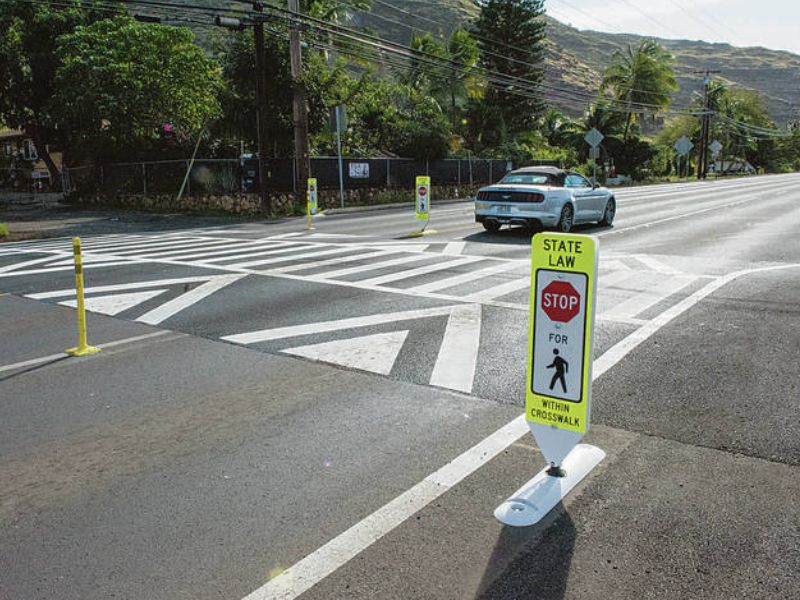
Pedestrian accidents are a disturbing public safety problem in Hawaii. In a recent year, the state reported 37 pedestrian deaths and had the sixth-worst pedestrian fatality rate in the country. Just a year prior, Hawaii recorded 44 pedestrian deaths. In response to this crisis, the Hawaii Department of Transportation recently announced a series of construction projects designed to protect pedestrians and get drivers to slow down. These include reinstalling raised crosswalks at intersections along Pali Highway in Nuuanu, with more improvements pending. This article discusses how the newly raised crosswalks aim to improve pedestrian safety, reduce speeding, and tackle Hawaii's high pedestrian fatality rates. What are Raised Crosswalks? According to the Federal Highway Administration (FHWA), a raised crosswalk — or a speed table — is a pedestrian crossing that is level with the sidewalk at both ends of the crosswalk. The construction features a gentle slope leading up to and away from the crosswalk, creating a table-like shape. Raised pedestrian crossings are typically at least 10 feet wide so that a passenger vehicle's front and rear wheels can be on the crosswalk's “table” simultaneously. A reduced speed limit near raised crosswalks forces motorists to slow down. According to the FHWA, raised crosswalks can lower pedestrian deaths by 45 percent. Where are the New Crosswalks in Honolulu? The Hawaii Department of Transportation (HDOT) enhances pedestrian safety by installing raised crosswalks, which help slow traffic and make pedestrians more visible. By the end of 2023, HDOT plans to have 220 raised crosswalks in place to prevent accidents rather than react to them. These crosswalks, essentially flat-topped speed tables marked for pedestrian use, reduce vehicle speed and pedestrian crashes by nearly half. In a busy urban area of Honolulu with a high percentage of students and elderly pedestrians, HDOT began by installing six raised crosswalks. This reduced crashes significantly and changed driver behavior along the corridor. Although some initial resistance arose, the community largely embraced the measure, requesting similar installations in other areas. Raised crosswalks are cost-effective, quick to install, and have minimal impact on emergency response times. HDOT's proactive approach has improved safety and demonstrated how infrastructure can address speeding and save lives. Reducing Pedestrian Accidents HDOT officials say that in cases where a car hits a pedestrian at 40 miles per hour, the victim nearly always dies. Approximately half of all pedestrians survive an impact at 30 miles per hour, while virtually all pedestrians survive crashes at 20 miles per hour or lower. Many pedestrians could avoid severe injury or death if drivers consistently slow down at raised crosswalks. In a YouTube video, The Federal Highway Administration (FHWA) highlights the importance of raised crosswalks in improving pedestrian safety, particularly at mid-block locations where most pedestrian fatalities occur. Raised crosswalks are elevated to the height of the sidewalk, making pedestrians more visible to drivers and reducing vehicle speeds. These features make crossings safer and more comfortable for pedestrians while encouraging drivers to yield. The design includes a wide table, typically at least ten feet, ensuring vehicles maintain stability while crossing. Raised crosswalks are most effective on roads with two to three lanes, lower traffic volumes (under 9,000 vehicles daily), and 30 MPH or less speed limits. How Do Raised Crosswalks Impact Drivers? The newly raised crosswalks in Hawaii are designed to improve pedestrian safety, but they also affect drivers noticeably. These elevated crossings are a physical reminder to reduce speed and prioritize pedestrian crossings. However, their installation may alter traffic flow and driver behavior. Slower Speeds and Commute Times Drivers approaching raised crosswalks must slow down to navigate the elevated surface safely, similar to how they approach speed humps or speed tables. This adjustment is significant on busy roadways like the Pali Highway, where approximately 65,000 vehicles travel daily. While slowing down enhances safety, it can slightly increase commute times, especially during peak hours. On roads like Kalihi Street, Pensacola Street, and Maipalaoa Road, the Hawaii Department of Transportation (HDOT) has emphasized that maintaining the posted speed limit is crucial near these new features. Changes in Traffic Patterns Some drivers may choose alternative routes to avoid the raised crosswalks, especially on heavily used streets like Farrington Highway or near McKinley High School. These shifts can lead to unexpected traffic patterns in surrounding areas, as the raised crossings encourage slower speeds at certain intersections. However, the Hawaii Department of Transportation is focused on balancing driver convenience with pedestrian safety. Benefits Outweigh the Drawbacks Despite minor inconveniences like longer travel times or shifting traffic, the raised pedestrian crossings significantly reduce the risk of speeding and improve safety at intersections. They help prevent accidents by making pedestrians visible and encouraging drivers to slow down. The benefits outweigh the drawbacks if these measures save even one pedestrian's life. In summary, the three raised crosswalks added to Hawaii’s transportation services are a practical step toward safer streets. While they may temporarily impact drivers and traffic flow, they prioritize the well-being of pedestrians and align with HDOT’s mission to improve road safety. Getting Legal Help After a Pedestrian Accident in Hawaii If you need reliable legal assistance after a pedestrian accident in Hawaii, turn to Recovery Law Center. Our team is dedicated to guiding you through the legal process with care and experience. Schedule a consultation and take the first step toward securing the compensation you deserve.