Blog / Bicycle Accidents

What if You're Injured on a Bike Tour in Hawaii?

What-if-Youre-Injured-on-a-Bike-Tour-in-Hawaii-scaled
Hawaii’s scenic bike tours offer breathtaking views, but accidents can happen. With little protection, cyclists face serious risks when sharing the road with motor vehicles. A bike accident can lead to severe injuries, including broken bones, road rash, or even a traumatic brain injury. If you're injured on a bike tour in Hawaii, knowing your rights is important.Many bicycle accidents occur due to a negligent driver failing to yield, ignoring a stop sign, or not making a complete stop. Riders are still at risk, even on designated bike paths or in a bike lane. If a driver’s negligence caused your injuries, you may have a personal injury claim under Hawaii law. Seeking compensation through a civil claim can help cover these costs.Hawaii bicycle accident cases can be complex, but an experienced attorney can guide you through the legal process. If you've suffered injuries while riding in places like Haleakalā National Park or along the Hawaiian Islands’ scenic roads, you don’t have to face it alone. A legal consultation with a lawyer can help you understand your options and what steps to take next. 

Why Hawaii Bike Tours Are Under Scrutiny

Two mountain bikers riding along a rugged trail, highlighting the risks of cycling and potential legal assistance from a bike accident lawyerHawaii's bike tours, particularly those on Maui's Haleakalā volcano, have come under increased scrutiny due to safety concerns and community impact. The Maui County Council enacted a law limiting commercial downhill bike tours to a 6.5-mile route between mile markers 3 and 9.5 on Haleakalā Crater Road, effective February 1, 2023. This legislation addresses resident complaints about disruptions and safety hazards caused by bike tours on local roads.The scrutiny intensified following several accidents, including fatalities and injuries, associated with these tours. In response, the National Park Service suspended commercial bike tours within Haleakalā National Park in 2007, leading operators to start tours outside park boundaries. dCommunity members have expressed concerns about bike tours crowding narrow roads, creating potential safety risks for both cyclists and motorists. Discussions have been ongoing about further regulations to mitigate these issues. 

Contributing Factors to Bike Accidents 

Damaged bicycle flipped upside down on rocky terrain near the coast, symbolizing serious accidents that may require a bike accident lawyerDuring bike tours, distracted and inexperienced cyclists are the most significant danger to themselves and others. The idea is to enjoy the scenery, but the roads down the mountain in Haleakala National Park are winding and often steep. As a result, a distracted or inexperienced cyclist could quickly lose control or veer off into oncoming traffic. Other common causes of bike tour accidents include:
  • Riding too closely to motor vehicle traffic
  • Riding too slowly
  • Making unsafe passes or lane changes
  • Failing to yield
  • Running a red light or stop sign
Many Hawaii bicycle accidents result from negligent car drivers. When that is the case, the injured cyclist could file a claim against the driver to recover compensation.

Updated Bike Tour Permit Requirements

Due to the local government monitoring the issues and listening to the locals, changes are making biking in the area of Haleakala safer. In response to complaints from residents and the growing concern regarding biking accidents, Maui County Council members recently sought to regulate the Hawaii bike tours industry by limiting the usage of Upcountry roads and increasing the minimum age requirement to 15 for minors who want to participate.In October 2022, Maui County ordinance no. 5439 further restricted bike tours in the area by requiring permits. According to this law, any business or person conducting a bike tour on county property must obtain a bicycle tour business permit.To receive a permit, the company must obtain comprehensive liability insurance from an admitted carrier in the state and execute an indemnification agreement with the county.

Common Injuries From Haleakala Bike Accidents

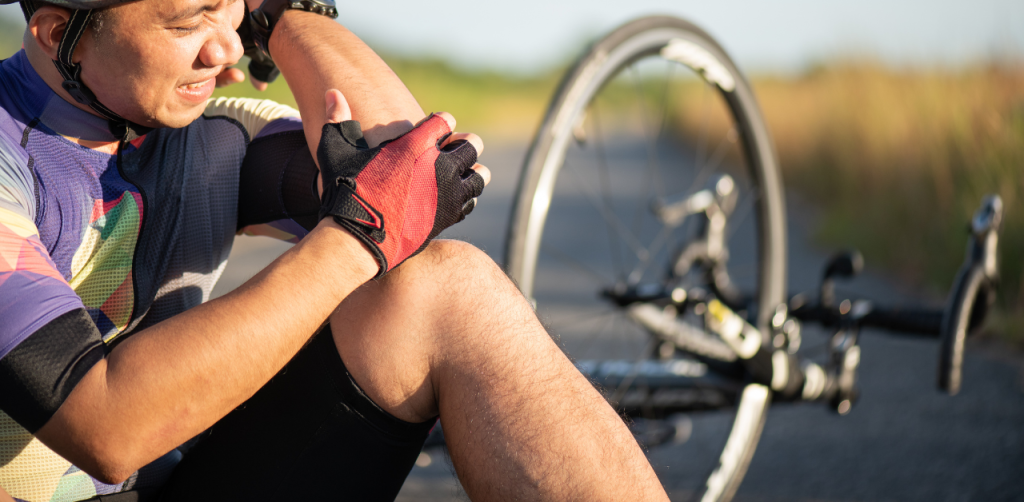
Cyclist in pain holding his injured arm after a crash, with his bike lying on the road, emphasizing the need for a bike accident lawyerGiven the vulnerable state of bicyclists sharing winding roads with vehicles, the resulting injuries from an accident can be severe. Common examples include:More severe injuries result in more damages, such as the cost of medical care, lost income, and mental distress.

Steps To Take After a Bike Tour Accident

What you do after an accident can significantly impact your ability to recover your losses. If you suffered an injury while experiencing one of the many Hawaii bike tours available in Maui, take these steps in the immediate aftermath to protect your right to compensation:
  1. Report the accident: Whether you suffered substantial injuries or had severe property damages or not, you should report a collision to local police. They will most likely investigate and create a police report that could benefit your claim.
  2. Seek medical attention: Even minor accidents can result in severe injuries. See a doctor immediately for a complete examination, ensuring you get the medical attention you need and putting your injuries on the record.
  3. Document everything: If your injuries allow, take photographs of the scene, including any property damage and visible injuries. Get eyewitnesses' names and contact numbers, and if another party present is at fault, ask for their insurance information.
  4. Avoid talking about the accident: A common mistake is discussing the accident with others or posting about it online. Doing so could unintentionally claim blame and hurt your case.
  5. Contact a personal injury attorney: Hawaii bike tours can result in tort claims and a personal injury attorney practices tort law. An experienced lawyer can help you build your case.
If you wonder if the circumstances of your accident validate a personal injury claim, an attorney can help you build your case when there is a liable party.

What Legal Representation Can Do for You

During your initial consultation with an attorney, they will answer any questions you have about the accident and walk you through the legal options available to you.If you have a civil claim, hiring an attorney comes with many benefits:
  • Investigate the accident to find evidence of negligence.
  • Handle all necessary paperwork to file your claim and negotiate with the insurance company.
  • Identify all the recoverable damages and evaluate the non-monetary losses, such as pain and suffering.
  • Interview eyewitnesses and gather the documentation needed to support your claims of negligence and for damages.
  • Offer compassionate support and an objective, professional opinion.
If you suffer severe injuries or your loved one passes away from a fatal bike crash, you know the financial repercussions can be substantial. Most personal injury attorneys work on contingency to help alleviate that burden and ensure you have experienced legal representation, meaning they only collect payment when they win your case.

Talk to a Personal Injury Attorney in Hawaii

Hawaii bike tours are a fun way to see the beautiful islands. However, organizations offering these tours owe a duty of care to participants that they do not always uphold, or negligent drivers collide with unsuspecting riders.If you suffered an avoidable injury during a bike tour in Hawaii, an injury attorney at Recovery Law Center answers your questions and determines if you need to take the next steps in seeking compensation. Contact Recovery Law Center in Hawaii online or at 808-427-3088 and schedule a free consultation with an experienced attorney today. We are here to give information without obligation.
Posted in:

Related Posts

Woman wearing a helmet and black jacket sits on the roadside next to a bicycle, examining a scrape on her arm, with a car nearby

Bicycle Accidents Often Result in Serious Injuries

Every year, thousands of bicyclists take to the roads, sharing space with cars, buses, and trucks. Despite more bike lanes appearing in cities across the U.S., fatal bicycle accidents still happen often. When bicycles and motor vehicles collide, the results can be tragic. Sadly, these accidents frequently lead to serious injuries and even deaths. For those affected by bicycle accidents, consulting with a bicycle accident attorney can be a vital step. An attorney can help sort through the legal challenges that follow an accident, aiming to secure maximum compensation for injuries and other losses. This professional support can help deal with insurance companies and pursue justice for negligence on the roads. Common Injuries in Bicycle Accidents Head injuries, spinal cord injuries, and broken bones are among the most common types of bicycle accident injuries. These injuries can significantly impact a cyclist’s life, requiring long-term medical treatment and rehabilitation. A bike accident can lead to serious consequences for those involved. Head Injuries Head injuries are among the most serious injuries that cyclists can suffer in an accident. Up to 50% of cyclists involved in accidents may experience head injuries, including concussions and traumatic brain injuries. These injuries may lead to long-lasting effects. Impacting cognitive function, memory, and overall quality of life. The impact of a head injury can be devastating. Concussions and traumatic brain injuries are common outcomes, and severe head injuries can lead to permanent disability or even death. The importance of protective gear, especially helmets, cannot be overstated in preventing such catastrophic injuries. Spinal Cord Injuries Spinal cord injuries are another severe consequence of bicycle accidents, often resulting in serious injury. In many cases, these injuries can lead to fractures or significant damage to the spinal cord, potentially resulting in paralysis. Such injuries are a leading cause of permanent disability among cyclists. The long-term implications of spinal cord injuries and spinal injuries are profound. Victims may face significant lifestyle changes, including the need for ongoing medical care and adjustments to daily activities. The severity of these injuries underscores the importance of preventive measures and proper cycling practices. Broken Bones Broken bones are a common occurrence in bicycle accidents, particularly in the wrists, collarbones, and legs. These fractures often happen when cyclists fall or collide with vehicles, leading to significant pain and a lengthy recovery process. Wrist fractures and collarbone breaks are especially prevalent among injured bicyclists, often resulting from the instinctive reaction to break a fall with an outstretched arm. These injuries can necessitate surgical intervention and extensive rehabilitation, making it essential for cyclists to take every precaution to avoid accidents. Factors Contributing to Severe Injuries Several factors contribute to the severity of injuries sustained in bicycle accidents. Each of these influences the outcome of an accident, often determining the difference between minor and life-threatening injuries. Here are some key factors: Lack of Protective Gear Not wearing protective gear, especially helmets, significantly increases the risk of severe injuries in bicycle accidents. Cyclists without helmets are more likely to suffer critical head injuries. Protective gear is essential for minimizing catastrophic injuries. In the Cycle Helmets report, it was found that 73% of head injuries were not associated with concussions or any other type of brain injury. Adopting proper safety measures, including wearing helmets and other protective gear, reduces the risk of severe injuries. Speeding Vehicles Collisions with speeding vehicles are hazardous for cyclists. The speed of vehicles involved in collisions significantly increases the severity of injuries sustained by cyclists. High-speed impacts often result in more severe injuries compared to low-speed accidents. Common scenarios involving speeding vehicles include rear-end collisions and side-swipes, both of which can be catastrophic for cyclists. Ensuring that drivers adhere to speed limits and remain vigilant can help reduce the risk of such accidents. Poor Road Conditions Poor road conditions, such as potholes and debris, can create hazardous situations for cyclists. Environmental hazards significantly increase the likelihood of serious injuries in bicycle accidents. Cyclists may not have time to avoid these unexpected obstacles, leading to falls and collisions. Proper roadway maintenance is important for cyclist safety. Poorly maintained roads can drastically heighten the risk of accidents and exacerbate injuries sustained by cyclists. Investing in better infrastructure can help prevent accidents and protect cyclists. Types of Bicycle Accidents Leading to Serious Injuries Certain types of bicycle accidents lead to severe injuries due to the nature of the collisions. Understanding these accident types and their typical scenarios can help cyclists take preventive measures and avoid potentially life-threatening situations. Here are details about each type of accident: Rear-End Collisions Rear-end collisions often occur when drivers are distracted or fail to notice an oncoming cyclist in time. These collisions are a significant concern for cyclists, typically resulting in serious injuries. Cyclists may be thrown forward in such accidents, leading to severe harm. Preventing rear-end collisions involves both cyclist and driver awareness. Cyclists should ensure they are visible and follow traffic laws, while drivers must remain attentive and avoid distractions. Intersection Crashes Intersections are high-risk areas for bicycle accidents. Drivers often fail to yield the right of way at intersections, which is a common cause of bicycle accidents. This negligence can lead to severe collisions and serious injuries for cyclists. Drivers frequently proceed through intersections without having the right to do so, putting cyclists at risk. Ensuring that both cyclists and drivers adhere to traffic signals and remain vigilant can help reduce the risk of intersection crashes. Dooring Incidents Dooring incidents happen when a cyclist collides with an unexpectedly opened car door. Such situations can lead to serious injuries for the cyclist. These incidents mainly occur when a cyclist passes parked cars, and a driver unexpectedly opens a door into their path. The impact can lead to severe injuries, including fractures and head traumas. Increasing awareness among drivers about the dangers of dooring and encouraging cyclists to maintain a safe distance from parked cars can help prevent these incidents. Legal Considerations for Injured Bicyclists Injured cyclists have several legal options to seek compensation for their injuries. Some of the considerations include the importance of legal representation, the process of filing insurance claims, and when to pursue legal action. Importance of a Bicycle Accident Attorney A specialized bicycle accident attorney plays an important role in representing injured cyclists after accidents. These attorneys can assist in managing the complexities of personal injury claims, ensuring that the victim’s rights are protected and that they receive maximum compensation for their injuries. The knowledge and experience of a bicycle accident attorney is essential for dealing with insurance companies and legal processes, which can be overwhelming for injured cyclists. Having professional legal support can make a significant difference in the outcome of a personal injury claim. Filing Insurance Claims Filing an insurance claim is essential for injured cyclists seeking compensation for their medical expenses, property damage, lost wages, and suffering. The process involves notifying the insurer, providing evidence of the incident, and negotiating with insurance adjusters. Documentation, such as photos of the accident scene and medical bills, supports the claim. Staying proactive and understanding the insurance policy’s coverage and limits can help ensure a successful claim. Pursuing Legal Action Pursuing legal action may be necessary when insurance claims are insufficient or denied, pursuing legal action may be required. Victims can seek compensation for both economic losses, like lost wages, and non-economic damages, such as emotional distress. Consulting with a bicycle accident attorney can help injured cyclists navigate the legal process and achieve a fair resolution. Legal action involves gathering evidence, filing a lawsuit, and potentially going to court to argue the case. Understanding the legal options available can empower injured cyclists to seek justice and secure the compensation they deserve. Safety Measures to Prevent Bicycle Accidents Preventing bicycle accidents requires a combination of proper gear, adherence to traffic laws, and staying alert on the road. Cyclists can significantly reduce their risk of accidents by taking proactive safety measures. Here are some practices to enhance safety: Wearing Proper Gear Proper gear is crucial for cyclist safety. Bright clothing and reflective gear significantly enhance drivers' visibility, especially at night. Lights and reflective gear during low-visibility conditions also reduce the chances of collisions. Helmets are crucial for protecting against head injuries in case of accidents. Investing in quality safety gear can make a significant difference in preventing serious injuries. Following Traffic Laws Following traffic laws is vital for preventing accidents. Cyclists should adhere to traffic signals and signage, significantly reducing the likelihood of motor vehicle accidents. Proper adherence to regulations enhances overall safety for cyclists. Understanding and respecting traffic laws can help create a safer environment for everyone on the road, from cyclists to motor vehicle motorists. Staying Alert and Visible Staying alert and visible is crucial for cyclist safety. Cyclists should be particularly cautious when riding in low-light conditions, as visibility to other road users diminishes. Using lights and wearing reflective gear can help ensure that cyclists remain visible to drivers and other road users. Awareness of the surroundings and potential hazards can help cyclists react quickly and avoid accidents. Staying vigilant and proactive can make a significant difference in preventing collisions. Legal Guidance for Bicycle Accident Claims in Hawaii Bicycle accidents often lead to serious injuries or even fatalities, leaving victims and their families to endure lengthy recovery periods, financial burdens from medical expenses, and emotional pain. Facing the aftermath of such incidents without legal support can be overwhelming. If you've been injured in a bike crash in Hawaii, it's important to contact an experienced bicycle accident attorney. Recovery Law Center focuses on helping those injured in bicycle accidents, offering the knowledge needed to manage legal claims and striving to secure the maximum compensation for medical bills, property damage, and other losses. For anyone involved in a bicycle accident or concerned about the risks while riding, remember that assistance is available. Recovery Law Center offers a free consultation to review your case and explain your rights. Schedule a consultation with a bicycle accident lawyer to guide you in obtaining the justice and support you deserve.

The High Risks of Cycling Without a Helmet

Bike Accidents Without Helmet

Bike accidents without a helmet can have devastating consequences. Without a helmet, a simple fall can lead to severe head injuries or worse. In the hustle of daily commutes and weekend rides, many cyclists neglect wearing helmets, underestimating the risks. This can result in traumatic brain injuries, facial fractures, and even fatalities. In this article, we will explore the dangers of bike accidents without a helmet, examine the protective benefits of wearing helmets, and discuss the importance of helmet legislation. By understanding these aspects, we aim to highlight the role of helmets in cycling safety and encourage their use to prevent severe injuries. The High Risks of Cycling Without a Helmet Cycling without a helmet puts you at significant risk of head injuries, facial trauma, and even death during accidents. Helmets serve as a protective shield, safeguarding cyclists from serious injuries. The absence of a helmet not only makes riders more vulnerable to traumatic brain injuries but also increases the likelihood of fatal head injuries. Recognizing the necessity of wearing helmets while cycling is essential to improved safety. Head injuries, including the risk of fatal head trauma, can be prevented by wearing a helmet, offering protection during bike accidents. Head Injuries and Brain Trauma A serious head injury is among the most severe consequences of cycling without a helmet. In accidents where cyclists are not wearing helmets, the risk of sustaining serious head injuries and traumatic brain injuries is significantly higher. The impact forces during bike accidents can cause severe brain trauma, often resulting in life-altering consequences. Helmets, with their inner liners made of expanded polystyrene foam, are designed to dissipate impact forces, slowing down the head and reducing the severity of injuries. Bicycle helmets can prevent damage even during low-speed falls, highlighting their role in every ride. Increased Fatality Rates The fatality rates among cyclists not wearing helmets are alarmingly high. According to the Insurance Institute for Highway Safety, a record 1,084 cyclists died in collisions with motor vehicles in the past years. Here are some statistics that highlight the importance of wearing helmets: 75% of seriously injured cyclists weren't wearing helmets. Cyclists without helmets are three times more likely to die from head injuries compared to those who wear helmets. These statistics emphasize the tragic outcomes of not wearing helmets while cycling. Facial Injuries Bike accidents can result in a variety of facial injuries, such as minor scrapes, severe fractures, and dental damage. It’s important to seek medical attention for any facial injuries sustained in a bike accident. Long-term consequences of these injuries may include scarring, disfigurement, and sensory loss. These effects can have a lasting impact on a person’s quality of life. Cyclists who do not wear helmets are exposed to these injuries during falls or collisions. The face is often one of the first contact points in a crash; that's why wearing helmets offers comprehensive protection. Legal Consequences of Not Wearing a Bike Helmet The legal consequences of not wearing a helmet vary by state and can significantly impact a cyclist’s liabilities and insurance claims. There is no federal mandate for bicycle helmet use in the U.S.; bicycle helmet legislation is managed at the state or local level. Understanding these laws is integral for cyclists to safeguard themselves legally and financially. Not wearing bicycle safety helmets can result in reduced compensation for medical expenses, lost wages, and pain and suffering in the event of a bike accident. The societal norm of helmet-wearing among cyclists can also influence insurance claims and legal decisions. Bicycle Helmet Laws in Hawaii Helmet laws in Hawaii are governed by specific regulations based on age and type of vehicle. All motorcycle and motor scooter operators and passengers under 18 are required to wear helmets while riding. Helmets are not mandatory for motorcycle and motor scooter operators and passengers 18 or older. However, if they choose to wear one, it must meet the standards established by the Department of Transportation. All bicycle operators and passengers under 16 must wear helmets on any public street, bikeway, or other public property. Bicycle operators and passengers who are 16 years old or older are not required to wear helmets. Helmets must meet the safety standards established by the U.S. Department of Transportation (DOT) or the Snell Memorial Foundation. Failure to comply with the helmet laws can result in fines and other penalties as determined by the state's traffic regulations. For minors, parents or legal guardians may be held responsible for ensuring compliance with helmet laws. Impact on Insurance Claims Not wearing a helmet can negatively impact insurance claims and legal settlements in the event of a bike accident. In some states, failure to wear a helmet can reduce compensation for injuries sustained in a bike accident. Insurance companies may argue that the cyclist’s negligence in not wearing a helmet contributed to the severity of their injuries, leading to smaller settlements. This potential compensation reduction highlights the significance of helmet use for safety, as well as legal and financial defense. Common Reasons Cyclists Avoid Helmets Despite the clear benefits, many cyclists prefer to avoid wearing helmets for various reasons. Some of the common factors that deter helmet use include: Discomfort, such as heat and sweating Aesthetic concerns and worries about appearance Misconceptions about safety and the belief that helmets are unnecessary Addressing these concerns and educating cyclists about the importance of wearing helmets for their safety is important. Comfort and Convenience Helmets can be uncomfortable and inconvenient, leading many cyclists to avoid them. Some common complaints include: The heat and sweating associated with wearing a helmet, especially on long rides The inconvenience of carrying a helmet when not riding The impact on hairstyles These factors can be significant deterrents to wearing a helmet. Tackling these comfort and convenience issues is key to promoting helmet use among cyclists. Aesthetic Concerns Aesthetic concerns play a significant role in the decision to forgo a helmet. Many cyclists, particularly younger ones, worry about looking uncool or having their personal style clash with wearing a helmet. The fear of ‘helmet hair’ or a flattened hairstyle further discourages some from wearing helmets. Mitigating these concerns through design advancements and social initiatives can help make helmet use commonplace. Misconceptions About Safety Misconceptions about helmet safety and necessity contribute to the reluctance to wear them. Some cyclists believe that helmets offer little protection in serious accidents due to their design standards. Others think helmets are unnecessary in areas with robust cycling infrastructure for short, low-speed rides. Educational and awareness campaigns debunking these misconceptions and emphasizing the proven benefits of helmet use in preventing fatal head injuries can help remedy this. Helmet Safety Standards Understanding helmet safety standards and new technologies can help cyclists make informed choices. In the U.S., helmets must meet the same standard for impact protection. Technologies like MIPS (Multi-directional Impact Protection System) and WaveCel are designed to minimize rotational forces during a crash. MIPS features a low-friction layer that reduces rotational effects, while WaveCel uses a honeycombed liner material to absorb both primary impact forces and rotational energy. Encouraging Helmet Use Among Young Riders Encouraging helmet use among young riders is an essential way to ensure their cycling safety. Parents, schools, and community programs play pivotal roles in promoting helmet use. Setting positive examples, offering education and resources, and utilizing peer influence can nurture a safety culture among young cyclists. Parental Influence Parents have a significant influence on their children’s helmet-wearing habits. Parents can set a positive example by consistently wearing helmets and emphasizing their importance. Starting children with helmets from their first bikes or tricycles instills a habit of safety early on. Children whose parents enforce strict helmet-use rules are significantly more likely to wear helmets consistently. This parental influence is critical in encouraging young riders to prioritize their safety. School and Community Programs Schools and community programs can effectively promote helmet use among young riders. School-based programs incorporating bicycle safety education and helmet giveaways can significantly increase student helmet use. Community initiatives involving local businesses and law enforcement can create a supportive environment for helmet use. Engaging in bike rodeos, safety camps, and poster contests on helmet use can effectively advocate for helmet safety among children. Fundraising campaigns can also help provide helmets to children who might not otherwise be able to afford them. Peer Influence Peer influence normalizes helmet use among young riders. Positive peer modeling can significantly impact a child’s decision to wear a helmet. Social media campaigns featuring popular youth figures wearing helmets can help change perceptions and make helmet use more acceptable among teenagers. Utilizing peer influence can help establish a culture where helmet usage is considered standard practice rather than an exception. Consult a Bicycle Accident Attorney After Sustaining Injuries Bike accidents without a helmet often lead to severe consequences. Riders who skip wearing helmets are at a higher risk of head injuries, including traumatic brain injuries and skull fractures. Statistics show that helmet use can significantly reduce the severity of these injuries. Despite this strong evidence, many cyclists still ride without a helmet, putting themselves at risk of serious head trauma. Helmet laws and enforcement can play a crucial role in reducing cycling fatalities and serious injuries. For adult cyclists and young riders alike, wearing a helmet is a simple and effective way to protect against severe injuries. Emergency medicine professionals frequently witness the difference a helmet can make in preventing head injuries in emergency rooms. If you or a loved one has been involved in a bike accident without a helmet, schedule a consultation with Recovery Law Center, a bicycle accident attorney in Hawaii. We will discuss your case and protect your rights if you sustain any serious injury.