Blog / Car Accidents

What to Do If You Hit a Parked Car?

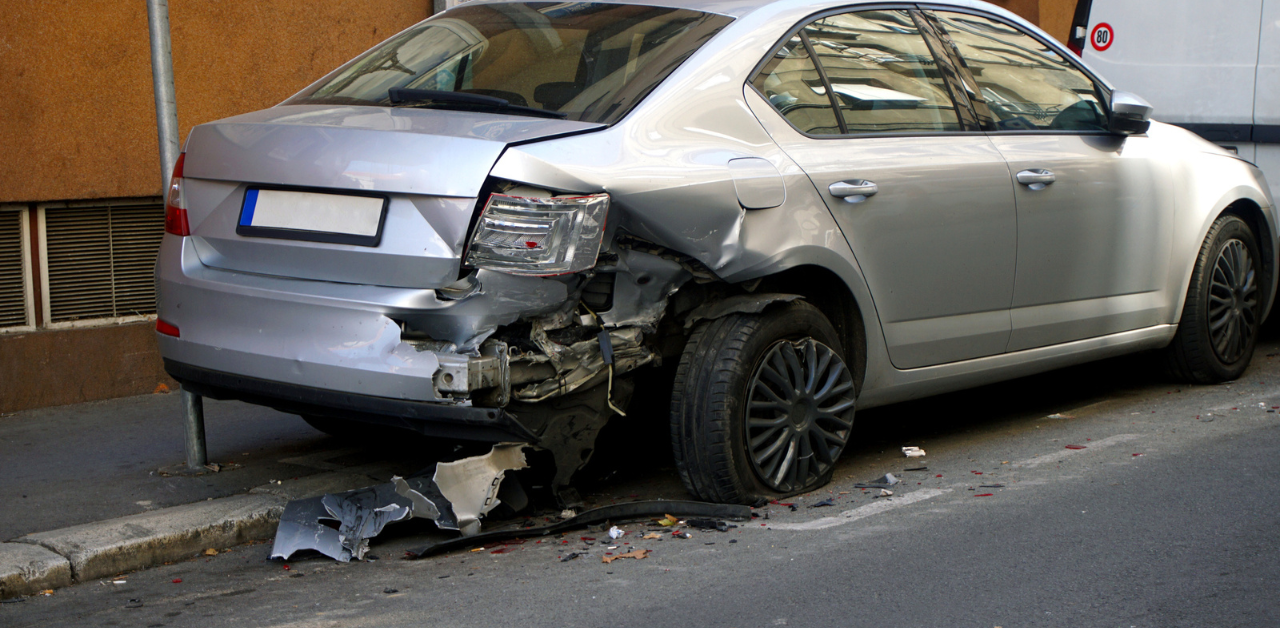
Car crashed rear-ended
Accidents happen, and sometimes, you might hit a parked car. Knowing what to do next can make all the difference.If you face criminal charges, a civil lawsuit, or need help with the insurance claims process, the Recovery Law Center can provide the legal support you need. At our law firm, we understand the stress and confusion that follow such incidents. Our car accident attorney in Hawaii is here to guide you through the steps you need to take to protect yourself legally and financially.Don't let a simple mistake become a legal issue. Schedule a consultation with us to get personalized advice. Your actions after an accident can affect the outcome, so act wisely and ask for professional advice.

1. Stop and Stay at the Scene

If you hit a parked car, it's natural to panic, but the most important initial action is to stop your vehicle and remain at the accident scene. Failing to do so can turn a simple accident into a serious legal issue. In Hawaii, drivers are required by law to:
  • Stop and assess the damage whenever they are involved in a car accident.
  • This isn’t just a moral responsibility; it’s a legal one.
  • Leaving the scene can result in hit-and-run charges, including fines and imprisonment.
After stopping your vehicle, follow these steps:
  • Check your surroundings for safety.
  • Take photos of the damaged parts caused by the accident.
  • If possible, move your car to a spot where it does not obstruct traffic.
  • Stand aside from the road to prevent secondary accidents and keep yourself safe.
  • The law mandates staying at the scene until all legal obligations are fulfilled, including exchanging information and reporting the accident if necessary.
Regardless of how minor the damage may seem, you must stop and evaluate the situation. Offering assistance and exchanging information with the other parties involved are essential steps. Failure to do so can lead to significant legal ramifications, including being charged with a crime.By staying at the scene, you demonstrate responsibility and can begin resolving the incident properly.

2. Assess the Damage

After ensuring the safety of everyone involved, proceed to evaluate the damaged car. This involves carefully documenting the extent of the damage for insurance and legal purposes. Even small dents can be expensive to repair, sometimes costing up to $1,000. Therefore, you must document and photograph any visible damage on both vehicles.Don’t ignore minor damage or potential property damage. What might seem like a small scratch could become a costly repair. Record all details accurately, including taking photos from multiple angles to show the overall context of the accident. This thorough documentation will be invaluable when filing an insurance claim and can help establish the facts of the accident.Besides assessing vehicle damage, check for any signs of bodily injury. Although less likely in a low-speed collision with a parked car, accidents involving another vehicle can still result in injuries. Ensure that everyone involved is unharmed. If there are injuries, regardless of their severity, provide aid and call for medical help if needed.

3. Locate the Car's Owner

After assessing the damage, your next step is to find the owner of the parked vehicle. This may require some patience and effort. Start by waiting near the car for a reasonable amount of time. If the owner doesn’t return, take proactive steps to find them.One effective approach is to ring the doorbells of nearby homes or businesses. This is especially effective in residential areas or small parking lots. Another option is to ask pedestrians or patrons of nearby establishments if they know the owner. Legally, you must try all possible ways to locate the car’s owner.Finding the owner fulfills your legal duties and prevents further issues. If you locate the owner, exchange contact and insurance information and discuss the following steps to resolve the situation amicably. This can prevent misunderstandings and ensure both parties can proceed with their insurance claims smoothly.

4. Leave a Note if You Can't Find the Owner

If you can't find the car’s owner, leaving a note is essential. Include your name, phone number, and vehicle registration number. Clearly explain what happened and provide your contact details so the owner can reach you. This step helps you avoid being charged with a hit-and-run, which can have serious legal consequences.Leaving a note is necessary, even if the damage seems minor or non-existent. This demonstrates that you are taking responsibility. Also, take photos of the contact points between the cars. This documentation can be used as evidence if there are later disputes about the damage.Place the note in a visible and secure spot, such as under the windshield wiper, and ensure it is protected from the weather to prevent it from being blown away or damaged by rain. This responsible act can significantly impact how the situation unfolds and protect you from legal repercussions.

5. Accident Scene Documentation

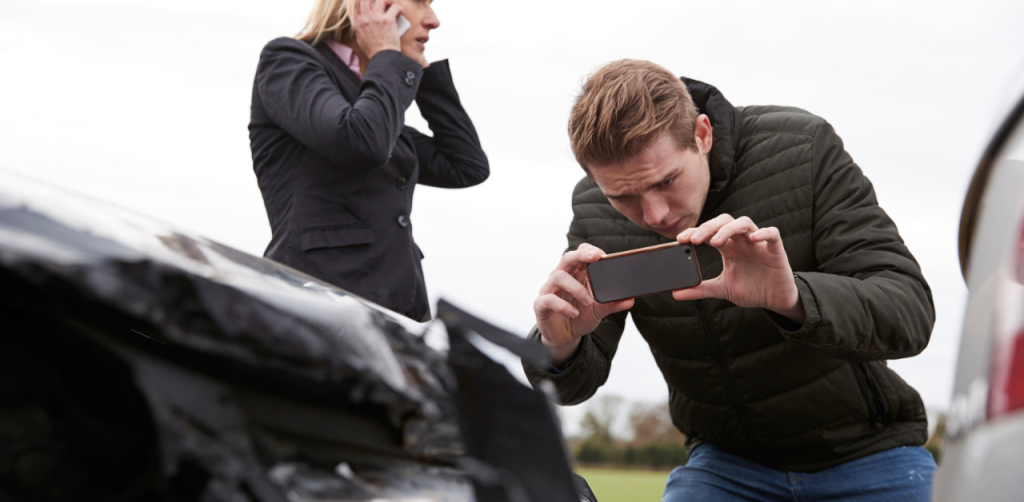
Woman talking on the phone and man taking pictures to a car crashedA comprehensive record of the accident scene is essential. Start by taking clear, detailed photos of both vehicles, focusing on the areas of impact. Include the license plates of both cars to avoid confusion about which vehicles were involved. This visual evidence is necessary for insurance claims and can help establish the facts of the incident.In addition to photos of the damage, capture the accident’s surroundings. Take wide-angle shots that show the location, including relevant factors like road signs, parking lot markings, or other vehicles. Note the time and specific location of the accident to provide a complete picture of the scene. This can help determine the fault and understand how the accident occurred.Videos can also be handy. Walk around the scene and narrate what you see. This can offer a more extensive perspective of the incident. Remember, the more detailed your documentation, the stronger your position will be when dealing with insurance companies or legal matters.

6. Look for Witnesses

Witnesses can offer invaluable, unbiased accounts of the accident. Look around for anyone who might have seen the incident. Approach them politely, explain the situation, and ask if they would be willing to provide a statement. Be sure to collect their contact information and ask them to write down their description of what happened.Witnesses can support your version of events and provide additional details you might have missed. For instance, they might recall the vehicle's make, model, or color involved or even provide a partial license plate number. Their statements can be beneficial if disputes arise about the accident or the other party challenges your account.Even if the incident seems straightforward, having witnesses can strengthen your case. They can describe the driver's actions after the accident, such as whether they inspected the damage or left a note. This information can be important in proving liability and ensuring that the responsible party is held accountable.

7. Contact the Police

In the event of significant damage from the accident, contacting the police is important. In Hawaii, for example, you must report the accident if it involves injury, death, or property damage over $3,000. Use the non-emergency line to report the incident unless immediate dangers or injuries require urgent attention.When you contact the local police department, provide them with all relevant details, including the location of the accident, the condition of the vehicles, and any injuries. If you cannot make the call yourself, ensure someone else does so on your behalf. Failure to report a qualifying accident can result in severe penalties, such as fines, license revocation, and jail time.A police report can be very helpful when dealing with insurance claims. It provides an official record of the accident and can help establish the facts, especially if there are disputes about fault, or the other party is uncooperative.

8. Notify Your Insurance Company

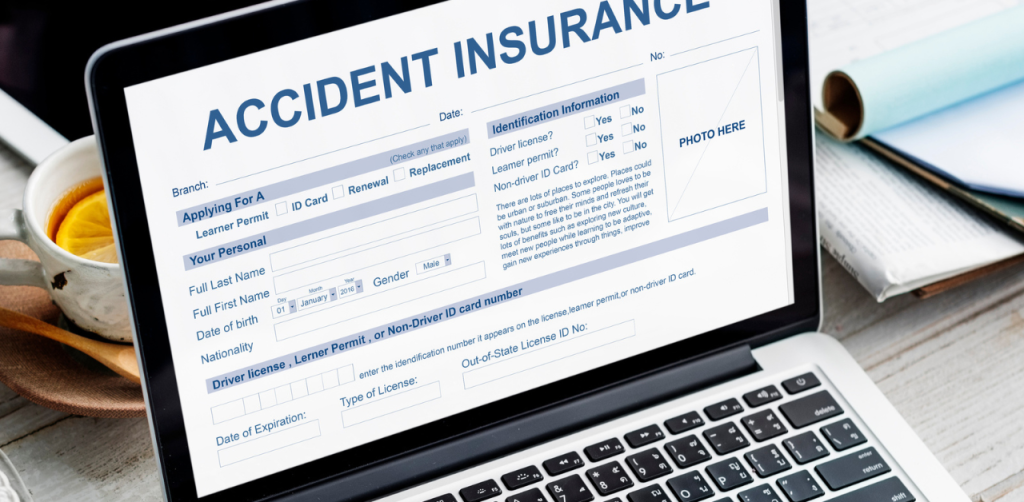
Accident Insurance application formContact your own insurance company to report the accident as soon as possible. Give them all the details, including photos and witness statements. Reporting the incident quickly can help prevent future problems and ensures that your insurance provider has all the information needed to process your claim.Do not resolve the issue without your insurance company’s involvement. Even if the other party suggests handling it privately, going through insurance provides a formal record and protects you from future disputes. Your auto insurance company can guide you through the claims process and ensure all necessary steps are taken.

9. Understand Insurance Implications

Striking a parked car can affect your insurance rates. Liability insurance is required for most drivers, as it covers accidents they cause. This insurance protects against financial responsibility for damages and injuries to others. However, filing a claim for hitting a parked car can raise your premiums, depending on your insurance company’s policies and state regulations.If you have collision or uninsured motorist coverage, these can help cover damage costs, especially in a hit-and-run accident. It’s important to understand your policy and what coverage you have. Contact your insurance provider to learn how the accident will affect your rates and what steps you need to take.Knowing your insurance coverage and the potential financial impact can help you make better decisions after an accident. Regularly review your policy and discuss any concerns with your auto insurance agent to ensure full coverage and awareness of possible rate increases.

10. Seek Legal Advice if Necessary

In certain situations, such as when there is significant damage or injury from the accident, you might need legal counsel. An attorney can help you understand your legal rights and guide you through the claims process. They can also assist in pursuing compensation if the responsible driver is identified or you need to work with your insurance company.Insurance companies may not always act in your best interest, so having legal representation ensures you receive rightful compensation if the accident results in injury. Discussing the case with an attorney is even more important to protect your rights and understand the legal process.Knowing the potential legal outcomes and having professional guidance can make a significant difference in resolving the situation. Don’t hesitate to seek legal advice if you feel it is necessary to ensure your full protection.

Legal Guidance for Stress-Free Resolution of Auto Accidents

Hitting a parked car can be stressful, but handling it properly can minimize legal and financial consequences. If you find yourself in an auto accident in Hawaii, Recovery Law Center can help. They specialize in auto accidents and personal injury cases and provide expert legal assistance. Schedule a consultation with a car accident attorney to understand your rights and get the support you need.

What To Do If You Hit a Parked Car? Visit Our Honolulu Office

Posted in:

Related Posts

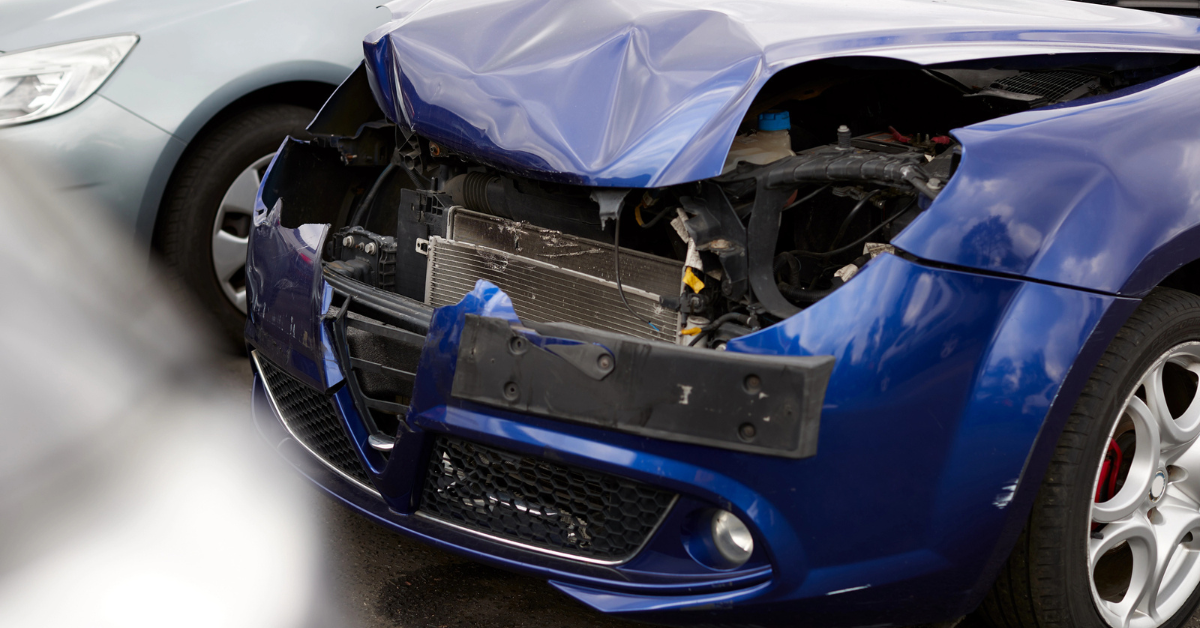
The front end of a blue car is severely damaged, with the bumper and radiator exposed, indicating the aftermath of a collision

Who Pays for Car Damage in Hawaii?

Who pays for car damage in Hawaii depends on several factors, including who caused the crash, what insurance coverage is available, whether you have collision coverage, and whether the other driver has enough insurance to cover the damage. Hawaii is a no-fault state, but that does not mean your own insurance automatically pays for your vehicle damage. Hawaii’s no-fault system primarily covers injury-related expenses through personal injury protection (PIP) coverage. For damage to a vehicle or other property, the at-fault driver is generally responsible. Hawaii’s Insurance Division explains that no-fault applies to injuries, not vehicles or property, and that the driver at fault is responsible for vehicle and property damage. At Recovery Law Center, Attorney Glenn Honda's 25 years of personal injury experience help and support accident victims understand their rights after a Hawaii car accident. Is Hawaii a No-Fault State for Car Damage? Hawaii is a no-fault state, but no-fault coverage does not usually pay for car damage. This is where many accident victims get confused. Hawaii’s no-fault system is designed to help pay for injury-related costs, such as medical expenses and rehabilitation costs, regardless of who caused the accident. The Hawaii Insurance Division states that motor vehicle insurance pays injury bills up to the personal injury protection benefits limit, and that no-fault applies to injuries rather than vehicles or property. So, if your main concern is who pays for car damage in Hawaii, the answer usually depends on fault and available property damage or collision coverage. Does Personal Injury Protection Pay for Car Damage? No. Personal injury protection does not pay for car damage. Personal injury protection PIP is meant to cover injury-related losses after a motor vehicle accident. In Hawaii, drivers must have at least $10,000 in PIP coverage for their own medical and rehabilitation costs, regardless of fault. PIP benefits may help with: Medical expenses Medical treatment Medical bills Rehabilitation costs Certain injury-related expenses after an auto accident PIP insurance does not pay to repair your vehicle, replace a totaled car, or cover damage to the other party’s vehicle. If your vehicle was damaged in a car accident in Hawaii, the claim will usually involve property damage liability coverage, collision coverage, or another part of the available auto insurance coverage. When Does the At-Fault Driver’s Insurance Company Pay? The at-fault driver’s insurance company may pay when its insured driver caused the accident. For example, the at-fault driver may be responsible if they: Ran a red light Rear-ended another vehicle Failed to yield Made an unsafe lane change Drove while distracted Drove under the influence Violated Hawaii traffic laws If the other driver caused the crash, their property damage liability coverage may pay for damage to your vehicle. Their bodily injury liability coverage may also apply if you suffer injuries. As of January 1, 2026, Hawaii increased its minimum liability limits for new and renewal personal auto policies to: $40,000 bodily injury liability per person $80,000 bodily injury liability per accident $20,000 property damage liability per accident These limits are commonly shown as 40/80/20. However, minimum limits may not be enough after a serious accident. Vehicle repairs, replacement costs, medical costs, lost wages, and other losses can quickly exceed the available insurance coverage. What If Fault Is Disputed? If the fault is disputed, the insurance company may delay or deny payment until the liability is clearer. This can happen when: Both drivers blame each other There are no witnesses The police report is unclear The insurance adjusters disagree about fault The accident involved multiple vehicles The damage pattern does not clearly show what happened In this situation, evidence becomes very important. Photos of the accident scene, vehicle damage, skid marks, road conditions, traffic signals, and nearby surveillance cameras can help prove liability. Witness statements can also help support your insurance claim. If your own policy includes collision coverage, you may decide to file through your own insurance company while the liability dispute continues. Your insurer may pay for your repairs, minus your deductible, and later seek reimbursement from the at-fault driver’s insurance company. Can I Use My Own Insurance Company to Pay for Car Damage? Yes, you may be able to use your own insurance company to pay for car damage if you have the right coverage. Your own insurer may help if you have: Collision coverage: Pays for damage to your vehicle after a collision, regardless of who was at fault. Comprehensive coverage: Pays for certain non-collision damage, depending on your insurance policy. Uninsured motorist coverage: May apply in certain accidents involving a driver with no insurance. Underinsured motorist coverage: May apply when the at-fault driver has insufficient insurance to cover the losses. Collision and comprehensive coverage are optional coverages unless required by a lender or leasing company. Hawaii’s Insurance Division notes that collision, comprehensive, uninsured motorist, underinsured motorist, wage loss, death benefits, and other options may be available depending on the policy. Using your own insurance coverage may be helpful when you need your vehicle repaired quickly or the at-fault driver’s insurance company is delaying payment. What If the At-Fault Driver Has No Insurance? If the at-fault driver has no auto insurance, recovering compensation can become more complicated. You may have options through your own insurance policy, including: Collision coverage Uninsured motorist coverage Other optional coverages listed in your policy Uninsured motorist coverage is especially important when the at-fault driver has no liability insurance or leaves the accident scene. Hawaii’s Insurance Division explains that uninsured motorist coverage may help pay for serious injury or death if the driver at fault has no insurance or in a hit-and-run accident. For vehicle damage, your ability to recover depends heavily on your specific car insurance coverage. This is why reviewing your insurance policy with an insurance agent can be helpful before an accident happens. What If the At-Fault Driver Does Not Have Enough Insurance? If the at-fault driver does not have sufficient insurance, you may not receive full payment from that driver’s insurance company alone. This often happens when: The vehicle repair costs exceed policy limits Multiple vehicles were damaged The accident caused serious injuries Medical expenses and property damage claims are both involved The at-fault driver carried only minimum limits Even with Hawaii’s increased 40/80/20 minimum limits, the Hawaii Insurance Division warns that serious accidents can exceed these amounts and that higher liability limits or additional coverage may provide greater financial protection. If the at-fault driver’s insurance is not enough, you may need to look at your own policy for collision coverage, underinsured motorist coverage, or other available insurance coverage. In some cases, a personal injury lawsuit or property damage claim against the at-fault driver may also be considered. What Happens If I Was Partly at Fault? If you were partly at fault for the Hawaii car accident, your compensation may be reduced. Hawaii follows a modified comparative negligence rule. Under Hawaii law, contributory negligence does not automatically bar recovery if the injured person’s negligence was not greater than the negligence of the person or people they are seeking recovery from. However, damages are reduced in proportion to the person’s share of fault. In simple terms, this means your recovery may depend on your percentage of fault. For example, if your damages are $20,000 and you are found 25% at fault, your compensation may be reduced by 25%. If your share of fault is too high, you may be barred from recovery. This rule can affect both personal injury claims and property damage claims. That is why proving liability is so important after a car accident in Hawaii. Who Pays for Medical Bills After a Car Accident in Hawaii? Medical bills are handled differently from car damage. Your personal injury protection PIP coverage generally pays first for covered medical expenses and rehabilitation costs, regardless of who caused the accident. Hawaii requires at least $10,000 in PIP benefits for medical and rehabilitative costs. PIP coverage may help pay for: Emergency medical treatment Doctor visits Hospital care Physical therapy Medical records Rehabilitation Other covered medical costs However, serious injuries can lead to losses beyond PIP coverage. Accident victims may suffer spinal cord injuries, broken bones, traumatic brain injuries, long-term pain, emotional distress, lost wages, and other damages. If injuries meet Hawaii’s legal requirements, an injured person may be able to pursue compensation beyond PIP benefits through a personal injury claim or personal injury lawsuit. Can I Recover Pain and Suffering After a Hawaii Car Accident? Possibly. Pain and suffering damages are separate from car damage and medical bills. Pain and suffering may include: Physical pain Mental or emotional suffering Emotional distress Loss of enjoyment of life Long-term discomfort Trauma from the accident Effects of permanent or significant injuries Because Hawaii is a no-fault state, not every minor injury claim allows a lawsuit for non-economic damages. However, when injuries are serious enough, accident victims may be able to seek compensation from the at-fault driver. This is one reason it is important to get medical treatment after a serious accident and keep detailed medical records. Your medical records can help connect your injuries to the crash and support your claim for fair compensation. What If the Insurance Company Denies or Delays the Claim? Insurance companies do not always pay fairly or quickly. Insurance adjusters work for the insurance company, not for you. Their job is often to limit what the company pays. That does not mean every adjuster acts unfairly, but it does mean you should be careful with recorded statements, quick settlement offers, and paperwork that may affect your rights. If your claim involves serious injuries, significant property damage, disputed liability, or insufficient insurance coverage, speaking with a Hawaii personal injury lawyer can help you understand your options. Should I File a Property Damage Claim or a Personal Injury Claim? You may need both. A property damage claim focuses on damage to your vehicle or other property. This may include repair costs, diminished value, towing, storage fees, rental car expenses, or the replacement value of a totaled vehicle. A personal injury claim focuses on injury-related losses. This may include medical expenses, medical bills, lost wages, pain and suffering, emotional distress, and future medical costs. After a serious Hawaii car accident, these claims often overlap. For example, the same evidence used to prove how the accident happened may also support both your property damage claim and personal injury claim. What Should You Do After a Car Accident in Hawaii? The steps you take after a crash can affect whether you recover compensation for car damage, medical expenses, and other losses. After a car accident in Hawaii, you should: Check yourself and others for injuries. Call 911 if anyone is hurt or the crash is serious. Move to a safe area if possible. Take photos of the accident scene. Photograph vehicle damage from multiple angles. Exchange contact and insurance information. Get the other driver’s license plate number. Collect witness names and phone numbers. Report the accident to your insurance company promptly. Seek medical treatment, even if symptoms seem minor. Keep medical records, repair estimates, receipts, and insurance documents. Avoid admitting fault at the scene. Be careful before giving recorded statements to insurance adjusters. These steps can help protect your insurance claim and make it easier to prove liability. When Can a Car Accident Lawsuit Help? A car accident lawsuit may help when insurance coverage is not enough, or the insurance company refuses to offer fair compensation. A lawsuit may be appropriate when: The at-fault driver denies responsibility The insurance company undervalues the claim The crash caused serious injuries You suffered significant injuries or permanent harm Medical costs exceed PIP coverage The at-fault driver has insufficient insurance Property damage and bodily injury losses are disputed You need to pursue compensation for pain and suffering The accident resulted in death benefits or wrongful death-related losses A personal injury lawsuit can help accident victims seek compensation for economic damages, such as medical expenses and lost wages, as well as non-economic damages, such as pain and suffering or emotional distress. How Recovery Law Center Can Help After a car accident in Hawaii, you may be dealing with vehicle repairs, medical treatment, missed work, insurance adjusters, and uncertainty about who should pay. Recovery Law Center helps accident victims understand their rights and pursue fair compensation after serious crashes. Attorney Glenn Honda has over 25 years of personal injury experience and understands how insurance companies handle car accident claims in Hawaii. Recovery Law Center can help with: Reviewing your insurance policy Identifying available insurance coverage Communicating with the insurance company Investigating the accident scene Gathering witness statements Proving liability Calculating property damage and medical costs Handling personal injury claims Pursuing compensation from the at-fault driver Filing a personal injury lawsuit when necessary If you were injured in a car accident in Hawaii or your property damage claim is being delayed or denied, Recovery Law Center offers a free consultation to help you understand your next steps. Talk to Recovery Law Center About Your Hawaii Car Accident Claim After a Hawaii car accident, the repair bill is often just the beginning. The harder part is finding the right insurance company that will accept responsibility, respond promptly, and pay the amount needed to put your life back on track. Delays, low estimates, disputed fault, and limited coverage can turn a straightforward property damage claim into a stressful process. You do not have to sort through policy language, adjuster calls, and liability arguments alone. Recovery Law Center helps accident victims understand where payment should come from, what evidence can strengthen their claim, and when a property damage issue may be connected to a larger personal injury case. For guidance after a car accident in Hawaii, contact Recovery Law Center for a free consultation.

The 25 Deadliest Highways in America For Truck-Involved Crashes

Large trucks are a constant presence on America’s highways, carrying goods between ports, warehouses, farms, factories, and stores. They are also overrepresented in some of the most consequential crashes on U.S. roads, not necessarily because truck drivers are always at fault, but because the size and weight of large trucks can make collisions more severe. In 2023, 5,472 people were killed in crashes involving large trucks, according to the National Highway Traffic Safety Administration. Most of those killed were not inside the trucks: 70% were occupants of other vehicles, while 18% were large-truck occupants and 12% were pedestrians, cyclists, or other nonoccupants. Fatal crashes are also not evenly distributed. A road’s total death count can reflect its length, traffic volume, and the number of states it crosses. A deaths-per-mile measure offers another way to look at risk: It shows where fatal crashes are most concentrated along a route, rather than simply where the most miles of highway exist. To examine where fatal crashes were most concentrated, Recovery Law Center, a personal injury law firm, reviewed research published by Teletrac Navman, whose team analyzed fatal crash records from the National Highway Traffic Safety Administration for U.S. numbered highways and interstate routes. The analysis covers 2016 through 2019 and ranks highways by fatalities per mile. While the ranking includes all fatal crashes rather than only truck-involved collisions, many of the highest-ranked routes are major freight corridors that carry substantial commercial truck traffic. Florida Corridors Lead The Ranking Florida highways dominate the upper tier of the list. I-4, US-192, US-92, and I-95 all appear in the top 10. That concentration reflects a mix of dense metro traffic, tourism corridors, commuter routes, and fast-moving interstates. I-4’s top ranking is especially notable because it is much shorter than many of the national routes on the list. The 132-mile interstate connects Tampa and Daytona Beach and passes through the Orlando area, where Teletrac Navman identified the deadliest city segment on the route. The 25 Deadliest Highways In America This table is based on research published by Teletrac Navman, whose team reviewed fatal crash records from the National Highway Traffic Safety Administration for U.S. numbered highways and interstate routes. The analysis covers the years 2016 through 2019 and ranks highways by fatalities per mile to identify the most dangerous roadways in the United States. Rank Highway Fatalities Deadliest Rank Move 1 I-4 1.134 Orlando, FL No change 2 I-45 0.913 Houston, TX No change 3 US-192 0.867 Kissimmee, FL No change 4 I-17 0.707 Phoenix, AZ No change 5 US-92 0.706 Tampa, FL New 6 I-12 0.666 Baton Rouge, LA New 7 I-30 0.646 Dallas, TX New 8 I-95 0.637 Jacksonville, FL Down 3 9 I-19 0.631 Sahuarita, AZ New 10 I-85 0.613 Charlotte, NC Up 5 11 I-5 0.609 Los Angeles, CA Up 5 12 I-10 0.597 Houston, TX Down 6 13 I-20 0.594 Dallas, TX Up 1 14 I-35W 0.528 Fort Worth, TX New 15 I-24 0.527 Nashville, TN New 16 I-75 0.521 Atlanta, GA Down 5 17 I-83 0.506 Baltimore, MD New 18 I-26 0.496 North Charleston, SC Down 6 19 I-35E 0.495 Dallas, TX New 20 US-199 0.488 Grants Pass, OR Down 7 21 I-65 0.485 Nashville, TN Down 3 22 US-17 0.462 Charleston, SC Down 2 23 US-11W 0.450 Kingsport, TN New 24 US-175 0.447 Dallas, TX Down 17 25 I-66 0.446 Washington, DC New Texas Highways Appear Throughout The List Texas has several highways in the ranking, including I-45, I-30, I-10, I-20, I-35W, I-35E, and US-175. Many of those routes converge around Houston, Dallas, Fort Worth, or El Paso—major population centers that also serve as freight hubs. I-45 ranked second nationwide, with 0.913 fatalities per mile, and Houston was listed as the deadliest city along the route. I-30 ranked seventh, while I-20 and both I-35 branches also appeared in the top 20. The Texas results highlight how urban highway segments can drive the concentration of fatalities. A route may span rural and suburban areas, but the highest-risk portions often occur where heavy traffic, frequent merging, commercial activity, and commuter travel overlap. Shorter Highways Can Rank Higher In Deaths Per Mile The ranking methodology favors fatality concentration rather than total fatalities. That distinction matters. A long interstate may record hundreds of deaths across thousands of miles, but its deaths-per-mile rate may still be lower than that of a shorter highway with repeated fatal crashes in a dense corridor. I-4 illustrates that pattern: It is far shorter than I-10, I-95, or I-5, but it ranked first because deaths were concentrated along a relatively short stretch. The Federal Highway Administration’s Highway Statistics series tracks road mileage, vehicle miles traveled, and other national roadway measures, underscoring how route length and travel exposure are central to understanding crash risk. Southern and Sun Belt Routes Are Heavily Represented Many of the highest-ranked highways run through the South and Sun Belt, including Florida, Texas, Arizona, Louisiana, Tennessee, Georgia, North Carolina, and South Carolina. These areas include fast-growing metro regions, major freight corridors, and tourist destinations. I-17 in Arizona ranked fourth, with Phoenix listed as the deadliest city along the route. I-19, another Arizona interstate, ranked ninth. In the Southeast, I-85, I-75, I-26, I-65, US-17, and US-11W all made the list. The pattern does not mean geography alone causes crashes. Road design, traffic volume, speed, congestion, weather, enforcement, land use, and driver behavior can all shape the risk of fatal crashes. Why Freight Corridors Matter Many of the highways on the list are also key routes for commercial transportation. Interstates such as I-10, I-20, I-30, I-35, I-45, I-65, I-75, I-85, and I-95 carry substantial freight traffic across regional and national supply chains. That does not mean trucks caused the fatal crashes in this ranking. The data behind the ranking includes all fatal traffic crashes, not only crashes involving commercial vehicles. But when fatal crashes occur on major freight corridors, the consequences can affect more than the people directly involved. Closures can delay emergency response, disrupt commuters, slow freight movement, and create secondary crash risks in surrounding traffic. FMCSA reported that large truck and bus fatalities per 100 million vehicle miles traveled by all motor vehicles declined from 2018 to 2019, even as 5,237 large trucks and buses were involved in fatal crashes in 2019. What The Rankings Show Beyond The Numbers The highways at the top of the list are not remote stretches where danger is isolated from daily life. Many run through or near major freight, commuter, and tourism corridors, including Orlando, Houston, Dallas, Phoenix, Tampa, Jacksonville, Los Angeles, Charlotte, and Nashville. That overlap matters because the risk on these roads is shaped not only by mileage, but by how many different users depend on the same lanes: local drivers, long-haul truckers, delivery fleets, tourists, commuters, and emergency responders. For transportation officials, the rankings point to corridors where safety reviews may need to go beyond broad statewide crash trends. A highway with a high fatality rate per mile can signal concentrated danger at specific interchanges, merging areas, work zones, or urban segments where traffic speed, congestion, and differences in vehicle size collide. On freight-heavy routes, that can mean examining truck parking availability, lane-change patterns near exits, crash histories around distribution hubs, and whether signage or road design gives drivers enough time to react.

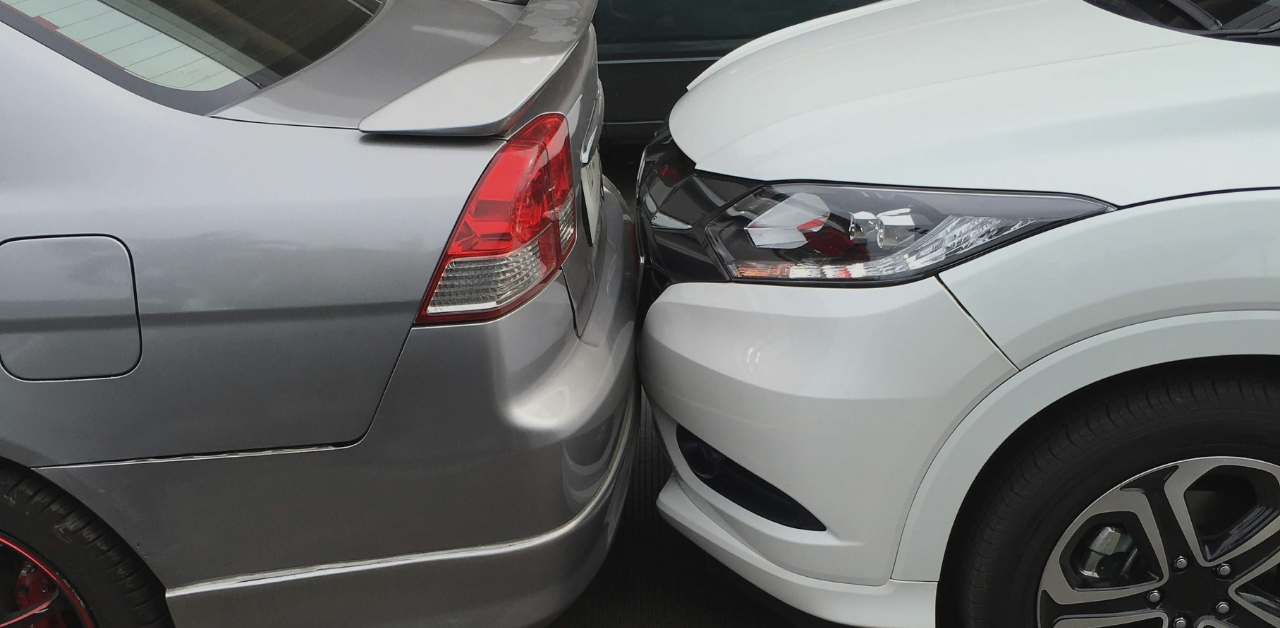
Close-up of two cars involved in a rear-end collision, showing bumper impact damage in a parking area

Who Is Wrong in a Head On Collision?

A head-on collision is one of the most frightening and dangerous types of car accidents. These crashes often occur when two vehicles traveling in opposite directions collide head-on, usually because one driver crosses the center line, drives into the oncoming lane, or travels the wrong way on a road or one-way street. According to Forbes, these types of accidents accounted for an estimated 3,631 deaths in the United States. Assigning blame in these collisions is paramount for victims striving to secure rightful compensation for their losses. Determining liability is vital not just for lodging claims but also for holding the negligent party responsible. So, who is wrong in a head-on collision? In many cases, the at-fault driver is the one who crossed into oncoming traffic or drove in the wrong direction. However, determining fault is not always simple. At Recovery Law Center, Attorney Glenn Honda brings over 25 years of personal injury experience to car accident cases. If you were injured in a head-on crash, understanding fault is one of the first steps toward protecting your rights and pursuing compensation. This article will explain how fault is assessed and what you need to know if you're involved in such an accident. Who Is Usually at Fault in a Head-on Collision? In most head-on car accidents, fault often points to the driver who left their proper lane and entered the opposite lane or the oncoming traffic lane. This may happen when a driver crosses the yellow line, drifts over the center line, turns the wrong way, or drives against traffic. A driver may be considered negligent if they caused a head-on crash by: Driving the wrong way Entering a one-way street from the wrong direction Crossing the center line or the yellow line Moving into the opposite lane to pass unsafely Losing control because of reckless driving Driving while distracted, impaired, or overly tired Ignoring road signs or traffic signals However, the fault in a head-on collision depends on the facts. For example, a driver may cross into oncoming traffic due to a tire blowout, mechanical failure, poor road conditions, or another vehicle forcing them out of their lane. That is why an in-depth investigation is often necessary. Insurance companies may try to make fault seem unclear, especially when severe injuries and high medical bills are involved. A personal injury attorney can help review the evidence and determine whether the other driver, another negligent party, or multiple parties may be responsible. How Fault is Determined in Head-On Car Accidents Fault is determined by looking at whether one driver breached their duty of care and whether that breach caused the crash. In plain terms, investigators examine who acted carelessly and whether that careless action caused the collision and the injuries sustained. Several types of evidence may help prove fault in a head-on accident: Police reports: Law enforcement officers may document where the vehicles were located, what the drivers involved said, whether traffic laws were violated, and whether one driver appeared impaired or distracted. Witness statements: Witnesses may help confirm whether a driver crossed into oncoming traffic, ignored road signs, drove the wrong direction, or made an unsafe move. Skid marks and debris: Skid marks can help show whether one driver tried to brake, where the impact occurred, and which lane the vehicles were traveling in before the crash. Vehicle damage: Damage patterns from a frontal crash may help accident reconstruction experts understand how the two vehicles collided. Medical records: Medical records can connect the accident to injuries such as head trauma, broken bones, spinal cord injuries, or traumatic brain injuries. Photos and video footage: Pictures of the crash scene, road layout, lane markings, vehicle repairs, and nearby cameras can be valuable evidence. Insurance records: Insurance adjusters may review the accident, but their conclusions are not always final or fair to the injured party. A car accident attorney can help with gathering evidence, collecting evidence from third parties, reviewing police reports, and challenging unfair claims made by insurance companies. Common Causes of Head-On Collisions Several prevalent factors frequently instigate head-on collisions. Each of these causes possesses distinctive characteristics and consequences that may lead to head-on crashes. Distracted Driving Distracted driving is a major cause of head-on collisions, often with severe consequences. When drivers use cell phones, chat with passengers, or eat, they lose focus on the road. This can make them drift into oncoming traffic, leading to severe accidents. Using a cellphone while driving greatly increases the chance of crossing into the opposite lane. If a driver crosses the centerline due to distraction, they are responsible for the accident and any resulting damage. It's essential for drivers to stay focused to avoid these dangerous situations. Impaired Driving Impaired driving is a major cause of head-on collisions. Alcohol and drugs seriously mess with a driver’s judgment, coordination, and reaction times, making it more likely they'll drift into oncoming traffic. Speeding and driving under the influence are common behaviors leading to these crashes. Fatigue and Drowsy Driving Tired driving is a big cause of head-on crashes. When drivers are exhausted, they struggle to stay alert and control their cars, making it easier to drift into oncoming traffic. Drivers need to recognize when they're tired and take action, like taking breaks or not driving, to avoid these dangerous situations. Determining Fault in Various Scenarios Assigning blame in head-on collisions can differ depending on the specific circumstances. Aspects such as wrong-way driving, poor road conditions, and mechanical breakdowns all factor into assigning blame. Wrong-Way Driving Wrong-way driving is a usual cause of head-on collisions, and the driver moving in the wrong direction is generally deemed at fault. Disregarding road signs or driving under the influence are frequent reasons for such errors. Head-on collisions frequently occur when a driver crosses the centerline or moves the wrong way down a one-way street. Liability might be divided when a vehicle is forced into oncoming traffic due to another accident. However, the wrong-way driver typically shoulders the majority of the responsibility. Road Conditions and Design Substandard road conditions and design can also contribute to head-on collisions. Factors such as driver negligence, poor road maintenance, and vehicle defects hamper drivers’ ability to see oncoming traffic. Insufficient road signage and blind curves on ill-designed roads heighten collision risks. Parties accountable for road maintenance might share some blame if substandard road conditions contributed to the accident. A thorough investigation is required to identify the extent of their liability. Mechanical Failures Mechanical breakdowns, like tire blowouts or steering defects, can cause head-on collisions and divert blame from the driver. Abrupt medical emergencies or vehicle defects can lead a driver to lose control and swerve into oncoming traffic. In such instances, the manufacturer or maintenance provider could be held accountable. Investigations into these breakdowns are vital to ascertain whether vehicle maintenance or manufacturing negligence was a factor. This can aid in shifting the blame from the driver to the liable party. Collecting Evidence to Prove Fault Gathering evidence helps prove fault in head-on collisions. The following types of evidence are fundamental in determining liability: Crash reports Witness statements Accident scene investigations Medical records In addition, it is important to collect photos of the accident scene immediately. These include front-end damage and skid marks. Importance of the Police Report A police report is crucial in head-on collision cases. Officers investigate the crash, take photos, and record contributing factors. This report helps prevent the guilty driver from exaggerating details or damages and provides an official account of the incident. Witness Testimony and Expert Analysis Witness testimony and expert analysis are important in determining who’s at fault in an accident. Here’s how they help: Eyewitnesses can give unbiased accounts of what happened. Accident reconstruction experts look at things like speed and direction to recreate the accident. This helps them figure out what caused the collision. Visual evidence from witnesses or cameras can back up these findings. Injuries Sustained in Head-On Collisions Grave injuries from head-on collisions often include head injuries, traumatic brain injuries (TBIs), spinal cord injuries, and broken bones. These can have long-term effects and require extensive medical care. TBIs might cause symptoms like unconsciousness, coma, and behavior changes. Spinal cord injuries can lead to: Partial or full paralysis, causing loss of mobility and severe pain Blunt-force trauma leads to internal bleeding and damage to vital organs Chest injuries from hitting the vehicle's interior or outside forces Facial and dental damage, causing disfigurement and broken bones Whiplash from sudden head movements, leading to soft tissue damage and ongoing pain These injuries highlight the importance of the following: Getting immediate medical help Following treatment plans Supporting personal injury claims Recovering fully Can Both Drivers Be Partly at Fault? Yes. In some personal injury cases, both drivers involved may share fault. While one driver may have crossed into oncoming traffic, the other driver may have been speeding, distracted, or failed to react reasonably under the circumstances. For example, fault may be shared if: One driver crossed the center line while the other driver was speeding. One driver was going the wrong way, but the other driver was distracted and failed to brake. Both drivers made unsafe moves on a narrow road. One driver lost control, while the other driver ignored warning signs or traffic signals. Insurance companies often use shared fault arguments to reduce the amount they must pay. They may claim that the injured party had enough time to avoid the crash or contributed to the accident in some way. This is one reason it is important to speak with a personal injury attorney after a serious head on accident. A lawyer can review the evidence, respond to insurance adjusters, and help protect you from being blamed unfairly. What Compensation May Be Available After a Head-on Crash? If another driver caused your accident, you may be able to recover compensation through a personal injury claim. The amount available depends on the facts of your case, the severity of your injuries, the insurance coverage involved, and how clearly fault can be proven. Compensation may include: Medical bills Future medical expenses Lost wages Reduced earning ability Vehicle repairs or replacement Rehabilitation costs Pain and suffering Emotional distress Long-term disability Loss of enjoyment of life Out-of-pocket expenses related to the accident Head-on car accidents often involve major losses. A person may be unable to work, need ongoing medical treatment, or require help with daily activities. In serious cases involving traumatic brain injuries or spinal cord injuries, the injured party may need long-term care. A personal injury attorney can help calculate the full value of your damages so you do not accept less than your case may be worth. Hire a Personal Injury Attorney After a Head-on Collision Determining fault in head-on collisions is a complex but essential process for securing compensation for personal injury claims. Understanding the causes, gathering evidence, and knowing the legal steps with the help of a personal injury attorney can make a significant difference. With our experience in head-on collision cases and other personal injury cases, Recovery Law Center can guide you through these challenges and help you achieve the best possible outcome. Schedule a consultation today to discuss your case and start the journey toward recovery and justice.