Blog / Premises Liability

Woman Allegedly Injured in a Store Files Premises Liability Claim

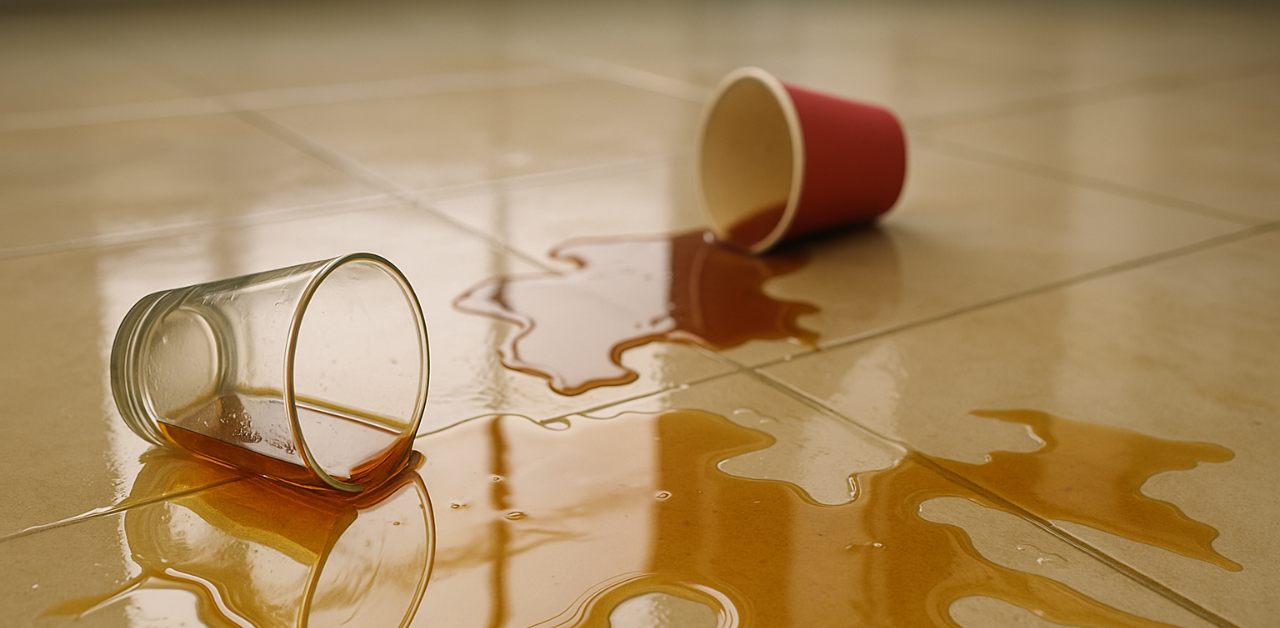
Two cups spill liquid across tile floor, creating a slip and fall hazard in a public indoor space
For business and property owners, the best ways to prevent accidents from happening involve maintaining properties and removing potential hazards. Things such as poor lighting, unattended items left in aisles, and slick floors are accidents waiting to happen that could cause injury to customers. According to laws in Hawaii, property and business owners may be held liable when hazardous conditions cause injuries to visitors.A quick stop at a big‑box home‑improvement store ended in a hospital visit for one shopper. The woman, now a plaintiff in a new lawsuit, says a heavy steel platform cart was left in the middle of an aisle with no warning cones or a store employee nearby. She tripped, fell, and suffered physical injuries. Her injury claim argues that the store breached its duty to keep customers safe and should be held liable for her medical bills, lost wages, and other financial losses.While this incident happened on the mainland, it mirrors problems in retail stores across Hawaii. State law lets an injured customer sue when a property owner fails to use reasonable care to fix or warn about a dangerous condition. Understanding how these cases work can help both shoppers, businesses and property owners avoid the next fall accident.

The Legal Duty to Maintain Safe Premises in Hawaii

Hawaii follows a “duty of care” rule: owners must keep their premises in a condition that will not harm visitors who are using the property in an ordinary way. Courts look at whether the defendant knew—or should have known—about a hazard and failed to act. If so, the owner can face premises liability claims for any serious injuries that result.Unlike some states, Hawaii focuses on the hazard, not the visitor’s label as invitee or licensee. A store that leaves a spill on the floor or a cart blocking an aisle may be liable even if another customer made the spill. The key question is whether the store owner took reasonable care to inspect and fix the danger or at least warn customers.

Retail Hazards That Lead to Slip‑and‑Fall Accidents

Every year, more than one million Americans go to emergency rooms after a slip and fall accident. Common trouble spots in stores include:
  • Slick floors from spilled drinks, recent mopping, or rainwater at entrances
  • Poor lighting in parking lots, stairwells, or stock aisles
  • Unattended items such as boxes, ladders, or platform carts—like the one that allegedly injured the woman
  • Torn or uneven floor mats and cracked pavement
  • Loose electrical cords or floor plates
Any of these can turn a normal shopping trip into a life‑changing incident.

How an Injured Party Proves a Premises Liability Claim

To win a premises liability suit, the injured party must show four elements:
  1. Duty – The store owed a duty to keep the area reasonably safe.
  2. Breach – The store failed to protect customers by letting the hazard exist.
  3. Causation – The breach caused the injuries.
  4. Damages – The person suffered losses such as medical care costs or time off work.
In the cart case, the woman claimed there was no safe way around the cart and no posted warnings. Photos, witness statements, security video, and maintenance logs often help prove these points.

Possible Compensation After a Store‑Related Injury

Store worker helps injured woman on aisle floor after slip and fall accident near caution signA successful liability claim can cover:
  • Medical bills for emergency treatment, surgery, therapy, and future care
  • Lost wages and reduced earning ability
  • Out‑of‑pocket costs like travel to doctors
  • Pain, suffering, and loss of enjoyment of life
  • In rare cases, punitive damages may be awarded if the company shows reckless disregard for safety
The woman in the headline case seeks both compensatory and punitive damages, arguing the store’s conduct was more than mere carelessness.

Why Hazards Persist: Common Store‑Owner Missteps

Stores are busy places, but safety should never take a back seat to sales. Owners often get sued because they:
  • Skip regular aisle inspections during peak hours
  • Lack of clear policies for cleaning spills or moving stock
  • Rely on understaffed crews, so hazards sit unchecked
  • Fail to train workers to warn customers in plain language
Good policies, clear checklists, and prompt cleanup reduce potential hazards and legal exposure.

Practical Safety Steps for Business and Property Owners

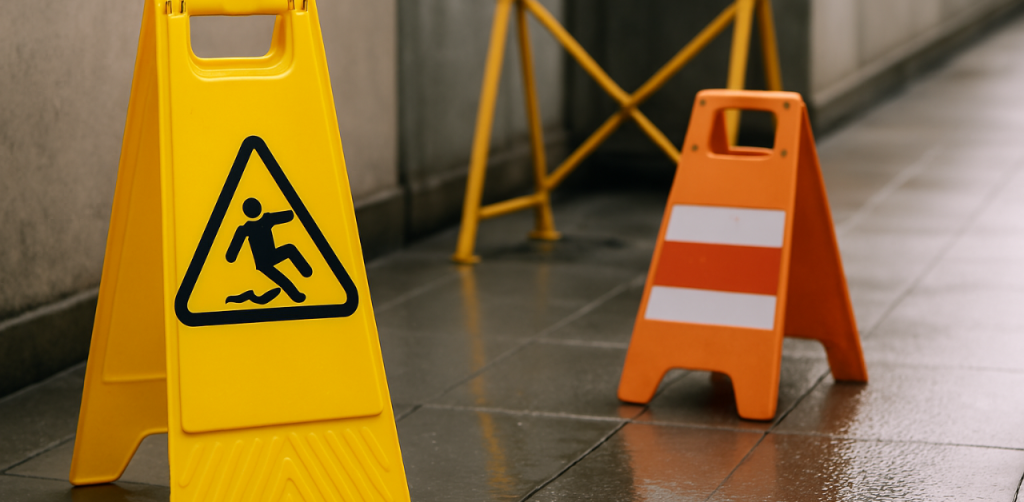
Wet floor warning signs placed on a shiny tile hallway to alert pedestrians of a slip and fall hazardOwners who want to avoid the courtroom should:
  1. Inspect frequently – Walk the aisles every 30–60 minutes and log findings.
  2. Fix fast – Remove tripping items or block the area until safe.
  3. Post warnings – Bright, simple signs near wet floors or work zones.
  4. Light well – Replace burned‑out bulbs indoors and in parking areas.
  5. Train staff – Teach workers how to spot and report hazards right away.
  6. Document – Keep maintenance and inspection records to help determine what happened if an accident occurs.

Steps Shoppers Should Take After a Fall

If you are allegedly injured in a store:
  1. Report it to a store employee or manager immediately.
  2. Document the scene with photos or video, including the hazard.
  3. Gather names of witnesses and employees who saw the incident.
  4. Seek medical care even if pain seems minor—some injuries appear later.
  5. Keep receipts and track missed work for your injury claim.
  6. Consult counsel to learn your rights before speaking with insurance adjusters.
Quick action helps preserve evidence and supports a fair compensation request.

Why These Cases Matter

Falls can cause fractures, head trauma, and other long‑term problems. About 5 percent of people who fall suffer a fracture. For older adults, a broken hip can mean a year or more of limited mobility and steep medical bills. When a property owner ignores apparent dangers, the law shifts the legal responsibility for those costs from the victim to the party who could have prevented the harm.

The Takeaway for Hawaii Businesses and Shoppers

For business and property owners: routine checks, clear warnings, and prompt cleanup are the cheapest insurance against lawsuits. For customers: stay alert, but know that if a store’s carelessness causes harm, Hawaii law gives you tools to seek relief.The woman’s case against the home‑improvement giant sends a clear message: leaving a steel cart in a busy aisle is not just sloppy—it may be negligence. By learning from this event, island businesses can keep aisles clear, floors dry, and shoppers safe, turning potential court dates into repeat customer visits instead.If you or someone you know has been injured in a store or on someone else’s property, don’t wait. Our personal injury lawyers in Honolulu at Recovery Law Center have helped many people across Hawaii pursue premises liability claims. We understand how a simple trip to the store can turn into months of pain, missed work, and mounting medical bills—and we’re here to help you get back on track. Schedule a consultation.
Posted in:

Related Posts

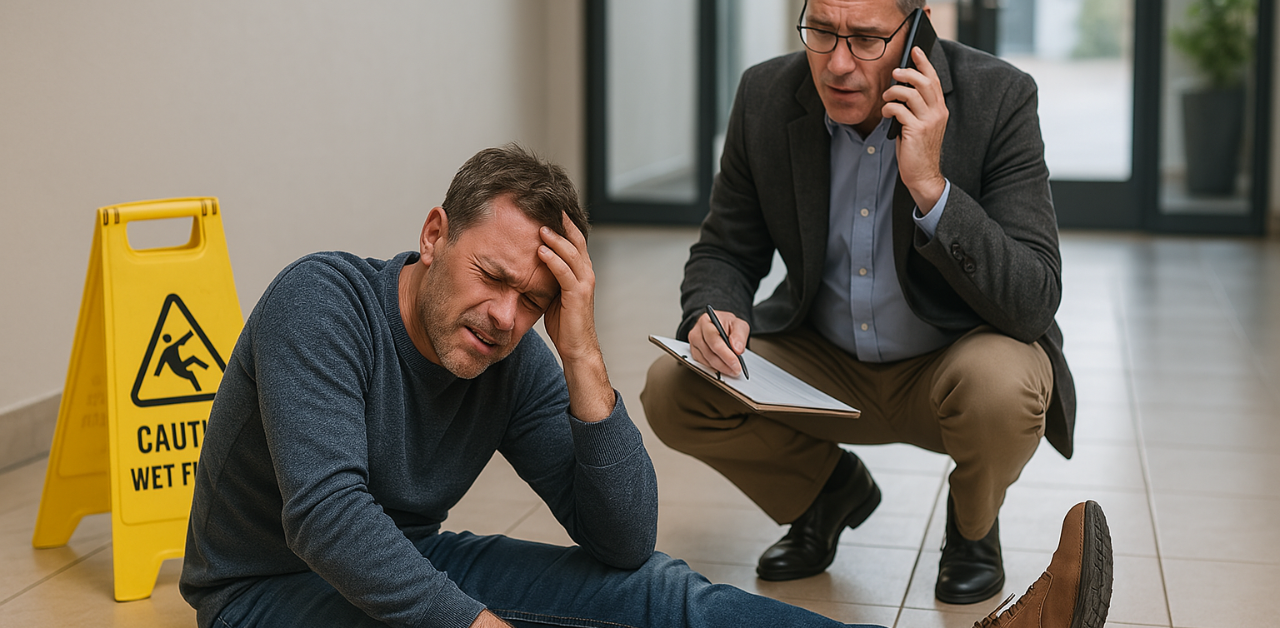
Injured man sits near “Caution Wet Floor” sign as another man makes a call and takes notes after a slip and fall

Fall at a McDonald's Leads to Premises Liability Claim

Falls are not rare. In 2022 alone, 46,653 people in the United States lost their lives after a fall, according to Statista. This makes falls one of the three leading causes of preventable death.​ Millions more suffer non‑fatal fall injuries, including more than 14 million older adults each year.​ When a slip and fall accident happens, the law gives injured customers the right to seek fair compensation through a premises liability claim. Recovery Law Center’s Honolulu team has guided many clients through this legal process. If you suffered injuries in a McDonald’s slip and fall, schedule a free consultation with our experienced personal injury attorneys today. McDonald’s Parking‑Lot Lawsuit In July 2018, an individual filed a lawsuit against a McDonald's restaurant operator alleging negligence. The plaintiff claimed to have slipped and fallen on an unnatural accumulation of ice and snow in the restaurant's parking lot, resulting in injuries to the back and shoulder. The lawsuit asserted that the defendant failed to maintain the parking area properly. The plaintiff sought damages exceeding $50,000. Although the case arose on the mainland, the same premises liability principles apply in Hawaii: property owners must correct dangerous conditions or warn guests about them. Hawaii Premises Liability Basics Hawaii's courts have long held that an occupier of land has a duty to use reasonable care for the safety of all persons reasonably anticipated to be on the premises. To win a slip and fall case, an injured visitor must show: A dangerous condition (wet floors, uneven surfaces, broken tiles, greasy floors, etc.). The owner knew or should have known about the hazard. The owner failed to fix the hazard or post clear warning signs. The hazard caused the injuries sustained and resulting losses. Common Slip and Fall Incidents in Fast‑Food Restaurants Slip and fall incidents in the fast‑food industry stem from a variety of dangers: Greasy floors near fryers and drink machines Wet floors from mopped areas without warning signs Uneven surfaces or broken tiles at entrances Poor lighting in parking lots and walkways Ice or puddles created by defective gutters or freezers Loose floor mats that bunch or slide Clutter such as boxes, tools, or spilled condiments Any of these conditions can cause serious injuries, including head injuries, soft‑tissue injuries, or spinal cord injuries. Proving Negligence in a Slip and Fall Claim Building a strong slip and fall case requires quick, organized action: Incident report – Ask the manager to create a written report and request a copy. Witness statements – Collect names and contact information of anyone who saw the fall. Photos and video – Use a phone to capture the dangerous condition before the staff cleans it. Medical records – Seek medical attention immediately; prompt treatment ties injuries to the incident. Preserve footwear and clothing – They may contain residue showing slippery surfaces. Track expenses – Keep bills for emergency care, physical therapy, and any extensive medical treatment. Lost‑wage proof – Gather pay stubs or employer letters showing income you missed. Consult a fall attorney – An experienced personal injury attorney can send preservation letters to secure security‑camera footage and maintenance logs. These steps help prove negligence and link physical pain, emotional distress, and medical expenses to the dangerous condition. What Damages Are Available? A successful slip and fall claim can recover: Medical expenses – ambulance, hospital stays, surgery, rehabilitation Future care costs – ongoing therapy, adaptive equipment, home modifications Lost wages – income missed during recovery and reduced earning capacity Pain and suffering – physical pain and emotional distress Out‑of‑pocket costs – travel to appointments, prescription co‑pays Punitive damages (in rare cases) – when conduct shows reckless disregard for safety Fair compensation reflects both immediate bills and long‑term needs. Hawaii‑Specific Rules You Should Know Two‑year statute of limitations – Most personal injury claims in Hawai‘i, including slip and fall cases, must be filed within two years of the fall incident. Comparative negligence – If you are partly at fault—for example, walking while texting—your award is reduced by your percentage of fault, but you can still pursue compensation unless you are 51 percent or more responsible. Notice requirement – You must show the owner knew or should have known about the hazard. Constructive notice can be proven through maintenance logs, weather data, or the length of time the hazard existed. Missing deadlines or failing to gather evidence early can jeopardize your fall settlement. Steps to Take After a Slip and Fall Accident in Hawaii Seek medical attention immediately. Delayed care can worsen injuries and weaken your claim. Report the fall accident to the property owner or manager before leaving the scene. Document everything. Take pictures, keep clothing, and note the time and weather. Avoid social media posts about the fall injuries or the legal process. Insurers scour public profiles. Speak to a personal injury attorney before giving statements to insurance adjusters. Follow all treatment plans to show you are serious about recovery. Keep a pain journal to track daily limitations and emotional impact. These actions can make all the difference in securing a fair settlement or winning at trial. How Recovery Law Center Helps Injured Visitors and Residents Our law firm has a strong track record representing people hurt by unsafe premises. When you hire our fall lawyers, we will: Investigate quickly, preserving video and maintenance records. Work with medical experts to document the full extent of your injuries sustained. Handle all insurance claim negotiations while you focus on healing. Prepare every case for trial to push for maximum compensation. Advance costs so you pay nothing upfront. We only get paid when you receive fair compensation. Injured in a Slip and Fall? Call Recovery Law Center Slip and fall accidents may seem minor at first, but they often lead to severe injuries, extensive medical treatment, and months of lost income. If a dangerous condition in a fast‑food restaurant or any property caused your injuries, Hawaii law gives you the right to pursue compensation. Let Recovery Law Center put its experience to work for you. Call our office or complete our online form today to schedule your free consultation with an experienced slip and fall attorney. We will fight to hold negligent property owners accountable and help you receive the fair settlement you deserve.

Premises-Liability-Suit-Against-McDonalds

Premises Liability $1M Suit Against McDonald's Settled

Customers should not have to be concerned with personal safety when shopping or visiting stores and restaurants. Business and property owners in Hawaii should always welcome visitors with a safe environment. Premises liability laws in the state of Hawaii and across the country say that property and business owners are responsible for the safety and protection of all visitors lawfully on their property. However, things like tools or water left on the floor from routine maintenance can turn into dangerous hazards that have the potential to cause injuries to customers. A woman and her child recently settled a lawsuit against a McDonald's restaurant in another state after a fall in the restaurant resulted in injuries. According to the lawsuit, the woman and her child visited the restaurant and encountered water on the floor. The woman claimed the water caused her child to slip and fall. The fall resulted in injuries to the child, the lawsuit claimed. The alleged injuries included right arm and right elbow injuries, as well as injuries to the child's knee and general body soreness. The lawsuit alleged that even though employees were aware of the potential hazardous condition, there was no signage displayed to warn customers. The lawsuit was recently settled out of court. The plaintiffs sought $1 million in damages. When hazardous conditions on a property result in injuries to legal visitors, business and property owners can be held liable. Those in Hawaii who suffer injuries due to the hazardous conditions on a property may be able to file a premises liability lawsuit. A successful claim could result in much-needed compensation to cover medical expenses and other financial damages accrued due to injuries. Source: setexasrecord.com, " Slip & fall against Beaumont McDonald's settles before trial, plaintiffs sought $1M in damages ", David Yates, April 2, 2018 Visit our Premises Liability Lawyer Office in Honolulu, HI Premises Liability Lawyer Office in Waipahu, HI