Blog / Boating Accident

Blog

All Boating Accident Car Accidents Personal Injury Moped Accidents Motorcycle Accidents Pedestrian Accidents Truck Accidents Bicycle Accidents Our Firm Premises Liability Community Honolulu Auto Accident News
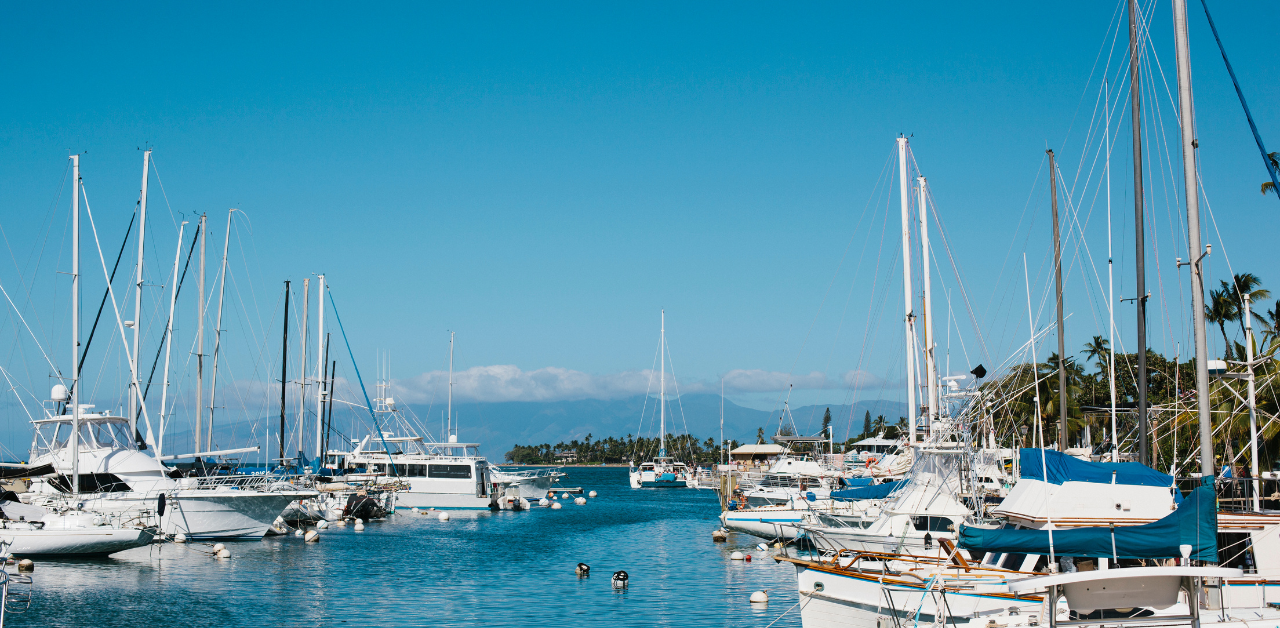
A peaceful marina filled with docked sailboats and yachts under a clear blue sky

Can You Drink While Driving a Boat in Hawaii?

The short answer is no. Operating a boat while under the influence of alcohol or drugs is illegal and carries real legal consequences. Hawaii law treats boating under the influence much like driving a car impaired. It’s not only unsafe but can lead to jail time, license suspension, and serious penalties. Boating accidents caused by drunk boaters happen all too often. Alcohol is a major factor in many deadly boating crashes. It impairs your judgment, slows down your reactions, and increases the risk of getting hurt or worse. Boating laws are in place to keep everyone safe. If you’ve been in a boating accident or are facing charges, the team at Recovery Law Center can help you understand your rights and what’s next. Knowing the rules before you head out can help protect you, your passengers, and others on the water. Drinking and Boating in Hawaii: What the Law Says About Safety and Penalties Hawaii law clearly states that it is illegal to operate a watercraft while impaired. Boating under the influence is a serious crime that comes with steep legal consequences. It doesn’t matter if you’ve had just one beer. If your blood alcohol content is over the legal limit, you can be charged. The Coast Guard and state officers regularly patrol the waters to keep impaired boaters off the water. Just like on land, alcohol affects your balance, vision, and coordination. All of these are critical when steering or docking a boat. Reaction time is slower, and decision-making is poor. These effects become a contributing factor in boating fatalities and severe accidents. Law enforcement may stop your vessel at any time. They’ll check for signs of impairment and can conduct field sobriety tests. If they determine you're under the influence, consequences may include suspension of your boating rights, fines, and jail time. In cases where injury or death occurs, penalties can increase significantly. Boating Safety Course: Why It Matters for Legal and Safe Boating Taking a boating safety course is a way to protect yourself and others. These courses are built to educate boaters using real-world examples and proven safety practices. Here’s how they help: Understand how alcohol and drugs impair judgment. Courses explain how alcohol affects reaction time, coordination, and decision-making on the water, which are factors directly linked to boating accidents and fatal boating accidents. Learn how to wear and use a life jacket properly. Instructors demonstrate how a life jacket should fit and why wearing it at all times is critical for survival during unexpected events. Prepare for emergencies and unexpected weather. You’ll get training on what to do if your watercraft breaks down, someone falls overboard, or the weather shifts suddenly. Know the legal consequences of unsafe boating. The course breaks down Hawaii’s boating laws, including how operating under the influence can result in penalties, suspension, or jail time. Understand why boating under the influence is dangerous. You’ll learn that heat, sun, and motion intensify the effects of alcohol, making boating more risky than drinking on land. Show responsibility and commitment to safe boating. Completing a safety course signals that you take boating safety seriously and are making an effort to protect yourself and others on the water. May reduce liability in case of a boating accident. If an accident occurs, having taken a course could help show that you followed recommended safety steps, which may help your case. Courses are available online or in person. You can choose a format that works for your schedule, making it easier to complete the training before operating a boat. What Happens If You’re Caught or Hurt in a Boating Accident? If the Coast Guard or police stop you and show signs of impairment, you may be tested. Officers use field checks and may request a blood alcohol sample. If they find your BAC is too high or that your behavior shows poor judgment, charges will follow. Boaters caught under the influence may face: Criminal charges Suspension of their license Mandatory drug or alcohol courses Jail time If someone else was hurt, you may also be sued in civil court. On the other side, if you’ve been injured because someone else was drinking and driving a boat, you may have a right to compensation. Victims can often recover money for medical treatment, time off work, and pain caused by the crash. At Recovery Law Center, we support those affected by careless boating. If you or a loved one suffered due to someone drinking on the water, we’re ready to help explain your legal options. Your safety shouldn’t be put at risk by someone else's poor decisions. Safe Boating Means Sober Boating Boating is a great way to enjoy Hawaii’s waters, but safety must come first. The answer to Can you drink while driving a boat in Hawaii is clear: you shouldn’t, and legally, you can’t. Even small amounts of alcohol can make boating dangerous and unpredictable. Impaired boaters risk not only legal consequences but also the lives of every person on board. Every year, fatal boating accidents occur due to impaired judgment. The Coast Guard and local officers are trained to look for signs of boating under the influence. Wearing a life jacket, staying sober, and completing a boating safety course are simple steps that can help you stay safe. At Recovery Law Center, we work with people who’ve been involved in boating accidents or charged with violations. If you're facing trouble on the water or have questions about how Hawaii laws apply to your situation, we’re here to help you understand the process. Contact us today to schedule a consultation online. Know the law and protect yourself and others.
Who-Is-Liable-for-a-Parasailing-Accident-in-Hawaii-scaled

Who Is Liable for a Parasailing Accident in Hawaii?

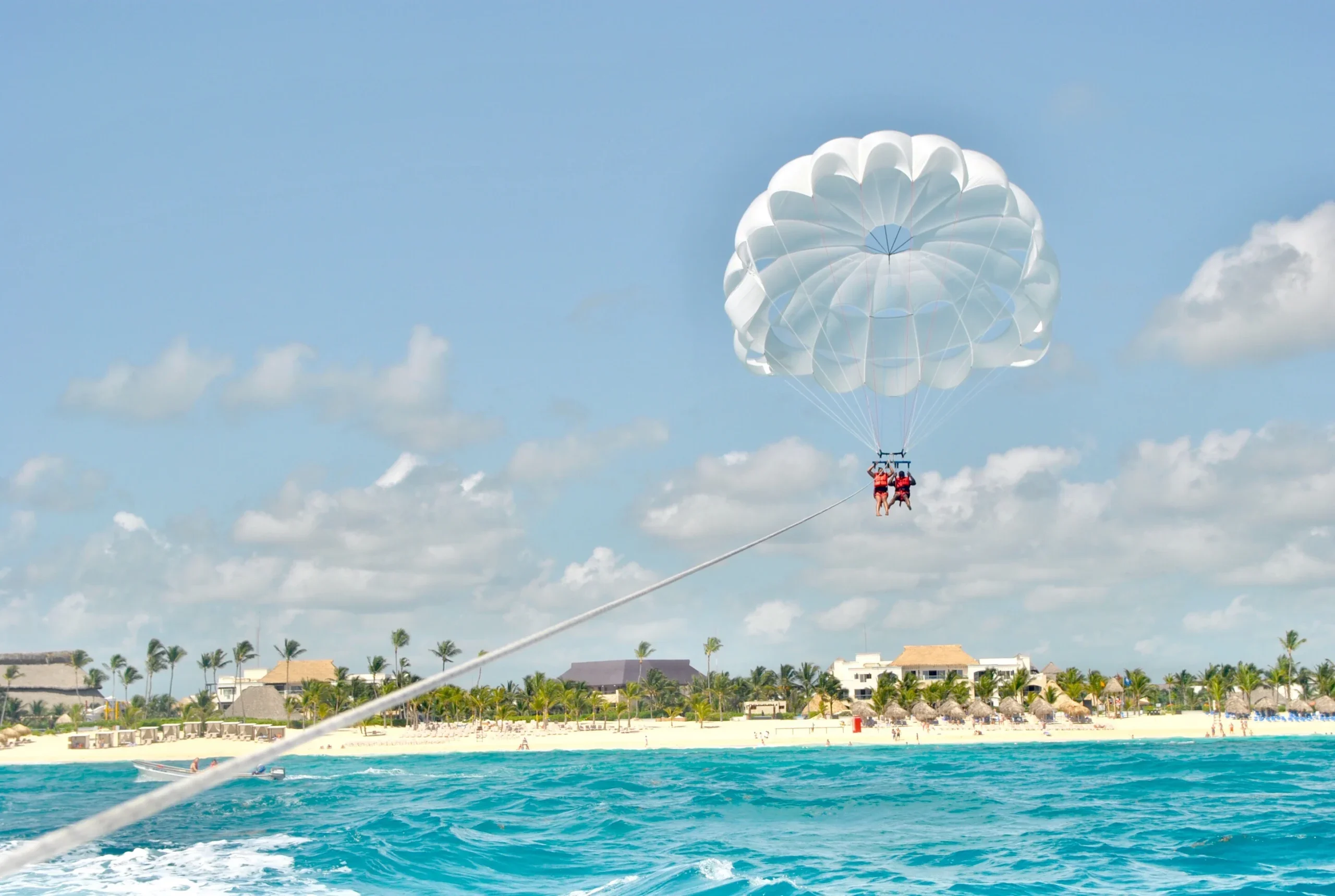
Parasailing is a wildly popular recreational activity throughout Hawaii that involves pulling leisure-seekers or thrill-seekers behind boats on parasail wings. Once someone is harnessed in, they're connected to the boat via a towline and are left to their own devices, with very little to no control over the contraption they're in. Generally, there is very little to no guidance or training. Aircraft accidents can lead to serious or even catastrophic injury. Liability often depends on the facts: who operated the equipment, whether safety measures were followed, and what caused the harm. Victims may be eligible to file a personal injury claim if negligence played a role. That could mean an operator ignored weather warnings, failed to maintain equipment, or lacked proper training. If you or a loved one suffered injuries during a parasailing trip in Hawaii, you may be entitled to seek compensation. At Recovery Law Center, we help individuals injured during recreational and entertainment activities understand their rights. Parasailing accidents can lead to serious or even catastrophic injury. We offer a free consultation to review your situation and explain your legal options clearly and directly. Understanding Liability for Parasailing Injuries and Other Hawaii Recreation Accidents Liability in recreational accidents, including parasailing, centers on whether a person or company failed to act with reasonable care. Operators must provide safe equipment, trained staff, and follow state regulations. When that duty is breached and someone is hurt, a personal injury claim may be possible. Parasailing accidents in Hawaii involve complex factors, like: Boat safety Equipment condition Weather Operator decisions Liability could also extend to the boat’s owner, the company offering the activity, or even manufacturers if a defective part failed. In some cases, property owners may be responsible under premises liability law if the takeoff or landing area was unsafe. When recreational activity injuries occur, identifying liable parties takes careful review of records, reports, and procedures. At Recovery Law Center, we help injury victims examine the facts to determine if they have grounds to file a claim. We also deal with insurance adjusters and guide clients through the legal process. Common Injuries Caused by Parasailing Accidents and Other Recreational Activity Injuries Parasailing accidents can lead to a range of injuries, from minor cuts to life-altering harm. Common injuries include: Spinal cord injuries Traumatic brain injuries Broken bones Deep lacerations In severe cases, victims may suffer long-term disability or even wrongful death. The high altitudes and sudden force involved in parasailing can result in a fall accident, especially if the harness fails or the tow line breaks. Other recreational activity injuries occur in similar ways, whether on jet skis, body surfing, or trail riding. Accidents involving defective equipment, poor training, or improper supervision often cause more serious injuries. Catastrophic injury may require months or years of medical care, rehabilitation, and support. Victims may lose wages while recovering and face mounting medical bills. That’s why it’s important to take these cases seriously. An experienced personal injury lawyer works with clients to gather medical records, document injuries caused by negligence, and pursue full and fair compensation under Hawaii law. How Liability Laws Apply in Hawaii’s Recreational Accidents and Parasailing Lawsuits Hawaii law doesn’t treat recreational injuries as just bad luck. If a company or person was careless and that caused the injury, the law may allow for a personal injury claim. These cases depend on showing that the other party failed to act with reasonable care under the situation. In parasailing accidents, operators are supposed to follow rules set by Hawaii’s boating and recreational divisions. They must stay in approved areas, have the right permits, and avoid operating in poor weather. Launching during high winds or ignoring weight limits can make the company responsible if an accident happens. Accidents occurring because of these mistakes may qualify for compensation. Hawaii also recognizes assumption of risk, but this does not protect a business if they were negligent. Signing a waiver doesn’t mean you give up your right to sue if the company made serious errors. Inadequate training, unsafe equipment, and ignoring warnings all go beyond what a waiver covers. At Recovery Law Center, we’ve seen how recreational and entertainment activities go wrong when companies cut corners. These cases are not about blaming someone for having fun, but about asking whether your injury could have been avoided if proper care had been taken. That’s the standard the law applies, and so do we. Who Might Be Liable: The Main Liable Parties in a Parasailing Accident in Hawaii More than one party can be at fault in a parasailing accident. Depending on the facts, there may be several people or companies that share legal responsibility for what happened. The most obvious party is the parasailing operator. This includes the company and the staff who control the boat, prepare the gear, and guide the flight. If they failed to inspect the equipment, launched during bad weather, or ignored weight and age rules, they may be responsible for the accident. The boat owner may also be liable. In some cases, the operator leases the boat from another party. If the owner failed to maintain the vessel or ignored its mechanical issues, they may have contributed to the injury. Manufacturers of faulty equipment may also be liable. If the harness, winch, or tow line fails due to a design or production problem, that opens the door to a product liability claim. These kinds of failures are rare but serious. Finally, property owners may be responsible if the injury happened due to unsafe conditions at the launch or landing site, such as wet docks, uneven boards, or a lack of railings. Steps to Take After You Suffer Injuries in Parasailing or Hawaii Recreation Accidents When you’re injured during a parasailing ride or any other recreational activity, the steps you take immediately after can make a big difference in your recovery, both physically and financially. Get medical help. Even if the injury doesn’t seem serious, it’s important to get checked out. Some injuries, like traumatic brain injuries, don’t show symptoms right away. Keep all medical records and bills. Report the incident. Make sure the company is aware, and if needed, contact the appropriate agency in Hawaii that regulates boating accidents and water sports. Get a copy of the report or a statement confirming your complaint. Collect evidence. Take photos of the scene, the gear, and your injuries. If there were witnesses, get their contact information. Save emails, waivers, or receipts from the parasailing company. Contact a personal injury lawyer who handles Hawaii recreation accidents. These cases can be complicated, especially when insurance adjusters get involved. A boating accident lawyer can help protect your rights, handle the paperwork, and deal with the insurance company. At Recovery Law Center, we guide clients from the moment the injury happens until the case is closed. Whether your injury came from playing tourist or trying something new, you deserve answers. Every accident victim has the right to ask for fair compensation when their injury was preventable. What Compensation Might Be Available in a Parasailing Accident Claim in Hawaii? In Hawaii, if you’re injured in a recreational accident like parasailing and someone else is at fault, you may be entitled to financial recovery. This means you can file a personal injury claim to cover both direct expenses and other ways the injury affected your life. The most common compensation includes medical care. This covers hospital stays, follow-up visits, therapy, medications, and future treatment if your condition lasts. If you miss work, you may also claim lost wages, including loss of future income if your ability to work is permanently affected. For those dealing with catastrophic injury, spinal cord injuries, or traumatic brain injuries, long-term costs can be enormous. The law also allows recovery for pain and suffering, emotional distress, and impact on daily life. In cases of wrongful death, surviving family members may seek damages for funeral expenses and the loss of the person’s income, support, and care. The amount you can recover depends on the details of your case. These include: Who was liable The extent of the injuries Whether insurance company coverage applies Recovery Law Center helps injured clients seek maximum compensation under the law. We handle communication with insurance adjusters, prepare your documentation, and aim to make sure your recreational accident claim is supported with strong evidence and filed within all legal deadlines. Issues That Can Challenge a Claim in Hawaii Parasailing Cases Not every injury during parasailing will lead to a successful claim. Several issues can make these cases more difficult, especially when insurance companies try to avoid paying out. One of the biggest challenges is the waiver. Most companies ask participants to sign a release form. While these waivers may limit specific claims, they don’t protect businesses from all responsibility. If your injury happened due to inadequate training, unsafe equipment, or careless decisions, the waiver might not block your right to compensation. Another issue is the statute of limitations. In Hawaii, there are strict deadlines for filing a personal injury claim. Missing this deadline can result in your case being thrown out, no matter how strong the facts are. Sometimes, the defense may argue that you caused your own injury. This is called comparative fault. Even if you’re partially at fault, you may still recover damages, but your total award could be reduced based on your share of responsibility. At Recovery Law Center, we understand how insurance adjusters and defense lawyers think. We work to counter weak arguments and focus on facts. If accidents involving parasailing or other recreational activities occur due to someone else’s mistake, we help our clients get the fair compensation they need and deserve. Call Recovery Law Center and Take Action After a Recreational Accident in Hawaii Parasailing should be a fun and safe experience. But when something goes wrong, you’re left wondering who is liable for a parasailing accident in Hawaii. At Recovery Law Center, we help people who were injured during recreational and entertainment activities across Hawaii. We listen to your story, gather the facts, and explain whether you have a case. Our team takes care of the legal process, from handling paperwork to negotiating with the insurance company. Whether your injuries occurred while body boarding, jet skiing, or parasailing, we are here to support you, if you’ve suffered injuries through no fault of your own, our law firm offers a free consultation to help you understand your rights. We believe that accident victims deserve to know their options and, when appropriate, pursue full and fair compensation. Contact us today to talk with our personal injury attorney about your case.

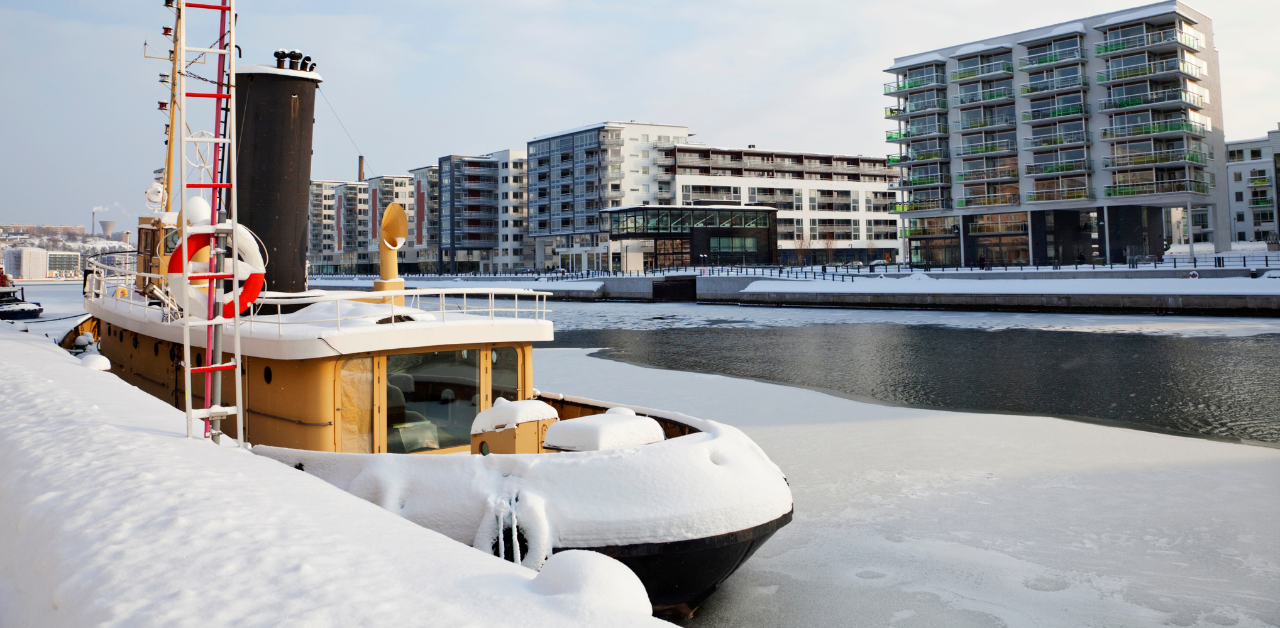
Snow-covered boat docked in a frozen urban harbor surrounded by modern apartment buildings

What To Know Before Boating After Dark in the Winter

Boating in the winter months brings risks, especially after dark. The combination of cold air, reduced visibility, and cold water increases the chances of injury. Winter fishing or nighttime boating can feel peaceful, but unexpected weather, temperature drops, or boat trouble can become serious fast. At Recovery Law Center, we’ve seen what happens when a fun trip goes wrong. We help people who have been injured while boating, often in colder weather, where poor visibility or equipment failure contributed. Knowing what to expect before you head out can reduce your risk. Taking the proper safety steps could protect both your life and your legal rights. In this guide, we cover what to know before boating after dark in the winter. From gear and clothing to float plans and safety equipment, these tips help you stay warm, stay prepared, and avoid unnecessary hazards. Whether you're heading out in late fall, the heart of winter, or early spring, proper planning makes all the difference. Fewer boaters may be around to help, so what you do before you board matters most. Gear Checklist: Clothing and Safety Equipment to Stay Warm and Safe Dressing for cold temperatures is one of the most important winter boating tips. Even if it doesn’t feel freezing when you leave the dock, the air temperature drops quickly after dark. Add wind and moisture, and body temperature can drop fast. Once you’re cold, it's much harder to stay alert and respond to unexpected events. Start with a solid base layer made of moisture-wicking fabric. Add an extra layer of insulation, then a waterproof outer layer. A dry suit may be the safest option if you're spending time in areas where cold water exposure is possible. Closed-cell foam insulation pads or mats can help keep the deck warmer and less slippery. Don't forget your head and hands. A warm hat keeps heat in, and fingerless gloves give warmth without limiting control. Bring extra blankets in case someone needs more help staying warm. You should also carry a fully stocked first aid kit with treatments for cold-related symptoms. Keep a personal locator beacon and a VHF radio (or a handheld VHF radio) on board. Safety equipment matters more in the winter, when rescue may take longer. Finally, wear a life jacket—always. Cold water reduces your ability to move or swim within seconds. It’s not just about knowing how to swim; it’s about staying afloat if you fall in. Weather Awareness and Sea Conditions: Boating Tips for Cold Water Travel The weather can shift quickly in the winter. Boaters need to stay aware of cold fronts, sudden wind gusts, and fast-dropping temperatures. Cold air combined with wind can bring dangerous wind chill. Reduced visibility also becomes a factor, especially in the early evening when the sun sets faster in winter months. Before launching your boat, check local sea conditions and water temperature. Windy conditions, even at low speeds, can lead to choppy water that’s harder to navigate in the dark. When water temps drop, waves can splash and freeze on your deck or gear. Check for shorter days. What starts as an afternoon fishing trip can quickly turn into nighttime boating if you lose track of time. Keep navigation lights on, and carry backup batteries or spares. If your boat has a heating system, ensure it's working correctly before the trip. Always check both the air temperature and the water temperature to ensure optimal conditions. Even if it feels manageable on shore, the cold becomes worse once you're exposed to the water. If you fish during late fall or early spring, be aware that water temperatures can remain dangerously low, even if the air feels slightly warmer. Staying Safe While Winter Fishing After Sunset Fishing is a popular reason to boat during the winter, especially in the late afternoon or evening. However, winter fishing presents its own set of safety concerns. You may be focused on the catch, but staying alert to conditions around you is just as important. Pack warm food and drinks to help maintain body heat. Bring an extra layer of dry clothes in case you get wet. Fingerless gloves allow you to handle bait and tackle without freezing your hands. If someone falls into, even briefly, cold water, it can cause a shock response known as the gasp reflex. This is a serious concern because it can lead to drowning in seconds, especially if the person isn’t wearing a life jacket. Store gear properly to avoid trips or falls. Wet items can freeze and become dangerous. Avoid stepping barefoot or with wet shoes on the deck. And while fewer boaters means more quiet time, it also means less help if something goes wrong. Even if the fish are biting, keep an eye on the time. Shorter days mean less daylight. A late catch is never worth risking your safety over poor visibility or colder weather. Why Fewer Boaters Means Greater Risk at Night While fewer boats on the water would make nighttime navigation safer, the opposite can often be true. Several factors contribute to increased risk when fewer boaters are out at night: Reduced visual references. During the day or in busier conditions, boaters can rely on the presence of other vessels, navigational buoys, and shoreline lights to help maintain orientation. At night, especially when few or no other boats are around, these reference points are limited or invisible, making it easier to become disoriented or stray off course. Slower emergency response. With fewer boaters nearby, the chances of receiving immediate assistance in the event of an emergency, such as engine failure, running aground, or a man overboard, are significantly lower. Other boaters are often the first to respond to distress situations, especially in areas where Coast Guard or rescue teams may take time to reach. False sense of security. Boaters may assume that quieter conditions mean fewer hazards, leading to relaxed vigilance. In reality, obstacles like floating debris, unlit markers, and low-visibility shorelines remain just as dangerous, if not more so, due to the lower likelihood of early detection or avoidance in the dark. Increased wildlife activity. In many bodies of water, aquatic wildlife is more active at night. Collisions with animals, such as manatees, sea turtles, or even large schools of fish, can damage a boat or cause injury. Fewer people on the water means fewer witnesses or aid in such incidents. Higher risk of fatigue and impairment. Boating at night often occurs after a long day on the water, meaning the operator may already be fatigued. Diminished reaction times and decision-making capacity, combined with darkness and isolation, can lead to serious accidents. Limited communication signals. In remote or sparsely populated areas, nighttime conditions often coincide with weak VHF radio or cell signal coverage. If fewer boaters are on the water, the odds of hailing a passing vessel via radio or light signals in an emergency decrease substantially. Extra Precautions for Off-Season Boating Off-season boating requires extra care. Many people assume that winter boating only applies during the coldest months, but late fall and early spring can be just as risky. Water temperature often stays low even when the air warms up, and the change can catch boaters off guard. Ensure your boat is in good working condition. Batteries drain faster in cold temperatures, and electrical issues are more challenging to address at night. Check your heating system if your boat has one. If not, bring enough gear to stay warm without relying on outside sources. Avoid relying solely on visual cues. Night vision is reduced in low light, and fog or mist can exacerbate the issue. Use radar or other tools if your boat is equipped, but don’t let them replace common sense. Go slower, keep lights on, and stay in known areas. Watch out for frozen docks or ramps. The area where you launch may be slick, and walking in wet shoes or carrying gear adds to the risk. Take your time and double-check everything before leaving. Taking small steps before your trip can prevent significant problems later. Steps to Take After a Boating Accident in Cold Conditions If you're involved in a winter boating accident, act quickly. Make sure everyone is safely out of the water. Use extra blankets, closed-cell foam mats, or jackets to retain body heat. Call for help using a handheld VHF radio or personal locator beacon. If you have a float plan, your contact person can alert rescue teams. Apply first aid immediately. Remove wet clothes and use your aid kit to treat frostbite, bruises, or cuts. Warm up with dry clothes, food, or warm drinks. Document what happened. Take photos and record the time, location, and weather conditions. Once you're safe and have seen a doctor, contact Recovery Law Center. We’ll review your case, explain your options, and guide you on your next steps. Stay Prepared, Stay Warm, and Boat Smart Winter boating can be peaceful, but boating after dark in cold weather requires real planning. Shorter days, fewer boaters, and low temperatures make it more dangerous. In the event of an injury or accident, Recovery Law Center is here to help. We handle boating injury claims in cases where the negligence of another party is involved. Contact us to schedule a consultation online.

Contact Us

Fill out this form below and we'll contact you shortly
*Required Fields