Blog / Motorcycle Accidents

Blog

All Motorcycle Accidents Car Accidents Personal Injury Moped Accidents Pedestrian Accidents Truck Accidents Bicycle Accidents Boating Accident Our Firm Premises Liability Community Honolulu Auto Accident News
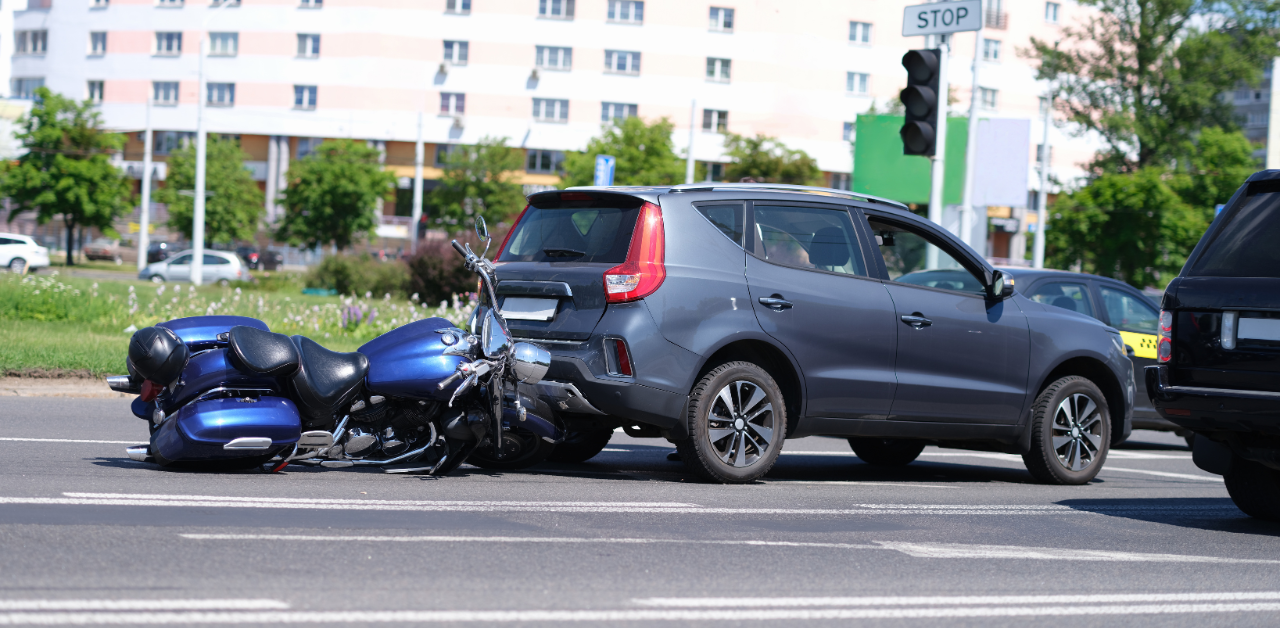
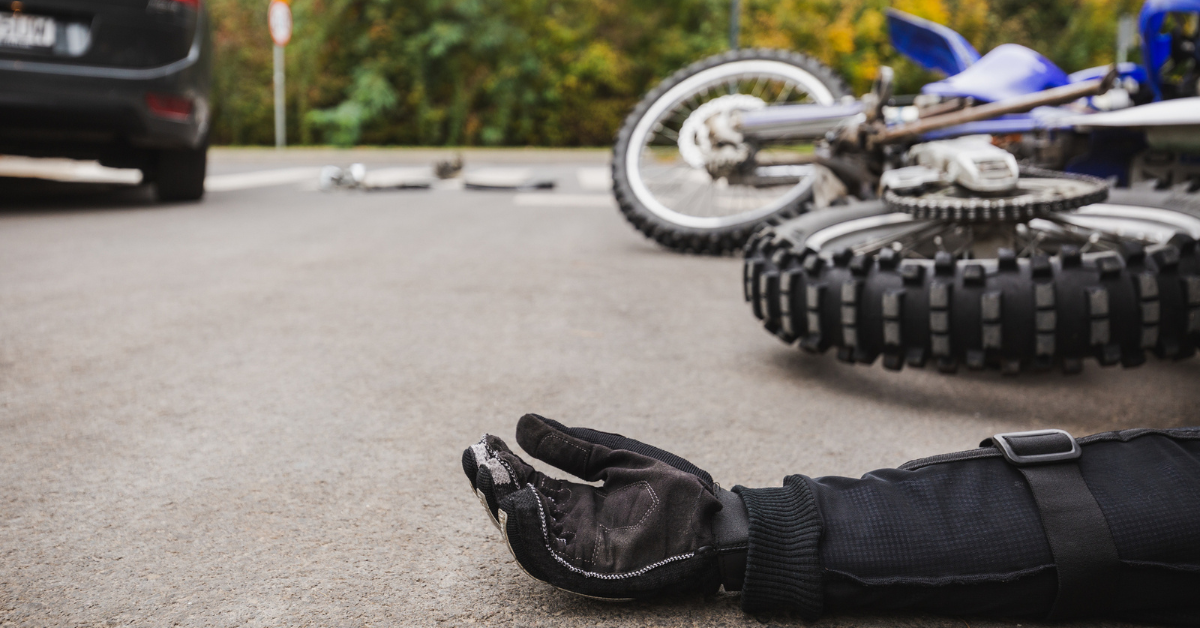
A motorcyclist's gloved hand lies on the road near a fallen motorcycle, with a car in the background, suggesting a crash scene

What Do You Do When You See a Motorcycle Accident?

Witnessing a motorcycle accident can be shocking. In those first few minutes, your actions can make a big difference. You do not need to be a medical or legal professional to help. Staying calm, calling 911, protecting the accident scene, and giving accurate information to law enforcement officers can help the injured person, emergency responders, and any later insurance claims or legal proceedings. At Recovery Law Center, Attorney Glenn Honda has more than 25 years of experience representing motorcycle accident victims in legal action after serious crashes. If you witness a motorcycle accident, here are the most important steps to take. 1. Call 911 and Contact Emergency Services After ensuring your safety, call 911 as soon as possible. Even if someone else appears to be calling, it is better to make sure emergency services have been contacted. Motorcycle accident injuries are not always immediately apparent. A rider may have visible injuries, broken bones, internal bleeding, head trauma, or serious injuries hidden by protective gear. Someone may appear alert at first, but still needs urgent medical attention. When you call 911, give clear and accurate details. Emergency responders need accurate and complete information so they can send the right help to the right location. Stay on the phone until the dispatcher tells you it is okay to hang up. They may give instructions for providing assistance or keeping the injured person safe until first responders arrive. 2. Help the Injured Person Without Causing Further Harm After calling 911, you may want to help the injured person right away. That instinct is understandable, but it is important to avoid causing further harm. In most cases, you should not move an injured motorcyclist unless they are in immediate danger, such as lying in the path of oncoming traffic or near a fire risk. Moving someone with neck, back, head, or internal injuries could make the injuries worse. You should also avoid removing the rider’s helmet or protective gear unless emergency responders or the 911 dispatcher instructs you to do so. Motorcycle accident victims may have spinal injuries, broken bones, or internal injuries that require careful handling. Instead, you can help by staying nearby, speaking calmly, and encouraging the injured person to remain still. Let them know emergency assistance is on the way. If you are trained in first aid, provide only the help you are qualified to give. If the injured person is conscious, ask simple questions, such as whether they can hear you or know where they are. Do not pressure them to stand up, walk around, or admit fault. The full extent of injuries may not be clear at the accident scene. Seeking medical attention is critical after a motorcycle accident. Even if injuries seem minor, medical care can identify hidden problems and create records that may later be important for insurance, personal injury, medical expenses, and legal proceedings. 3. Protect the Accident Scene If It Is Safe Another helpful step is to protect the accident scene without interfering with law enforcement, emergency vehicles, or first responders. If it is safe, use hazard lights, your vehicle position, or verbal warnings to alert approaching drivers. Do not attempt to direct traffic unless it is necessary and safe. Standing in a traffic lane can put you in serious danger. Keep a safe distance from damaged vehicles, leaking fluids, broken glass, or debris. If other witnesses are nearby, encourage them to stay out of the roadway and avoid crowding the injured person. Protecting the scene helps prevent further accidents and preserves important details. Skid marks, vehicle positions, debris, and vehicle damage may later become critical evidence in determining how the motorcycle accident happened. 4. Gather Information If You Can Do So Safely If the injured person is being helped and you are not interfering with emergency responders, gathering information can be useful. Witness accounts are often invaluable after a motorcycle crash, as they can help clarify what happened before, during, and after the collision. You do not need to investigate the accident. Your role is simply to preserve what you personally saw or heard. Helpful information may include: Your contact details Contact details for other witnesses License plate numbers Vehicle make, model, and color The number of people involved The location of the vehicles involved The direction each vehicle was traveling Photos or videos of the accident scene Vehicle damage Skid marks, debris, or damaged property Weather and road conditions Traffic signals, signs, or lane markings Any statements made by the involved parties If you take photos or videos, do so respectfully and safely. Do not block emergency responders, step into traffic, or record the injured person in a way that invades their privacy. Focus on the scene, vehicle damage, roadway conditions, license plate numbers, and other important details. This information may later help accident victims, insurance companies, motorcycle accident attorneys, or law enforcement officers understand what happened. 5. Speak Clearly With Law Enforcement Officers When law enforcement arrives, provide a clear and honest witness statement. Tell the officers what you personally saw and heard. Avoid guessing, exaggerating, or speculating. For example, instead of saying, “The other driver was definitely speeding,” you might say, “The car appeared to be moving faster than the surrounding traffic before the crash.” Instead of saying someone was at fault, explain the actions you observed. Helpful details to share with law enforcement may include: Where were you when the accident happened What direction the motorcycle was traveling What direction are the other drivers or other vehicles traveling Whether a vehicle changed lanes, turned, stopped, or failed to yield Whether you saw brake lights, skid marks, or evasive movement Whether there were visible injuries Whether the injured person spoke to you Whether other witnesses saw the crash Your contact details for follow-up The police report may become important later. It may document the parties involved, vehicles involved, accident scene, visible injuries, witness statements, insurance details, and other important details. Your statement can help make that police report more accurate and complete. 6. Avoid Speculating or Admitting Fault One of the most important things a witness can do is avoid speculating. Motorcycle accidents can happen quickly, and what seems obvious at first may not tell the whole story. Do not admit fault for anyone. Do not tell the injured person, the other driver, or law enforcement that someone was definitely responsible unless you personally witnessed specific facts. Even then, stick to what you saw rather than legal conclusions. For example, you can say: “The car turned left in front of the motorcycle.” That is more helpful than saying: “The car driver was negligent.” Whether a negligent driver caused the accident may be determined from police reports, witness statements, photos, insurance claims, and other relevant evidence. An experienced motorcycle accident attorney can review those details and provide legal guidance to the injured person. Common Mistakes to Avoid After Witnessing a Motorcycle Accident Most witnesses want to help, but certain actions can create more confusion or even cause further harm. If you witness a motorcycle accident, try to avoid these common mistakes: Running into traffic without checking for oncoming vehicles Moving an injured person unnecessarily Removing a helmet or protective gear without instruction Assuming there are no injuries because none are visible Blocking emergency vehicles Standing in a traffic lane Arguing with the involved parties Speculating about who caused the accident Posting photos or videos of the injured person online Leaving before giving your contact details to law enforcement Telling anyone to admit fault Interfering with first responders or law enforcement officers Your role is to stay safe, contact emergency services, provide assistance when appropriate, and share accurate information. Can a Witness Help With a Motorcycle Accident Claim? Yes. Witnesses can be extremely important in motorcycle accident claims. After a motorcycle crash, accident victims may face medical expenses, lost wages, pain, vehicle damage, and a long recovery. In some cases, the other driver, insurance company, or involved parties may dispute what happened. A witness statement can help fill in the gaps. Witness accounts may help establish: How the accident happened Which vehicles were involved Whether a driver failed to yield, changed lanes, or ignored traffic signals Whether the injured person was thrown from the motorcycle Whether there were visible injuries Whether road conditions or other vehicles contributed to the crash Whether the injured person needed emergency assistance This information may support insurance claims, legal proceedings, and efforts to recover fair compensation. In serious personal injury cases, witness statements can help a motorcycle accident lawyer identify critical evidence and protect the injured person’s legal rights. Contact Recovery Law Center for a Free Consultation If you or someone you love was injured in a motorcycle accident, Recovery Law Center can help you understand your options. Attorney Glenn Honda has over 25 years of experience in personal injury law and is committed to helping accident victims protect their legal rights. A motorcycle accident lawyer can review the facts of the accident, explain the next steps, and help determine whether you may be entitled to compensation for medical expenses, lost wages, pain and suffering, and other damages. Contact Recovery Law Center today for a free consultation or free case evaluation. Getting the right legal guidance after a motorcycle accident can make a big difference in your recovery and your claim.
Health insurance claim form on a clipboard with stethoscope, representing medical billing and insurance documentation

What Is the Average Payout for a Motorcycle Accident in Hawaii?

A motorcycle crash can leave a rider with surgery bills, missed paychecks, and a long recovery before the insurance claim even starts moving. That is one reason people often search for the average payout for motorcycle accident claims in Hawaii. They want a real number they can use to judge their own case. At Recovery Law Center, our team brings over 25 years of personal injury experience, and Attorney Glenn Honda helps injured people across Hawaii determine what a claim may be worth. If you were injured in a motorcycle accident and want a clear read on your next step, a prompt legal review can help you avoid an early low offer. Hawaii Does Not Have One Reliable “Average” for Motorcycle Settlements When people ask about the average motorcycle accident settlement, they are usually looking for a fair range. That makes sense, but the number can be misleading. A claim with road rash and a short recovery may settle far differently from one involving traumatic brain injuries, spinal injuries, spinal cord damage, or chronic pain that affects future income for years. A better way to value a motorcycle accident claim in Hawaii is to look at the parts that make up the payout. In most cases, that includes medical expenses, lost wages, lost income tied to future work limits, property damage, and pain and suffering. In severe cases, the claim may also include long-term care, reduced earning capacity, and other non-economic damages. If the conduct was especially reckless, punitive damages may be discussed, though they are not part of a standard accident settlement. That is why an article promising one average payout often misses the point. A serious motorcycle collision can yield a settlement value far above that of a minor claim. A modest injury with limited treatment can land much lower. Hawaii Motorcycle Claims Start From a Different Insurance Base Many injured people assume a motorcycle accident claim works like an automobile accident claim in Hawaii. It does not. Hawaii’s standard motor vehicle insurance system requires PIP benefits for cars, but motorcycle insurance is separate. For motorcycles, Hawaii requires Minimum liability coverage of $20,000 per person $40,000 per accident for bodily injury $10,000 for property damage Insurers must also offer optional medical payments coverage and an income disability plan. That difference matters for settlement value. If a rider suffers serious injuries, medical bills can exceed the at-fault party’s insurance policy limits very quickly. In a car accident, PIP may cover some early medical costs upfront. In a motorcycle crash, the rider often relies more on health insurance, optional med-pay coverage, uninsured or underinsured motorist coverage (if available), and a personal injury claim against the at-fault party. This also means that available insurance coverage can set the ceiling in many motorcycle accident cases. A claim may be worth more on paper than the policy can pay. When that happens, a lawyer has to look at every source of recovery, not just the first liability policy. The Injuries Usually Drive the Largest Share of the Payout The primary factor driving the average settlement amount in a motorcycle accident case is injury severity. Motorcycle riders do not have the same level of physical protection as those in passenger vehicles, so a direct hit can result in serious injuries even at moderate speeds. Hawaii has continued to treat motorcycle safety as a major traffic issue. A higher payout usually follows when the medical proof shows: Surgery, hospitalization, or long-term treatment Traumatic brain injuries, spinal injuries, fractures, or permanent impairment Lasting work limits, chronic pain, or future medical costs Insurance companies look closely at the records. An emergency room visit alone will not carry the same weight as imaging, specialist care, surgical records, and a treating doctor’s opinion about long-term limits. That is one reason immediate medical attention matters. It protects your health, and it creates medical records that connect the crash to your own injuries. Pain and suffering also rise with the medical proof. A broken wrist that heals in weeks is not valued like a spinal injury that affects sleep, mobility, and future work. The same is true for lost wages. A few missed shifts and a career-changing disability are very different claims. Fault Can Pull the Value Down Even in a Strong Injury Case A high-value injury does not guarantee a high payout. Fault still matters. Hawaii follows a modified comparative negligence model under which an injured person’s compensation is reduced by that person’s share of fault, and recovery can be barred if the claimant’s negligence is greater than the combined negligence of the others. In motorcycle accident cases, this issue often arises. Insurance adjusters may argue that the rider was speeding, that lane positioning was unsafe, that visibility was poor, or that a helmet issue made the injuries worse. Some of those arguments are weak. Some carry weight. The point is that fault fights can quickly reduce the average payout. Take a claim with $200,000 in damages. If the rider is found 25 percent at fault, the value drops to $150,000 before collection issues and policy limits even enter the picture. That is why the police report, witness statements, photos from the accident scene, and any video footage matter early. They help prove fault before the insurance company shapes the story. Insurance Limits Often Decide the Real-World Settlement Range People often assume a fair settlement equals the full amount of their losses. In practice, insurance policy limits can control the result. Hawaii’s required motorcycle liability limits are low compared with the cost of severe injuries. A rider with a head injury, months of care, and lost income can exceed those limits in a short time. That is why a motorcycle accident attorney looks at more than one source of payment. The legal team may examine the at-fault driver’s liability policy, the rider’s uninsured or underinsured motorist coverage, umbrella coverage, employer coverage if the driver was working, and any other available insurance coverage. In some cases, more than one at-fault party may share responsibility. This is also where legal representation can raise the value of a claim. Not by inflating it, but by finding all recoverable damages and all coverage that applies. A claim limited to one low policy can look very different after a full insurance review. Why Records Matter When Estimating a Hawaii Motorcycle Claim If you want a realistic estimate of average payout for motorcycle accident claims in Hawaii, start with the documents that shape settlement value. The claim gets stronger when the losses are organized and easy to prove. Those records help show not just that a motorcycle accident happened, but how badly it changed the rider’s finances and daily life. They also help push back when insurance companies try to downplay treatment, dispute severe injuries, or argue that the rider waited too long to get care. Timing matters too. Hawaii generally gives injured people 2 years to file a personal injury lawsuit, though some claims involve exceptions or additional notice requirements. Waiting too long can damage leverage even before the deadline arrives. A “Fair” Payout in Hawaii Is the One That Matches the Full Loss The average settlement is not the goal. Fair compensation is. For one rider, that may mean payment of medical costs, lost wages, and bike damage after a moderate motorcycle crash. For another, it may mean financial recovery for surgeries, long-term care, non-economic damages, and future income loss after a life-altering collision. That is why broad settlement averages are poor tools for serious motorcycle accident cases. They flatten out the facts that matter most. A claim should be valued on the injury, the proof, the fault picture, and the available coverage, not on a number pulled from a national article that does not reflect Hawaii law. At Recovery Law Center, we look at these cases the same way we would want anyone's case reviewed: closely, honestly, and with the full picture in mind. If you were injured in a motorcycle accident and want to know what fair compensation may look like in your case, contact us for a free consultation.

Odds of Getting into a Motorcycle Accident

What Are the Odds of Getting into a Motorcycle Accident?

If you are asking, "What are the odds of getting into a motorcycle accident?" there is no single percentage that fits every rider. Your risk depends on how often you ride, where you ride, your speed, weather conditions, time of day, traffic density, and rider behavior. Motorcycle riders face a much greater risk of death and injury per mile traveled than people in passenger vehicles. In 2023, the National Highway Traffic Safety Administration reported the fatality rate for motorcyclists was 31.39 per 100 million vehicle miles traveled, compared with 1.13 for passenger car occupants. NHTSA also reported 82,564 motorcyclists injured in 2023. Motorcycles make up a small share of registered vehicles and vehicle miles, yet motorcycle fatalities remain a large share of traffic fatalities. Based on the same data gathered in 2023 from NHTSA, 6,335 motorcyclists died in crashes, the highest number recorded by IIHS, and motorcyclist deaths made up 15% of all motor vehicle crash deaths. Why Two Wheels Change the Math A car surrounds its driver with a steel frame, seat belts, airbags, and other safety equipment. A bike does not. That difference shapes the outcome of many crashes. A rider has less physical protection, less stability on two wheels, and less room for error if another vehicle cuts across a lane or turns left in front of the motorcycle. Visibility is another problem. Many motorcycle accidents occur when other drivers notice the rider too late or fail to look carefully enough before merging, turning, or opening a lane. Motorcycles are smaller than passenger cars, which makes them easier to miss in blind spots or heavy traffic. On a crowded road, one mistake by another driver can trigger a severe collision. Motorcycle safety also depends on conditions that a car can absorb more easily. Loose gravel, potholes, uneven pavement, wet paint, and sharp debris can upset balance fast. Poor riding conditions do not have to be extreme to become dangerous. Even in dry weather, a rider may have only a split second to react and avoid other vehicles. NHTSA reported that 65% of motorcyclist fatalities in 2023 happened in urban areas, and 63% happened away from intersections, which shows that danger is not limited to rural highways or dramatic high-speed scenes. Where Motorcycle Crashes Usually Begin Many riders think the greatest danger comes from speed alone. Speed matters, but many crashes start with ordinary traffic conflicts. A driver in a passenger vehicle turns left across traffic. A car drifts into the next lane. A vehicle stops short. A road user backs out without seeing the bike. A rider brakes hard to avoid impact and loses control. These are common patterns in multi-vehicle motorcycle accidents, and they often involve other motorists making poor choices. That is one reason riders are injured in crashes they did not cause. At the same time, rider behavior can raise the risk. Impairment, speeding, poor lane positioning, or riding without training can make a bad situation worse. NHTSA found that 34% of motorcycle riders in fatal crashes in 2023 had no valid motorcycle license. This does not mean motorcycle accidents happen for a single reason. Most serious wrecks involve various factors coming together. Traffic laws, visibility, road hazards, speed, rider decisions, and driver attention all play a part. That is why accident analysis in a legal claim must be fact-specific. A quick insurance decision can miss what really caused the crash. Why Motorcycle Accident Injuries Are So Often Severe Motorcycle accident injuries are often worse than injuries in a car accident because the body absorbs more of the force. Riders can be thrown from the bike, pinned under a vehicle, or struck by pavement or fixed objects. Severe injuries may include broken bones, spinal trauma, internal injuries, road rash, and a serious head injury. Helmet use helps, but it does not erase the risk. The Centers for Disease Control and Prevention states that helmets reduce the risk of death by 37% for riders and reduce the risk of head injury by 69%. NHTSA and related national safety sources continue to treat a DOT-compliant helmet as one of the most effective forms of protective gear. Even riders who wear full gear can suffer serious injuries. Protective clothing, boots, gloves, and a helmet help reduce harm, but they cannot provide the same level of protection as enclosed passenger vehicles. How Rider Choices and Driver Mistakes Collide The safest riders know they cannot control other drivers, but they can lower some risks. A rider can follow traffic laws, ride defensively, watch blind spots, manage speed, and avoid unsafe passes. Training, visibility gear, and smart lane position also matter. At the same time, legal responsibility does not disappear just because a rider accepted the risks of riding. Drivers still have a duty to share the road safely. They must check mirrors, yield when required, leave room for bikes, and avoid careless moves around motorcycles. When a driver fails to do that, a rider may have the right to seek compensation for injuries and other losses. For riders trying to stay safer, the most practical habits include: Wear a DOT-compliant helmet and full gear Keep your bike maintained Adjust for weather conditions and road hazards Ride defensively around passenger cars Assume other drivers may not see you Leave enough space to react to sudden lane changes or stops What To Do If the Odds Catch Up With You After a motorcycle accident, the first priority is immediate assistance and medical care. Even if injuries seem minor at first, adrenaline can hide pain and internal harm. A prompt exam also creates records that may matter later in an insurance claim. Then, if you can do so safely, document the scene. Take photos of the motorcycle, the other vehicles involved, skid marks, road hazards, and visible injuries. Get names and contact details for witnesses. Exchange insurance information, but do not guess about fault at the scene. In many crashes, insurers move fast to pin the wreck on the rider’s fault before the evidence is fully reviewed. A legal claim after a motorcycle crash is not only about the first hospital bill. It can include future treatment costs, lost wages, pain, reduced earning capacity, and the cost of long-term recovery. An experienced attorney can review the collision report, witness statements, damage patterns, and medical records to push back if the insurance company unfairly blames the rider or undervalues the claim. After a Motorcycle Crash, Facts Matter More Than Assumptions A motorcycle claim is rarely simple. Insurance companies often prioritize speed, visibility, or rider decisions before fully examining what the other driver did wrong. That can put injured motorcyclists at a disadvantage from the start. At Recovery Law Center, we work to uncover what the evidence actually shows and pursue the financial support our clients need for treatment, time away from work, and the road ahead. If you were hurt in a motorcycle crash, contact us for a free consultation.

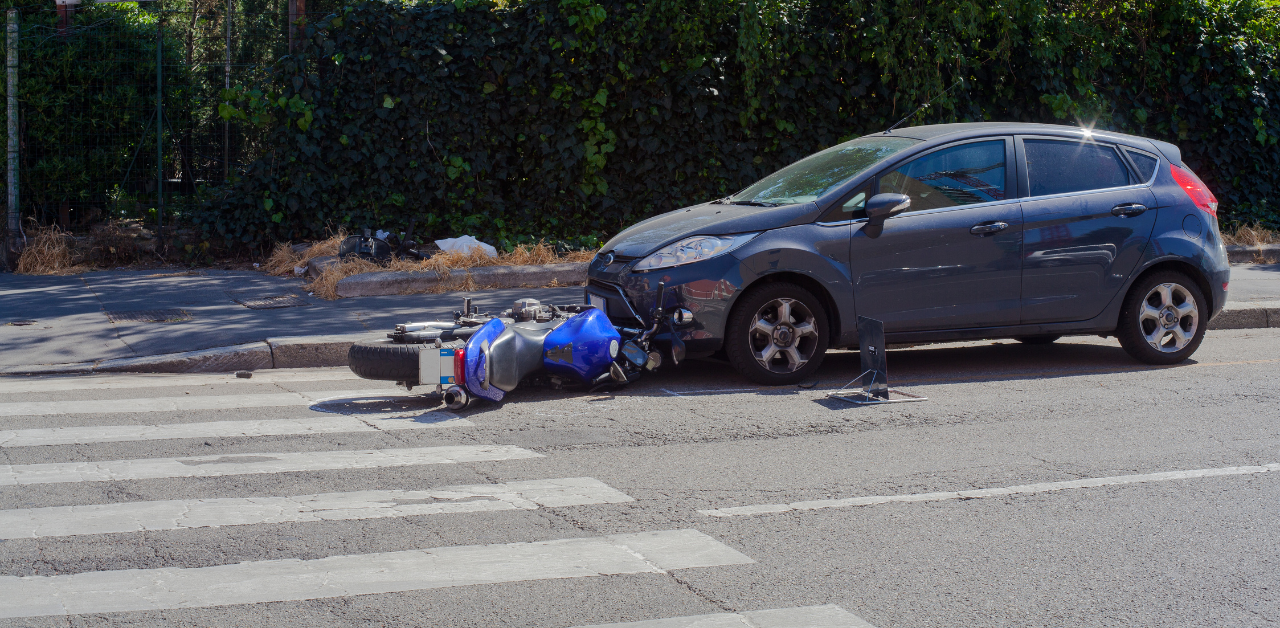
Motorcycle lies on road after crash with a car near a crosswalk, showing a serious motorcycle accident

Why Are Cars Often at Fault When Colliding with Motorcycles?

Motorcycle riders face significant risks every time they share the road with cars. Unlike car occupants, motorcyclists have minimal protection, so even a minor crash can result in severe injuries, spinal injuries, or traumatic brain injuries. In Hawaii, motorcycle accidents represent a significant portion of traffic deaths despite motorcycles being only a small percentage of registered vehicles. According to the Hawaii Department of Transportation, most motorcycle accidents happen at intersections or when car drivers make left turns across oncoming traffic. At Recovery Law Center, attorney Glenn Honda has dedicated over 29 years to helping injured motorcyclists and their families. Our mission is simple: help injured people recover damages. We know that proving fault in motorcycle and car crashes can be complicated, but we handle everything. Our goal is to secure fair compensation for you, allowing you to focus on your physical and financial recovery. Recovery Law Center Helps Motorcyclists After Motorcycle and Car Crashes When motorcycle accidents happen, the aftermath can feel overwhelming for injured motorcyclists. You may be dealing with missed work time and calls from insurance companies questioning the determination of fault. Recovery Law Center is here to protect you. Car drivers frequently cause such accidents because they fail to notice motorcycles, make unsafe lane changes, or violate traffic laws. At Recovery Law Center, we use evidence to show who is legally responsible, such as: Medical reports Accident report details Statements from involved parties Whether the at-fault driver made a left-hand turn into an oncoming motorcycle or caused a rear-end collision, we fight to hold them accountable. Our law firm offers a free consultation, allowing individuals who have been injured to explore their legal options and initiate their financial recovery without incurring additional costs or risks. Why Car Drivers Are Often at Fault Most motorcycle crashes point to driver negligence because the driver violated traffic laws, failed to yield, or engaged in distracted driving. Passenger vehicle drivers often fail to notice motorcycles because they are smaller than other vehicles and can be hidden by blind spots. Drivers may look but not actually “see” a motorcycle, a phenomenon called inattentional blindness. When drivers fail to yield during a left turn or ignore oncoming traffic, they put the motorcycle rider at risk. Because motorcyclists have minimal protection, even a low-speed car accident can cause more serious injuries than collisions involving two vehicles of equal size. This is why car drivers are often at fault. Their failure to follow traffic laws is a primary cause of most motorcycle accidents. Proving this negligence is essential for injured motorcyclists seeking fair compensation. Fault determination after motorcycle collisions involves examining the circumstances surrounding the crash. Investigators review police reports, accident report findings, and physical evidence, such as skid marks and vehicle positions. Common Causes of Motorcycle Car Collisions Motorcycle collisions occur for various reasons, but most accidents are attributed to driver errors. Passenger vehicle drivers are often at fault because they overlook motorcycles or misjudge their speed and distance. Here are the most common causes of motorcycle crashes involving cars: Left Turn and Left Hand Turn Accidents – Many motorcycle accidents are caused when a car makes a left turn across an oncoming motorcycle. Drivers fail to notice motorcycles or assume they can turn before the oncoming motorcyclist reaches the intersection. Unsafe Lane Changes and Blind Spots – Car drivers often change lanes without checking their blind spots, which can lead to side swipes and serious collisions involving motorcycles. Distracted Driving – Texting, eating, or adjusting a GPS takes a driver’s eyes off the road. When other drivers are distracted, they may not notice motorcycles until it is too late. Rear End Collisions – Motorcycles can stop faster than cars. If a car follows too closely, it can easily cause a rear-end collision, leading to significant injuries. Inexperienced Drivers – Drivers with a new driver’s license may not be familiar with sharing the road with motorcycles, which increases the likelihood of an at-fault accident situation. Adverse Weather Conditions and Road Hazards – Rain, potholes, and loose gravel create dangerous conditions for motorcycles. If other vehicles fail to slow down, they put motorcyclists at risk. Such accidents often leave motorcyclists injured and facing long recoveries. Because motorcycles offer minimal protection, most motorcycle crashes lead to more serious injuries than car crashes involving two vehicles. The Seriousness of Motorcycle Injuries Motorcycle accidents caused by other drivers can result in catastrophic injuries that change a person’s life forever. Because motorcycles offer minimal protection, most motorcycle crashes lead to significant injuries even at low speeds. Catastrophic injuries are common after motorcycle-car collisions. Many injured motorcyclists require: Surgery Months of physical therapy Long-term medical care Medical bills can add up quickly, creating stress for the injured person and their family. In addition to physical harm, motorcycle crashes often cause emotional trauma, including anxiety and fear of riding again. Some motorcyclists injured in car collisions suffer permanent disability, making it impossible to return to their jobs. Our law firm uses medical reports and qualified testimony to show how these injuries affect every part of a client’s life. This evidence enables us to pursue fair compensation and secure the financial recovery necessary to cover treatment, future care, and lost earning potential. Safety Tips to Prevent Motorcycle and Car Crashes At Recovery Law Center, we don’t just fight for injured motorcyclists. We want to help prevent future crashes. Safer roads protect riders, drivers, and every family in our community. Here are practical, proven steps that can reduce motorcycle and car crashes. 1. Safe Driving Habits for Car Drivers Car drivers are often at fault in motorcycle-car crashes because they fail to notice motorcycles or misjudge the distance between their vehicles. To prevent such accidents, drivers should always check their blind spots before making lane changes, use mirrors correctly, and maintain a safe following distance to avoid rear-end collisions. Yield to oncoming traffic before making a left turn or a left-hand turn, and slow down in adverse weather conditions. Avoid distracted driving. Put down the phone, keep your eyes on the road, and follow traffic laws at all times. 2. Smart Riding Habits for Motorcycle Riders Motorcycle riders face significant risks, but they can lower their chances of severe injuries by using protective gear, including DOT-approved helmets, gloves, and reflective clothing. Keep headlights on during the day, avoid staying in a car’s blind spot, and be ready to brake or swerve when road hazards appear. These habits reduce the chances of motorcycle collisions and keep riders visible to other vehicles. 3. Education for Inexperienced Drivers Many motorcycle accidents are caused by inexperienced drivers who lack an understanding of how to share the road safely. Driver education programs should emphasize spotting motorcycles, respecting lane positions, and avoiding unsafe lane changes. Teaching new drivers about the significant injuries motorcyclists suffer when drivers fail to yield builds safer habits early and prevents most accidents before they happen. Compassionate Legal Support for Hawaii Motorcyclists Getting into a motorcycle accident in Hawaii is always tough, especially when it's not your fault. Dealing with the legal side can add a lot of stress when all you want to do is heal. At Recovery Law Center, we handle those challenges for you. Attorney Glenn Honda and our legal team are committed to securing fair compensation for motorcyclists who have suffered injuries. We work to recover the money you need for medical bills, lost wages, property damage, and the pain and suffering you've experienced. If you were injured in a motorcycle or car accident, contact us today for a free consultation or complete our online form for a free case review. We'll go through your case and fight for the financial recovery you deserve.

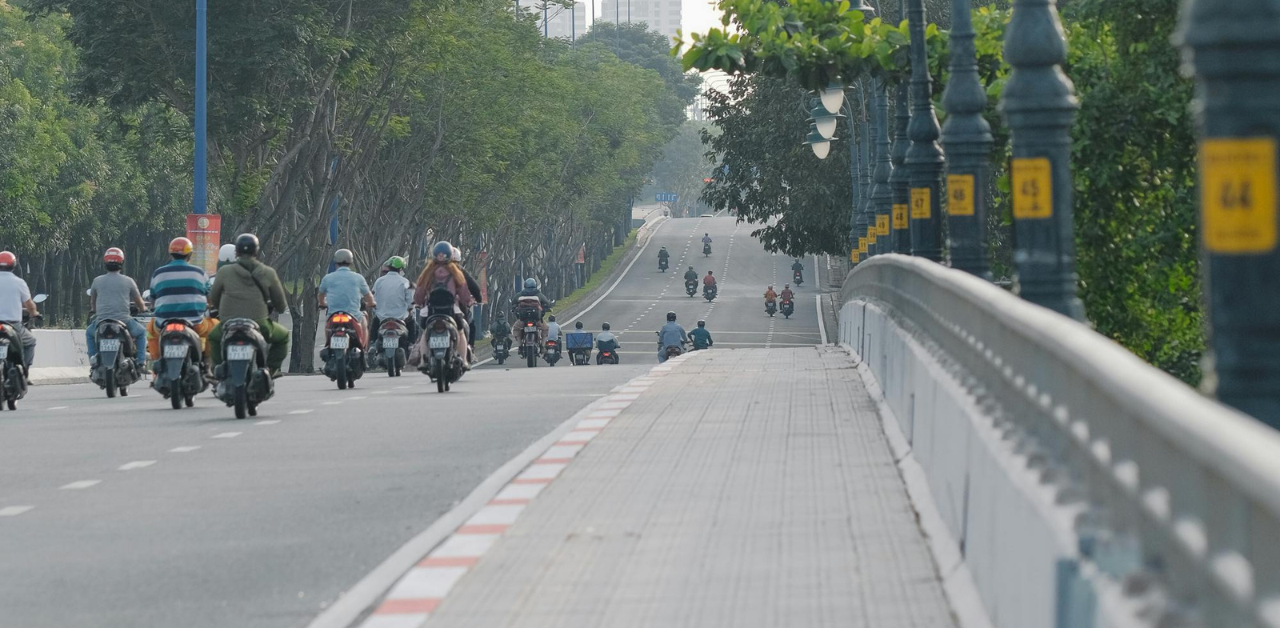
Dozens of motorbikes travel on a wide, tree-lined urban road under clear skies and light traffic flow

Hawaii Lane-Splitting: Is It Legal?

The answer is no, and that has serious implications for motorcycle riders and others who share Hawaii’s roads. Unlike California, where lane splitting is legal under defined conditions, Hawaii’s laws prohibit it entirely. This difference matters when it comes to accident liability, insurance coverage, and overall road safety. At Recovery Law Center, our team specializes in helping motorcyclists who’ve been injured in lane-splitting or motorcycle crash cases. We know that many riders are unaware that what might feel like a harmless traffic move can result in citations or reduced claim compensation. In this article, we walk you through everything from Hawaii’s motorcycle laws to how an expired instruction permit or missing DOT-approved helmet can impact your case. Whether you ride a motor scooter, a two-wheeled motorcycle, or a moped, this is the definitive guide for staying legal and safe on Hawaii’s roads. And if you’re ever in a crash, our legal team at Recovery Law Center is ready to help you with your claim and protect your rights. What Is Lane Splitting? Lane splitting, also known as white-lining or stripe-riding, is when a motorcycle or scooter rides between lanes of slow-moving or stopped traffic. It usually occurs on highways or in dense urban traffic, where vehicles are barely moving forward. To motorcyclists, lane splitting can feel like a lifesaver. But to the average driver, it might seem like rule-breaking behavior. What Does Hawaii Law Say? Lane Splitting Legal Explained Under Hawaii law, lane splitting is clearly illegal. According to HRS 291C-153(c), two-wheeled motorcycles and motor scooters must not be operated between lanes of moving or stationary traffic. The law further specifies that these vehicles must be afforded the full use of a lane. This means that even if motorcyclists are trying to navigate congested traffic, splitting lanes, filtering, or using the shoulder is not permitted. If you do, you could receive a traffic citation for unsafe driving or even reckless driving, depending on the situation. Furthermore, unlike states such as California, Utah, or Montana, Hawaii has not adopted filtering laws. And while the Hawaii Department of Transportation temporarily permitted shoulder surfing, that law ended in 2020. No new legislation has taken its place, leaving all forms of lane splitting and shoulder riding illegal under current rules. If you're involved in a crash while splitting lanes, it could negatively affect your injury claim or insurance payout. This is why contacting a law firm like Recovery Law Center is critical to protect your rights. Lane Splitting, Filtering, and Shoulder Surfing Motorcyclists often use the terms lane splitting, filtering, and shoulder surfing interchangeably—but in the eyes of the law, they mean different things. Lane splitting, also known as splitting lanes or white lining, is when a motorcyclist rides between two lanes of traffic that are occupied. Lane filtering refers to slowly moving between vehicles that are stopped, typically at traffic lights. Shoulder surfing is riding along the paved shoulder to bypass congestion. These maneuvers are commonly referred to as techniques to avoid gridlock and maintain smooth traffic flow. In California, they’re legal under specific rules. However, in Hawaii, all three are considered illegal, except for a brief period when shoulder surfing was permitted under a limited-time law. From 2018 to 2020, the Hawaii Legislature passed a bill allowing motorcycles to use the shoulder in designated areas. That law expired, and shoulder use is now again illegal. If you’ve been injured during one of these actions, it’s essential to speak with an attorney, especially if the accident involves other vehicles, confusing liability, or complex insurance rules. Why Do Riders Lane Split? Motorcyclists lane split for a few key reasons: 1. Beating Traffic Lane splitting enables riders to navigate through congested areas without getting stuck in traffic. One of the biggest reasons riders choose motorcycles is their ability to move easily through tight traffic. 2. Safety from Rear-End Collisions Unlike cars, motorcycles are at a higher risk of being rear-ended, especially in stop-and-go traffic. Lane splitting helps riders stay in motion and avoid being pinned between vehicles. 3. Cooling the Engine (and Themselves) In warm weather, especially on air-cooled bikes, overheating can become a significant problem if the rider is forced to idle. Lane splitting allows better airflow for both the bike and the rider. Why Is Lane Splitting Illegal in Most Places? Despite its potential benefits, many governments and transportation authorities have serious concerns about lane splitting. Here’s why it’s banned in most U.S. states and many other regions: Safety Risks: One of the main reasons is safety. Drivers often don’t expect a vehicle to pass between lanes, and a sudden lane change can easily lead to a crash with a motorcycle that’s lane splitting. Limited Visibility: Cars have blind spots, and distracted or unaware drivers may not see a motorcycle approaching between lanes until it's too late. Inconsistent Laws and Liability: Determining fault in the event of an accident can be a challenging task. Many states prefer to have clear, uniform traffic rules to avoid legal gray areas. Public Perception: Even if it’s technically safe or legal, many drivers see lane splitting as unfair or even reckless. This negative perception can influence laws and enforcement. Other States vs. Hawaii: Lane Splitting Laws Compared While Hawaii maintains a strict ban on lane splitting, several states have adopted progressive stances on the issue. California remains the only state that fully legalizes lane splitting, with safety guidelines provided by the California Highway Patrol. Other states have enacted lane filtering laws, allowing motorcyclists to pass stopped vehicles under specific conditions, including low-speed limits (under 15 mph) or at traffic lights. These laws are designed to improve traffic flow, prevent rear-end collisions, and reduce the incidence of motorcycle crashes. Hawaii, however, has not followed suit. The Hawaii legislature ultimately allowed a brief trial of shoulder surfing, but it expired at the end of 2020. While some advocates push for change, others argue Hawaii’s narrow roads and heavy congestion make lane splitting risky. Until a new law is passed, motorcyclists should avoid lane-sharing maneuvers, as they risk citations and reduced legal protection in the event of an accident. Always check your local laws. And if you're unsure, speak to a legal professional to understand your responsibilities as a rider. Involved in a Lane-Splitting Crash? What to Do Next If you’ve been injured while splitting lanes or riding between cars, you may feel uncertain about your legal rights. While the act itself may be illegal, that doesn't automatically mean you're 100% at fault. At Recovery Law Center, we assist victims of motorcycle accidents, even if they were partially at fault for violating traffic rules. Hawaii uses a “comparative negligence” standard, meaning you can still recover damages if you are not entirely responsible. Here’s what to do after a crash: Seek medical attention immediately. Document the scene and gather witness information. Do not admit fault. Contact a personal injury lawyer experienced in Hawaii’s motorcycle laws. Insurance companies often try to minimize payouts by blaming the rider. We fight back by gathering evidence, hiring expert witnesses, and negotiating with adjusters to ensure you receive full compensation. If you're dealing with injuries after a lane-splitting accident, Recovery Law Center is here to help. Does Hawaii Participate in New Motorcycle Laws? In 2018, the Hawaii legislature passed Act 218, which briefly allowed motorcycles to use shoulders in specific areas to ease traffic congestion. This bill expired in 2020 and was never renewed. Although advocacy groups have pushed for more modern laws, such as lane filtering, the legislature has ultimately not moved forward. This leaves Hawaii behind other states when it comes to traffic solutions for motorcyclists. As of 2025, there are no active bills allowing lane splitting or filtering. The Department of Transportation has not issued new guidelines either. This legislative silence leaves many riders wondering if change will ever come. For now, lane splitting remains illegal, and all riders must follow existing traffic rules. Until Hawaii passes new laws, attempting to pass cars between lanes or using the shoulder could result in fines or worse. Keeping up with new legislation is essential. If you’re ever unsure, our team at Recovery Law Center can provide up-to-date legal advice and help you avoid costly mistakes. Hawaii’s Motorcycle Laws: Safety, Traffic, and Road Rules Hawaii’s heavy traffic demands strict adherence to motorcycle laws designed to promote road safety and improve traffic flow. Riders are entitled to use a full lane, just like cars or other vehicles, but that also means they must follow all the rules of the road. To ride legally, a valid motorcycle license is required. Many motorcyclists in Hawaii obtain their motorcycle license through a written test and skills exam. Riders are not permitted to weave between lanes, share lanes side-by-side with other vehicles, or ride on bicycle paths or shoulders unless explicitly designated. This makes splitting lanes and filtering illegal activities under the current law. The law also specifies restrictions on who can carry passengers. No one under the age of seven is allowed to ride as a passenger, and the bike must be equipped with proper seating and footrests for the second rider. Speed limits also apply. Motorcycles must adhere to the posted speed limit, even if traffic is at a standstill. Choosing to pass between cars by white lining or shoulder riding is a violation. Whether you're commuting or riding recreationally, obeying these rules ensures safer roads for everyone and helps protect your legal standing in case of an accident. Protect Your Rights as a Hawaii Rider With Hawaii’s current laws being more restrictive than those of most states, it's essential for motorcycle riders to ride defensively, wear proper gear, and understand their legal limits. Still, even the most cautious rider can be injured by a careless driver. If you’ve been in a motorcycle crash—regardless of whether lane splitting was involved—you may be entitled to compensation. At Recovery Law Center, we advocate for injured motorcyclists throughout the state of Hawaii. Our legal team helps you understand local laws, insurance policies, and the determination of fault in lane-splitting situations. We are here to guide you through every step of your recovery. Both legal and physical. Don’t face this alone. If you or someone you love has been hurt in a motorcycle accident, contact us today to schedule a free consultation online.

Motorbike Overloaded with Goods on a Rural Road

14 Things to Avoid Doing When Riding a Motorcycle

Riding a motorcycle is thrilling, but it comes with risks. There are a few important things to avoid when riding a motorcycle to stay safe. Every mile ridden on a bike is different, and it’s up to the rider to stay aware of their surroundings and avoid common mistakes that could lead to crashes. Whether it’s overlooking potential hazards, ignoring speed limits, or neglecting to check tire pressure, every misstep can put you at risk. Motorcycle safety should always be a top priority. Understanding traffic laws, using protective gear like a DOT-approved helmet, and staying alert to other drivers and vehicles are essential in reducing the risk of accidents. Motorcyclists risk injury more than car drivers, so safe riding habits can determine the difference between a smooth ride and a serious accident. In this guide, we’ll cover the most common mistakes to avoid when riding a motorcycle. From skipping turn signals to not wearing the right gear, these mistakes could lead to accidents involving motorcycles. By following these tips, riders can stay safe on the road and avoid potential hazards. 1. Avoid Overloading Your Motorcycle Excessive weight on your motorcycle can impair balance, making maneuvering and reacting to road conditions more challenging. This instability increases the risk of losing control and causing accidents, a common factor in single-vehicle crashes. Additionally, overloading can reduce visibility, making it harder for motorists to see and be seen by others, thus increasing the risk. Using proper storage compartments, such as saddlebags, when carrying cargo can improve your safety and that of others on the road. 2. Never Ride on Worn Tires Worn tires on a motorcycle can be disastrous. Repeated heating and cooling cycles lead to tread wear and sidewall separation. If the tire rubber becomes too hard and doesn’t indent when pressed, it’s a clear sign the tires need replacement due to diminished traction. Dry rotting is another concern, particularly if the tires aren’t used regularly. Riding with even one worn tire can lead to serious accidents, underscoring the importance of tire condition. Regularly check the tread wear indicator strip, which shows when tires have reached an unsafe limit of 1/32 inch. Inspecting your tires for vibrations or instability can also alert you to potential issues. 3. Don't Rush Through Corners One common mistake motorcycle riders make is rushing through corners. Entering a corner at high speed increases the risk of colliding with oncoming traffic or sliding out. Lower speeds can help prevent panic and improve control. Misjudging entry speed into a corner can cause hesitation with the handlebars, significantly increasing crash risks. Up to 66% of single-vehicle motorcycle crashes occur because riders go wide while cornering. Utilizing proper cornering techniques, like selecting appropriate visual reference points and completing gear changes before reaching the apex, helps avoid collisions and maintain safety. 4. Avoid Wearing Tinted Visors at Night Tinted visors at night can severely diminish visibility, increasing the risk of accidents. Clear vision in low-light conditions is necessary for reacting to sudden obstacles or changes in the road. Consider alternatives, such as yellow-tinted visors, instead of dark-tinted ones to improve visibility. This simple change can make nighttime riding significantly safer. 5. Don’t Assume Other Drivers See You Assuming other drivers see you is one of the most dangerous mistakes a motorcyclist can make. Many accidents occur because drivers fail to notice motorcycles on the road, and riders often overestimate their visibility. Wear bright or reflective clothing and use high beams, especially in low-light conditions. A standout motorcycle color can also improve your visibility. Riding defensively and staying out of drivers’ blind spots are critical practices for enhancing safety and reducing the chances of collisions. 6. Steer Clear of Weaving Through Traffic Sudden car movements can result in collisions, especially when motorcyclists weave between lanes. Riding directly behind the center of a car can pose risks like diving into potholes and destabilizing your motorcycle. Maintaining a safe lane position and avoiding sudden lane changes are essential safe riding habits. Following traffic rules and staying predictable and visible to other motorists help prevent accidents and ensure a safer ride. 7. Avoid Insufficient Safety Gear Proper motorcycle safety gear is crucial for keeping yourself safe on the road. It protects your body from harm and significantly reduces the risk of serious injuries, including road rash and head trauma. Essential motorcycle gear includes a DOT-approved helmet, goggles, leather jacket, leather pants or chaps, over-the-ankle boots, and non-slip gloves. Helmets alone can decrease the likelihood of head injuries by up to 69% during motorcycle accidents. The Motorcycle Safety Foundation emphasizes that high-quality protective gear should fit well and be made from durable materials to ensure maximum safety. Riding without proper gear can also have legal repercussions, as it may be seen as negligence in accident liability cases. 8. Don’t Tie Shoelaces in Loops Loose shoelaces can pose a serious safety risk while riding. They can get caught in the motorcycle’s controls, obstructing gear shifting and braking, which can lead to potential accidents. To prevent this, tie your shoelaces securely and tuck them inside your boots. Additionally, secure the laces behind the heel and tuck them inside the boot for added safety. 9. Focus on the Road, Not the Speedometer Focusing on the road is crucial for safe motorcycle riding. Limit speedometer checks to quick glances to avoid distractions and maintain quick reaction times. A rider’s perception of speed can be influenced by their gaze; looking further ahead can diminish the sensation of speed, especially when considering the speed limit. Maintaining your primary focus on the road helps you better anticipate and react to sudden changes in traffic, road conditions, or potential hazards. 10. Watch Vehicle Tires Ahead, Not Just Brake Lights Watching the tires of vehicles ahead can provide valuable insights into their movements and help prevent sudden stops. Observing the tires rather than the brake lights and turn signals enhances your ability to react to potential road hazards. Focusing on the tires lets you identify lane changes before they occur, improving overall safety. Observing the vehicle’s mirrors and front wheels can also provide clues about the driver’s intentions. 11. Avoid Changing Speed Mid-Corner Consistent speed while handling a corner is important for stability and control. Shifting gears during a turn can disrupt the motorcycle’s balance, increasing the risk of losing control. Ensure you select your gear and speed before entering the corner to ensure a smoother and safer ride through the turn. 12. Change Gears Before Overtaking Selecting a lower gear before overtaking enhances engine responsiveness for quicker acceleration. Avoid shifting gears during the maneuver to maintain stability and control. Changing gears before starting the overtaking maneuver helps maintain speed and control, ensuring a safer and more effective pass. 13. Don’t Use High Beams in Traffic Using high beams in bumper-to-bumper traffic or closely divided lanes can disorient oncoming drivers and potentially lead to accidents. Responsible use of headlights, including knowing when to use high beams, is essential for road safety. Avoid high beams in traffic to prevent negatively impacting other drivers’ visibility and safety. 14. Maintain Safe Following Distance Maintaining a safe distance is essential to respond to sudden traffic changes, such as unexpected stops or obstacles. Tailgating increases the likelihood of rear-end collisions by reducing reaction time. The minimum recommended following distance for motorcycles is generally two seconds, but three or four seconds is often advised for added safety. Experts recommend increasing the distance to four or five seconds in adverse weather conditions. Prioritizing Safety and Legal Guidance for a Smooth Ride Stick to traffic laws, follow speed limits, and always use your turn signals. Other motorists might not always notice motorcycles, so it’s important to anticipate their moves and stay alert to blind spots. By adopting safe riding habits, you lower your risk of accidents involving motorcycles and increase your chances of a smooth ride. Safety should always be your top priority. If you have been involved in a motorcycle accident, schedule a consultation with Recovery Law Center, a motorcycle accident lawyer in Hawaii, to understand your rights and legal options. Stay safe, ride smart, and enjoy the road.

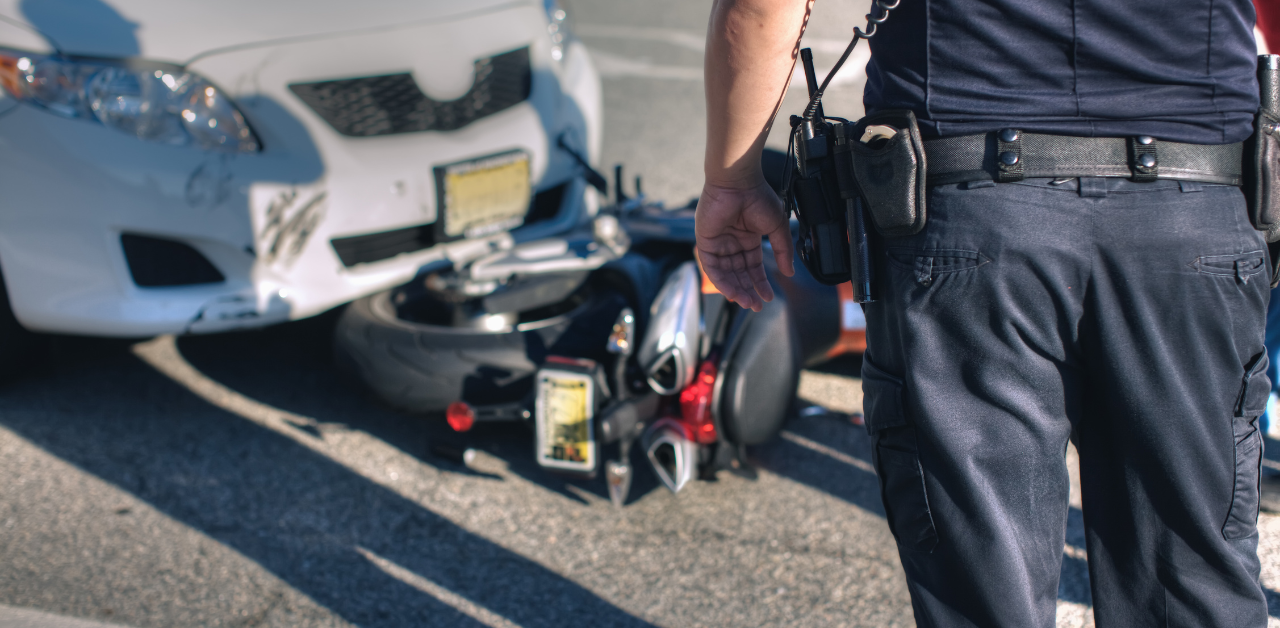
Police Officer at Car Accident Scene

What Percentage of Motorcycle Riders Get in Accidents in Hawaii?

Motorcycle riders face a significant risk on the road, but how many actually get into accidents? Unlike passenger vehicles, motorcycles offer less protection in a crash, leaving riders vulnerable to serious or fatal injuries. The statistics are alarming—motorcycle accidents are far more likely to result in severe injuries compared to car accidents and other motor vehicle accidents. This raises a pressing question: what percentage of motorcycle riders get in accidents? The reality is that motorcycle riders are often involved in crashes for the same reasons as other drivers—speeding, distracted driving, and negligence. However, the consequences are usually more severe. From broken bones to traumatic brain injuries, motorcycle crashes tend to lead to higher rates of fatalities and long-term injuries. Knowing these numbers is essential for improving safety on the road. By understanding the actual figures behind motorcycle accident statistics, you can work towards reducing the risks riders face. This article provides insights on the numbers, causes, and safety tips to keep you informed and safer on the road. Motorcycle Accident Rates in the U.S. Motorcycle accident rates in the U.S. are a significant public safety concern. Here are some key statistics that highlight the trends and risks associated with motorcycle accidents: In recent years, there were 5,579 motorcyclists killed in traffic crashes. Motorcyclists were approximately 28 times more likely to die in a crash per vehicle mile traveled than passenger vehicle occupants. Around 82,000 motorcyclists were injured in a specific year. Helmets are estimated to be 37% effective in preventing motorcycle accident fatalities and 41% effective for passengers. These statistics illustrate the heightened risks motorcyclists face on U.S. roads. Factors such as speed, alcohol use, and helmet laws play significant roles in the fatality and injury rates among motorcyclists. Key Causes of Motorcycle Accidents Motorcycle accidents often result from a combination of factors, making them complex events to analyze. Distracted driving is a major contributor, with many crashes occurring because drivers are not paying full attention to the road. Speeding significantly increases the severity of collisions, often leading to serious injuries. Negligent drivers, particularly those making left turns without checking for motorcycles, are another common cause of fatal crashes. Lane splitting, while legal in some states, also poses risks due to the close proximity of vehicles. Motorcycles' physical features offer less protection than cars, and riders' alcohol consumption further worsens these risks. Motorcyclists face heightened risks during lane changes, as drivers may not see them until it’s too late, leading to possible injuries. Understanding these causes helps develop better strategies to prevent accidents and protect riders on the road. Common Injuries Sustained in Motorcycle Crashes Motorcycle crashes often result in severe injuries due to the lack of protective features. Common injuries include: Head injuries Road rash Broken bones Fatal injuries Traumatic brain injuries Fractured bones Spinal cord injuries Foot and leg injuries These injuries can impact a rider’s quality of life, especially after a motorcycle crash. Legal Support for Motorcycle Accident Victims Motorcycle accident victims often face significant stress and hardship following an accident, making legal guidance crucial. Attorneys who understand the specific legal issues related to motorcycle accidents can provide invaluable support to victims. They assist in negotiating with various insurance companies to maximize compensation, helping victims cover medical expenses, lost wages, and other costs associated with the accident. Legal representatives who can handle case complexities and advocate for victims’ rights are essential. This support can be the difference between a fair settlement and financial ruin. For example, the Recovery Law Center in Hawaii specializes in helping motorcycle accident victims. They offer a free consultation to discuss the specifics of a case and determine the best course of action. Seeking legal support after a motorcycle accident can significantly aid recovery. Experienced attorneys can provide the guidance and representation needed to ensure you receive the compensation you deserve. How to Recover After a Motorcycle Accident Recovering from a motorcycle accident involves both physical and emotional healing. Many motorcycle accidents take place at lower speeds, often in urban environments or at intersections, yet they can still result in significant trauma. Counseling can help individuals process emotions and cope with trauma after an accident. Therapeutic approaches like cognitive-behavioral therapy can assist motorcycle accident victims in reframing negative thought patterns and developing healthier coping mechanisms. Group therapy offers a supportive setting for individuals who have experienced similar traumatic events to share and heal together. A therapist experienced in trauma can significantly benefit those recovering from the emotional impact of motorcycle accidents. Physical recovery often involves medical treatment, rehabilitation, and possibly surgery. Following a structured recovery plan and adhering to medical advice is crucial to regaining strength and mobility. Support from family, friends, and professionals can aid in a smoother and more comprehensive recovery process. Safety Tips to Reduce Motorcycle Accidents Motorcycle accidents happen far too often, and they frequently result in severe injuries. Although motorcycle riders account for a small percentage of total motor vehicle traffic, they face a significant risk compared to other drivers on the road. While not all accidents are avoidable, taking precautions can help reduce the chance of serious accidents and injuries. 1. Wear Protective Gear The first step in staying safe on a motorcycle is wearing the right gear. Helmets are crucial in preventing traumatic brain injury and can save your life in the event of a crash. The Insurance Institute for Highway Safety reports that helmets reduce the risk of fatal head injuries by a large margin. In addition to helmets, gloves, jackets, pants, and boots made from sturdy materials can protect you from road rash and broken bones in a serious accident. 2. Stay Visible One of the biggest dangers for motorcyclists is not being seen by other drivers. Cars and larger vehicles often overlook motorcycles due to their smaller size. To avoid this, always wear bright, reflective clothing and use your headlights, even during the day. Position yourself in the lane where other drivers can see you and avoid staying in blind spots. 3. Avoid Distracted Driving Distracted driving is a leading cause of accidents for both motorcycle riders and other vehicle drivers. Whether texting, eating, or adjusting the radio, distractions can take your eyes off the road for just a few seconds, leading to a crash. Stay focused, and keep both hands on the handlebars at all times. 4. Obey Speed Limits Speeding is a common factor in fatal motorcycle accidents. According to motorcycle accident statistics, speeding increases the chances of losing control of the bike and reduces the time needed to react to obstacles. Stick to posted speed limits, and adjust your speed based on road conditions, traffic, and weather. 5. Watch for Hazardous Road Conditions Motorcyclists are more vulnerable to road hazards than drivers of passenger vehicles. Gravel, potholes, and wet or icy roads can cause a motorcycle to lose control. Always stay alert for changing road conditions, and slow down when necessary to avoid slipping or skidding. 6. Practice Defensive Riding Motorcycle riders should always assume that other drivers might not see them. Defensive riding means staying aware of your surroundings, anticipating other drivers’ actions, and being ready to react if needed. Keep a safe distance from other vehicles, and be prepared to make quick decisions to avoid a collision. 7. Don’t Ride Under the Influence Drinking and riding is a deadly combination. Alcohol and drugs impair your ability to operate a motorcycle safely. Statistics show that a large percentage of motorcycle riders involved in fatal accidents were under the influence. If you plan to drink, leave your bike at home or arrange for alternate transportation. 8. Take a Motorcycle Safety Course Even experienced riders can benefit from a motorcycle safety course. These classes teach advanced riding techniques, helping you avoid potential accidents. Many courses also focus on crash avoidance strategies and help build your confidence on the road. Legal Support for Motorcycle Accident Victims The Recovery Law Center is committed to helping motorcycle accident victims through these tough times. Whether you’ve been injured in a motorcycle crash or lost a loved one in a fatal motorcycle accident, you deserve legal representation that understands the unique challenges faced by motorcyclists. For those seeking compensation for their injuries or losses, schedule a consultation with a motorcycle accident attorney to get the justice and support you need. Don't wait to seek help after an accident. Get the answers you need from professionals experienced in motorcycle accident cases.

Man riding a white motorcycle on the highway and wearing a white helmet

Is It Legal to Ride a Motorcycle Without Insurance?

Imagine cruising down the highway with your bike, the wind in your hair, and the open road ahead. Suddenly, an unexpected accident occurs. You might face medical bills, property damage, and even legal consequences. The situation worsens if you lack motorcycle liability insurance. Without it, you risk significant financial strain and legal penalties, including fines and even license suspensions for repeat offenses. Most states require motorcycle insurance to protect riders and others on the road. This requirement ensures that drivers can cover costs related to accidents, including bodily injury and property damage. However, many motorcyclists still wonder if it's possible to ride a motorcycle with no insurance legally. The simple answer is no. Riding without insurance exposes you to serious risks, both legally and financially. In this article, we will explore the legal implications and potential consequences of riding a motorcycle without insurance. Are Motorcycle Riders Allowed To Drive Without Insurance in Hawaii? Motorcycle liability insurance is required in Hawaii. This coverage protects others who are injured in motorcycle accidents caused by you. Drivers must carry proof of insurance with them every time they ride. How Much Insurance Do I Need? The state of Hawaii sets a minimum amount of insurance that you'll need for your motorcycle. This includes liability insurance covering: $20,000 of coverage per person and $40,000 per accident in bodily injury liability $10,000 in property damage liability Keep in mind that these are minimums only. The costs of an accident may be significantly higher. That's why Recovery Law Center always recommends that our clients purchase as much insurance as they can afford. Otherwise, they could be forced to pay substantial accident-related costs out of pocket. Consequences of Riding Without Insurance Under Hawaii law, motorcyclists face serious penalties for driving without insurance. These may include: A $500 fine for the first offense and a minimum of a $1500 fine for each subsequent offense within a five-year period Community service License suspensions ranging from a three-month suspension for the first conviction to a one-year suspension for further violations within a five-year period Jail time Suspension or revocation of the vehicle registration Impoundment or sale of the motorcycle Common Insurance Mistakes Motorcyclists Make Insurance is essential. Ensure that you have the coverage you need and don't fall victim to these common mistakes: Being underinsured. Accidents are expensive, so make sure you have enough insurance to cover yourself. Modifying the motorcycle and not telling the insurance company. Modifications, especially those related to performance, could increase the cost of your insurance. But if you don't tell the insurer that you made changes to your bike, they could deny your claim. Canceling your insurance but riding anyway. Some people ride their motorcycles infrequently, tempting them to cancel their insurance. That can lead to fines, and if you're in an accident, it could cost you everything. Why Motorcycle Insurance Policy is Important for Motorcycle Riders in Hawaii? Here’s why having a motorcycle insurance policy is essential for every rider in Hawaii. Financial Protection Motorcycle insurance in Hawaii protects riders from the high costs associated with accidents. Medical bills, property damage, and liability claims can be financially devastating. An insurance policy helps cover these expenses, ensuring that riders are not left with overwhelming debt. A motorcycle accident without insurance could have long-lasting financial implications. Liability Coverage Accidents happen, and sometimes riders are the at fault party. Motorcycle liability insurance covers the at-fault party’s expenses, including bodily injury and property damage. This coverage is essential in protecting your assets and ensuring that victims receive the compensation they need. It also shields you from potential lawsuits that can arise from negligent actions. Medical and Disability Coverage In the unfortunate event of an accident, motorcycle insurance can cover medical expenses and income disability. This means that if you're injured and unable to work, your policy can provide financial support during your recovery. This aspect of coverage is vital for maintaining financial stability after an accident. Medical and disability coverage ensures that you can focus on healing without the added stress of financial burdens. Comprehensive and Collision Coverage Motorcycle insurance often includes comprehensive and collision coverage. Comprehensive coverage protects against theft, vandalism, and natural disasters, while collision coverage pays for damage to your bike in an accident. Given the high costs of repairs and replacements, these coverages are essential for protecting your investment. Protection for Passengers If you carry passengers on your motorcycle, your insurance policy can cover their medical expenses in the event of an accident. This is an important aspect of ensuring the safety and well-being of your passengers, who may otherwise face significant medical bills. Knowing that your passengers are protected provides peace of mind, allowing you to focus on the road without the added worry of potential financial burdens in case of an unfortunate incident. Adherence to Safety and Legal Standards Motorcycle insurance policies often require compliance with safety standards, such as wearing helmets and eye protection. These safety features not only protect riders but also ensure compliance with Hawaii law. Following these guidelines can prevent accidents and reduce the severity of injuries. Cost Factors Insurance premiums are influenced by several factors, including the type of motorcycle, your riding history, and the safety features of your bike. While the cost of insurance might seem high, the protection it offers far outweighs the expense. Additionally, maintaining a clean driving record and investing in safety features can help lower your premiums. What is the Role of a Motorcycle Accident Lawyer in Motorcycle Insurance? Motorcycle riders face unique risks on the road, and having motorcycle insurance is essential for their protection. A motorcycle accident lawyer can assist riders in several ways: Fighting for Insurance Claims: After an accident, dealing with insurance companies can be daunting. Lawyers help riders file claims correctly and ensure all necessary documentation is provided. This reduces the chances of claim denial. Maximizing Compensation: Insurance companies often aim to pay the least amount possible. A lawyer can negotiate on behalf of the rider to ensure they receive fair compensation for medical bills, property damage, and income disability plans. Understanding Policy Details: Lawyers explain coverage details, such as what constitutes full coverage versus minimum coverage, and ensure riders understand their rights and obligations. Dealing with Legal Consequences: If a rider is found at fault for an accident, there can be legal consequences, including license suspensions or higher insurance premiums. A lawyer helps mitigate these consequences and defends the rider’s interests. Common Issues Addressed by Motorcycle Accident Lawyers Bodily Injury and Medical Bills: Lawyers ensure that the rider’s medical expenses are covered and help negotiate settlements for bodily injury claims. Property Damage: They assist in getting compensation for damage to the rider’s motorcycle and any other property. Liability Issues: If the rider is sued, the lawyer provides a defense against claims of negligence or other accusations. Insurance Premiums: Lawyers help riders understand how an accident can affect their insurance premiums and explore ways to minimize increases. Coverage Disputes: In cases where the insurance company denies coverage, lawyers advocate for the rider to ensure they receive the benefits they are entitled to under their policy. Ensuring Compliance with State Laws Motorcycle accident lawyers are well-versed in state laws and insurance requirements. For instance, Hawaii law requires riders to have a valid motorcycle license and carry insurance to operate a motorcycle legally on public roads. Lawyers ensure their clients meet these requirements to avoid penalties. Protect Yourself with the Legal Guidance From a Motorcycle Accident Lawyer in Hawaii Riding a motorcycle without insurance is illegal in most states, including Hawaii. Without proper insurance, you risk severe legal consequences, financial burdens, and limited options for medical and property damage recovery if involved in an accident. For motorcyclists in Hawaii, seeking legal advice is a smart move. Recovery Law Center, a dedicated motorcycle accident attorney, offers valuable support and guidance. If you've been in an accident or need to understand your rights, schedule a consultation with Recovery Law Center today. Our experience can help you in the event of a motorcycle accident and receive the rightful compensation and settlement.

Contact Us

Fill out this form below and we'll contact you shortly
*Required Fields