Motorcycle riders in Hawaii face hazards different from those faced by drivers in enclosed vehicles. A motorcycle is smaller, lighter, less visible, and less protected in a crash. On Oahu, in Honolulu traffic, on rural island roads, or along coastal routes where weather can change quickly, safety depends on preparation, visibility, legal compliance, and defensive riding.
These Hawaii motorcycle safety tips focus on practical steps that motorcycle riders can take to reduce risk, stay visible, comply with state requirements, and protect themselves before and after an accident.
1. Wear the Right Helmet and Eye Protection
One of the most important Hawaii motorcycle safety tips is to wear protective gear every time you ride. Hawaii law requires operators and passengers under 18 to wear an approved safety helmet securely fastened with a chin strap. Even when a rider is not legally required to wear a helmet, wearing one remains one of the strongest ways to protect the head, face, and brain in an accident.
Eye protection is also crucial. Riders and passengers must wear glasses, goggles, or a face shield unless the motorcycle has a windshield. A clear visor or approved eye protection helps protect your vision from rain, insects, debris, dust, and wind. Losing clear vision for even a second can be dangerous in traffic or on a curved road.
For stronger protection, motorcycle riders should wear:
- A DOT-compliant helmet
- Eye protection or a clean face shield
- Abrasion-resistant jacket and pants
- Full-finger gloves
- Over-the-ankle boots
- Bright or reflective clothing
In Hawaii, sudden weather changes can make visibility and traction worse within minutes. Good gear helps riders stay visible, focused, and better protected.
2. Stay Visible to Other Drivers
Many motorcycle accidents happen because other drivers do not see the motorcycle in time. A bike is smaller than other vehicles, and drivers may misjudge its distance or speed. That makes visibility one of the most important motorcycle safety issues in Hawaii.
To stay visible, keep your headlight on, avoid lingering in blind spots, and position your motorcycle so drivers can see you in their mirrors. Use turn signals early before changing lanes or turning. When slowing down, tap your brake light when appropriate so drivers behind you receive a clear warning.
Bright clothing, reflective strips, and a clean helmet or visor can also help you stand out. This is especially important during rain, at dusk, at night, and in heavy Honolulu traffic where drivers may be watching cars, buses, pedestrians, mopeds, bicycles, and scooters at the same time.
3. Keep a Safe Following Distance
Motorcycles need space to react. Tailgating, sudden braking, or riding too close to the rear of another vehicle can leave no room to avoid a collision. Hawaii roads may include unexpected hazards such as potholes, wet pavement, loose sand, fallen branches, or uneven construction plates.
A safe distance gives you more time to spot danger and change position. Increase your following distance when traffic is moving fast, roads are wet, visibility is poor, or the vehicle ahead is large enough to block your view of the road.
Do not assume the driver behind you will stop in time. When stopped in traffic, keep your bike in gear and watch your mirrors. Leave enough room to move forward or to the side if a vehicle approaches too quickly from the rear.
4. Follow Hawaii Motorcycle Laws and Regulations
Safe riding also means knowing and following Hawaii motorcycle laws. Riders should make sure their motorcycle is properly registered, insured, inspected, and legally equipped before operating it on public roads.
Key legal and safety reminders include:
- Motorcycle and motor scooter liability insurance is required in Hawaii.
- Riders should carry valid proof of insurance.
- Vehicles must be properly registered and inspected as required.
- Lane splitting is illegal in Hawaii.
- Motorcycles are not bicycles and should not be operated in bicycle lanes.
- Children under age seven may not be transported on a motorcycle or scooter.
- Riders with an instruction permit may not carry passengers or ride during hours of darkness.
- A motorcycle used for a skills test must be in safe operating condition, with current registration, a valid safety inspection, and liability insurance identification.
These rules are not just technical requirements. They help reduce risk, confirm the motorcycle is roadworthy, and protect riders in the event of an accident.
5. Avoid Lane Splitting and Unsafe Passing
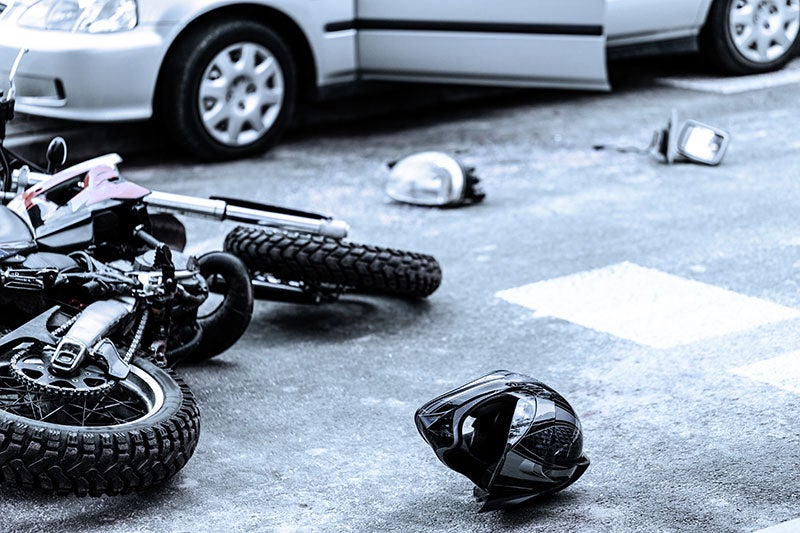
Lane splitting may seem tempting in slow Oahu traffic, but it is illegal in Hawaii and can be extremely dangerous. Drivers may change lanes suddenly, open doors, drift within a lane, or fail to notice a motorcycle moving between vehicles.
Instead, stay in a lawful lane position that offers the best combination of visibility, escape space, and road surface quality. Avoid riding between vehicles, passing on the shoulder, or squeezing through tight spaces where drivers do not expect a motorcycle to appear.
When passing is legal and safe, signal clearly, check mirrors, look over your shoulder, and complete the pass without speeding or cutting sharply back into the lane.
6. Prepare for Hawaii Road Hazards
Hawaii roads can change quickly. A route that feels dry and safe in one area may become wet, shaded, or slippery a few miles later. Mountain roads, coastal roads, and older streets may include potholes, uneven pavement, drainage grates, loose gravel, or faded lane markings.
Before each ride, prepare for:
- Sudden rain showers
- Slick intersections
- Potholes and pavement cracks
- Sand or gravel near beaches and shoulders
- Wet leaves or mud on rural roads
- Strong wind near open coastal areas
- Limited visibility at night
- Tourist traffic and unpredictable stops
Scan far ahead instead of focusing only on the vehicle directly in front of you. If you see a hazard, reduce speed smoothly, keep the bike upright when possible, and avoid sudden braking while leaned into a turn.
7. Ride Sober and Rested
Alcohol, drugs, and fatigue can destroy a rider’s judgment, balance, reaction time, and coordination. Operating a motorcycle requires full attention because riders must constantly manage speed, road position, traction, braking, and surrounding traffic.
Never ride after drinking alcohol or using impairing drugs. This includes some prescription or over-the-counter medications that cause drowsiness, dizziness, or delayed reaction time. Fatigue can also be dangerous, especially during long rides, late-night travel, or hot weather.
If you are tired, take a rest break, hydrate, and wait until you can ride with clear focus. A safe schedule is better than a rushed ride.
8. Inspect Your Motorcycle Before Every Ride
A quick pre-ride inspection can prevent serious problems on the road. Before operating your motorcycle, check the parts that affect control, visibility, and stopping power.
Inspect:
- Tires for air pressure, tread, cracks, or embedded objects
- Brakes for firmness and stopping response
- Headlight, brake light, and turn signals
- Mirrors and rear visibility
- Chain or belt condition
- Fluid levels and leaks
- Horn
- License plate and registration display
- Safety inspection status
- Insurance card or valid proof of insurance
Do not ignore warning signs such as soft brakes, wobbling, leaking fluid, expired documents, or unusual sounds. A bike that is not mechanically safe should not be ridden in traffic.
9. Use Extra Caution Around Intersections
Intersections are one of the most dangerous places for motorcycle riders. Drivers may turn left across a motorcycle’s path, roll through a stop sign, run a red light, or fail to judge how quickly a motorcycle is approaching.
When approaching an intersection, slow down enough to react. Cover your brakes when appropriate, check for turning vehicles, and make eye contact when possible. Even if you have the right of way, do not assume other drivers will yield.
Watch for vehicles waiting to turn across your lane, cars exiting parking lots, pedestrians stepping into crosswalks, and drivers looking at phones instead of traffic.
10. Adjust Your Riding for Honolulu and Oahu Traffic
Oahu riders often deal with stop-and-go traffic, narrow city streets, buses, delivery vehicles, rental cars, and tourists unfamiliar with local roads. In Honolulu, a motorcyclist may need to react to frequent lane changes, sudden stops, pedestrians, cyclists, and drivers searching for parking.
Use a defensive lane position, avoid rushing through congestion, and give other vehicles more room than you think you need. Around tourist-heavy areas, expect hesitation, last-second turns, and unpredictable braking.
In traffic, the safest rider is often the one who stays patient, visible, and predictable.
11. Be Careful When Buying or Borrowing a Motorcycle
Safety starts before the first ride. If you are buying a motorcycle, make sure it fits your skill level, height, experience, and intended use. A bike that is too tall, too heavy, or too powerful can be harder to control during slow turns, emergency stops, or uneven road conditions.
Before buying or riding a motorcycle, confirm:
- Valid title and registration requirements
- Current or required safety inspection
- Insurance availability
- Tire and brake condition
- Handlebar height and legal equipment
- Whether the motorcycle has been modified
- Whether it is appropriate for your age, license, and experience level
A motorcycle should match the rider, not just the road.
12. Take a Motorcycle Safety Course
Even experienced riders can benefit from structured training. A motorcycle safety course can help riders improve braking, turning, hazard awareness, low-speed control, and emergency maneuvers. New riders should complete an approved course and practice in safe areas before riding in heavy traffic.
Training is especially useful in Hawaii because riders may face a mix of city congestion, rural curves, wet pavement, and limited escape routes. A course can help riders prepare for real conditions rather than learning only through trial and error.
Ride Prepared, Stay Visible, and Know Your Rights
The most effective Hawaii motorcycle safety tips are practical and consistent: get properly licensed, complete a safety course, wear protective gear, stay visible, follow Hawaii traffic laws, maintain your motorcycle, avoid alcohol and drugs, and adjust your riding to local road conditions.
Every ride requires attention. Every intersection deserves caution. Every curve should be approached carefully. When another driver’s mistake causes a serious motorcycle accident, injured riders should know that legal help is available.
If you or a loved one has been injured in a Hawaii motorcycle accident, Recovery Law Center helps injured motorcyclists understand their options. Schedule a consultation to discuss your case with a personal injury law firm experienced in Hawaii motorcycle accident claims.