Blog

All Car Accidents Honolulu Auto Accident News Personal Injury Moped Accidents Motorcycle Accidents Pedestrian Accidents Truck Accidents Bicycle Accidents Boating Accident Our Firm Premises Liability Community
Group of people clinking glasses filled with alcohol during a night out

Most Fatal Car Crashes on New Year's Day

Most of us welcome a new year with hope and celebration. We celebrate with friends and family, often with some alcohol consumption. However, this festive time has a serious and dangerous side. The new year holiday period, stretching from New Year's Eve into New Year's Day, is one of the most dangerous times on the road. This is when the number of alcohol-related car accidents and deaths increases sharply. According to the National Safety Council, New Year's Day consistently has one of the highest percentages of alcohol-related fatalities. The numbers are frightening. For instance, in a recent year, 37% of fatalities during the New Year's holiday period involved an impaired driver. This is much higher than the national average. The large number of drunk driving crashes causes many injuries and deaths, often harming not only the drunk driver but also innocent people. These victims suffer serious injuries that change their lives forever. For those who survive, the road to recovery is long. If you or a family member has been injured in a crash caused by a drunk driver, you may need a personal injury lawyer to help you get compensation. Our team at Recovery Law Center understands these cases. We know the pain and stress that follow such a serious accident. We are here to help people who have been harmed by the irresponsible actions of others. Why New Year's Day Sees So Many Fatalities Due to Drunk Driving New Year’s Day is one of the most dangerous holidays of the year for drivers, passengers, and pedestrians. Knowing the causes of these tragedies can help individuals take steps to stay safe and prevent accidents. High Alcohol Consumption on New Year’s Eve: The night before New Year’s Day is filled with celebrations, alcohol-related parties, and gatherings where many people drink heavily. This alcohol use results in more impaired drivers on the road after midnight. Late-Night Driving and Fatigue: Most parties end well past midnight, a time when visibility is poor, drivers are tired, and crashes are more likely to occur. This extra risk period results in a higher number of vehicle accidents compared to an average night. Statistics Show a Sharp Increase in Fatalities: According to transportation safety data, New Year’s Day sees a higher percentage of drunk driving-related deaths and serious injuries than Christmas or other holidays. These statistics reveal that alcohol-related crashes may account for nearly half of all road fatalities during this time. Winter Road Conditions: In many states, icy or wet roads make it harder for impaired drivers to stay in control of their car, increasing the chances of a fatal accident or severe personal injury. Your Rights After a Drunk Driving Car Accident Knowing your rights after a drunk driving car accident is the first step toward protecting your health, building a strong claim, and getting the justice you deserve. Seek Immediate Medical Attention: Consult a doctor as soon as possible, even if you feel fine. Some injuries, like concussions or internal bleeding, may not show symptoms right away, and medical records will be substantial evidence in your case. Document Your Injuries and the Accident: Keep copies of medical reports, hospital bills, and photos of the crash scene or your injuries. These will strengthen your personal injury claim. Consult a Personal Injury Lawyer Immediately: Speak with an experienced attorney as soon as possible. At Recovery Law Center, we offer free consultations to help you understand your rights without financial pressure. Get Help Filing Your Claim: Your lawyer can guide you through the claims process, negotiate with the insurance company, and represent you in court if necessary. Hold the At-Fault Driver Accountable: You should not have to bear the financial burden caused by someone else’s reckless decision. Legal action can secure damages for medical costs, lost wages, and pain and suffering. How to Stay Safe on the Road During the Holiday Period There are steps people can take to avoid becoming part of these statistics. If you plan to drink on New Year’s Eve, arrange safe transportation. Use a ride share app, taxi, or ask friends to drive. Do not allow others to drive if they have been drinking. If you see someone trying to drive while drunk, take their keys and help them find a safe way home. Drive with extra care during the holiday night and day. Watch for impaired drivers who may weave, speed, or stop suddenly. Keep a safe distance and contact the police if you see dangerous driving. These actions may prevent accidents and save lives. Call Our Personal Injury Attorney and Take Legal Action After a New Year's Day Drunk Driving Accident in Hawaii The New Year should be a time of hope, not loss. Sadly, drunk driving continues to cause many preventable deaths and injuries every year. If you or your family has suffered because of a drunk driver, let our personal injury attorneys at Recovery Law Center help. Our team will work to secure the compensation you need to cover medical expenses, lost income, and other damages. Contact us today to see how we can assist you in moving forward after a holiday accident.

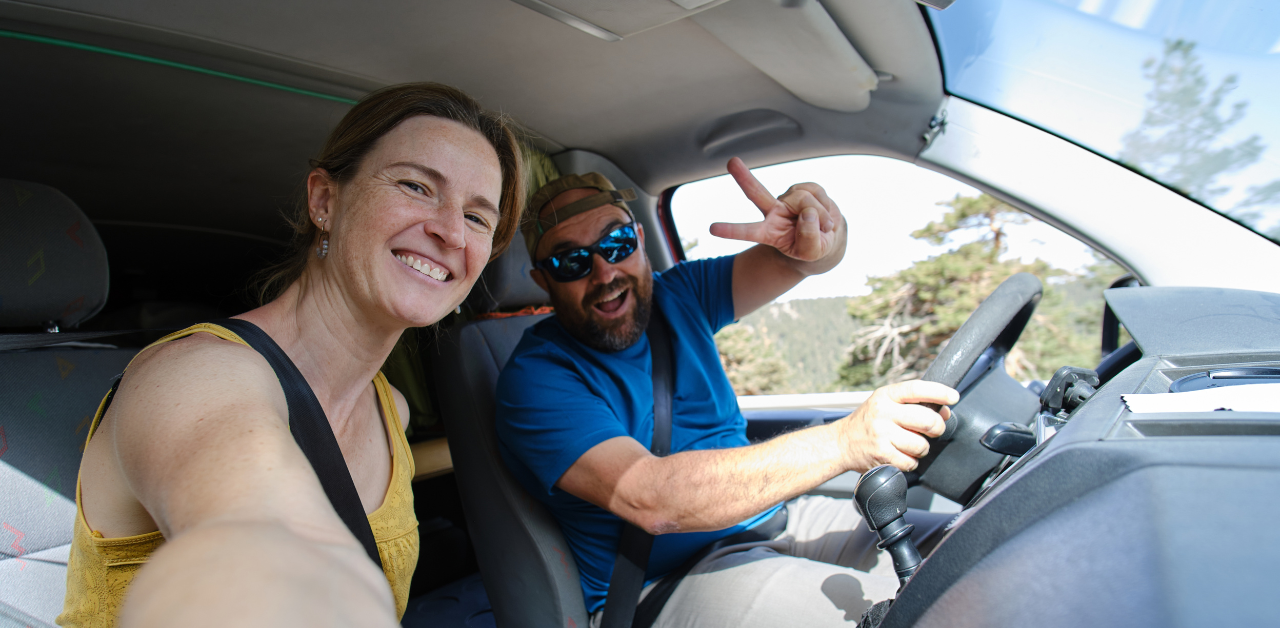
Happy couple takes a road trip selfie inside their vehicle, smiling and enjoying the ride

Latest Driving Distraction: Selfies Cause Car Accidents

Taking selfies has become a daily habit for many people. It started as a harmless way to share moments online, but a troubling trend has grown from it. Drivers are now taking selfies behind the wheel, and this latest driving distraction has added a dangerous layer to an already serious problem. Photos and short videos posted on social media sites reveal many drivers taking pictures on highways, side streets, and even in traffic. This behavior endangers the driver, passengers, and everyone else on the road. Data from National Highway Traffic Safety Administration shows how serious this problem has become. In 2023 alone, distracted driving accidents took the lives of 3,275 people nationwide. That number represents far more than statistics on a chart. Every life lost reflects a crash that could have been prevented if the driver had kept full attention on the road. The growing habit of taking selfies while driving contributes to these tragedies because it pulls a driver’s eyes, hands, and mind away from safe operation. Distracted driving has always included talking, texting, eating, adjusting a radio, or using electronic devices. Selfies now join the list, but with added risks because a camera forces the driver to shift focus, raise a phone, pose, and often glance twice to retake the shot. That entire process takes attention away from the road for far longer than most people realize. The Hidden Dangers of Phone Use Behind the Wheel Using a mobile phone while driving has become one of the most significant modern risks on the road. What often starts as a quick glance at a notification or a moment to capture a photo can escalate into a serious safety hazard. Research on problematic or maladaptive phone use shows that some people feel compelled to stay connected, to the point where being unable to check their device creates discomfort or anxiety. Unfortunately, this habitual need to engage with a phone doesn’t stop when they’re behind the wheel. When driving, this kind of compulsive phone use translates into a hazardous distraction. Even a few seconds of diverted attention can drastically reduce reaction time, impair situational awareness, and increase the likelihood of a crash. Studies have linked phone-related distraction to road traffic accidents that result in injuries and, in the worst cases, fatalities. The scale of the problem is alarming. This widespread behavior has prompted many governments to enact strict laws prohibiting the use of handheld devices while driving. These legal measures underscore just how serious and preventable the danger is. Breaking the habit requires more than simply putting the phone down. It often involves recognizing a deeper pattern of dependence. But choosing to disconnect while driving is one of the most effective and immediate ways to protect not only yourself but everyone else on the road. Why Driving Selfies Are More Dangerous Than Other Distractions Drivers have always dealt with distractions. Eating, talking to passengers, applying makeup, and phone conversations can all cause drivers to look away or lose concentration. Selfies add extra steps, making them more dangerous. A selfie often requires the driver to: Hold a phone up high. Turn slightly to the right angle. Check the screen. Smile or pose. Retake the photo if needed. Sometimes post it online. These steps increase the chance of drifting into another lane or failing to react to a sudden hazard. A distracted driver may not see a stopped car, a school bus, a pedestrian in a crosswalk, or a motor vehicle slowing ahead. Even small corrections at high speed can cause the vehicle to swerve, leading to rollover crashes or collisions with barriers. Fatal accidents linked to handheld device use continue to rise. Fatal crashes often involve young drivers who believe they can manage two tasks at once. Many people driving with one hand find that the distraction makes their reactions slower. The risk increases further when the driver uses a handheld device rather than a hands-free one. The Role of Social Media Pressure Social media platforms reward quick posts and constant updates. Many young people feel pressure to show fun moments or share live content while traveling. This pressure leads some to take selfies while driving to show they are “busy” or “on the move.” The latest trend includes drivers using filters, stickers, and effects while still in the driver’s seat. Posting selfies also creates delayed distractions. Some drivers take photos, then check likes or comments. That habit keeps the driver’s eyes on the phone, not the road. Even when the car is moving slowly in traffic, this behavior causes car crashes because the driver fails to see brake lights or lane changes. How Law Enforcement Responds Police departments across the country, including in Hawaii, have stepped up enforcement against distracted driving. Officers look for signs such as swerving, delayed starts at traffic lights, or drivers holding phones at face level. Using a phone to take photos while driving is illegal in Hawaii. Drivers caught taking selfies can face fines and penalties. If the behavior causes an accident, the distracted driver can face serious consequences. Accident reports often include details about cell phone use. Insurance companies review these records to determine fault. If a driver caused a collision due to taking pictures or using a phone, they can be held responsible for the injuries and losses of everyone involved. How Selfie Distractions Cause Catastrophic Injuries A single moment of distraction can lead to catastrophic injuries. Victims hit by a vehicle driven by someone taking selfies may suffer injuries such as: Traumatic brain injuries Spinal cord damage Broken bones Internal injuries Severe burns Amputations These injuries change lives. Many victims need long-term medical care, which leads to large medical bills, lost income, and emotional strain. Some victims never fully recover. Families also face the tragedy of fatal accidents caused by distracted drivers who failed to keep their attention on the road. Why Young Drivers Are Not the Only Ones Involved Teenagers often receive attention for risky behavior on social media, but they are not the only ones taking selfies behind the wheel. Adults also take part in the trend. Some believe their driving skills allow them to multitask. Others underestimate how long it takes to hold up a camera, snap a picture, and place the phone down. Many drivers who cause accidents report that they only looked away for a second. This second is enough for a vehicle to travel several yards. A car moving at high speed needs constant attention because road conditions change rapidly. The Impact on Other Road Users Drivers taking photos behind the wheel create danger for everyone. Pedestrians crossing a street become vulnerable when a driver fails to see them. Cyclists and motorcyclists face even greater risk because they have little protection during a collision. School bus drivers report increased concerns because many drivers speed around buses without noticing warning signs. A distracted driver may not see a child stepping off a bus. These accidents often cause severe injuries or death. Commercial drivers also face risks. A distracted passenger vehicle driver may drift into a truck’s lane. Many fatal crashes involving trucks occur because the smaller vehicle’s driver was distracted. How to Prevent Selfie-Related Distractions Drivers can reduce risks by taking simple steps. Put the phone out of reach before driving. Use a hands-free device only for urgent calls. Set music or navigation before starting the engine. Ask passengers to take photos instead of trying to do it yourself. Pull over safely if you need to take pictures or post online. Families should remind young drivers that no photo is worth risking a life. Teenagers often imitate behavior they see online. Parents and guardians can set an example by avoiding phones behind the wheel. Employers can also help. Companies with vehicle fleets can enforce policies that restrict drivers from using electronic devices. These policies reduce liability and protect workers from accidents caused by distraction. A Local Perspective for Hawaii Drivers Hawaii’s roads require extra care. Tourists, residents, and military members share narrow lanes, winding roads, and busy intersections. Many drivers slow down to admire the scenery. This means that even a single distracted moment is much more likely to cause a crash. Recovery Law Center has represented many victims of distracted driving in Hawaii. Our team understands the challenges victims face after a serious accident. We work to protect your rights and guide you through the recovery process. Contact Recovery Law Center After a Distracted Driving Accident Every accident caused by a distracted driver leaves people with unexpected challenges. Our team at Recovery Law Center works to ease that burden by offering clear direction and steady legal support from the first call forward. When you reach out to us, you speak with people who listen and treat your situation with care. We want you to understand your options, feel confident in your decisions, and know you have a committed legal team standing with you throughout the process. Many clients express that our approach brings comfort during a difficult time. One client, George C., shared, Awesome people friendly professional knowledgeable law firm ...better than others!! Very glad I choose them ... Much Mahalos Team Recovery Law Center!! We appreciate words like these because they reflect the effort we put into every case. If you were injured by a distracted driver, we invite you to speak with us. Contact Recovery Law Center for a free consultation, and let us help you move forward with clarity and support.

Close-up of dialing 911 on phone, showing fast emergency response in truck driver safety

What to Do as a Witness of a Car Accident

Seeing a car accident happen right in front of you can be shocking. Your heart races, and your first instinct might be to jump out and help. But acting calmly and safely can make a big difference for everyone at the accident scene. Knowing what to do as a witness to a car accident helps protect your own safety, the accident victims, and the drivers who are involved. It also allows the police and insurance companies to sort out fault and compensation later. Our car accident attorneys at Recovery Law Center provide a clear guide on the steps to take, how to handle witness statements, and how your actions can support the individuals involved in the accident and any future car accident cases. 1. Stay Calm and Secure Your Own Safety Before doing anything, take a deep breath. Your first duty as a witness is to make sure you are safe. Do not rush into the scene of the crash. Pull your vehicle to a secure area, far from oncoming traffic, broken glass, or leaking fuel. Turn on your hazard lights so other drivers can see you clearly. If you are not directly involved, avoid standing too close to the people or vehicles involved. Many accidents happen when others stop without caution. Most states require you to act reasonably and not place yourself or others in danger. Your safety comes first. 2. Check on the Victims and Call Emergency Services Once it’s safe, check if anyone is injured. If you can, ask simple questions like “Are you hurt?” or “Do you need medical assistance?” Never move the victims unless there is a fire or an immediate danger. Moving someone with serious injuries could make their injuries worse. Call emergency services immediately, then provide them with precise details of the following: Location Circumstances of the accident Number of individuals who may require medical attention Stay calm when speaking with dispatchers. They will guide you through the following steps. If the victims are conscious, let them know help is on the way. Stay with them until police or paramedics arrive. Your steady presence can ease panic and provide comfort to both the victims and passengers. 3. Wait for the Police and Provide Accurate Information When the police arrive, they will assess the scene and collect witness statements. Tell the truth about what you saw, the events, the drivers, the vehicles, and any evidence, such as skid marks, a car running a red light, or the other driver texting before the crash. Be clear and stick to the facts that actually happened. Avoid guessing or making assumptions about fault. The officers will record your statement in the police report, which may later be used in car accident cases or insurance claims. Sometimes, officers or attorneys may have follow-up questions. Keep your phone number handy in case they need to reach you again. Your cooperation can be crucial in helping the parties understand how the accident took place and who might be liable. 4. Gather Details While You Wait If it’s safe, take photos or short notes about the scene before leaving. Capture the position of the vehicles, any visible injuries, road signs, or broken glass. These images may serve as evidence later. You can also collect contact information from the parties involved and other potential witnesses. Get names, phone numbers, and license plate numbers. This helps attorneys, insurance companies, and police verify facts later on. Avoid discussing who caused the crash. Never post pictures or comments online about the accident. Keep the information private and give it only to the police or car accident attorneys if requested. The Role of Attorneys After an Auto Accident Car accident attorneys investigate the scene, speak with witnesses, review police reports, and ensure that insurance claims are handled correctly. For many clients, working with a lawyer means peace of mind during a confusing time. If you are a witness and later get contacted by one of the parties, you can refer them to an attorney. Avoid discussing the accident without knowing your rights. The law protects witnesses from harassment or pressure to change their statements. Recovery Law Center assists clients who have been injured in car accident cases or those who are unsure how to proceed after witnessing a crash. If you need help answering additional questions, their firm is always ready to assist. Talk to an Accident Lawyer After Witnessing a Car Accident In some auto accident situations, your testimony may help someone recover compensation. Even if you weren’t directly involved, your act of honesty can change the outcome of a claim or trial. If you or someone you know has been hurt or involved in a crash, Recovery Law Center is here to help. Our firm works closely with clients to guide them through the process, answer any additional questions they may have, and ensure they understand their rights under the law. Many of those we’ve helped describe their experience as warm and supportive. As one client, Omar Freitekh, shared: The Recovery Law Center team have an excellent way of making you feel as part of the family. They are professional on each step of the way and are the definition of Aloha Spirit! In case you’ve been affected by an auto accident or need legal guidance from one of our car accident attorneys, contact us for a free consultation. The Recovery Law Center is ready to assist you in moving forward.

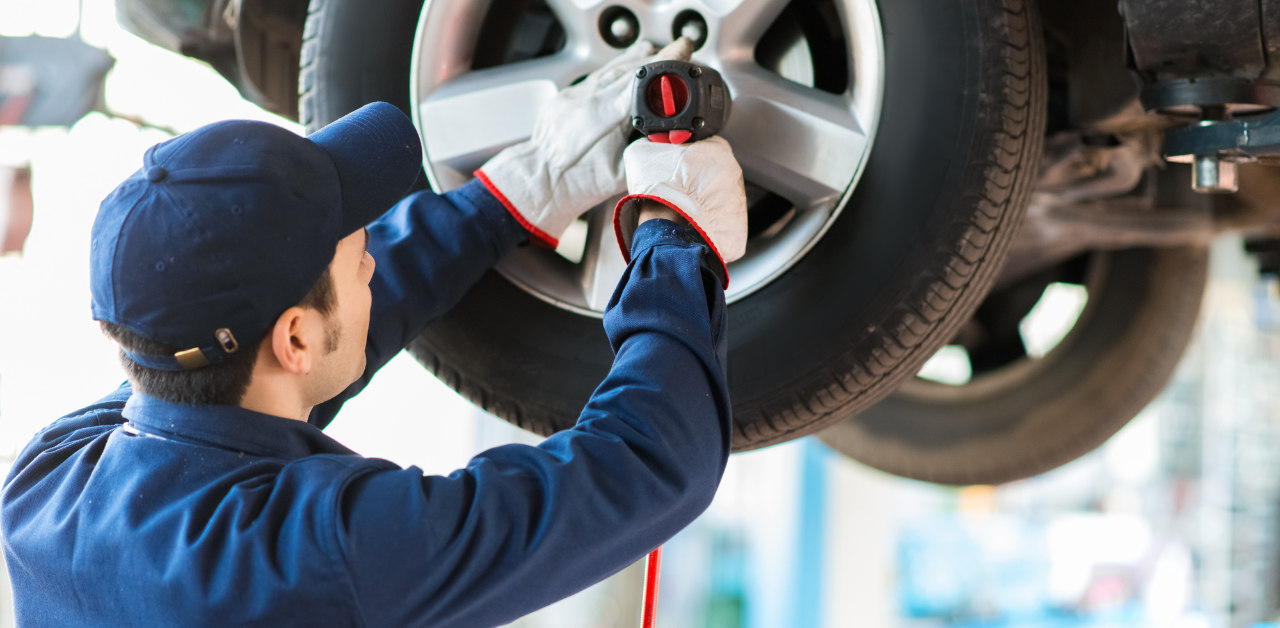
Mechanic repairs car tire in shop, part of the repair process after a car accident claim

Car Accident Caused by a Negligent Tire Shop

When the cause of a crash is linked to a car accident caused by a negligent tire shop, victims often feel overwhelmed and unsure of what to do next. Tire problems are hazardous because they affect vehicle control at all times. In fact, the National Highway Traffic Safety Administration reports that tire issues contribute to nearly 11,000 crashes each year, resulting in more than 600 deaths. A defective tire, improper installation, or careless repair work can cause someone to lose power without warning, leading to devastating consequences for both the driver and other road users. For over 29 years, Attorney Glenn Honda has helped individuals injured in accidents throughout Hawaii find justice and the financial relief they deserve. As the founding attorney of Recovery Law Center, he has fought for individuals who are victims of another person's negligence. If you were injured in a serious accident that a tire shop or auto repair shop contributed to, Recovery Law Center can help. Our law firm is dedicated to guiding victims through the legal process, pursuing justice and accountability, and securing fair compensation for all forms of harm suffered. Negligence in Auto Repair Shops A tire shop or auto repair shop takes on serious responsibility whenever it services a vehicle. When these businesses cut corners or perform careless repair work, the results can be tragic. Vehicle owners trust shops to keep cars safe, but failing to follow proper steps can create deadly hazards. Examples of negligence include: not tightening lug nuts using worn-out parts ignoring tread wear overlooking clear signs of a defective tire In some cases, shops may return a car without a final inspection, leaving drivers at risk of an accident caused by improper installation or unsafe maintenance practices. When negligence occurs, victims have the right to file a claim for negligence. The legal process requires showing that the repair shop owed a legal duty, breached that duty, and directly caused harm. At Recovery Law Center, we help victims build strong claims by uncovering proof that mistakes or shortcuts at a shop led to the crash. With our guidance, you can hold the liable parties accountable and demand compensation for the losses that resulted. Liability Beyond the Tire Shop: Other Liable Parties in Auto Accidents While a repair shop may be held liable, it is not always the only party at fault. Auto accidents caused by tire problems often involve multiple parties that are liable. For example, tire manufacturers may share responsibility if manufacturing defects or poor design contributed to the crash. Maintenance providers may also be at fault if they overlooked warnings or recommended unsafe parts during repair work. Sometimes, other drivers worsen the danger by reckless actions that combine with a mechanical failure, leading to a serious accident. When multiple liable parties are involved, our experienced attorney pursues each one to ensure full compensation. By broadening the scope of the investigation, we maximize your chances of a fair outcome and make sure no one who contributed to the accident escapes responsibility. Key Elements of a Negligence Claim Against Tire Shops To succeed in a negligence claim against a tire shop, you must present strong facts that show fault and damages. Courts and insurers look for specific elements before holding a repair shop or other parties liable for damages. Here’s what must be proven: Duty of Care: A tire shop or auto repair shop has a legal duty to perform safe repair work and return a roadworthy vehicle to its owner. Breach of Duty: A breach occurs when mechanics perform improper installation, ignore clear tread wear, or fail to identify obvious defects in a tire. Causation: The shop’s failure must be directly linked to the accident, showing that their mistakes contributed to the accident or caused the driver to lose control. Damages: Victims must prove actual harm that results in both economic and non-economic damages. Evidence: Strong evidence, like service records, accident reports, photographs, and testimony from qualified mechanics, supports the claim and demonstrates responsibility. The Serious Consequences of a Tire-Related Accident Tire failures can happen suddenly and without warning, turning an ordinary drive into a life-threatening situation. Some of the common challenges include: Severe Injuries to Drivers and Passengers: Tire blowouts or tread separation can cause sudden loss of control, often leading to rollovers, collisions, or ejections from the vehicle. Injuries range from broken bones to traumatic brain injuries. Increased Risk of Fatalities: Tire-related accidents are more likely to result in fatal outcomes because of the high speeds and sudden nature of these incidents, especially on highways or interstates. Property Damage: Besides vehicle destruction, tire accidents can cause damage to guardrails, road structures, or other vehicles involved in multi-car collisions. Traffic Disruptions: A single tire blowout accident can block lanes, create hazardous debris, and trigger chain-reaction crashes, resulting in hours of traffic congestion. Emotional and Psychological Impact Survivors of serious tire accidents often face post-traumatic stress, anxiety, or fear of driving, significantly affecting their quality of life. Financial Consequences Victims may face high medical bills, loss of income due to recovery time, vehicle repair or replacement costs, and long-term rehabilitation expenses. Legal Liability If the accident results from tire defects, improper maintenance, or negligence, lawsuits and liability claims can follow, potentially impacting drivers, manufacturers, and tire service providers. How Recovery Law Center Builds a Strong Case When you choose Recovery Law Center, you are placing your trust in a law firm with decades of hands-on experience. Our approach combines thorough investigation, professional insight, and clear communication to give victims the strongest chance of success. Here is how we build every case: 1. Comprehensive Investigation of the Accident We begin with a detailed investigation of the crash. This includes reviewing service records, accident reports, photographs, and interviewing witnesses. By examining every detail, we ensure that no evidence is overlooked. 2. Technical Review by Qualified Mechanics To establish experience and technical accuracy, we work with qualified mechanics who examine the tire, tread, and lug nuts. Their findings confirm whether the accident was caused by repair work, improper installation, or mechanical failure. 3. Determining Liability Across All Parties Our legal team evaluates the entire chain of responsibility. This includes the shop that performed the repair, maintenance providers, or even tire manufacturers if a defective tire or manufacturing defects are involved. 4. Calculating Damages and Losses We carefully document financial and personal harm, including medical expenses, lost wages, property damage, and non-economic damages like pain and suffering. This step ensures that claims accurately reflect the full value of the recovery. 5. Negotiating with Insurers and Litigating if Needed Once the evidence is secure, we present an apparent demand backed by proof of liability. If insurers refuse fair settlement, our experienced attorney is ready to take the case to court, using facts to demonstrate responsibility and seek justice. 6. Guiding Clients Through Every Step Throughout the legal process, we explain your legal options, update you on progress, and ensure you feel supported. This builds trust, keeps you informed, and allows you to focus on healing while we handle the fight for compensation. Contact Recovery Law Center for a Free Consultation If you were hurt in a car accident caused by a negligent tire shop, do not wait to take action. Recovery Law Center can help you determine liability, identify all liable parties, and fight for the compensation you deserve. Our experienced attorney and dedicated legal team will review your case, explain your legal options, and stand by you throughout the legal process. We are committed to helping you recover compensation, secure the full value of your case, and move forward with peace of mind knowing the liable parties have been held responsible. Get to know the car accident lawyers at Recovery Law Center and book a consultation today to get started. Let our experienced attorney, Glenn Honda, and dedicated team fight to secure the full value of your case and move forward with peace of mind knowing the liable parties have been held responsible.

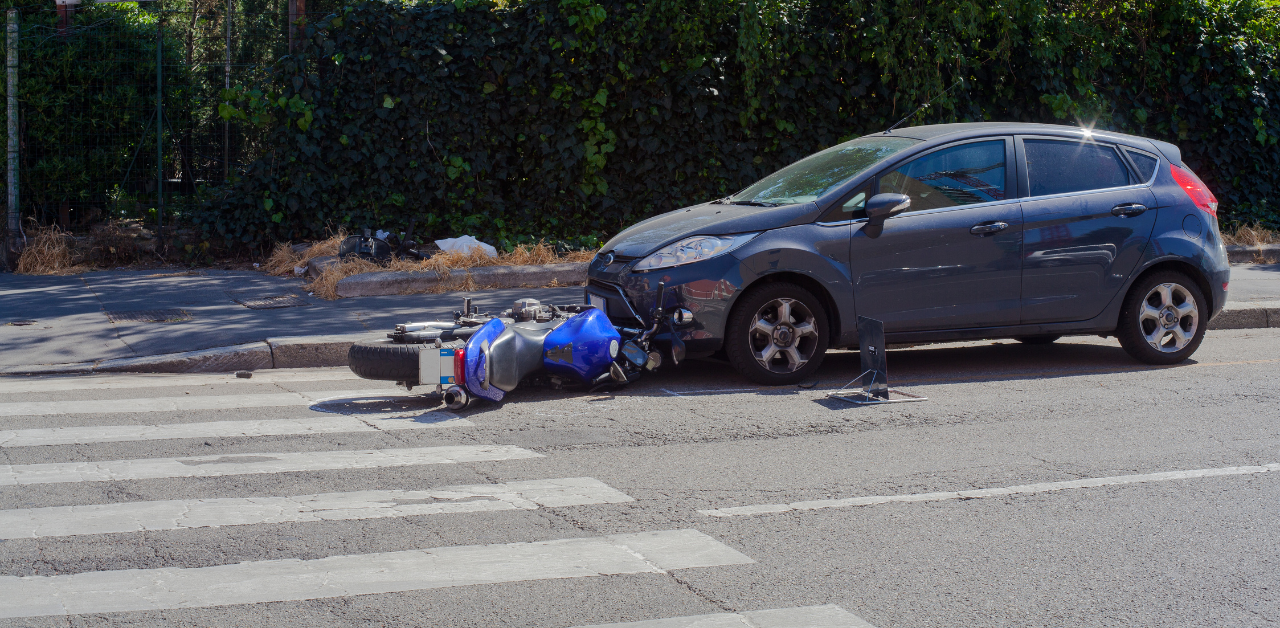
Motorcycle lies on road after crash with a car near a crosswalk, showing a serious motorcycle accident

Why Are Cars Often at Fault When Colliding with Motorcycles?

Motorcycle riders face significant risks every time they share the road with cars. Unlike car occupants, motorcyclists have minimal protection, so even a minor crash can result in severe injuries, spinal injuries, or traumatic brain injuries. In Hawaii, motorcycle accidents represent a significant portion of traffic deaths despite motorcycles being only a small percentage of registered vehicles. According to the Hawaii Department of Transportation, most motorcycle accidents happen at intersections or when car drivers make left turns across oncoming traffic. At Recovery Law Center, attorney Glenn Honda has dedicated over 29 years to helping injured motorcyclists and their families. Our mission is simple: help injured people recover damages. We know that proving fault in motorcycle and car crashes can be complicated, but we handle everything. Our goal is to secure fair compensation for you, allowing you to focus on your physical and financial recovery. Recovery Law Center Helps Motorcyclists After Motorcycle and Car Crashes When motorcycle accidents happen, the aftermath can feel overwhelming for injured motorcyclists. You may be dealing with missed work time and calls from insurance companies questioning the determination of fault. Recovery Law Center is here to protect you. Car drivers frequently cause such accidents because they fail to notice motorcycles, make unsafe lane changes, or violate traffic laws. At Recovery Law Center, we use evidence to show who is legally responsible, such as: Medical reports Accident report details Statements from involved parties Whether the at-fault driver made a left-hand turn into an oncoming motorcycle or caused a rear-end collision, we fight to hold them accountable. Our law firm offers a free consultation, allowing individuals who have been injured to explore their legal options and initiate their financial recovery without incurring additional costs or risks. Why Car Drivers Are Often at Fault Most motorcycle crashes point to driver negligence because the driver violated traffic laws, failed to yield, or engaged in distracted driving. Passenger vehicle drivers often fail to notice motorcycles because they are smaller than other vehicles and can be hidden by blind spots. Drivers may look but not actually “see” a motorcycle, a phenomenon called inattentional blindness. When drivers fail to yield during a left turn or ignore oncoming traffic, they put the motorcycle rider at risk. Because motorcyclists have minimal protection, even a low-speed car accident can cause more serious injuries than collisions involving two vehicles of equal size. This is why car drivers are often at fault. Their failure to follow traffic laws is a primary cause of most motorcycle accidents. Proving this negligence is essential for injured motorcyclists seeking fair compensation. Fault determination after motorcycle collisions involves examining the circumstances surrounding the crash. Investigators review police reports, accident report findings, and physical evidence, such as skid marks and vehicle positions. Common Causes of Motorcycle Car Collisions Motorcycle collisions occur for various reasons, but most accidents are attributed to driver errors. Passenger vehicle drivers are often at fault because they overlook motorcycles or misjudge their speed and distance. Here are the most common causes of motorcycle crashes involving cars: Left Turn and Left Hand Turn Accidents – Many motorcycle accidents are caused when a car makes a left turn across an oncoming motorcycle. Drivers fail to notice motorcycles or assume they can turn before the oncoming motorcyclist reaches the intersection. Unsafe Lane Changes and Blind Spots – Car drivers often change lanes without checking their blind spots, which can lead to side swipes and serious collisions involving motorcycles. Distracted Driving – Texting, eating, or adjusting a GPS takes a driver’s eyes off the road. When other drivers are distracted, they may not notice motorcycles until it is too late. Rear End Collisions – Motorcycles can stop faster than cars. If a car follows too closely, it can easily cause a rear-end collision, leading to significant injuries. Inexperienced Drivers – Drivers with a new driver’s license may not be familiar with sharing the road with motorcycles, which increases the likelihood of an at-fault accident situation. Adverse Weather Conditions and Road Hazards – Rain, potholes, and loose gravel create dangerous conditions for motorcycles. If other vehicles fail to slow down, they put motorcyclists at risk. Such accidents often leave motorcyclists injured and facing long recoveries. Because motorcycles offer minimal protection, most motorcycle crashes lead to more serious injuries than car crashes involving two vehicles. The Seriousness of Motorcycle Injuries Motorcycle accidents caused by other drivers can result in catastrophic injuries that change a person’s life forever. Because motorcycles offer minimal protection, most motorcycle crashes lead to significant injuries even at low speeds. Catastrophic injuries are common after motorcycle-car collisions. Many injured motorcyclists require: Surgery Months of physical therapy Long-term medical care Medical bills can add up quickly, creating stress for the injured person and their family. In addition to physical harm, motorcycle crashes often cause emotional trauma, including anxiety and fear of riding again. Some motorcyclists injured in car collisions suffer permanent disability, making it impossible to return to their jobs. Our law firm uses medical reports and qualified testimony to show how these injuries affect every part of a client’s life. This evidence enables us to pursue fair compensation and secure the financial recovery necessary to cover treatment, future care, and lost earning potential. Safety Tips to Prevent Motorcycle and Car Crashes At Recovery Law Center, we don’t just fight for injured motorcyclists. We want to help prevent future crashes. Safer roads protect riders, drivers, and every family in our community. Here are practical, proven steps that can reduce motorcycle and car crashes. 1. Safe Driving Habits for Car Drivers Car drivers are often at fault in motorcycle-car crashes because they fail to notice motorcycles or misjudge the distance between their vehicles. To prevent such accidents, drivers should always check their blind spots before making lane changes, use mirrors correctly, and maintain a safe following distance to avoid rear-end collisions. Yield to oncoming traffic before making a left turn or a left-hand turn, and slow down in adverse weather conditions. Avoid distracted driving. Put down the phone, keep your eyes on the road, and follow traffic laws at all times. 2. Smart Riding Habits for Motorcycle Riders Motorcycle riders face significant risks, but they can lower their chances of severe injuries by using protective gear, including DOT-approved helmets, gloves, and reflective clothing. Keep headlights on during the day, avoid staying in a car’s blind spot, and be ready to brake or swerve when road hazards appear. These habits reduce the chances of motorcycle collisions and keep riders visible to other vehicles. 3. Education for Inexperienced Drivers Many motorcycle accidents are caused by inexperienced drivers who lack an understanding of how to share the road safely. Driver education programs should emphasize spotting motorcycles, respecting lane positions, and avoiding unsafe lane changes. Teaching new drivers about the significant injuries motorcyclists suffer when drivers fail to yield builds safer habits early and prevents most accidents before they happen. Compassionate Legal Support for Hawaii Motorcyclists Getting into a motorcycle accident in Hawaii is always tough, especially when it's not your fault. Dealing with the legal side can add a lot of stress when all you want to do is heal. At Recovery Law Center, we handle those challenges for you. Attorney Glenn Honda and our legal team are committed to securing fair compensation for motorcyclists who have suffered injuries. We work to recover the money you need for medical bills, lost wages, property damage, and the pain and suffering you've experienced. If you were injured in a motorcycle or car accident, contact us today for a free consultation or complete our online form for a free case review. We'll go through your case and fight for the financial recovery you deserve.

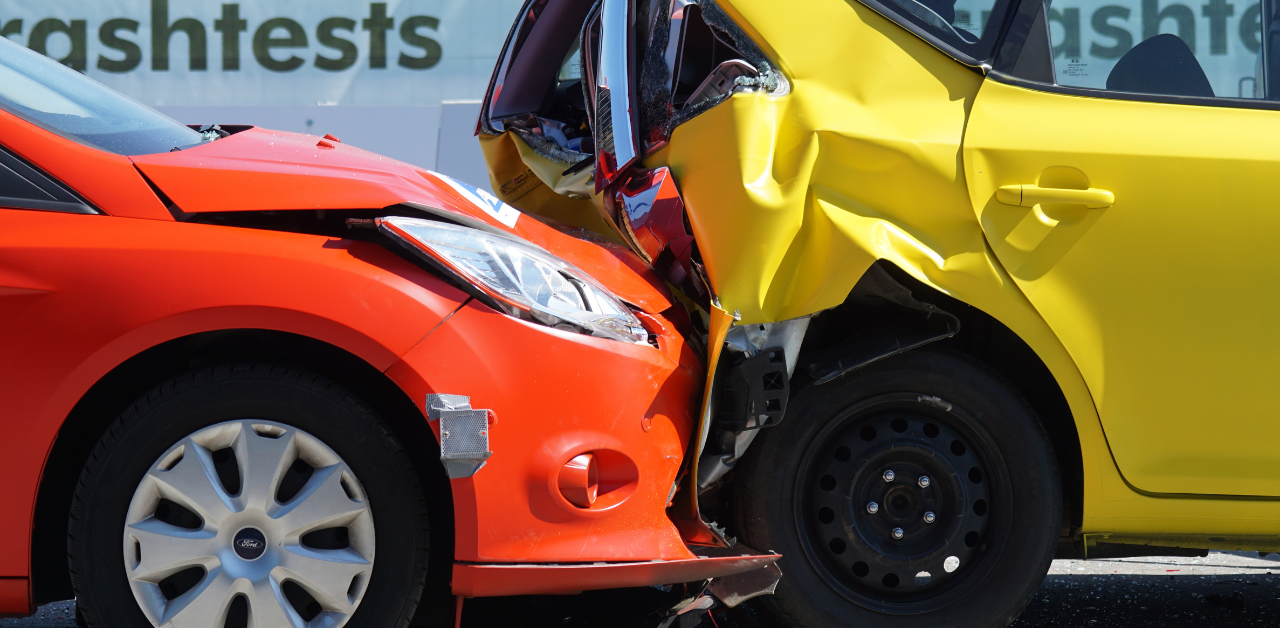
Crashed red and yellow cars in rear-end collision, showing accident impact on pedestrian safety

Car Accident Terms You Should Know

When a car accident occurs, the aftermath can be confusing and stressful. Injured individuals must contend with medical expenses, car repairs, and the insurance claims process. At the same time, they face calls from an insurance company, legal questions, and often pain and suffering from car accident injuries. Understanding important legal and insurance words can make a big difference. At Recovery Law Center, attorney Glenn Honda has spent over 29 years helping people in Hawaii who were injured in accidents. He knows that an informed injured party can make better choices. That is why learning car accident terms you should know is not just helpful, but it can also protect your rights. Our firm specializes in personal injury, and we strive to secure fair compensation for our clients. Why Knowing Car Accident Terms Protects You Legal and insurance terms may seem complicated, but they have a significant impact on every car accident case. For example, an at-fault driver may argue that an injured party failed to use reasonable care. An insurance adjuster may offer a settlement based on the actual cash value, rather than the replacement cost. Without understanding these terms, an injured person risks losing fair compensation. Knowing these words also helps when reading a police report, discussing physical injuries with doctors, or meeting with a lawyer. It ensures you can explain injuries caused by the crash, such as broken bones, neck injuries, or internal injuries. The more you understand, the more control you have over your recovery. Common Car Accident Injuries and Related Terms Car accident injuries range from mild to severe. Some common examples include: Soft tissue injuries: Damage to muscles, tendons, and ligaments. These may not be visible on scans but can still cause pain. Head injuries: From concussions to traumatic brain injury, these can change an injured person’s life. Spinal cord injuries: These may cause paralysis and require ongoing medical treatment. Back injuries and neck injuries: Often linked to rear-end collisions or head-on collisions. Broken bones and internal injuries: These physical injuries often lead to high medical bills. Psychological injuries: Conditions such as post-traumatic stress disorder and emotional distress. If you are involved in a car accident, always seek medical attention immediately. Even if you feel fine, injuries resulting from crashes sometimes appear later. Quick medical attention helps document the accident case and supports future claims. Insurance Company and Insurance Policy Terms After an accident occurs, dealing with an insurance company is unavoidable. These are some terms you should know: 1. Insurance Company and Insurance Adjuster After an accident occurs, the insurance company investigates the claim. An insurance adjuster is the person assigned to your case. Their job is to minimize payouts, not maximize your recovery. Be cautious when communicating with them; let your lawyer guide the conversation. 2. Insurance Claim and Claims Process An insurance claim is your formal request for accident benefits, including payment for car accident injuries, medical bills, and property damage. The claims process involves submitting documents, answering questions, and sometimes negotiating settlements. 3. Insurance Coverage and Insurance Policy Your insurance coverage depends on the insurance policy you purchased. Auto insurance policies outline liability coverage, bodily injury coverage, property damage limits, and additional coverage options, such as underinsured motorist coverage. Understanding your financial responsibility helps you know what the insurance company should pay. 4. Actual Cash Value and Actual Cash When your car is totaled in a car crash, insurers typically pay the actual cash value, which is the replacement cost minus depreciation. It’s not the full amount you paid for the car, but the market value at the time of loss. Legal Principles in a Car Accident Case Several legal principles shape how a car accident case works. These include: Legal responsibility: This determines who is liable for damages. The at-fault driver is usually legally responsible. Comparative negligence: A rule that reduces compensation if the injured party is partly at fault. For example, driving over the speed limit may lower recovery. Burden of proof: The injured person must provide evidence that the other party caused the accident. Reasonable care: Drivers must follow traffic laws and drive with due care and caution. Failure to do so is a wrongful act. Financial responsibility: The duty drivers are responsible for paying for damages when they are legally liable. Evidence Needed in a Car Accident Case Building a strong case requires further evidence. Common terms that cover this aspect include: Police report: An official document detailing how the accident occurred and the parties involved. Witness statements: Testimony from people who saw the car crash. Medical treatment records: Proof of injuries caused by the accident. Vehicle damage photos: Evidence of property damage and car accident injuries. Lost wages documentation: Pay stubs or employer statements showing missed work. Types of Car Accidents Car accidents can occur in various ways, depending on multiple factors. Here’s a breakdown of the common types of car accidents: Rear-end collisions Head-on collisions Running a red light Distracted driving accidents Drunk driving crashes One-way street mistakes Medical Terms Related to Car Accidents Understanding medical expenses and injuries resulting from car accidents is important: Bodily injury: Legal term for harm to the body, often covered under auto insurance. Physical injuries: Includes broken bones, back injuries, and soft tissue injuries. Future medical care: Costs expected long after the accident, such as surgeries or therapy. Primary Survey (ABCDE): Emergency trauma assessment: Airway, Breathing, Circulation, Disability, Exposure. Glasgow Coma Scale (GCS): Neurological scale to assess consciousness after head trauma. Cervical Spine Precautions: Measures to protect the neck and spinal cord during rescue. Trauma Code / Code Blue: Emergency alert in hospitals for critically injured patients. The Claims Process Explained Many injured parties are unfamiliar with the claims process. Here are some of the basic steps: An accident occurred, and the wounded party notifies the insurance company. An insurance adjuster investigates by reviewing the police report, witness statements, and vehicle damage. The injured person seeks medical treatment and provides evidence of car accident injuries. The insurance company offers a settlement based on insurance coverage and actual cash value. If the offer is unfair, a lawyer can file a personal injury claim in court. Recovery Law Center makes sure the injured person understands each step. We help provide evidence, negotiate with the other party, and if necessary, file a lawsuit. How Recovery Law Center Helps With Car Accident Terms You Should Know After being involved in a car crash, the parties involved often feel overwhelmed by the legal process. A car accident case is more than just telling your story. You need to provide evidence, understand what the insurance adjuster wants, and know what legal responsibility means. At Recovery Law Center, we guide each injured person through the legal process. Our team explains complex legal principles in plain language. If the other driver is at fault, we help prove negligence. If your auto insurance company denies coverage, we review the insurance policy and challenge the decision on your behalf. If you suffer serious injuries such as spinal cord injuries or traumatic brain injury, we calculate future medical care costs and fight for accident benefits. We also handle disputes about comparative negligence, underinsured motorist coverage, and the actual cash value of vehicles. With decades of experience, we understand how to handle insurance companies that attempt to minimize payouts. We help you recover damages for medical treatment, lost wages, and pain and suffering. And if you are unsure where to begin, we offer a free consultation. Your Advocate After a Car Accident Every car accident case is unique. The other driver may deny fault, or the insurance company may dispute coverage. But one fact remains: knowing car accident terms you should know makes the process easier. At Recovery Law Center, we fight for people in Hawaii who have been injured in car crashes. Attorney Glenn Honda has spent decades helping clients recover damages for medical expenses, lost wages, and emotional distress. He believes every insured person deserves fair treatment. If you or a loved one was involved in a car accident, contact us today for a free consultation. We will explain your rights, handle the insurance company, and ensure you receive the coverage and compensation you deserve.

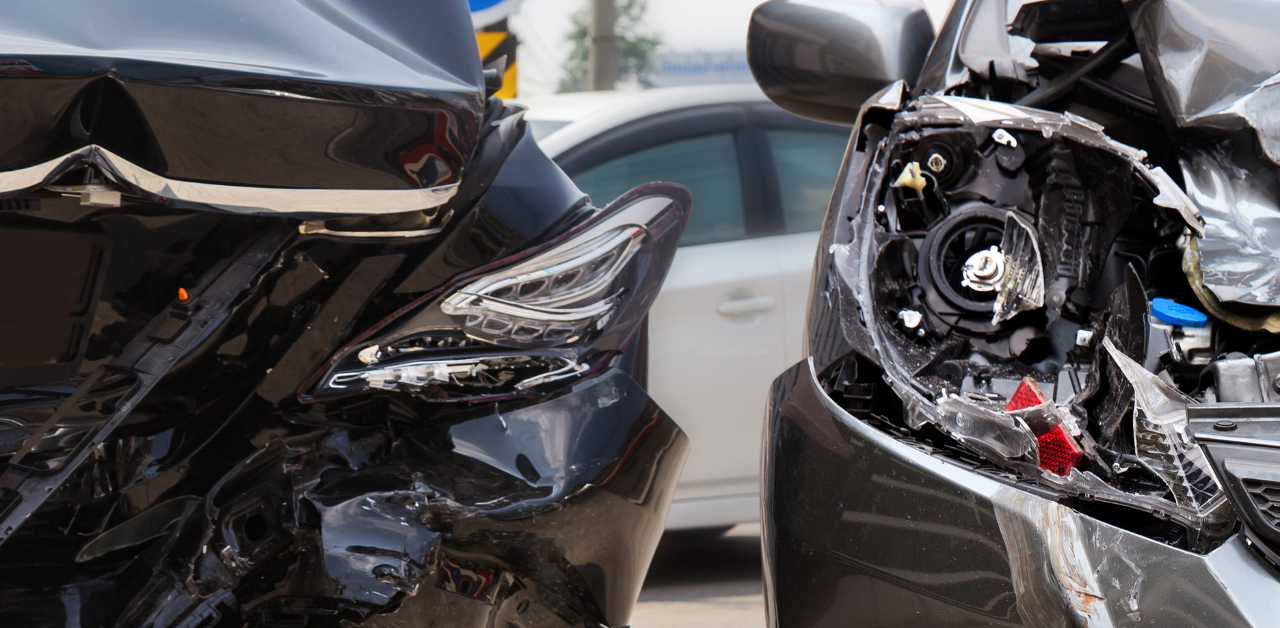
Two severely damaged car fronts after a collision, showing crash impact and pedestrian safety risk

Understanding Secondary Car Accidents

A secondary car accident happens when the initial collision leads to subsequent accidents involving other vehicles or hazards. These incidents often occur on busy highways or in heavy traffic, exacerbating an already challenging situation. Secondary accidents happen when drivers are unable to react quickly enough to avoid a stopped vehicle, debris, or the accident scene. Victims often face higher risks, greater injuries, and more complex legal issues compared to a single crash. A secondary collision may involve multiple drivers, raising questions about who is at fault and which insurance company should be held liable. At Recovery Law Center, we work to protect injury victims, ensuring they receive coverage for all damages they suffered. If you or a loved one was hurt in a secondary crash, our team can guide you through every step toward recovery. For over 29 years, attorney Glenn Honda and the Recovery Law Center have helped accident victims across Hawaii. Many people only consider the initial accident, but understanding secondary car accidents is equally essential. How Recovery Law Center Helps With Secondary Car Accident Claims Dealing with a secondary car accident can be overwhelming. With multiple drivers, unclear fault, and pushback from insurance companies, accident victims often need strong legal guidance. At the Recovery Law Center, we bring decades of experience and proven results to protect your rights and build a solid case. 1. Experienced Lawyers Who Understand Secondary Car Accidents Attorney Glenn Honda has over 29 years of hands-on experience helping injury victims in Hawaii. He and his team know how secondary accidents occur and why these cases can be more complex than a single initial accident. With real-world courtroom and settlement experience, our lawyers provide guidance you can trust. 2. Investigating the Accident Scene With Attention to Detail We carefully investigate every accident scene to uncover the truth. Our team collects witness statements, analyzes traffic signals, and reviews medical records to show how the secondary collision caused your injuries. We also consider factors such as distracted driving, excessive speeding, or poorly maintained roads. This evidence helps us establish liability and prove how a negligent party was responsible. 3. Standing Up to Insurance Companies for Fair Compensation Insurance adjusters often try to reduce or deny claims after a secondary car accident. They may argue that your injuries came only from the initial collision. At the Recovery Law Center, we counter these tactics. We negotiate directly with the insurance company, backed by medical proof and legal evidence, to make sure you receive fair compensation for your medical bills, lost wages, and pain. 4. Free Consultation and Client-First Support We believe every accident victim deserves to know their rights. That’s why we offer a free consultation today to explain your options. From the first call to your final settlement, our team is committed to protecting your future. We give you clear updates, honest advice, and trusted legal support at every step. What Is a Secondary Car Accident? A secondary car accident occurs after the initial collision, typically in situations where other vehicles are unable to stop in time. Imagine a car crash on a busy highway: the first impact blocks the road ahead, and seconds later, another driver hits the stopped vehicles. This creates a secondary crash, which can sometimes lead to a multi-vehicle collision involving multiple drivers. These incidents can happen in many ways. A rear-end collision may push one car into another, or a stalled vehicle may lead to a secondary collision when others are unable to react quickly. Unlike a simple accident, secondary accidents often involve other cars piling up at the scene. The more impacts that happen, the worse the injuries can be. For this reason, understanding how secondary accidents occur is important. Knowing the risks can help drivers stay alert, reduce negligence, and avoid being involved in a chain reaction crash. Determining Liability in Complex Secondary Accidents One of the most challenging parts of a secondary car accident is determining liability. With multiple drivers and repeated impacts, it can be hard to know who should be held liable. Did distracted driving cause the initial accident? Did excessive speeding make it impossible for other drivers to avoid the crash? Or did poorly maintained roads contribute? In addition, insurance companies may argue that the injuries came from the initial collision, but careful investigation often proves otherwise. By analyzing medical records, reviewing the chain of impacts, and documenting how secondary accidents occur, Recovery Law Center shows the actual cause of harm. This process enables the pursuit of compensation and holds every responsible party accountable. At Recovery Law Center, our firm investigates every angle to establish liability. We review evidence and collect witness statements to identify each negligent party. We also consider factors like visibility, traffic signals, and weather conditions. Each example of negligence matters when building a case. Common Secondary Car Accident Injuries Secondary car accidents create more damage than the initial collision, leaving victims with long-lasting physical and emotional harm. Here are the most common injuries documented when pursuing fair compensation for our clients. Head and brain trauma Spinal cord and back injuries Fractures and broken bones Soft tissue damage Internal injuries and cuts Psychological trauma How Insurance Companies Handle Secondary Collisions After a secondary crash, the insurance company is often quick to dispute claims. Adjusters may argue that your injuries came from the initial collision or blame other vehicles for the harm. They may also delay your insurance claim, deny specific medical bills, or offer far less than what’s needed to cover expenses. This is why having lawyers from Recovery Law Center matters. We understand how insurance companies work and fight back with solid evidence. We use medical records, photos from the accident scene, and witness statements to prove the impact of the secondary accident. We also show how subsequent accidents created new harm that deserves separate coverage. Our goal is to help every accident victim receive fair compensation. With our guidance, you don’t have to face aggressive adjusters alone. Instead, you gain an advocate who knows how to challenge unfair offers and secure the best outcome for your case. Call Recovery Law Center for a Free Case Evaluation Today If you were hurt in a secondary car accident, don’t wait to get help. The longer you wait, the harder it becomes to prove fault and protect your rights. At Recovery Law Center, we assist clients in filing insurance claims, determining liability, and advocating for the compensation they deserve. That includes covering long-term medical care costs. Contact us today to schedule your free consultation and let us work toward the justice and recovery you deserve.

Driver using a phone behind the wheel, showing distracted driving risks to pedestrian safety

7 Causes of Car Crashes in Honolulu

Every year, people in Honolulu are hurt or lose loved ones in car accidents on busy Hawaii roadways. Many of these crashes bring serious injuries, high medical costs, and even traffic-related deaths. Families often face life-altering consequences, from a spinal cord injury to a brain injury that changes the course of someone’s life. At Recovery Law Center, we meet accident victims who never thought one ordinary day on the highways could leave them with severe injuries, multiple fractures, or catastrophic injuries that require long recovery and support. This page explains the 7 causes of car crashes in Honolulu, how Hawaii law applies, and what our firm can do if you or a loved one is injured in a collision. 1. Distracted Driving Distracted driving remains one of the leading causes of accidents in Hawaii, particularly in Honolulu. Motorists juggling cell phones, food, or conversations with a passenger often miss what’s happening around them. A single glance away from the road can cause a crash, leading to serious injuries or even death. On busy highways, where two lanes of vehicles move quickly, distractions increase the likelihood of road accidents and traffic fatalities. A police officer responding to a scene of distracted driving often finds accident victims with injuries that could have been avoided. Emergency responders treat wounds ranging from severe injuries to catastrophic injuries, including brain injury or spinal cord injury. These accidents also create significant property damage, sometimes leaving pedestrians in a marked crosswalk exposed to the careless acts of other drivers. 2. Speeding on Hawaii Roadways Speed limits exist for a reason, but many drivers ignore them. Speeding and excessive speed are significant contributors to road accidents in Honolulu. When vehicles travel faster than conditions allow, other motorists and pedestrians face a much higher risk of collision. The likelihood of severe injuries, multiple fractures, or even death rises sharply as speed increases. On Hawaii roadways, a driver going too fast has less time to react to sudden changes, such as poor road conditions or a pedestrian entering a marked crosswalk. Police and the Honolulu Police regularly issue citations, but enforcement cannot undo the damage after a high-speed crash. Families dealing with traffic fatalities or life-altering consequences are left to manage grief, medical costs, and disruption to their lives. 3. Impaired Driving Under the Influence Impaired driving under the influence of alcohol or drugs is another leading cause of traffic deaths in Honolulu. An impaired driver puts pedestrians, passengers, and other motorists at grave risk may: Drift across two lanes Run a red light Ignore a marked crosswalk Our legal team at Recovery Law Center helps families pursue a personal injury lawsuit or wrongful death claim against an impaired driver. Through strong legal action, we aim to reduce the burden on families and honor the memory of those lost to fatalities caused by impaired driving. 4. Poor Road Conditions and Unsafe Hawaii Roadways Not every accident in Honolulu is caused by reckless drivers. Poor road conditions also contribute to a significant number of crashes. This includes: Potholes Faded lane lines Broken guardrails In Hawaii, dangerous road conditions increase the risk of accidents. In some cases, something as simple as a missing booster seat or a poorly designed intersection adds to the danger. When collisions stem from neglected highways or unsafe city streets, responsibility may fall partly on the Hawaii Department of Transportation or other state and local agencies tasked with maintaining public safety. For motorists, the consequences of unsafe roads can be devastating. A sudden jolt from a pothole may cause a vehicle to cross multiple lanes, potentially resulting in a collision. Pedestrians are also at heightened risk. Crossing at an unmarked or poorly lit area can lead to severe injuries or even fatalities. At Recovery Law Center, we investigate these cases thoroughly by reviewing road designs, maintenance records, and relevant safety laws. Our legal team works to hold negligent agencies accountable when they fail to protect the public. 5. Negligent Drivers and Reckless Actions by Other Motorists Many collisions are caused not by outside factors but by negligent drivers who ignore laws and basic rules of responsible driving. When a driver cuts across two lanes without signaling or refuses to yield at a marked crosswalk, the result is often a serious accident. These actions put other drivers, pedestrians, and passengers at risk of injury or death. 6. Pedestrians and the Risk of Traffic Fatalities in Honolulu Honolulu has some of the busiest pedestrian areas in the state, making pedestrians especially vulnerable to road accidents. A single careless driver who fails to stop at a marked crosswalk or speeds through an intersection can cause traffic fatalities in an instant. These tragic traffic-related deaths often involve victims walking home, going to work, or simply trying to cross safely. 7. Multiple Vehicles and Chain Reaction Collisions On Honolulu’s congested highways, multiple vehicles are often involved in chain-reaction collisions. One driver stopping suddenly or swerving can set off a series of impacts that injure other motorists and passengers. These road accidents are dangerous because the scene becomes chaotic, making it hard for police officers and emergency responders to determine who was at fault. The injury from these crashes can be widespread. Victims often suffer multiple fractures, severe injuries, or brain injury when vehicles collide at high speeds. In some cases, fatalities occur, leaving behind grieving families and unanswered questions. How Recovery Law Center Helps Victims of Car Accidents in Hawaii Recovering from a car accident in Hawaii can feel overwhelming. Between dealing with injuries, medical bills, missed work, and the stress of insurance claims, many people don’t know where to turn. Recovery Law Center steps in to shoulder that burden, allowing clients to focus on their healing. 1. Listening First The first step is always to understand the client’s story. Every crash is different, and so are the people involved. By listening closely, the firm learns how the accident has affected the client’s health, family, and livelihood. That personal connection shapes the legal strategy moving forward. 2. Handling the Insurance Process Insurance companies often move quickly after an accident, pushing low settlements or making the process confusing. Recovery Law Center takes over those conversations, making sure clients aren’t pressured or misled. They fight for a fair resolution that reflects the actual cost of the injuries. 3. Building a Strong Case From gathering police reports to speaking with witnesses and reviewing medical records, the firm handles the details that can make or break a claim. They work methodically to not only determine who was responsible for the crash, but also to fully assess the extent of the harm suffered. 4. Focusing on Full Recovery Compensation is about more than paying bills. It’s about helping people rebuild their lives. Recovery Law Center pursues damages for medical treatment, lost wages, long-term care, and the personal losses that come with serious injuries. 5. Rooted in the Community Based in Honolulu, the firm understands the local courts, communities, and unique challenges people in Hawaii face. Clients aren’t treated like case numbers. They’re community members who deserve respect, care, and an advocate they can trust. Contact Recovery Law Center for a Free Consultation Today Car crashes in Honolulu often stem from a mix of human error, roadway challenges, and preventable risks. By understanding the leading causes, we can all take steps to make our roads safer. Unfortunately, even the most cautious drivers may still be affected by someone else’s negligence. When that happens, having the right legal support matters. At Recovery Law Center, we are committed to helping crash victims hold careless drivers accountable and pursue the compensation they need to move forward. Contact us today to complete our online form to schedule a free case review.

Zipline-Accident-Compensation-in-Hawaii-scaled

Zipline Accident Compensation in Hawaii

Zipline tours across the Hawaiian Islands are a favorite for thrill seekers, offering scenic views and high speeds over valleys, forests, and coastlines. While these rides can be exciting, they also carry risks. Accidents on a zip line can cause serious injuries, significant medical expenses, and even death. When a zipline accident occurs, injured riders and their families often face more than just the pain of recovery. At Recovery Law Center, we assist clients with zipline accident compensation in Hawaii by helping them understand their legal rights and options. Whether the accident was due to faulty equipment, negligent operation, or unsafe conditions, our experienced personal injury attorneys will protect your best interests. We investigate each case thoroughly, identify liable parties, and work toward fair compensation so you can focus on healing. How Fatal Zipline Accidents Happen in Hawaii Drawing on years of handling personal injury cases in Hawaii, here are common, preventable causes of zipline accidents that we have seen in real claims: Faulty equipment: Worn harnesses, frayed cables, or malfunctioning pulleys can fail mid-ride, placing zipline riders at risk of serious injuries. Negligent operation: Zipline operators who ignore weather warnings or bypass safety procedures put participants in dangerous situations. Operator errors: Mistakes like improper harness fittings or poor braking control can cause collisions or falls. Lack of staff training: Inadequate instruction on safety procedures leaves staff unprepared to handle emergencies. Failure to follow safety standards: Skipping required inspections or ignoring Hawaii’s zipline regulations increases the chance of accidents. A signed waiver does not necessarily prevent a legal claim, especially when gross negligence or clear safety violations are involved. When negligence is proven, zipline companies and other liable parties can be held responsible, helping injured people seek compensation and preventing future accidents. Does Hawaii Regulate Ziplining? The first commercial zipline in the U.S. opened on Maui in 2002. Initially, the state did not regulate zipline operations. However, many people pushed for safety standards and regulations after a series of fatal accidents in Hawaii. Senate Bill No. 2433 proposed zipline regulations, but a report submitted to Hawaii's governor and state legislature in 2012 recommended against enacting the bill as proposed. In 2021, the Council of the County of Maui passed ordinances to regulate commercial zipline operations. Companies that wish to operate ziplines in Maui County must obtain a conditional permit and meet state statutes. In addition, they must follow several rules: Ziplines can only operate between 8 a.m. and 5 p.m. During business hours, no one can consume intoxicating substances. The zipline conditional permit holder cannot simultaneously have a liquor license. Commercial zipline operators must enlist a qualified inspector to inspect their facilities and equipment every two years. Zipline operators must keep certain records and submit them to the council or director if asked: Proof of insurance that complies with conditional permit requirements Engineering reports documenting equipment and operational safety Inspection reports Maintenance records Signed participant waivers acknowledging the risks of ziplining and the rules of conduct These regulations attempt to reduce the number of zipline accidents in Hawaii. Do Hawaii Commercial Ziplines Have Their Own Safety Regulations? Commercial zipline operations in Hawaii are subject to specific safety regulations intended to protect riders and reduce the risk of accidents. While these rules can vary by county, most regulations address the design, maintenance, and operation of zip lines. State and local oversight: Hawaii counties often require permits for commercial zipline operators, and those permits may include safety inspection requirements. Equipment standards: Regulations typically call for regular inspections of cables, harnesses, braking systems, and platforms to ensure they meet industry safety standards. Operator training: Zipline operators must receive training in equipment use, emergency procedures, and rider safety before supervising guests. Weight and height limits: Many commercial ziplines have strict rider size restrictions to prevent equipment overload and maintain safe operation. Routine inspections: Certified inspectors or qualified staff are often required to check the course daily for wear, damage, or environmental hazards. Incident reporting: Some regulations mandate that accidents be documented and reported to the appropriate local authority. Even with regulations in place, accidents still happen. Failure to comply with safety rules, cutting corners on inspections, or using faulty equipment can lead to serious injuries. When an operator ignores these requirements, they may be held liable under Hawaii personal injury law. What Injuries Can Maui Ziplining Accidents Produce? Falls from zipline cables or platforms are often fatal. If fallen riders survive, they will likely sustain severe injuries with lifelong consequences. Collisions with other riders, platforms, or supports can also produce injuries: Bruises, sprains, strains, or other soft tissue damage Fractures and broken bones Head injuries and traumatic brain damage Internal organ damage or bleeding Paralysis Those injured and qualifying survivors of those who lose their lives in fatal zipline accidents in Hawaii deserve compensation for their damages if negligence caused the accident. Who Is Liable for Paying Damages? Although zipline riders must sign waivers, these documents don't necessarily prevent them from seeking compensation if an accident occurs. Your attorney from Recovery Law Center will investigate the cause of your accident and gather evidence to hold all liable parties accountable. Potentially at-fault parties include: Zipline companies Zipline employees Course and equipment designers Maintenance companies and inspectors Equipment or component manufacturers If improper training, failure to adhere to safety regulations and inspections, design flaws, faulty equipment, or intentional acts lead to a zipline accident, you can likely seek compensation for your injuries and how they affect your life. When you request a free consultation from Recovery Law Center, we will assess your case and determine its validity. What Damages Can You Obtain? Zipline accidents in Hawaii can lead to astronomical medical bills, extended time away from work, and other adverse consequences. You may qualify to seek compensation for a variety of damages, such as: Current and future medical treatments and related expenses Present and future lost wages Emotional, mental, and physical pain and suffering Personal property damage Losing your ability to enjoy life If you are a qualifying survivor of someone who experienced a fatal zipline accident, you may obtain compensation for funeral expenses, medical expenses incurred after the accident, and other damages associated with wrongful death claims. Your Rights Under Personal Injury Law in Hawaii Personal injury law gives injured people the right to seek compensation when someone else’s negligence caused harm. In zipline accident cases, negligence may involve failing to inspect equipment, ignoring safety standards, or not providing proper training to zipline operators. Multiple liable parties may be involved, such as the zipline company, equipment manufacturer, or landowner. Filing a personal injury claim or personal injury lawsuit in Hawaii requires the following: Other party had a duty of care Breached that duty Caused the injuries Gathering evidence, such as witness statements, photos, and maintenance logs, can strengthen the legal claim. If the injuries occurred during other recreational activities like boating accidents or scuba diving, similar legal principles apply. Understanding these rights and acting quickly is important, as Hawaii law limits the time to file a claim. Taking prompt legal action with the help of a zipline accident lawyer helps preserve evidence and protect your right to recover compensation. How Can Recovery Law Center Help After Zipline Accidents in Hawaii? If you or a loved one was injured in a zipline accident in Hawaii, Recovery Law Center can help you seek compensation for your losses. We handle zipline accident cases involving serious injuries, wrongful death, and long-term medical needs. Our law offices review the circumstances of your accident, determine if negligence was involved, and pursue fair compensation from the liable parties. During the initial consultation, we will listen to your story, explain your options, and outline the next steps. Our goal is to help you recover compensation through personal injury claims and other damages while keeping your best interests in mind. Contact us today to schedule your free consultation online for a case review. Let us help you move forward after a zipline accident and protect your future.

Airline-Negligence-and-Injuries-During-Flights

Airline Negligence and Injuries During Flights

Air travel is routine for millions of people each year, but accidents still happen when airlines do not meet their duty of care. Airline negligence and injuries during flights can affect passengers in both small and serious ways, from minor discomfort to life-altering harm. At Recovery Law Center, we help airline passengers understand their rights when injuries occur in the air. Our approach is to keep the process clear and practical so that injured passengers can focus on recovery while knowing the legal process is handled. Whether the incident happened on a short domestic trip or during international air travel, the law provides options for holding airlines accountable. When an airline fails to act responsibly, it may be liable for medical expenses, lost income, and other damages. Understanding how these cases work can make the difference between a denied claim and fair compensation. Do You Know How To Sue an Airline for Negligence? Commercial airlines are common carriers, meaning they must uphold a higher duty of care to protect their passengers and keep them safe. The entire company and all employees, including flight personnel, have this responsibility. If an airline or its employees fail to uphold their duty of care and injuries result, they may be liable for the damage caused by their negligence. The attorneys at Recovery Law Center have experience recovering compensation for injured airline passengers. What Is Turbulence? Injuries resulting from turbulence often make the news. Irregular air currents can cause moderate to severe altitude or angle shifts. Passengers describe turbulence as feeling like bumpiness or choppiness. Turbulence intensity varies by several degrees: Light: Aircraft may rise or drop around 1 yard of altitude. Moderate: The rise or drop increases to 3 to 6 yards, and mild airspeed changes may occur. Severe: Rapid changes can cause rises or drops of up to 32 yards, and pilots may lose control briefly. Extreme: The turbulence violently shakes an aircraft, leaving pilots unable to control it. While passengers probably won't notice light turbulence, they definitely feel more substantial shifts. There are many potential causes of turbulence, including: Storms Flying over mountain ranges Jet streams Atmospheric pressure Warm or cold weather fronts The cause of the turbulence may determine how long it lasts. Pilots can often predict turbulence and may try to avoid it, although that's not always possible. Turbulence is invisible and can happen suddenly. What are the Common Causes of Passenger Injuries? Passenger injuries during flights can happen for a variety of reasons, many of which are preventable when proper safety measures are followed. Below are some of the most common situations that may lead to harm and potential airline liability. Severe turbulence: It can throw passengers and flight attendants off balance, leading to head injuries, broken bones, or other serious injuries when seat belts are not fastened. Falling luggage from overhead bins: This often occurs when bins are overloaded or not secured by airline personnel, causing potential head and neck injuries. Slips and falls in aisles: Spilled drinks, food, or loose items can create hazards that lead to sprains, fractures, or other harm during the flight. Faulty cabin equipment: Broken seats, malfunctioning tray tables, or defective latches can cause injuries and may lead to a product liability claim. Unsecured galley or service items: Carts, hot liquids, or catering containers, not properly stored, can injure passengers or other crew members. Failure to warn passengers of hazards: Not providing timely instructions during turbulence or emergencies increases the risk of preventable injuries. Unsafe passenger behavior: Actions by other passengers, such as removing items from bins unsafely, can cause harm if airline personnel do not intervene. Each of these situations can form the basis for negligence claims if the airline fails to meet its duty of care. What is Airline Liability and Duty of Care? Airlines owe passengers a high duty of care because passengers rely entirely on them for safety while in flight. This means the airline must follow safety regulations, train its flight crew properly, and protect passengers from foreseeable harm. The Federal Aviation Administration FAA sets clear rules on safe operations, cabin procedures, and equipment maintenance. If an airline fails to meet these standards and passengers sustain injuries, the airline may be held responsible. Understanding airline liability involves looking at whether the airline had a legal duty, failed to meet that duty, and caused the injury. Personal injury claims often rely on evidence like flight crew reports, witness statements, and maintenance logs. On domestic flights, state law usually governs the process. On international flights, liability limits and rules under the Montreal Convention apply. In either case, passengers injured due to negligence may seek compensation for medical expenses, lost income, and emotional distress. How do You Prove Liability in Airline Injury Cases? Proving liability in airline injury cases involves showing that the airline had a legal duty to: Protect passengers Failed to meet that duty Caused the injuries sustained This often requires a detailed review of the events before, during, and after the incident. Evidence may include reports from the flight crew, witness statements from other passengers, photos of the scene, and maintenance logs. In some cases, safety violations documented by the FAA can strengthen negligence claims. For example, if overhead bins were not properly secured or turbulence warnings were not given, this can indicate that the airline failed to protect passengers. In product liability claim situations, evidence may include manufacturer records or defect reports. The legal process can be complex, especially for international flights covered by the Montreal Convention. A personal injury attorney can help gather the proper documentation, identify responsible parties, and present a case that meets both legal and procedural requirements. Liability Limits and International Treaty Rules For international flights, the Montreal Convention sets liability limits for specific injury claims. Under these rules, airlines are automatically liable for proven damages up to a set amount without requiring proof of negligence. If passengers can prove negligence, there may be no limit on compensation. These rules apply to injuries sustained during boarding, flight, and disembarkation. Domestic flights do not have the same treaty-based liability limits, but airlines must still follow federal regulations and state negligence laws. Understanding these differences is critical in both domestic and international airline injury cases. A personal injury attorney can explain how liability limits affect a case and whether proving liability can help recover additional damages. The goal is to make sure passengers injured during international air travel receive fair compensation under the correct legal framework. The Role of the Federal Aviation Administration The Federal Aviation Administration plays a central role in protecting passengers. The FAA issues safety regulations for airlines, covering everything from turbulence procedures to overhead bin safety. It also oversees airline employee training to make sure flight attendants and other personnel know how to protect passengers. Airlines that violate FAA safety regulations may face fines, penalties, or legal claims. The Federal Aviation Administration FAA also investigates accidents and in-flight injuries to determine whether federal regulations were followed. When airlines owe a legal duty to passengers and fail to meet it, the FAA’s findings can be important evidence in negligence claims. For passengers, knowing that the FAA monitors safety can be reassuring, but it is not a guarantee that all airlines comply fully. This is why passengers injured during flights should still take steps to document the incident, seek medical attention, and speak with a personal injury lawyer to understand their options. What are the Types of Compensation for Injured Airline Passengers? Passengers harmed due to airline negligence may be entitled to several forms of compensation. The categories below outline the most common types of recoverable damages in airline injury cases. Medical Expenses Compensation can cover the cost of emergency treatment, hospital stays, surgery, medication, and follow-up care. This includes both immediate and long-term medical bills related to the injuries sustained during the flight. Lost Wages and Lost Income If an injury prevents a passenger from working, they may claim lost wages for the period of missed work. In cases where the injury impacts future earning ability, claims may also include loss of future income. Permanent Disability and Long-Term Care When injuries lead to a permanent disability, compensation may extend to home modifications, mobility aids, or ongoing rehabilitation. These costs address the passenger’s long-term quality of life needs. Emotional Distress Emotional distress, such as anxiety, depression, or post-traumatic stress following the incident, may be compensable. Documentation from mental health professionals can support these claims. International Flight Liability Under the Montreal Convention, passengers on international flights can recover damages up to a set limit without proving negligence. If negligence is proven, additional compensation beyond the liability limits may be available. Future Medical Costs Some injuries require ongoing treatment or future surgeries. Passengers can claim estimated future medical expenses as part of their total compensation request. What Should You Do if You Sustain Injuries on an Airplane? Your first priority after sustaining an injury is your health. However, you can also take some steps to prepare for a potential personal injury claim. Notify a flight attendant. Flight attendants can provide first aid. They can also notify the airport if your injuries are serious and you'll require an ambulance when your flight lands. This also puts your incident on record. Gather evidence Use your phone to take photos and make notes of the following: Your injuries and those of the surrounding people, if applicable What caused your injury Passengers and flight attendants who saw your accident happen Witness statements Your account of the events leading up to your injury Your attorney will use the evidence you gather when building your case. Accept medical attention Whether it's first aid on the plane or seeking a medical examination on the ground, you need to obtain an immediate medical assessment. Trained personnel may spot injuries you're not aware of. In addition, they'll make a record of your condition that your lawyer will use as evidence. Contact an attorney An experienced personal injury attorney can provide information and legal advice after your injury. Recovery Law Center can also: Prepare and submit paperwork Investigate the incident Speak to the insurance company or airline representatives on your behalf Negotiate a favorable settlement or take your case to trial if needed Insurance companies are not on your side. People with legal representation typically obtain more compensation for their injuries than those without. Do You Need Help Suing an Airline for Negligence in Hawaii? If you need to claim compensation for an injury sustained on an airplane, you'll benefit from having competent legal representation. The award-winning team at Recovery Law Center focuses exclusively on personal injury law, and we have successfully handled many injury claims over the decades brought by visitors to Hawaii. You won't pay any fees until Recovery Law Center wins your case. Contact us 24/7 for a free consultation, using our live chat, or completing our contact form. FAQs About Airplane Turbulence What damages can you recover if you or a loved one sustained injuries due to turbulence? Every incident is different, but you may be able to receive compensation for medical bills, lost wages, pain and suffering, anxiety, depression, PTSD, and other damages. The amount you may obtain varies. Ask Recovery Law Center how much your case is worth. Do pilots have to fly through turbulence? Minor turbulence is typical for any flight, even in clear air. If pilots can avoid turbulence, they typically will by descending below or climbing above areas of disturbance. How common is turbulence while flying? At cruising altitudes, the atmosphere has 3% light turbulence, 1% moderate turbulence, and 0.0001% severe turbulence.


How-Much-to-Ask-for-in-a-Personal-Injury-Settlement-scaled

How Much to Ask for in a Personal Injury Settlement

Getting hurt in an accident is overwhelming enough on its own, but figuring out what a fair settlement should look like can feel just as stressful. You might be asking yourself, “How much should I even ask for?” The truth is, there’s no one-size-fits-all number. The right amount depends on things like your medical bills, how much work you’ve missed, the pain you’re dealing with, and how the injury might affect your future. If you ask for too little, you risk being stuck with expenses down the road. If you ask for too much, the other side may push back strongly or prolong the process. Knowing what goes into calculating a settlement can give you the confidence to ask for a fair amount, and that actually covers what you need. That’s why having the right legal guidance makes all the difference. At Recovery Law Center, our Honolulu personal injury attorney team is here to help you understand what your case is truly worth and to fight for the compensation you deserve. Knowing what goes into calculating a settlement can give you the confidence to ask for a fair amount, and that actually covers what you need to move forward. What You Need to Know About Personal Injury  Settlements A personal injury settlement is money paid to resolve a personal injury claim without going to trial. In most personal injury cases, insurance companies pay the settlement amount on behalf of the at-fault party. These payments help injured individuals cover medical expenses, lost income, out-of-pocket expenses, and non-economic damages, such as pain and suffering or emotional distress. Most personal injury settlements are negotiated between your personal injury attorney and the insurance providers. The goal is to reach a fair settlement amount that reflects both economic damages and non-economic damages. An experienced personal injury lawyer can explain what you can reasonably expect based on the injury severity, available insurance coverage, and the actual value of your case. Calculating a Personal Injury Settlement Hawaii Revised Statutes § 663-1 states that residents and those present in Hawaii shall be personally responsible in damages for injury to others. That just means if someone hurts you, they should pay for it. At the heart of any personal injury settlement is the harm to the victim. That is, in what ways have you lost or suffered because of your personal injury? These are the damages that you need to calculate first to determine what to ask for in a settlement. Economic damages Part of the calculation is a relatively straightforward math problem. These are you economic damages. Your economic damages are financial losses because of your injury. Medical bills, lost income, property damages, replacement household services, and other direct, financial losses are added up. Future damages may be included, and you rely on evidence and experts to project the costs you expect to have in the future. Non-economic damages A personal injury settlement would be incomplete if it didn’t also account for your non-economic damages. Your non-economic damages are intangible losses, including: Pain and suffering Mental anguish Disfigurement Loss of enjoyment of life Loss of consortium See H.R.S. § 663-8.5. Pain and suffering is the actual pain and suffering that is the proximate result of physical injury. There are two ways to calculate non-economic damages, the multiplier method and the per diem method. Multiplier Method The multiplier method starts with the total of economic damages and then applies a multiplier based on the severity of the injury. A mild injury may have a multiplier of 1.5 while a severe, life-changing injury may have a multiplier of 4 or 5. Economic damages are applied to the multiplier to arrive at damages. For example, a victim sustains economic damages of $100,000. Injuries are moderate, so it’s appropriate to use a multiplier of 2. $100,000 economic damages X 2 multiplier = $200,000 total compensation For this victim, it’s appropriate to ask for $200,000 in settlement, subject to other factors that may impact the value of the case. Per Diem Method The per diem method uses a set amount of compensation for each day a person suffers from their injuries. For example, a victim has a recovery period of one year, or 365 days. They have economic damages of $100,000. Their damages are moderate, so it’s appropriate to use $200 per day. $200 per day X 365 recovery days = $73,000 non-economic damages $73,000 non-economic damages + $100,000 economic damages = $173,000 It’s not always better to use one method or the other. The two methods often produce similar results. The appropriate method to use may depend on several factors that are specific to your case. Hawaii economic damages cap Note: Hawaii law places a $375,000 cap on non-economic damages in many types of personal injury claims, excluding those listed in H.R.S. § 663-10.9(2). Amount to Plead vs. Amount to Claim How much you should ask for in a personal injury settlement refers to how much you should ask for in a settlement. That’s different than the amount that you should ask for in your initial pleadings. The two amounts may or may not be the same. The settlement is the amount that you agree upon to receive in compensation to fully resolve the case. Effectively, it’s like having a final judgment after a trial. There are things in addition to your damages that may impact the amount that you should ask for in a settlement. There may be issues that, if you were to take the case to trial, it would be uncertain how the jury would handle them. For example, the defense may dispute whether they acted negligently. Alternatively, they may challenge the amount of your damages as speculative. You can’t know for sure what a jury would do unless you go to trial. In addition, maybe the defense has limited insurance and resources to pay a claim. Any of these factors — and others — may impact how much you should ask for in a settlement. Even your personal risk tolerance and your desire to go to trial should influence how much you ask for in a settlement. Average Personal Injury Settlements and Ranges There is no single average personal injury settlement that applies to all cases. Average settlement amounts vary depending on state laws, the type of injury, and the availability of insurance coverage. Minor injuries from car accidents may result in an average settlement of a few thousand dollars, mainly covering medical expenses and some lost income. Severe injuries such as traumatic brain injuries or permanent disability may lead to settlements in the hundreds of thousands or even millions, depending on medical expenses and future lost income. The average personal injury payout across all cases is often reported in the tens of thousands, but those numbers are misleading because every case is different. Most personal injury cases do not go to trial. Instead, personal injury settlements paid by insurance companies resolve the claim. Your experienced personal injury attorney can compare your facts with similar injury settlements to provide guidance on a fair settlement amount. How Personal Injury Lawyers Help Handling a personal injury claim on your own is risky. Insurance companies have their own lawyers, and their primary goal is to pay as little as possible. Having an experienced personal injury lawyer on your side can make a significant difference. A personal injury lawyer can explain the average settlement for injuries similar to yours. They negotiate directly with insurance companies to pursue a fair settlement. They manage medical liens and legal fees to maximize your take-home recovery. They can file a personal injury lawsuit if settlement talks stall. At Recovery Law Center, we work with accident victims on a contingency fee basis. This means you do not pay attorney fees unless we recover damages on your behalf. Our legal process includes a free consultation, gathering evidence, negotiating with insurance providers, and preparing for trial if needed. Common Types of Personal Injury Cases Many types of accidents give rise to personal injury claims, which often result in settlements. Car accidents are one of the most common causes. Injury severity ranges from minor injuries to catastrophic injuries. Slip and fall accidents often involve premises liability and medical treatment for broken bones or traumatic brain injuries. Workplace accidents may involve third-party personal injury law claims in addition to workers’ compensation. Medical malpractice cases involve complex medical expenses and long-term physical therapy. Most personal injury cases are resolved through settlement negotiations. Having an experienced attorney ensures that your legal rights are protected during this process. How Settlement Payments Are Distributed Once a settlement is reached, the insurance companies send payment to your lawyer. From there: Attorney fees and legal costs, such as filing fees, are deducted. Medical liens and outstanding medical bills are paid. The remaining funds are released to you. This process ensures medical expenses are covered and legal fees are accounted for. Your lawyer may also negotiate reductions on medical liens to increase your share of the settlement. When to Consider Filing a Lawsuit If settlement talks do not result in a fair settlement amount, filing a personal injury lawsuit may be the next step. This does not always mean a trial. Often, filing pressures insurance providers to increase their offers. Your legal team can advise on whether litigation is necessary to recover maximum compensation. Move Forward With Your Personal Injury Claim with Recovery Law Center Knowing how much to ask for in a personal injury settlement takes more than guessing a number. Average settlement amounts are only starting points. The actual value of your personal injury compensation depends on your unique situation, the available insurance coverage, and the strength of your evidence. At Recovery Law Center, we help accident victims understand their settlement value and protect their legal rights. Our experienced personal injury attorneys work on a contingency fee basis and offer a complimentary consultation to discuss your options. If you want to know how much you should ask for in your injury settlement, contact us today to schedule a free consultation with our personal injury attorney in Hawaii to help you pursue a fair settlement amount.

A peaceful marina filled with docked sailboats and yachts under a clear blue sky

Can You Drink While Driving a Boat in Hawaii?

The short answer is no. Operating a boat while under the influence of alcohol or drugs is illegal and carries real legal consequences. Hawaii law treats boating under the influence much like driving a car impaired. It’s not only unsafe but can lead to jail time, license suspension, and serious penalties. Boating accidents caused by drunk boaters happen all too often. Alcohol is a major factor in many deadly boating crashes. It impairs your judgment, slows down your reactions, and increases the risk of getting hurt or worse. Boating laws are in place to keep everyone safe. If you’ve been in a boating accident or are facing charges, the team at Recovery Law Center can help you understand your rights and what’s next. Knowing the rules before you head out can help protect you, your passengers, and others on the water. Drinking and Boating in Hawaii: What the Law Says About Safety and Penalties Hawaii law clearly states that it is illegal to operate a watercraft while impaired. Boating under the influence is a serious crime that comes with steep legal consequences. It doesn’t matter if you’ve had just one beer. If your blood alcohol content is over the legal limit, you can be charged. The Coast Guard and state officers regularly patrol the waters to keep impaired boaters off the water. Just like on land, alcohol affects your balance, vision, and coordination. All of these are critical when steering or docking a boat. Reaction time is slower, and decision-making is poor. These effects become a contributing factor in boating fatalities and severe accidents. Law enforcement may stop your vessel at any time. They’ll check for signs of impairment and can conduct field sobriety tests. If they determine you're under the influence, consequences may include suspension of your boating rights, fines, and jail time. In cases where injury or death occurs, penalties can increase significantly. Boating Safety Course: Why It Matters for Legal and Safe Boating Taking a boating safety course is a way to protect yourself and others. These courses are built to educate boaters using real-world examples and proven safety practices. Here’s how they help: Understand how alcohol and drugs impair judgment. Courses explain how alcohol affects reaction time, coordination, and decision-making on the water, which are factors directly linked to boating accidents and fatal boating accidents. Learn how to wear and use a life jacket properly. Instructors demonstrate how a life jacket should fit and why wearing it at all times is critical for survival during unexpected events. Prepare for emergencies and unexpected weather. You’ll get training on what to do if your watercraft breaks down, someone falls overboard, or the weather shifts suddenly. Know the legal consequences of unsafe boating. The course breaks down Hawaii’s boating laws, including how operating under the influence can result in penalties, suspension, or jail time. Understand why boating under the influence is dangerous. You’ll learn that heat, sun, and motion intensify the effects of alcohol, making boating more risky than drinking on land. Show responsibility and commitment to safe boating. Completing a safety course signals that you take boating safety seriously and are making an effort to protect yourself and others on the water. May reduce liability in case of a boating accident. If an accident occurs, having taken a course could help show that you followed recommended safety steps, which may help your case. Courses are available online or in person. You can choose a format that works for your schedule, making it easier to complete the training before operating a boat. What Happens If You’re Caught or Hurt in a Boating Accident? If the Coast Guard or police stop you and show signs of impairment, you may be tested. Officers use field checks and may request a blood alcohol sample. If they find your BAC is too high or that your behavior shows poor judgment, charges will follow. Boaters caught under the influence may face: Criminal charges Suspension of their license Mandatory drug or alcohol courses Jail time If someone else was hurt, you may also be sued in civil court. On the other side, if you’ve been injured because someone else was drinking and driving a boat, you may have a right to compensation. Victims can often recover money for medical treatment, time off work, and pain caused by the crash. At Recovery Law Center, we support those affected by careless boating. If you or a loved one suffered due to someone drinking on the water, we’re ready to help explain your legal options. Your safety shouldn’t be put at risk by someone else's poor decisions. Safe Boating Means Sober Boating Boating is a great way to enjoy Hawaii’s waters, but safety must come first. The answer to Can you drink while driving a boat in Hawaii is clear: you shouldn’t, and legally, you can’t. Even small amounts of alcohol can make boating dangerous and unpredictable. Impaired boaters risk not only legal consequences but also the lives of every person on board. Every year, fatal boating accidents occur due to impaired judgment. The Coast Guard and local officers are trained to look for signs of boating under the influence. Wearing a life jacket, staying sober, and completing a boating safety course are simple steps that can help you stay safe. At Recovery Law Center, we work with people who’ve been involved in boating accidents or charged with violations. If you're facing trouble on the water or have questions about how Hawaii laws apply to your situation, we’re here to help you understand the process. Contact us today to schedule a consultation online. Know the law and protect yourself and others.

Contact Us

Fill out this form below and we'll contact you shortly
*Required Fields