Blog

All Car Accidents Personal Injury Moped Accidents Motorcycle Accidents Pedestrian Accidents Truck Accidents Bicycle Accidents Boating Accident Our Firm Premises Liability Community Honolulu Auto Accident News
A close-up of a patient's bandaged knee in a hospital bed, with a nurse in scrubs reviewing an X-ray in the background

What Injury Pays the Most for Car Accidents?

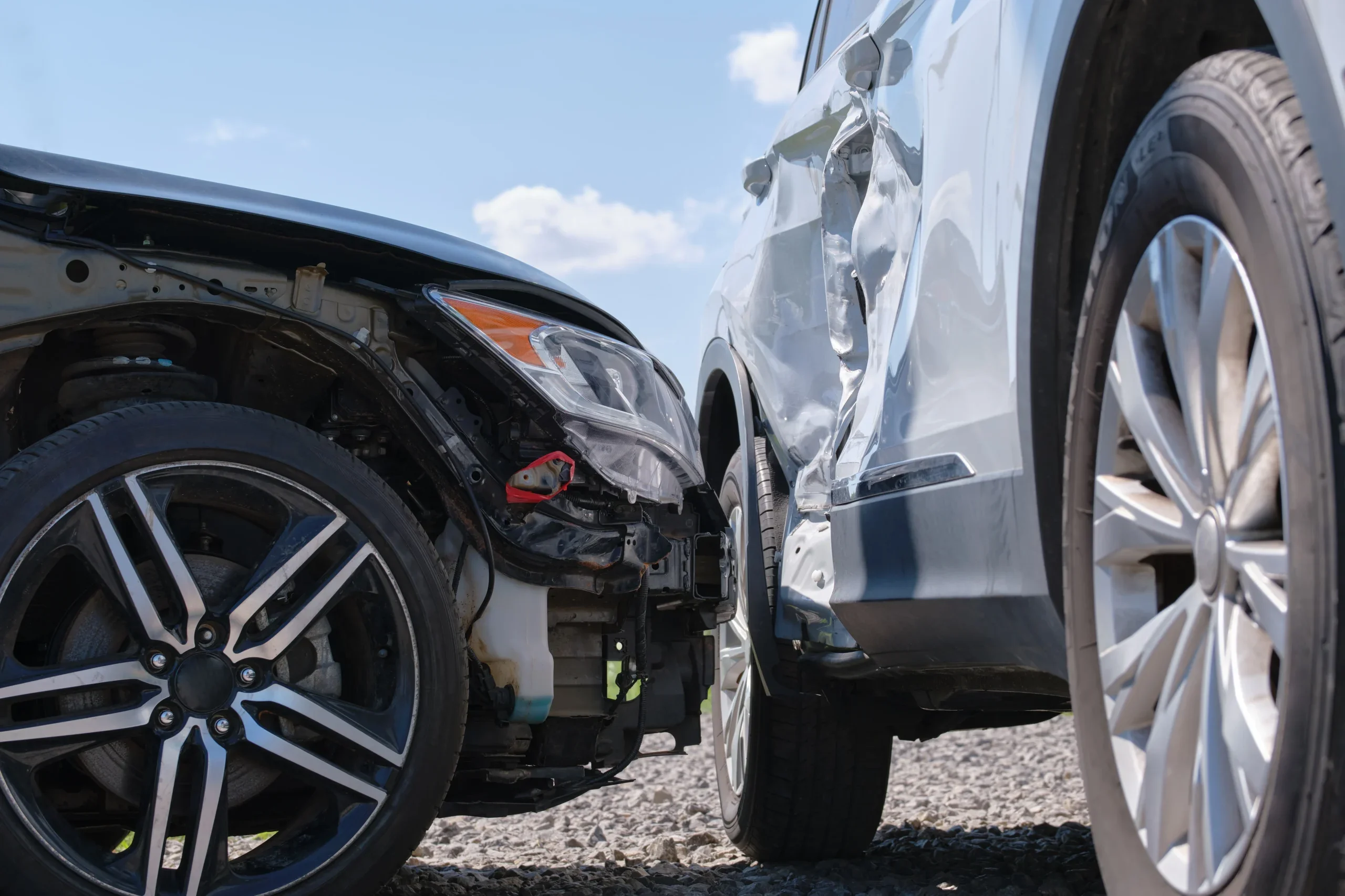
A car accident settlement is essentially an agreement between the victim, the negligent party, or their insurance company. This agreement ensures that the at-fault party covers the victim's damages through their liability auto insurance, usually in exchange for a lump sum payment. This process covers immediate expenses such as medical bills and vehicle damage and considers long-term consequences like lost wages and pain and suffering. In some cases, a car accident lawsuit may be necessary if a fair settlement cannot be reached. About 98% of car accident compensation cases are obtained through settlements rather than court cases, highlighting the efficiency and practicality of settlements. The average bodily injury claim following a collision was $20,235 in the past years, reflecting the significant financial implications of even minor accidents. Given the varying timelines for settlements, all car accident victims need to comprehend the complexities of this process. If you're wondering what injury pays the most for car accidents, the answer usually involves severe injuries. These injuries can lead to substantial settlements due to their severity and long-lasting impact on victims' lives. In this article, we'll learn which injuries lead to higher payouts and the reasons behind these. Highest Paying Car Accident Injuries The largest personal injury settlement in the United States typically involves severe and long-term impacts. Here are some of the most significant car accident injuries regarding compensation. Traumatic Brain Injuries (TBI) TBIs are among the most severe and costly injuries resulting from car accidents. These injuries can lead to long-term or permanent disability, requiring extensive medical treatment, rehabilitation, and ongoing care. The lifetime cost for each severe TBI survivor can exceed $4 million. TBIs are also a leading cause of disability, affecting around 5.4 million people in the U.S.​ Spinal Cord Injuries Injuries to the spinal cord can result in partial or complete paralysis, significantly impacting a person’s quality of life and ability to work. These injuries often lead to substantial settlements due to the high costs of medical care, rehabilitation, and modifications needed for mobility and daily living. The estimated lifetime cost for spinal cord injuries can range from $1 million to over $5 million, depending on the severity and age of the victim at the time of injury. Severe Orthopedic Injuries Fractures and injuries requiring surgeries, such as those to the pelvis, legs, or arms, can also result in high compensation due to medical expenses, physical therapy, and loss of income during recovery. These injuries often require multiple surgeries and long-term rehabilitation. Factors Influencing High Settlement Amounts Various factors significantly influence the determination of settlement amounts in car accident claims. The severity of injuries is a major factor, as more severe injuries typically result in higher medical expenses and greater claims for pain and suffering damages. Non-economic damages, such as emotional distress and psychological disorders, also influence the settlement calculations. Future expenses and the overall impact on the victim's quality of life are significant considerations. The potential for long-term or permanent disabilities can substantially increase the settlement amounts, as these factors add to the financial and emotional burden on the victim. Medical Expenses In car accident cases, medical expenses usually make up the lion's share of average car accident settlement claims. These expenses include both past medical bills and anticipated future medical costs, such as: Ongoing treatment Rehabilitation Any necessary home modifications For example, severe spinal cord injuries may require specialized equipment and modifications to accommodate mobility limitations. The severe impact of injuries like TBIs requires long-term medical treatment and rehabilitation, which further increases the settlement value. The at-fault driver's insurance company must typically cover these extensive medical expenses. Lost Wages and Earning Capacity Settlement amounts can notably rise with car accident compensation for lost wages and diminished earning capacity due to permanent disabilities. This type of compensation includes not just current lost earnings but also affects future earning capacity. Documentation such as previous pay stubs and records of missed work time are essential in calculating these losses. Permanent disabilities resulting from the accident can lead to significant claims for loss of future income, as the victim may never be able to work in the same capacity again. It is critical to consider this long-term financial impact during the settlement process. Pain and Suffering Damages Aiming to cover both physical pain and emotional distress caused by the accident, pain, and suffering damages play a significant role. These damages can include compensation for psychological disorders such as PTSD, depression, and anxiety, as well as changes in mood or personality due to severe physical injuries. Lawyers calculate pain and suffering damages using various methods, such as per diem rates or multiplying special damages by severity. A good car accident settlement offer should cover all medical expenses, property damage, and time off work. It should also provide compensation for pain and trauma experienced as a result of the accident. Role of Insurance Coverage in Settlements Insurance policies and providers considerably impact the final settlement amount in car accident claims. The insurance coverage available can significantly affect the settlement figure, as insurers generally only pay up to the policy limit. If damages exceed the coverage, the insurer will not pay the excess, and pursuing a claim against the at-fault driver for losses not covered by insurance may not be worth it. Different types of insurance coverage, such as liability insurance and umbrella policies, provide varying levels of protection and can influence the settlement outcome. For car accident victims seeking just compensation, comprehending the role of insurance coverage is indispensable. Liability Insurance Limits Liability insurance limits set the cap on what an insurance company will pay for damages and injuries resulting from an accident. These limits can significantly impact the final settlement amount, as insurers rarely pay more than the policy limits. A study by the Insurance Research Council found that the frequency of settlements exceeding policy limits in auto accidents was about 4%. This highlights the importance of understanding your own and the at-fault party's insurance policy limits when pursuing a car accident claim. Uninsured/Underinsured Motorist Coverage Uninsured and underinsured motorist coverage protects insured individuals when the at-fault driver has insufficient or no insurance. This coverage is essential in hit-and-run incidents or accidents involving an uninsured driver. Underinsured motorist coverage helps cover damages when the at-fault driver's insurance is insufficient. This type of coverage ensures that car accident victims receive the compensation they need, regardless of the other party's insurance status. Legal Considerations in High-Value Claims High-value personal injury claims, particularly those arising from car accidents, often involve a multi-faceted legal process, which can become complex due to several factors. The primary challenges lie in proving the severity of injuries, establishing liability, and interpreting insurance policies. Here’s a deeper look into these elements: Establishing Liability Determining which party is responsible for the accident is the foundation of any personal injury claim. In car accident cases, liability can hinge on several factors, such as: Witness testimony Police reports Traffic laws Surveillance footage (if available) Determining the at-fault driver can be complicated by disputes over the events leading up to the accident, necessitating expert testimony, accident reconstruction reports, and other forms of evidence. Proving the Severity of Injuries In high-value claims, the severity of injuries is a key factor that directly affects settlement amounts. Personal injury attorneys often work with medical experts to substantiate the long-term effects of injuries such as: Traumatic brain injuries (TBI) Spinal cord injuries Permanent disabilities Emotional distress or psychological trauma In addition to the immediate medical bills, ongoing care costs, rehabilitation, and loss of earning capacity can result in substantial damages being sought. Bad Faith Claims Insurance companies play a significant role in the claims process, but their goal is often to minimize payouts. Policyholders expect insurers to handle claims fairly, but disputes over policy coverage or undervalued settlements may lead to bad-faith insurance claims. In these cases, a claimant may seek additional damages if the insurance company fails to act in good faith. A formal demand letter is typically the first step in seeking compensation. This letter outlines the damages sought, including medical bills, lost wages, and pain and suffering. If the insurer refuses to offer a reasonable settlement, litigation might become necessary. State-Specific Laws Each state has its own regulations governing personal injury and car accident claims, influencing how claims are processed. Important factors include: Minimum insurance requirements: States mandate minimum levels of auto insurance coverage. Statutes of limitations: These laws dictate how long a claimant has to file a lawsuit after an accident. For example, in Hawaii, the statute of limitations for filing a personal injury claim is two years from the date of the accident. Fault determination: Different states use either pure or modified comparative negligence systems, affecting how damages are calculated based on the claimant’s level of fault. Comparative Negligence Rules Comparative negligence systems determine how fault is shared between parties. There are two main systems: Pure Comparative Negligence: Even if a claimant is up to 99% at fault, they can still recover damages, though the amount will be reduced according to their percentage of fault. Modified Comparative Negligence: Most states, including Hawaii, follow a modified system. Under this rule, if the claimant is more than 50% or 51% at fault (depending on the state), they are barred from recovering any damages. If they are less than 51% at fault, their compensation will be reduced proportionally. For example, if a plaintiff is found 10% at fault, their compensation will be reduced by 10%. Importance of Hiring an Experienced Personal Injury Attorney Hiring a skilled personal injury lawyer is one of the most important decisions you can make after suffering an injury, such as a car accident. The right attorney helps you protect your rights, secure compensation, and navigate the often confusing legal system. Below are reasons why hiring a personal injury lawyer is essential: 1. Maximizing Compensation A personal injury lawyer knows how to get you the most out of your claim. Without legal help, you might settle for less than what you deserve. Lawyers understand the full scope of personal injury settlements, including medical bills, lost wages, and pain and suffering. They can calculate the appropriate compensation for both current and future expenses, ensuring you get fair compensation for your injuries. 2. Handling Insurance Companies Insurance companies are not on your side. Their goal is to minimize how much they pay on a claim. When you’re dealing with an insurance adjuster after a car accident, they may offer a quick but low settlement. A personal injury lawyer negotiates on your behalf, pushing back against the tactics insurance adjusters use to reduce settlement amounts. Having a lawyer can mean the difference between an unfair offer and proper compensation. 3. Understanding the Legal Process The legal process surrounding personal injury cases can be overwhelming. Filing paperwork, adhering to deadlines, and knowing how to present evidence is necessary for your case. A personal injury lawyer will handle the claims process for you, ensuring that everything is done correctly and on time. This is especially important in serious cases like those involving traumatic brain injury, spine injury, or wrongful death. 4. Proving Liability One of the toughest parts of any personal injury claim is proving who is at fault. Whether it’s a car accident, a slip-and-fall, or medical malpractice, gathering evidence is essential. A lawyer will investigate the incident, interview witnesses, and work with medical experts to prove negligence. In cases involving an at-fault driver, your lawyer will establish that the other party’s actions caused your injuries, which is key to winning the case. 5. Peace of Mind When you’ve been injured, the last thing you need is more stress. Medical treatment, physical pain, and emotional distress can be overwhelming. By hiring an experienced personal injury lawyer, you relieve yourself of the legal burden. They take care of the details while you focus on your recovery. From managing medical bills to negotiating with insurance carriers, a skilled attorney ensures that your case is in good hands. Rightful Compensation for Severe Car Accident Injuries The highest-paying car accident injuries often involve severe conditions like spinal cord injuries, traumatic brain injuries, and multiple fractures. These injuries require extensive medical treatment, leading to substantial medical bills and significant pain and suffering damages. Consequently, the compensation for such injuries is typically much higher compared to minor injuries. Understanding what injury pays the most for a car accident can guide victims in seeking fair compensation. If you suffered a serious injury after an auto accident, consult a legal professional. Recovery Law Center, a trusted car accident attorney in Hawaii, can help you with your car accident settlements. Schedule a consultation to ensure you receive the compensation you deserve for medical expenses, lost wages, and pain and suffering damages.

Is It Worse to Be Rear-Ended While Stopped

Is It Worse to Be Rear-Ended While Stopped?

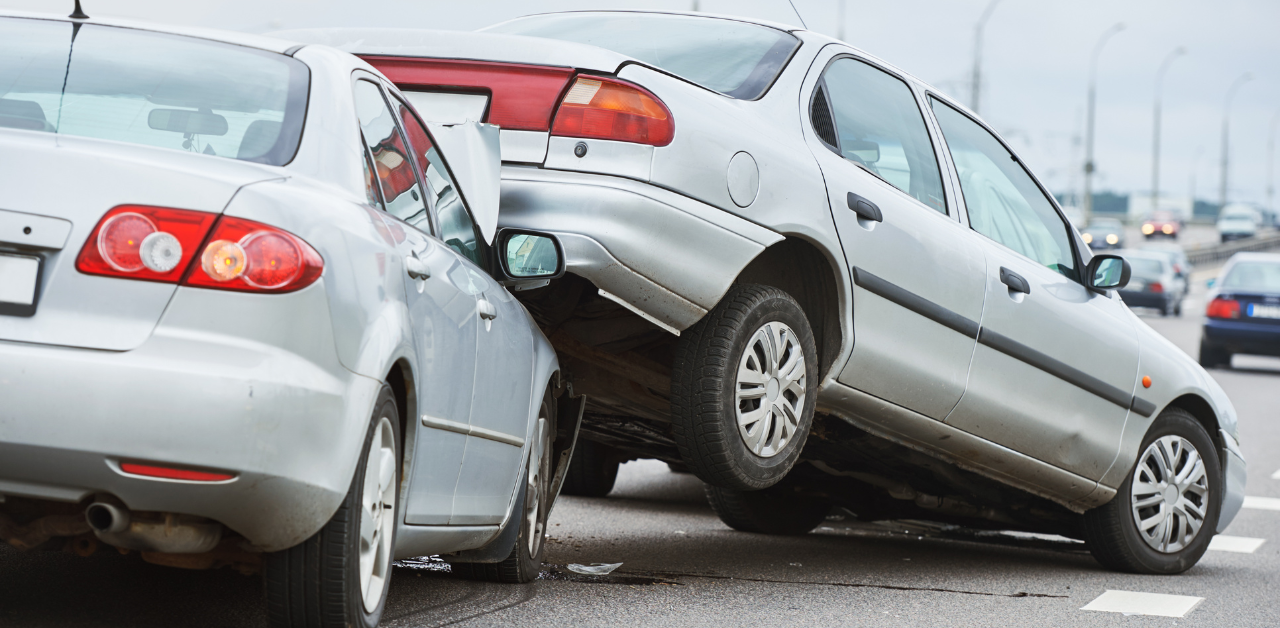
Is it worse to be rear-ended while stopped? Yes, it can often lead to more severe consequences compared to moving collisions. Stationary vehicles provide less opportunity to absorb impact, making injuries more likely. In this article, we will explore the dangers of being rear-ended while stopped, common injuries, legal implications, and essential steps to take if you experience such an accident. Dangers of Being Rear-Ended While Stopped A rear-end collision is a common type of car accident and one of the most prevalent crashes on our roads. This is mainly due to factors like distracted driving. In fact, distracted driving accounts for 87% of these incidents. This means that nearly every time a driver glances at their phone fiddles with the radio, or engages in any other distraction, they significantly increase the risk of a rear-end accident. When a vehicle is stopped, the occupants are particularly vulnerable, as they rely entirely on the attentiveness of the rear driver. Rear-end accidents often happen because the front vehicle slows down or stops, and the driver behind doesn't react quickly enough. This situation is hazardous when the car in front is not moving at all, like at a stop sign or red light. Hence, the sudden impact can cause severe injuries and substantial vehicle damage. Moreover, the severity of these accidents is not to be underestimated. Rear-end crashes are just as deadly as they are expected. The sudden and forceful impact can lead to a range of significant injuries, from whiplash to spinal cord damage. Knowing the dangers of being rear-ended while stopped is crucial for appreciating the potential severity of these seemingly routine traffic incidents. Common Injuries from Rear-End Collisions In the aftermath of a rear-end collision, the injuries sustained can vary widely, from minor bruises to life-threatening conditions. The sudden and forceful impact of a rear-end collision often results in a range of common injuries, including: Whiplash Back pain Shoulder injuries Lacerations Spinal injuries Traumatic brain injuries Recognizing the potential for such severe injuries helps underscore the importance of taking the proper steps after an accident. The following subsections will delve into the specific types of injuries prevalent in rear-end collisions. Whiplash Whiplash is one of the most prevalent injuries resulting from a rear-end collision. It occurs when the force of the impact causes the neck to snap back and forth violently, leading to symptoms such as: Stiffness Pain Weakness Numbness Headaches Unfortunately, whiplash can have long-lasting effects, with 80% of individuals experiencing neck pain and soreness for longer than a week and 50% suffering for over a year. This makes whiplash not only a common injury but also a potentially chronic condition that requires proper medical attention and rehabilitation. Spinal Cord Injuries Spinal cord injuries from rear-end collisions can be devastating, often leading to paralysis, weakness, numbness, and nerve pain. Spinal stenosis, a condition where the spaces in the spine narrow and put pressure on spinal nerves, can result from such accidents, causing symptoms like pain, tingling, muscle weakness, and numbness. Immediate medical attention is crucial for these injuries to prevent long-term damage and complications. The severity of spinal cord injuries highlights the need for comprehensive medical evaluations following a rear-end collision. Traumatic Brain Injuries Traumatic brain injuries (TBIs) can occur even in low-speed rear-end collisions. These injuries can manifest as headaches, dizziness, memory problems, and mood changes. Severe cases of a concussion resulting from a TBI can lead to cognitive issues and confusion. Behavioral changes, loss of balance, and uncontrollable drowsiness may also accompany this. Factors That Increase Severity in Rear-End Crashes Several factors can significantly increase the severity of rear-end crashes. High speed, distracted driving, and heavy traffic are among the most critical elements contributing to these accidents' heightened danger and impact. By maintaining proper steering wheel control, drivers can understand these factors better, helping them be more vigilant and potentially avoid severe rear-end collisions. High Speed High-speed driving is a major contributor to the severity of rear-end collisions. When vehicles travel at high speeds, the impact energy increases dramatically, making crashes more deadly. The stopping distance required to avoid a collision also increases with speed, necessitating more significant gaps between vehicles to brake safely. For instance, an increase in impact speed from 40 to 60 mph results in a 125% increase in crash energy. High-speed impacts can compromise vehicle structures, reducing the survival space for occupants. Distracted Driving Distracted driving is the leading cause of rear-end collisions. Activities like texting, eating, or adjusting the radio divert attention from the road, significantly increasing the likelihood of a crash. The lapse in attention caused by distractions means drivers fail to notice the vehicle ahead slowing or stopping, leading to a collision. The prevalence of distracted driving underscores the importance of staying focused and attentive while behind the wheel. Heavy Traffic Heavy traffic conditions also increase the risk of rear-end collisions. Congested roads can lead to multi-vehicle rear-end crashes, exacerbating injury severity. In heavy traffic, the limited space and frequent stops can cause a chain reaction of collisions, making it crucial for drivers to maintain a safe distance and be prepared to brake suddenly. Legal Implications of Being Rear-Ended While Stopped The legal implications of being rear-ended while stopped are significant and multifaceted. Determining fault, seeking compensation for damages, and securing legal representation are important steps in the aftermath of such accidents. Determining Fault The driver who rear-ends another vehicle is usually considered at fault in most rear-end collisions. This is because they are typically responsible for maintaining a safe following distance. This is particularly true if the front vehicle is completely stopped, as the rear driver is expected to maintain a safe distance and be prepared to stop. However, exceptions exist, such as when the front vehicle stops abruptly or has non-functional brake lights, potentially shifting fault. Compensation for Damages Victims of rear-end collisions can seek compensation for various damages with the help of a rear-end accident lawyer, including: Medical expenses Lost income Vehicle repairs Emotional distress The physical and emotional toll of the injuries can interfere with job and career prospects, leading to lost earnings and diminished earning potential. Ensuring total compensation is crucial for covering these losses and supporting recovery. Importance of Legal Representation Having a dedicated car accident attorney is essential for managing the complexities of insurance claims and legal proceedings. Legal representation ensures that victims receive: Fair treatment from insurance companies The necessary advocacy to build a compelling case In-depth knowledge of relevant laws Effective negotiation on behalf of their clients Steps to Take After Being Rear-Ended While Stopped Taking the right steps immediately after being rear-ended while stopped is vital for ensuring safety, documenting the incident, and protecting legal rights. These steps include seeking medical attention, reporting the accident, and contacting a car accident attorney. Seek Medical Attention Seeking medical attention after a rear-end collision is vital, even if no injuries are immediately apparent. Latent injuries, such as internal damage or whiplash, may not show symptoms right away but can have serious consequences. Medical evaluations, including diagnostic tests like X-rays and CT scans, help uncover hidden injuries and ensure proper treatment. Document the Accident Documenting the accident scene is essential for collecting evidence and supporting your claim. Here are some steps to follow: Take pictures of the accident scene Take photos of vehicle damage Take pictures of any injuries sustained Explain the accident to the police Obtain a copy of the accident report for insurance and legal purposes. Contact a Car Accident Attorney Contacting a car accident attorney helps navigate the legal complexities and seek fair compensation. Attorneys can assist with negotiating insurance claims and legal proceedings, ensuring that victims receive the compensation they deserve. Consider contacting Recovery Law Center for a free case evaluation. They can provide you with valuable information on your legal options. Dealing with Insurance Companies Dealing with insurance companies after a rear-end collision requires careful attention and strategic actions. Avoiding quick settlements, documenting everything, and seeking legal assistance are key to ensuring fair compensation. 1. Avoid Quick Settlements Initial settlement offers from insurance companies are typically lowball amounts to minimize payouts. Accepting these offers can prevent you from getting the full compensation you deserve, so it’s essential to negotiate effectively and seek fair compensation. 2. Document Everything Maintaining detailed records of all medical treatments and expenses, including medical bills and correspondences related to the accident, is crucial. Keeping photographs of injuries and vehicle damage and a daily journal documenting pain and recovery can strengthen your compensation claim. 3. Legal Assistance Legal assistance can significantly influence the outcome of negotiations with insurance companies. Having a personal injury lawyer ensures that claimants receive fair treatment and higher payouts. Lawyers can counter insurance company tactics and negotiate on your behalf, providing invaluable support during this challenging time. Understanding and Responding to Rear-End Collisions Rear-end collisions are common but serious events that can lead to significant injuries and complex legal implications. Knowing the specific risks, common injuries, and what makes these accidents more severe is essential for handling what comes next. Taking the right steps immediately after an accident, seeking legal representation, and dealing effectively with insurance companies can make a significant difference in recovery and compensation. If you have been rear-ended while stopped, schedule a consultation with Recovery Law Center, a rear-end accident attorney in Hawaii. Their experience can help you with the legal process and ensure you receive fair compensation. Remember, taking prompt and informed action is key to protecting your health and rights after a rear-end collision.

TBI Awarness Month

Brain Injury Awareness Month: Strategies for Prevention and Support

March is Brain Injury Awareness Month, an important time dedicated to increasing public understanding and support for the millions impacted by brain injuries. What can we do to prevent these injuries, support affected individuals, and create a society that's better informed about brain injury risks and consequences? This article will walk you through preventative measures, support networks, and the Brain Injury Association of America's (BIAA)’s vital role in this annual observance. Understanding Brain Injury Awareness Month Brain Injury Awareness Month shines as a beacon of hope and education, connecting with service members, veterans, family members, and healthcare professionals. Its mission is to: Enlighten people about brain injuries, their consequences, and methods of prevention Promote awareness through the Provide storytelling toolkits to inspire individuals to share their personal experiences The Brain Injury Association of America (BIAA) is spearheading this initiative. The "My Brain Injury Journey" campaign significantly contributes to this awareness initiative. They encourage individuals and service members to use social media as a platform to share their personal traumatic brain injury tales, thereby raising greater awareness. Throughout the month, the BIAA hosts various events, including webinars that explore topics like health literacy, care disparities, and treating brain injuries as chronic conditions. The essence of Brain Injury Awareness Month lies not only in the efforts to spread awareness but also involved in fostering an empathetic and informed community, aiming to raise awareness about various types of brain injuries. So, whether it's a head injury, stroke, or concussion you're dealing with, knowing that you're not alone can be incredibly empowering. Impact of TBI Injuries Traumatic brain injuries are a worldwide issue, with millions affected. According to the National Library of Medicine, there were approximately 27.16 million new cases and 48.99 million existing cases globally. In the U.S., a brain injury happens every 9 seconds, resulting in at least one death and 2.8 million new traumatic brain injuries each year. With 5.3 million adults and children in the U.S. living with disabilities due to brain injuries, the long-term effects of these injuries are profound. These can manifest as: Memory loss Impaired reasoning Problem-solving difficulties Changes in sensory processing Changes in physical capabilities Quick action is essential when symptoms like headaches, confusion, dizziness, or nausea appear after a traumatic brain injury, as conditions such as concussions may present immediate symptoms with the potential for delayed symptoms to emerge. A diverse team approach, incorporating specialists from the following fields, is often necessary for the treatment of traumatic brain injuries: Physical medicine Rehabilitation psychology Physical therapy Occupational therapy Speech therapy Social work While traumatic brain injury rates are dropping globally, socio-demographic differences still impact how common these injuries are in different places and access to healthcare. Acquired Brain Injury: Causes and Prevention Acquired brain injuries occur post-birth and are not attributed to genetics, birth trauma, degeneration, or congenital conditions. These injuries can be caused by various factors such as accidents, infections, or strokes. They can be categorized as traumatic or non-traumatic. Traumatic brain injuries typically arise from an external force resulting in trauma. Some common causes of these injuries include: Slip and Falls Road injuries Conflict and war On the other hand, non-traumatic brain injuries can result from internal events like strokes and infections or exposure to toxins or certain drugs. Avoiding non-traumatic brain injuries involves managing health conditions like hypertension to prevent strokes, getting vaccinations to prevent infections, and avoiding exposure to brain-harming toxins and substances. Reducing Risk: Practical Tips for Brain Injury Prevention Mitigating the risk of brain injuries is a simple task. It often boils down to simple, everyday life choices like using seat belts, refraining from impaired driving, and educating children about the importance of safety. Helmet safety in sports and removing trip hazards at home are two vital areas that can help significantly reduce the risk of brain injuries, especially among older adults. Helmet Safety and Sports Participation Whether tearing down a ski slope, riding a motorcycle, or participating in contact sports, wearing appropriate headgear is a non-negotiable safety measure. It not only prevents head injuries and concussions but also shields your brain from potential damage. For optimal protection, a helmet should be worn correctly. Here are some guidelines to follow to wear helmets well: It should sit level on the head and low on the forehead. The straps should form a 'V' when buckled under the ears. The straps should be snug but comfortable, especially when the mouth is wide open. By following these guidelines, you can ensure that your helmet provides the best possible protection. But not all helmets are created equal. Always ensure that your helmet meets the safety standards appropriate for the specific sport or activity. Look for relevant certifications to ensure the helmet provides reliable head protection. Fall Prevention for Older Adults Falls are the leading cause of traumatic brain injuries worldwide, underscoring the importance of fall prevention, particularly in older adults. Strategies to prevent falls encompass: Exercise to enhance balance and coordination Hazard-proofing homes Reviewing medications Wearing suitable footwear Healthcare providers hold a significant role in preventing falls. They can recom mend assistive devices, conduct regular eye exams and check-ups, and discuss specific fall prevention measures with older adults. Brain Injury Awareness Month is a timely cue of the importance of f all prevention to avoid brain injuries in children and older people. Educating and rallying community support can collectively mitigate the risk of these potentially life-altering incidents. Supporting Individuals with Brain Injuries Providing support for individuals with brain injuries extends beyond medical treatment. Financial support for long-term care can be a lifeline for many with acquired brain injury. Emotional support is equally important. Support groups offer a break for families and caregivers, a crucial resource for relieving caregiver burnout. Comprehensive information about brain injuries, their treatment, diagnosis, and available support can be accessed through the BIAA's website and helpline. In addition, the BIAA provides individuals with advocacy tools like the Policy Corner newsletter and letter-writing campaigns. These empower individuals to contribute to policy changes for brain injury support, making them active participants in the cause. Participating in Brain Injury Awareness Month Events There are numerous ways to participate in Brain Injury Awareness Month events. Sharing personal brain injury stories can empower survivors, reduce stigma, and foster greater understanding. The BIAA's #MyBrainInjuryJourney campaign encourages using specific social media hashtags to amplify these personal narratives. Throughout March, Brain Injury Awareness Month, the BIAA and its affiliates sponsor numerous virtual and in-person events. These events aim to educate the public about traumatic brain injury, spreading awareness and encouraging support. Advocacy initiatives, like letter-writing campaigns, are also predominant during Brain Injury Awareness Month. These initiatives support legislation such as reauthorizing the Traumatic Brain Injury Act, enabling individuals to contribute to meaningful policy changes. Uniting for Brain Injury Prevention and Support Advocacy From understanding the significance of Brain Injury Awareness Month to exploring research on the impact of traumatic brain injuries, we've delved into the multifaceted world of brain injuries. We've uncovered strategies for prevention, critical tips for risk reduction, the importance of support, and how participation in awareness events can make a difference. With Brain Injury Awareness Month, it's crucial to remember the impact of our actions. Whether sharing experiences, promoting helmet use, or advocating for change, every effort matters. Let's persist in raising awareness, supporting survivors, and prioritizing prevention. Each step is a stride towards a safer, more informed community. At Recovery Law Center, we offer support and legal guidance to those affected. Together, we can shape a future where brain injuries are minimized.

children walking

Halloween Safety Tips

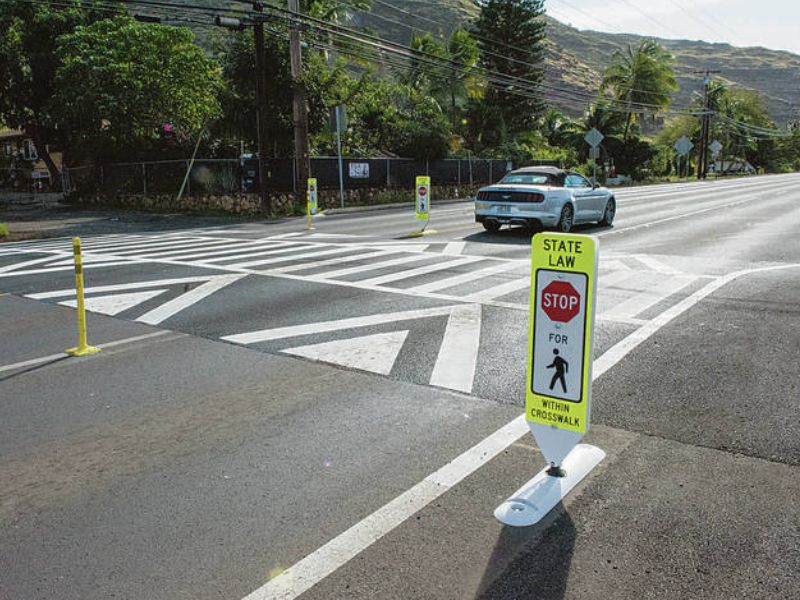
Getting hurt on Halloween can be more than scary. You can protect your children by following these eight Halloween safety tips from our Honolulu personal injury lawyers at Recovery Law Center. Tips for Staying Safe on Halloween 1. Costume choices It’s not just about winning a costume contest. A frightening statistic reveals that pedestrian motor vehicle crashes kill more children on Halloween than on any other day. Make your child’s costume safe by using reflective materials. Have your child use flashlights and blinking lights so that drivers can see them. In addition, make sure your child’s costume isn’t too long or bulky in a way that may cause a fall. 2. Paths and sidewalks Keep your group on sidewalks and paths wherever you can. Consider trick-or-treating in areas with light traffic. Cross the street carefully, using crosswalks whenever possible. 3. Safe footwear While ghosts don’t worry about slipping and falling, you don’t want a fall to bring trick-or-treating to an early end. Your child’s footwear is essential. Ensure their shoes fit properly and are equipped with treads and grooves that enhance grip and prevent slipping. 4. Masks Many Halloween costumes have masks, but they can create a danger if your child can’t see. Your child needs to see others around them, and they need to see cars. They need to see the ground where they’re walking. If your child wants to wear a mask, make sure they can see, or have them pull the mask off between stops. 5. Fire Jack-o-lanterns are fun to make and display, and they can also cause fires. Candles cause 2% of home fires. When you’re showing off your pumpkin-carving skills, always stay in the room with a lit candle. Move your jack-o-lantern away from drapes and other hazards. Paper bags with flames inside them are not a good idea, whether outside or inside. Use lights instead. 6. Driveway dangers If you expect trick-or-treaters at your house, remove trip and fall hazards. Remove slippery leaves, mulch and uneven mats that may cause a fall. 7. Vulnerable property Travelers Insurance reports a 17% increase in crime-related claims on Halloween. They say that people may think committing a crime on Halloween is okay. They may also be opportunistic, knowing that people are distracted or away from their homes. Secure your home, vehicle and, personal belongings. Remain aware of your surroundings. 8. Plan with your child Discuss the night’s plan with your child. If they’re young, go with them. If they’re going out independently on their own, discuss routes, timelines, who they’ll be with, and when to return. Remind them to use sidewalks and crosswalks. Tell them to slow down and be mindful. They should know how to reach you if they need help. Be Safe this Halloween! At Recovery Law Center, we make our community a better place by fighting for the rights of adults and children unjustly hurt. We’re in the recovery with you when life gets scary.

Glenn T. Honda

Attorney Glenn T. Honda Featured in Game Changers Journal

Recovery Law Center founding attorney Glenn T. Honda was recently profiled as a featured client in Crisp’s Game Changers Journal. Crisp, a company specializing in law firm growth and culture, highlighted Honda’s steadfast commitment to clients as a standout part of his Honolulu personal injury practice. “What is it that has kept Glenn on top of the personal injury game for over 25 years? It’s simple: He cares about his clients — and he’s never wavered,” the article says. “He’s put his clients before himself time and time again, and it’s paid off.” Recovery Law Center has represented over 5,000 clients in matters involving motor vehicle accidents, slip and falls, pedestrian accidents, bicycle accidents, and wrongful death. “We try to keep in mind that people are not in the best place when they come to us, so we try to use empathy and efficiency to enhance the client experience,” Honda told the Journal. Honda partners with Crisp to learn best practices for law firm management, balancing workloads, adapting to changes in a busy market, and developing strategies for personal and professional growth. The strategies he’s learned make him look forward to every day in the office. “It’s a privilege to help people through some of their darkest times and reach a positive outcome,” he says. “It’s not about how many cases we get. It’s about ensuring the cases we handle get results that make a difference in a person’s life.”

Recovery Law Center COVID-19 Update [Updated September 2020]

You Don’t Need to Leave the House to Meet with Our Lawyers. Concerned About Coronavirus? We all have a duty to keep ourselves, our families, our neighbors, and our communities safe right now. This means temporarily reshaping the way we live our lives to combat the novel coronavirus (COVID-19). At Recovery Law Center we are taking this duty seriously and are practicing the “social distancing” guidelines recommended by health officials. To ensure you still have access to us, our lawyers are available to meet with you remotely so we can answer your legal questions and discuss your case. Across the nation, people are limiting in-person contact as much as possible to help slow the spread of the virus and allow our health care system to operate within its capacity. The U.S. Centers for Disease Control and Prevention continues to provide important guidance about what we all can do to protect ourselves and others from exposure. (Visit the CDC website for the most up-to-date information and recommendations.) During this challenging time, our attorney remains available to talk about your legal issues over the phone or via free video conferencing services such as: GoToMeeting Facetime Skype Zoom If you are ready to speak with a lawyer now, please contact us to schedule your free consultation. Our team can meet with you remotely and get started on your case immediately without having to talk in person. Our business is not being interrupted and we are available 24/7 via our website chat or phone. *Originally published March 2020, updated September 2020.

upcoming-events-in-honolulu-scaled-1

Upcoming Events in Honolulu

People travel from all over the world to visit the beautiful islands of Hawaii. For those of us who live here year-round, we enjoy experiencing all the events in Honolulu and beyond, especially around the holidays. Read more below to find out about some exciting events coming up on Oahu. Top Five “Can’t Miss” Events in Honolulu Get into the holiday spirit at Honolulu City Lights. This holiday lighting display has taken place every year since 1985. Enjoy concerts and family-friendly events through December 29, including on Christmas Day. Parking is free in the city municipal parking lot, with entry from the left lane of Beretania Street right after Alapai Street. Just because Christmas is over doesn’t mean the magic has to end. Attend the International Brotherhood of Magicians 185’s 8th Annual Hawaii Magic Festival on December 29. The event will be held in Honolulu’s Kaimuki High School Auditorium and starts at 7 p.m. This is a fantastic Hawaii event for families, so bring the kids and spend the evening being mystified by award-winning magic acts from around the islands. The Hawaii Bowl has been played at Honolulu’s Aloha Stadium annually since 2002. This year, the college football bowl game will take place on Christmas Eve and will feature the Hawaii Rainbow Warriors against the Brigham Young University Cougars. Out-of-towners fill the stadium with their team colors and energy, making for an exciting day. The Hawaii Convention Center is hosting Winter Wishes — A Holiday Festival through December 24. The event features an ice-skating rink, a gingerbread house competition, music, keiki activities and food and drink. Part of the proceeds will benefit childhood literacy in Hawaii in partnership with Kristi Yamaguchi’s Always Dream Foundation. Don’t forget the Waikiki Beach Fireworks Show every Friday night. This is an event that you can enjoy all year long. The Hilton Hawaiian Village puts on this free fireworks show, which typically begins around 7:45 p.m. Start your weekend off with a bang by watching from the concrete pier in front of the Outrigger Reef on the Beach. Contact Recovery Law Center For over 25 years, Honolulu personal injury attorney Glenn Honda has helped locals, tourists, military service members and others injured in accidents in Honolulu and its surrounding communities. If you were harmed in an Oahu accident and believe someone else is to blame, you’ll find a sympathetic ear and solid legal advice with us. Contact Recovery Law Center today for a free consultation.

Premises-Liability-Suit-Against-McDonalds

Premises Liability $1M Suit Against McDonald's Settled

Customers should not have to be concerned with personal safety when shopping or visiting stores and restaurants. Business and property owners in Hawaii should always welcome visitors with a safe environment. Premises liability laws in the state of Hawaii and across the country say that property and business owners are responsible for the safety and protection of all visitors lawfully on their property. However, things like tools or water left on the floor from routine maintenance can turn into dangerous hazards that have the potential to cause injuries to customers. A woman and her child recently settled a lawsuit against a McDonald's restaurant in another state after a fall in the restaurant resulted in injuries. According to the lawsuit, the woman and her child visited the restaurant and encountered water on the floor. The woman claimed the water caused her child to slip and fall. The fall resulted in injuries to the child, the lawsuit claimed. The alleged injuries included right arm and right elbow injuries, as well as injuries to the child's knee and general body soreness. The lawsuit alleged that even though employees were aware of the potential hazardous condition, there was no signage displayed to warn customers. The lawsuit was recently settled out of court. The plaintiffs sought $1 million in damages. When hazardous conditions on a property result in injuries to legal visitors, business and property owners can be held liable. Those in Hawaii who suffer injuries due to the hazardous conditions on a property may be able to file a premises liability lawsuit. A successful claim could result in much-needed compensation to cover medical expenses and other financial damages accrued due to injuries. Source: setexasrecord.com, " Slip & fall against Beaumont McDonald's settles before trial, plaintiffs sought $1M in damages ", David Yates, April 2, 2018 Visit our Premises Liability Lawyer Office in Honolulu, HI Premises Liability Lawyer Office in Waipahu, HI

Contact Us

Fill out this form below and we'll contact you shortly
*Required Fields