Large trucks are a constant presence on America’s highways, carrying goods between ports, warehouses, farms, factories, and stores. They are also overrepresented in some of the most consequential crashes on U.S. roads, not necessarily because truck drivers are always at fault, but because the size and weight of large trucks can make collisions more severe. In 2023, 5,472 people were killed in crashes involving large trucks, according to the National Highway Traffic Safety Administration. Most of those killed were not inside the trucks: 70% were occupants of other vehicles, while 18% were large-truck occupants and 12% were pedestrians, cyclists, or other nonoccupants. Fatal crashes are also not evenly distributed. A road’s total death count can reflect its length, traffic volume, and the number of states it crosses. A deaths-per-mile measure offers another way to look at risk: It shows where fatal crashes are most concentrated along a route, rather than simply where the most miles of highway exist. To examine where fatal crashes were most concentrated, Recovery Law Center, a personal injury law firm, reviewed research published by Teletrac Navman, whose team analyzed fatal crash records from the National Highway Traffic Safety Administration for U.S. numbered highways and interstate routes. The analysis covers 2016 through 2019 and ranks highways by fatalities per mile. While the ranking includes all fatal crashes rather than only truck-involved collisions, many of the highest-ranked routes are major freight corridors that carry substantial commercial truck traffic. Florida Corridors Lead The Ranking Florida highways dominate the upper tier of the list. I-4, US-192, US-92, and I-95 all appear in the top 10. That concentration reflects a mix of dense metro traffic, tourism corridors, commuter routes, and fast-moving interstates. I-4’s top ranking is especially notable because it is much shorter than many of the national routes on the list. The 132-mile interstate connects Tampa and Daytona Beach and passes through the Orlando area, where Teletrac Navman identified the deadliest city segment on the route. The 25 Deadliest Highways In America This table is based on research published by Teletrac Navman, whose team reviewed fatal crash records from the National Highway Traffic Safety Administration for U.S. numbered highways and interstate routes. The analysis covers the years 2016 through 2019 and ranks highways by fatalities per mile to identify the most dangerous roadways in the United States. Rank Highway Fatalities Deadliest Rank Move 1 I-4 1.134 Orlando, FL No change 2 I-45 0.913 Houston, TX No change 3 US-192 0.867 Kissimmee, FL No change 4 I-17 0.707 Phoenix, AZ No change 5 US-92 0.706 Tampa, FL New 6 I-12 0.666 Baton Rouge, LA New 7 I-30 0.646 Dallas, TX New 8 I-95 0.637 Jacksonville, FL Down 3 9 I-19 0.631 Sahuarita, AZ New 10 I-85 0.613 Charlotte, NC Up 5 11 I-5 0.609 Los Angeles, CA Up 5 12 I-10 0.597 Houston, TX Down 6 13 I-20 0.594 Dallas, TX Up 1 14 I-35W 0.528 Fort Worth, TX New 15 I-24 0.527 Nashville, TN New 16 I-75 0.521 Atlanta, GA Down 5 17 I-83 0.506 Baltimore, MD New 18 I-26 0.496 North Charleston, SC Down 6 19 I-35E 0.495 Dallas, TX New 20 US-199 0.488 Grants Pass, OR Down 7 21 I-65 0.485 Nashville, TN Down 3 22 US-17 0.462 Charleston, SC Down 2 23 US-11W 0.450 Kingsport, TN New 24 US-175 0.447 Dallas, TX Down 17 25 I-66 0.446 Washington, DC New Texas Highways Appear Throughout The List Texas has several highways in the ranking, including I-45, I-30, I-10, I-20, I-35W, I-35E, and US-175. Many of those routes converge around Houston, Dallas, Fort Worth, or El Paso—major population centers that also serve as freight hubs. I-45 ranked second nationwide, with 0.913 fatalities per mile, and Houston was listed as the deadliest city along the route. I-30 ranked seventh, while I-20 and both I-35 branches also appeared in the top 20. The Texas results highlight how urban highway segments can drive the concentration of fatalities. A route may span rural and suburban areas, but the highest-risk portions often occur where heavy traffic, frequent merging, commercial activity, and commuter travel overlap. Shorter Highways Can Rank Higher In Deaths Per Mile The ranking methodology favors fatality concentration rather than total fatalities. That distinction matters. A long interstate may record hundreds of deaths across thousands of miles, but its deaths-per-mile rate may still be lower than that of a shorter highway with repeated fatal crashes in a dense corridor. I-4 illustrates that pattern: It is far shorter than I-10, I-95, or I-5, but it ranked first because deaths were concentrated along a relatively short stretch. The Federal Highway Administration’s Highway Statistics series tracks road mileage, vehicle miles traveled, and other national roadway measures, underscoring how route length and travel exposure are central to understanding crash risk. Southern and Sun Belt Routes Are Heavily Represented Many of the highest-ranked highways run through the South and Sun Belt, including Florida, Texas, Arizona, Louisiana, Tennessee, Georgia, North Carolina, and South Carolina. These areas include fast-growing metro regions, major freight corridors, and tourist destinations. I-17 in Arizona ranked fourth, with Phoenix listed as the deadliest city along the route. I-19, another Arizona interstate, ranked ninth. In the Southeast, I-85, I-75, I-26, I-65, US-17, and US-11W all made the list. The pattern does not mean geography alone causes crashes. Road design, traffic volume, speed, congestion, weather, enforcement, land use, and driver behavior can all shape the risk of fatal crashes. Why Freight Corridors Matter Many of the highways on the list are also key routes for commercial transportation. Interstates such as I-10, I-20, I-30, I-35, I-45, I-65, I-75, I-85, and I-95 carry substantial freight traffic across regional and national supply chains. That does not mean trucks caused the fatal crashes in this ranking. The data behind the ranking includes all fatal traffic crashes, not only crashes involving commercial vehicles. But when fatal crashes occur on major freight corridors, the consequences can affect more than the people directly involved. Closures can delay emergency response, disrupt commuters, slow freight movement, and create secondary crash risks in surrounding traffic. FMCSA reported that large truck and bus fatalities per 100 million vehicle miles traveled by all motor vehicles declined from 2018 to 2019, even as 5,237 large trucks and buses were involved in fatal crashes in 2019. What The Rankings Show Beyond The Numbers The highways at the top of the list are not remote stretches where danger is isolated from daily life. Many run through or near major freight, commuter, and tourism corridors, including Orlando, Houston, Dallas, Phoenix, Tampa, Jacksonville, Los Angeles, Charlotte, and Nashville. That overlap matters because the risk on these roads is shaped not only by mileage, but by how many different users depend on the same lanes: local drivers, long-haul truckers, delivery fleets, tourists, commuters, and emergency responders. For transportation officials, the rankings point to corridors where safety reviews may need to go beyond broad statewide crash trends. A highway with a high fatality rate per mile can signal concentrated danger at specific interchanges, merging areas, work zones, or urban segments where traffic speed, congestion, and differences in vehicle size collide. On freight-heavy routes, that can mean examining truck parking availability, lane-change patterns near exits, crash histories around distribution hubs, and whether signage or road design gives drivers enough time to react.
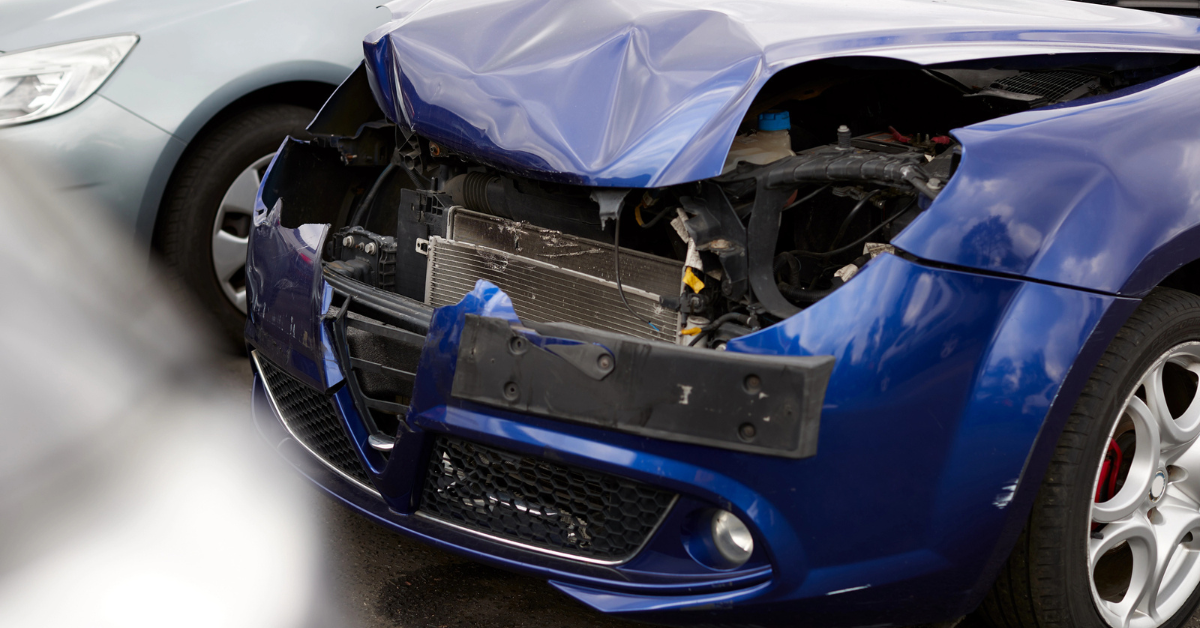
Who Pays for Car Damage in Hawaii?
Who pays for car damage in Hawaii depends on several factors, including who caused the crash, what insurance coverage is available, whether you have collision coverage, and whether the other driver has enough insurance to cover the damage. Hawaii is a no-fault state, but that does not mean your own insurance automatically pays for your vehicle damage. Hawaii’s no-fault system primarily covers injury-related expenses through personal injury protection (PIP) coverage. For damage to a vehicle or other property, the at-fault driver is generally responsible. Hawaii’s Insurance Division explains that no-fault applies to injuries, not vehicles or property, and that the driver at fault is responsible for vehicle and property damage. At Recovery Law Center, Attorney Glenn Honda's 25 years of personal injury experience help and support accident victims understand their rights after a Hawaii car accident. Is Hawaii a No-Fault State for Car Damage? Hawaii is a no-fault state, but no-fault coverage does not usually pay for car damage. This is where many accident victims get confused. Hawaii’s no-fault system is designed to help pay for injury-related costs, such as medical expenses and rehabilitation costs, regardless of who caused the accident. The Hawaii Insurance Division states that motor vehicle insurance pays injury bills up to the personal injury protection benefits limit, and that no-fault applies to injuries rather than vehicles or property. So, if your main concern is who pays for car damage in Hawaii, the answer usually depends on fault and available property damage or collision coverage. Does Personal Injury Protection Pay for Car Damage? No. Personal injury protection does not pay for car damage. Personal injury protection PIP is meant to cover injury-related losses after a motor vehicle accident. In Hawaii, drivers must have at least $10,000 in PIP coverage for their own medical and rehabilitation costs, regardless of fault. PIP benefits may help with: Medical expenses Medical treatment Medical bills Rehabilitation costs Certain injury-related expenses after an auto accident PIP insurance does not pay to repair your vehicle, replace a totaled car, or cover damage to the other party’s vehicle. If your vehicle was damaged in a car accident in Hawaii, the claim will usually involve property damage liability coverage, collision coverage, or another part of the available auto insurance coverage. When Does the At-Fault Driver’s Insurance Company Pay? The at-fault driver’s insurance company may pay when its insured driver caused the accident. For example, the at-fault driver may be responsible if they: Ran a red light Rear-ended another vehicle Failed to yield Made an unsafe lane change Drove while distracted Drove under the influence Violated Hawaii traffic laws If the other driver caused the crash, their property damage liability coverage may pay for damage to your vehicle. Their bodily injury liability coverage may also apply if you suffer injuries. As of January 1, 2026, Hawaii increased its minimum liability limits for new and renewal personal auto policies to: $40,000 bodily injury liability per person $80,000 bodily injury liability per accident $20,000 property damage liability per accident These limits are commonly shown as 40/80/20. However, minimum limits may not be enough after a serious accident. Vehicle repairs, replacement costs, medical costs, lost wages, and other losses can quickly exceed the available insurance coverage. What If Fault Is Disputed? If the fault is disputed, the insurance company may delay or deny payment until the liability is clearer. This can happen when: Both drivers blame each other There are no witnesses The police report is unclear The insurance adjusters disagree about fault The accident involved multiple vehicles The damage pattern does not clearly show what happened In this situation, evidence becomes very important. Photos of the accident scene, vehicle damage, skid marks, road conditions, traffic signals, and nearby surveillance cameras can help prove liability. Witness statements can also help support your insurance claim. If your own policy includes collision coverage, you may decide to file through your own insurance company while the liability dispute continues. Your insurer may pay for your repairs, minus your deductible, and later seek reimbursement from the at-fault driver’s insurance company. Can I Use My Own Insurance Company to Pay for Car Damage? Yes, you may be able to use your own insurance company to pay for car damage if you have the right coverage. Your own insurer may help if you have: Collision coverage: Pays for damage to your vehicle after a collision, regardless of who was at fault. Comprehensive coverage: Pays for certain non-collision damage, depending on your insurance policy. Uninsured motorist coverage: May apply in certain accidents involving a driver with no insurance. Underinsured motorist coverage: May apply when the at-fault driver has insufficient insurance to cover the losses. Collision and comprehensive coverage are optional coverages unless required by a lender or leasing company. Hawaii’s Insurance Division notes that collision, comprehensive, uninsured motorist, underinsured motorist, wage loss, death benefits, and other options may be available depending on the policy. Using your own insurance coverage may be helpful when you need your vehicle repaired quickly or the at-fault driver’s insurance company is delaying payment. What If the At-Fault Driver Has No Insurance? If the at-fault driver has no auto insurance, recovering compensation can become more complicated. You may have options through your own insurance policy, including: Collision coverage Uninsured motorist coverage Other optional coverages listed in your policy Uninsured motorist coverage is especially important when the at-fault driver has no liability insurance or leaves the accident scene. Hawaii’s Insurance Division explains that uninsured motorist coverage may help pay for serious injury or death if the driver at fault has no insurance or in a hit-and-run accident. For vehicle damage, your ability to recover depends heavily on your specific car insurance coverage. This is why reviewing your insurance policy with an insurance agent can be helpful before an accident happens. What If the At-Fault Driver Does Not Have Enough Insurance? If the at-fault driver does not have sufficient insurance, you may not receive full payment from that driver’s insurance company alone. This often happens when: The vehicle repair costs exceed policy limits Multiple vehicles were damaged The accident caused serious injuries Medical expenses and property damage claims are both involved The at-fault driver carried only minimum limits Even with Hawaii’s increased 40/80/20 minimum limits, the Hawaii Insurance Division warns that serious accidents can exceed these amounts and that higher liability limits or additional coverage may provide greater financial protection. If the at-fault driver’s insurance is not enough, you may need to look at your own policy for collision coverage, underinsured motorist coverage, or other available insurance coverage. In some cases, a personal injury lawsuit or property damage claim against the at-fault driver may also be considered. What Happens If I Was Partly at Fault? If you were partly at fault for the Hawaii car accident, your compensation may be reduced. Hawaii follows a modified comparative negligence rule. Under Hawaii law, contributory negligence does not automatically bar recovery if the injured person’s negligence was not greater than the negligence of the person or people they are seeking recovery from. However, damages are reduced in proportion to the person’s share of fault. In simple terms, this means your recovery may depend on your percentage of fault. For example, if your damages are $20,000 and you are found 25% at fault, your compensation may be reduced by 25%. If your share of fault is too high, you may be barred from recovery. This rule can affect both personal injury claims and property damage claims. That is why proving liability is so important after a car accident in Hawaii. Who Pays for Medical Bills After a Car Accident in Hawaii? Medical bills are handled differently from car damage. Your personal injury protection PIP coverage generally pays first for covered medical expenses and rehabilitation costs, regardless of who caused the accident. Hawaii requires at least $10,000 in PIP benefits for medical and rehabilitative costs. PIP coverage may help pay for: Emergency medical treatment Doctor visits Hospital care Physical therapy Medical records Rehabilitation Other covered medical costs However, serious injuries can lead to losses beyond PIP coverage. Accident victims may suffer spinal cord injuries, broken bones, traumatic brain injuries, long-term pain, emotional distress, lost wages, and other damages. If injuries meet Hawaii’s legal requirements, an injured person may be able to pursue compensation beyond PIP benefits through a personal injury claim or personal injury lawsuit. Can I Recover Pain and Suffering After a Hawaii Car Accident? Possibly. Pain and suffering damages are separate from car damage and medical bills. Pain and suffering may include: Physical pain Mental or emotional suffering Emotional distress Loss of enjoyment of life Long-term discomfort Trauma from the accident Effects of permanent or significant injuries Because Hawaii is a no-fault state, not every minor injury claim allows a lawsuit for non-economic damages. However, when injuries are serious enough, accident victims may be able to seek compensation from the at-fault driver. This is one reason it is important to get medical treatment after a serious accident and keep detailed medical records. Your medical records can help connect your injuries to the crash and support your claim for fair compensation. What If the Insurance Company Denies or Delays the Claim? Insurance companies do not always pay fairly or quickly. Insurance adjusters work for the insurance company, not for you. Their job is often to limit what the company pays. That does not mean every adjuster acts unfairly, but it does mean you should be careful with recorded statements, quick settlement offers, and paperwork that may affect your rights. If your claim involves serious injuries, significant property damage, disputed liability, or insufficient insurance coverage, speaking with a Hawaii personal injury lawyer can help you understand your options. Should I File a Property Damage Claim or a Personal Injury Claim? You may need both. A property damage claim focuses on damage to your vehicle or other property. This may include repair costs, diminished value, towing, storage fees, rental car expenses, or the replacement value of a totaled vehicle. A personal injury claim focuses on injury-related losses. This may include medical expenses, medical bills, lost wages, pain and suffering, emotional distress, and future medical costs. After a serious Hawaii car accident, these claims often overlap. For example, the same evidence used to prove how the accident happened may also support both your property damage claim and personal injury claim. What Should You Do After a Car Accident in Hawaii? The steps you take after a crash can affect whether you recover compensation for car damage, medical expenses, and other losses. After a car accident in Hawaii, you should: Check yourself and others for injuries. Call 911 if anyone is hurt or the crash is serious. Move to a safe area if possible. Take photos of the accident scene. Photograph vehicle damage from multiple angles. Exchange contact and insurance information. Get the other driver’s license plate number. Collect witness names and phone numbers. Report the accident to your insurance company promptly. Seek medical treatment, even if symptoms seem minor. Keep medical records, repair estimates, receipts, and insurance documents. Avoid admitting fault at the scene. Be careful before giving recorded statements to insurance adjusters. These steps can help protect your insurance claim and make it easier to prove liability. When Can a Car Accident Lawsuit Help? A car accident lawsuit may help when insurance coverage is not enough, or the insurance company refuses to offer fair compensation. A lawsuit may be appropriate when: The at-fault driver denies responsibility The insurance company undervalues the claim The crash caused serious injuries You suffered significant injuries or permanent harm Medical costs exceed PIP coverage The at-fault driver has insufficient insurance Property damage and bodily injury losses are disputed You need to pursue compensation for pain and suffering The accident resulted in death benefits or wrongful death-related losses A personal injury lawsuit can help accident victims seek compensation for economic damages, such as medical expenses and lost wages, as well as non-economic damages, such as pain and suffering or emotional distress. How Recovery Law Center Can Help After a car accident in Hawaii, you may be dealing with vehicle repairs, medical treatment, missed work, insurance adjusters, and uncertainty about who should pay. Recovery Law Center helps accident victims understand their rights and pursue fair compensation after serious crashes. Attorney Glenn Honda has over 25 years of personal injury experience and understands how insurance companies handle car accident claims in Hawaii. Recovery Law Center can help with: Reviewing your insurance policy Identifying available insurance coverage Communicating with the insurance company Investigating the accident scene Gathering witness statements Proving liability Calculating property damage and medical costs Handling personal injury claims Pursuing compensation from the at-fault driver Filing a personal injury lawsuit when necessary If you were injured in a car accident in Hawaii or your property damage claim is being delayed or denied, Recovery Law Center offers a free consultation to help you understand your next steps. Talk to Recovery Law Center About Your Hawaii Car Accident Claim After a Hawaii car accident, the repair bill is often just the beginning. The harder part is finding the right insurance company that will accept responsibility, respond promptly, and pay the amount needed to put your life back on track. Delays, low estimates, disputed fault, and limited coverage can turn a straightforward property damage claim into a stressful process. You do not have to sort through policy language, adjuster calls, and liability arguments alone. Recovery Law Center helps accident victims understand where payment should come from, what evidence can strengthen their claim, and when a property damage issue may be connected to a larger personal injury case. For guidance after a car accident in Hawaii, contact Recovery Law Center for a free consultation.
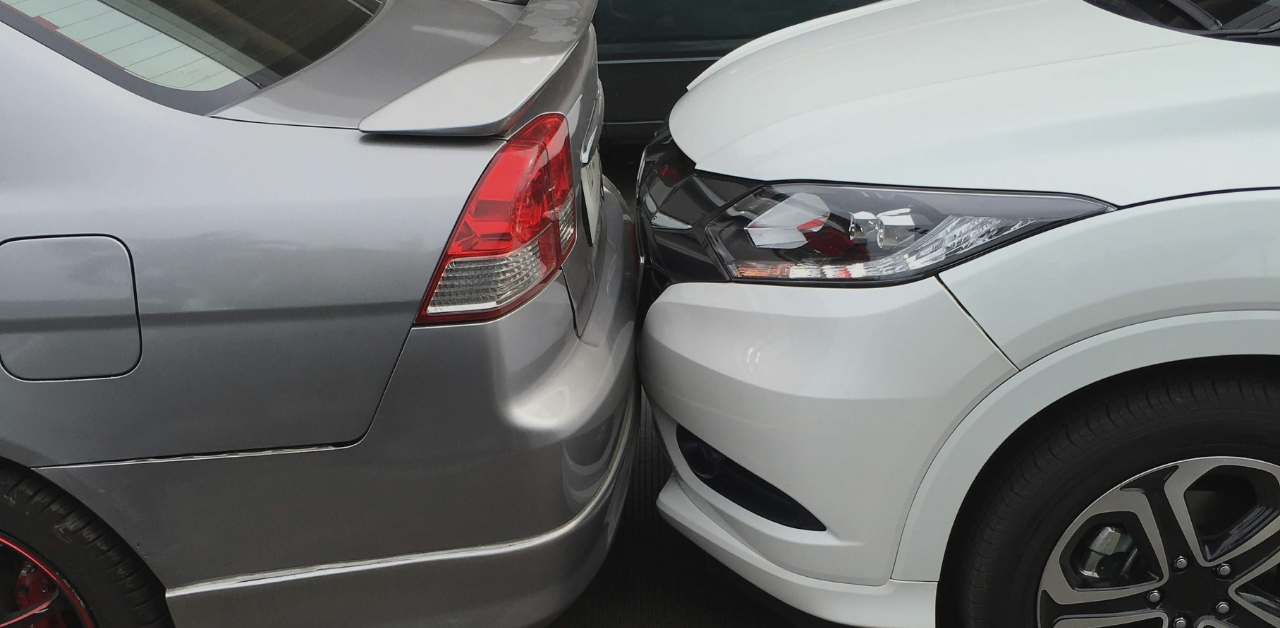
Who Is Wrong in a Head On Collision?
A head-on collision is one of the most frightening and dangerous types of car accidents. These crashes often occur when two vehicles traveling in opposite directions collide head-on, usually because one driver crosses the center line, drives into the oncoming lane, or travels the wrong way on a road or one-way street. According to Forbes, these types of accidents accounted for an estimated 3,631 deaths in the United States. Assigning blame in these collisions is paramount for victims striving to secure rightful compensation for their losses. Determining liability is vital not just for lodging claims but also for holding the negligent party responsible. So, who is wrong in a head-on collision? In many cases, the at-fault driver is the one who crossed into oncoming traffic or drove in the wrong direction. However, determining fault is not always simple. At Recovery Law Center, Attorney Glenn Honda brings over 25 years of personal injury experience to car accident cases. If you were injured in a head-on crash, understanding fault is one of the first steps toward protecting your rights and pursuing compensation. This article will explain how fault is assessed and what you need to know if you're involved in such an accident. Who Is Usually at Fault in a Head-on Collision? In most head-on car accidents, fault often points to the driver who left their proper lane and entered the opposite lane or the oncoming traffic lane. This may happen when a driver crosses the yellow line, drifts over the center line, turns the wrong way, or drives against traffic. A driver may be considered negligent if they caused a head-on crash by: Driving the wrong way Entering a one-way street from the wrong direction Crossing the center line or the yellow line Moving into the opposite lane to pass unsafely Losing control because of reckless driving Driving while distracted, impaired, or overly tired Ignoring road signs or traffic signals However, the fault in a head-on collision depends on the facts. For example, a driver may cross into oncoming traffic due to a tire blowout, mechanical failure, poor road conditions, or another vehicle forcing them out of their lane. That is why an in-depth investigation is often necessary. Insurance companies may try to make fault seem unclear, especially when severe injuries and high medical bills are involved. A personal injury attorney can help review the evidence and determine whether the other driver, another negligent party, or multiple parties may be responsible. How Fault is Determined in Head-On Car Accidents Fault is determined by looking at whether one driver breached their duty of care and whether that breach caused the crash. In plain terms, investigators examine who acted carelessly and whether that careless action caused the collision and the injuries sustained. Several types of evidence may help prove fault in a head-on accident: Police reports: Law enforcement officers may document where the vehicles were located, what the drivers involved said, whether traffic laws were violated, and whether one driver appeared impaired or distracted. Witness statements: Witnesses may help confirm whether a driver crossed into oncoming traffic, ignored road signs, drove the wrong direction, or made an unsafe move. Skid marks and debris: Skid marks can help show whether one driver tried to brake, where the impact occurred, and which lane the vehicles were traveling in before the crash. Vehicle damage: Damage patterns from a frontal crash may help accident reconstruction experts understand how the two vehicles collided. Medical records: Medical records can connect the accident to injuries such as head trauma, broken bones, spinal cord injuries, or traumatic brain injuries. Photos and video footage: Pictures of the crash scene, road layout, lane markings, vehicle repairs, and nearby cameras can be valuable evidence. Insurance records: Insurance adjusters may review the accident, but their conclusions are not always final or fair to the injured party. A car accident attorney can help with gathering evidence, collecting evidence from third parties, reviewing police reports, and challenging unfair claims made by insurance companies. Common Causes of Head-On Collisions Several prevalent factors frequently instigate head-on collisions. Each of these causes possesses distinctive characteristics and consequences that may lead to head-on crashes. Distracted Driving Distracted driving is a major cause of head-on collisions, often with severe consequences. When drivers use cell phones, chat with passengers, or eat, they lose focus on the road. This can make them drift into oncoming traffic, leading to severe accidents. Using a cellphone while driving greatly increases the chance of crossing into the opposite lane. If a driver crosses the centerline due to distraction, they are responsible for the accident and any resulting damage. It's essential for drivers to stay focused to avoid these dangerous situations. Impaired Driving Impaired driving is a major cause of head-on collisions. Alcohol and drugs seriously mess with a driver’s judgment, coordination, and reaction times, making it more likely they'll drift into oncoming traffic. Speeding and driving under the influence are common behaviors leading to these crashes. Fatigue and Drowsy Driving Tired driving is a big cause of head-on crashes. When drivers are exhausted, they struggle to stay alert and control their cars, making it easier to drift into oncoming traffic. Drivers need to recognize when they're tired and take action, like taking breaks or not driving, to avoid these dangerous situations. Determining Fault in Various Scenarios Assigning blame in head-on collisions can differ depending on the specific circumstances. Aspects such as wrong-way driving, poor road conditions, and mechanical breakdowns all factor into assigning blame. Wrong-Way Driving Wrong-way driving is a usual cause of head-on collisions, and the driver moving in the wrong direction is generally deemed at fault. Disregarding road signs or driving under the influence are frequent reasons for such errors. Head-on collisions frequently occur when a driver crosses the centerline or moves the wrong way down a one-way street. Liability might be divided when a vehicle is forced into oncoming traffic due to another accident. However, the wrong-way driver typically shoulders the majority of the responsibility. Road Conditions and Design Substandard road conditions and design can also contribute to head-on collisions. Factors such as driver negligence, poor road maintenance, and vehicle defects hamper drivers’ ability to see oncoming traffic. Insufficient road signage and blind curves on ill-designed roads heighten collision risks. Parties accountable for road maintenance might share some blame if substandard road conditions contributed to the accident. A thorough investigation is required to identify the extent of their liability. Mechanical Failures Mechanical breakdowns, like tire blowouts or steering defects, can cause head-on collisions and divert blame from the driver. Abrupt medical emergencies or vehicle defects can lead a driver to lose control and swerve into oncoming traffic. In such instances, the manufacturer or maintenance provider could be held accountable. Investigations into these breakdowns are vital to ascertain whether vehicle maintenance or manufacturing negligence was a factor. This can aid in shifting the blame from the driver to the liable party. Collecting Evidence to Prove Fault Gathering evidence helps prove fault in head-on collisions. The following types of evidence are fundamental in determining liability: Crash reports Witness statements Accident scene investigations Medical records In addition, it is important to collect photos of the accident scene immediately. These include front-end damage and skid marks. Importance of the Police Report A police report is crucial in head-on collision cases. Officers investigate the crash, take photos, and record contributing factors. This report helps prevent the guilty driver from exaggerating details or damages and provides an official account of the incident. Witness Testimony and Expert Analysis Witness testimony and expert analysis are important in determining who’s at fault in an accident. Here’s how they help: Eyewitnesses can give unbiased accounts of what happened. Accident reconstruction experts look at things like speed and direction to recreate the accident. This helps them figure out what caused the collision. Visual evidence from witnesses or cameras can back up these findings. Injuries Sustained in Head-On Collisions Grave injuries from head-on collisions often include head injuries, traumatic brain injuries (TBIs), spinal cord injuries, and broken bones. These can have long-term effects and require extensive medical care. TBIs might cause symptoms like unconsciousness, coma, and behavior changes. Spinal cord injuries can lead to: Partial or full paralysis, causing loss of mobility and severe pain Blunt-force trauma leads to internal bleeding and damage to vital organs Chest injuries from hitting the vehicle's interior or outside forces Facial and dental damage, causing disfigurement and broken bones Whiplash from sudden head movements, leading to soft tissue damage and ongoing pain These injuries highlight the importance of the following: Getting immediate medical help Following treatment plans Supporting personal injury claims Recovering fully Can Both Drivers Be Partly at Fault? Yes. In some personal injury cases, both drivers involved may share fault. While one driver may have crossed into oncoming traffic, the other driver may have been speeding, distracted, or failed to react reasonably under the circumstances. For example, fault may be shared if: One driver crossed the center line while the other driver was speeding. One driver was going the wrong way, but the other driver was distracted and failed to brake. Both drivers made unsafe moves on a narrow road. One driver lost control, while the other driver ignored warning signs or traffic signals. Insurance companies often use shared fault arguments to reduce the amount they must pay. They may claim that the injured party had enough time to avoid the crash or contributed to the accident in some way. This is one reason it is important to speak with a personal injury attorney after a serious head on accident. A lawyer can review the evidence, respond to insurance adjusters, and help protect you from being blamed unfairly. What Compensation May Be Available After a Head-on Crash? If another driver caused your accident, you may be able to recover compensation through a personal injury claim. The amount available depends on the facts of your case, the severity of your injuries, the insurance coverage involved, and how clearly fault can be proven. Compensation may include: Medical bills Future medical expenses Lost wages Reduced earning ability Vehicle repairs or replacement Rehabilitation costs Pain and suffering Emotional distress Long-term disability Loss of enjoyment of life Out-of-pocket expenses related to the accident Head-on car accidents often involve major losses. A person may be unable to work, need ongoing medical treatment, or require help with daily activities. In serious cases involving traumatic brain injuries or spinal cord injuries, the injured party may need long-term care. A personal injury attorney can help calculate the full value of your damages so you do not accept less than your case may be worth. Hire a Personal Injury Attorney After a Head-on Collision Determining fault in head-on collisions is a complex but essential process for securing compensation for personal injury claims. Understanding the causes, gathering evidence, and knowing the legal steps with the help of a personal injury attorney can make a significant difference. With our experience in head-on collision cases and other personal injury cases, Recovery Law Center can guide you through these challenges and help you achieve the best possible outcome. Schedule a consultation today to discuss your case and start the journey toward recovery and justice.
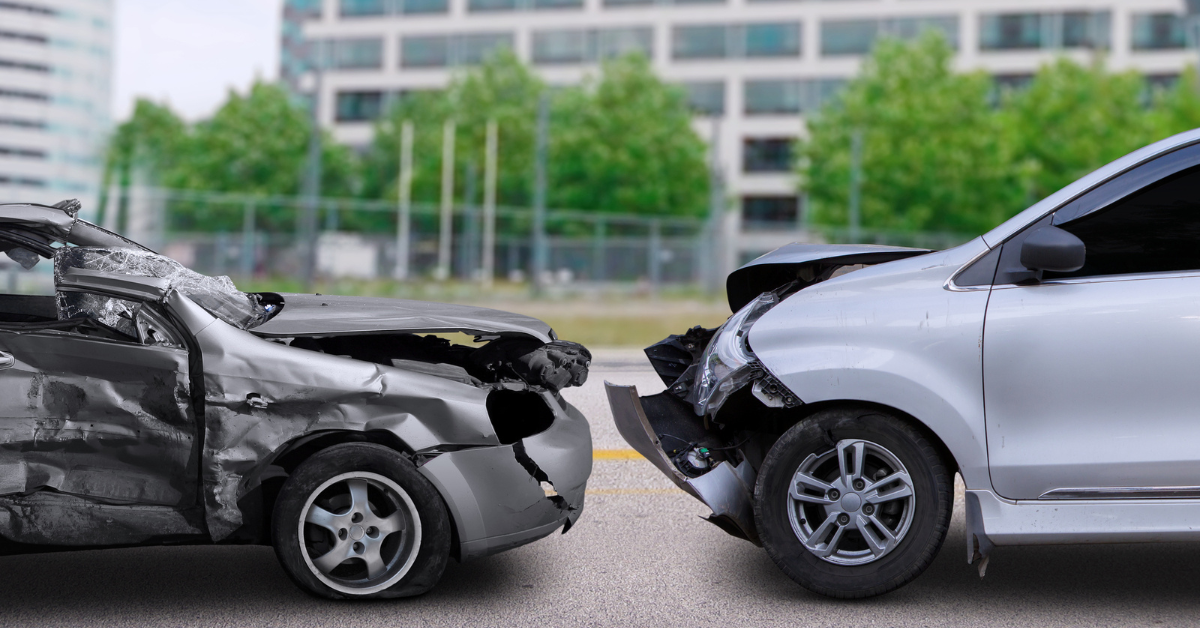
What Are the Conditions for Head-On Collision?
Your safety on the road can disappear in a moment when a vehicle crosses the center line. Head-on collisions account for a small percentage of total motor vehicle accidents, yet they are disproportionately fatal. When two vehicles traveling in opposite directions collide, the physics of the crash are devastating because the combined speed of both cars intensifies the direct impact. This force often results in catastrophic injuries that require extensive medical treatment and long-term care. If you are suffering from injuries after such a crash, Recovery Law Center can help you pursue compensation. You can reach out to us today for a free consultation to understand your legal rights. How Does Human Error Influence a Head-On Crash? Driver behavior remains the primary factor in head-on collisions. When a person is not fully focused on the road, their vehicle can easily drift into oncoming traffic. This happens frequently due to distracted driving, where a driver looks at a phone or adjusts the radio. Even a few seconds of diverted attention can cause a car to cross the median and strike another vehicle. Impaired driving also plays a major role in these crashes. Alcohol and drugs significantly slow down a driver's ability to react to changing road conditions. An impaired driver might lose their sense of direction and enter a highway going the wrong way. These incidents often happen at high speeds, leaving the other driver with almost no time to perform defensive driving maneuvers. Fatigue is another silent contributor to head-on accidents. Driver fatigue mimics the effects of impairment, leading to blurred vision and microsleep. If a driver falls asleep behind the wheel, the vehicle continues in a straight line regardless of the road's curves. This often leads to a direct impact with oncoming traffic before the drowsy driver even realizes they have left their lane. Why Do Local Road Conditions Increase The Risk Of A Head-On Collision? Recent incidents in Hawaii highlight how quickly these crashes happen on two-lane roads. According to the recent Hawaii News Now report, a head-on collision on the North Shore recently resulted in four people being hospitalized, including two who were left in serious condition. The crash occurred on Kamehameha Highway near Kawela Bay, a stretch of road known for its heavy traffic and narrow lanes. When vehicles travel at high speeds in such close proximity, there is no margin for error. Emergency responders often have to extricate victims from the wreckage when vehicles involved sustain heavy front-end damage. This specific North Shore accident required multiple ambulance crews and advanced life support to stabilize the injured. Such events serve as a sobering reminder that road safety depends on every driver staying within their designated lane and remaining vigilant of oncoming traffic. Why Do Environmental Factors Force Vehicles Into Oncoming Traffic? The environment and road design sometimes create the perfect conditions for a head-on car accident. Poor visibility due to heavy rain, fog, or lack of street lighting makes it difficult to see lane markings. When drivers cannot see where their lane ends, they might accidentally wander into the path of oncoming vehicles. Inadequate road signage or confusing layouts also contribute to these dangerous events. A driver might enter a one-way street or an off-ramp in the wrong direction because of obscured traffic signs. In rural areas, the lack of a physical median or barrier between lanes increases the risk that a minor steering error will result in a collision. Slick road surfaces caused by oil or water that lead to hydroplaning. Poorly marked construction zones that divert traffic into narrow lanes. Narrow mountain roads with sharp curves and no center dividers. Potholes or road debris that cause a driver to swerve suddenly. What Role Does Excessive Speed Play In The Severity Of Direct Impact? Speed dictates the amount of energy released during a car crash. In a head-on collision, the force of the impact is the sum of the speeds of both vehicles. For example, if two cars are traveling at 50 miles per hour, the resulting force is similar to hitting a stationary wall at 100 miles per hour. This massive release of energy explains why serious injuries are almost guaranteed in these cases. High speeds reduce the time a driver has to identify a hazard and stop. When a vehicle crosses into the wrong lane at high velocity, the other driver’s reaction times are usually insufficient to avoid the hit. The structural integrity of the cars involved is often compromised, leaving occupants trapped in the wreckage. Which Medical Conditions Are Common After Two Vehicles Collide Head-On? The injuries sustained in a head-on collision are often life-altering. Because the impact is direct, the body absorbs a tremendous amount of force, even if airbags deploy and seatbelts are worn. Some injuries are immediately apparent, while others, like internal bleeding, might take hours to surface. Traumatic Brain Injuries TBIs A brain injury occurs when the head strikes the steering wheel, windshield, or side window. Even without a direct strike, the rapid "whiplash" motion can cause the brain to collide with the inside of the skull. This leads to anything from mild concussions to permanent cognitive impairment. Spinal Cord Injuries The spine is incredibly vulnerable during a head-on crash. The sudden jolt can fracture vertebrae or sever the spinal cord, leading to partial or total paralysis. These injuries often require immediate medical attention and years of physical therapy. Internal Injuries and Fractures Blunt force trauma can cause internal bleeding and damage to organs like the lungs or spleen. Many victims also suffer from broken bones in the legs, ribs, and arms as the front of the vehicle collapses inward. How Does The Legal Process Help Victims Pursue Compensation? Securing legal representation is a necessary step if you want to seek compensation for your losses. Insurance companies often try to minimize the value of a personal injury claim to protect their profits. An experienced personal injury lawyer knows how to gather physical evidence from the accident scene to prove who was at fault. Reviewing police reports and witness statements. Analyzing data from vehicle "black boxes" to determine speed. Consulting with accident reconstructionists to visualize the crash. Calculating the full cost of future medical expenses and lost wages. Your attorney handles the communication with the insurance company so you can focus on your physical recovery. They ensure that the settlement covers not just your current medical bills, but also the long-term impact on your quality of life. What Are the Long Term Effects of a Head-on Car Accident? Many survivors deal with psychological trauma, including post-traumatic stress disorder. The fear of driving or being a passenger in a car can make it difficult to return to a normal routine. Emotional distress is a significant component of personal injury cases involving such violent impacts. Financial strain also builds up quickly. When you cannot work due to injuries, lost wages make it difficult to keep up with daily living costs. A personal injury attorney helps you quantify these non-economic and economic damages to ensure your claim reflects the true extent of your suffering. Why Is Immediate Medical Attention Necessary After A Car Accident? You should always seek medical attention immediately after a collision occurs, even if you feel fine. Adrenaline often masks the pain of serious injuries like internal bleeding or soft tissue damage. A medical professional can provide a formal diagnosis that serves as vital evidence for your personal injury claim. Delaying treatment can give insurance companies an excuse to argue that your injuries were not caused by the crash. How Can Recovery Law Center Help You Move Forward? We understand the chaos that follows a serious motor vehicle accident. The path to recovery involves more than just healing bones; it involves reclaiming your financial stability and peace of mind. Our team at the Recovery Law Center takes a thorough approach to every case, ensuring that no detail of the accident scene or your medical records is overlooked. If you or a loved one has suffered because a vehicle traveled in the wrong direction, do not face the insurance companies alone. We are ready to help you hold the negligent parties accountable and secure the resources you need for your future. Contact us today for a free consultation and let us begin working on your personal injury case.
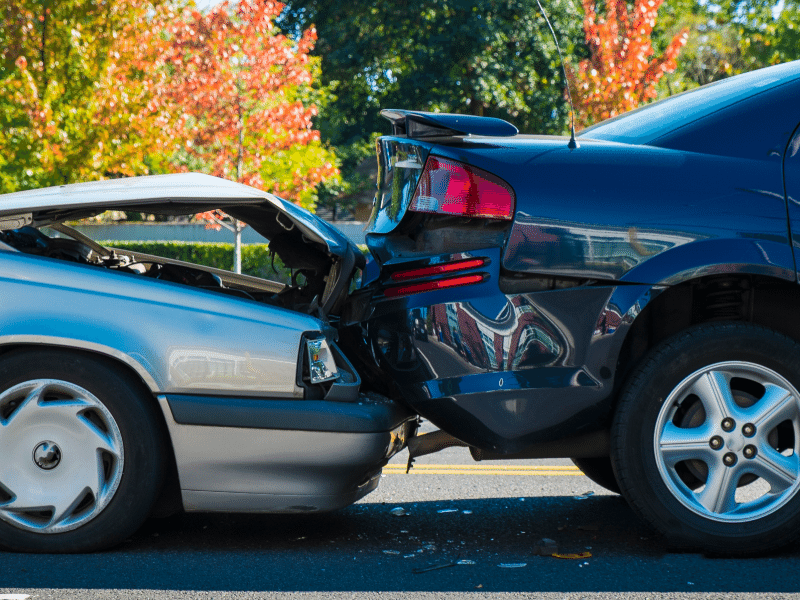
What To Do If You Are Involved In A Fender Bender?
A fender bender can happen in seconds. One tap at a stoplight, a bump in a parking lot, or a slow-speed hit during traffic can leave you rattled and unsure what to do next. Even a minor accident can lead to repair costs, insurance issues, and pain that surfaces later. At Recovery Law Center, our team has helped injured people across Hawaii for 25+ years of personal injury practice, and Attorney Glenn Honda has spent decades guiding clients through accident claims. If you are sorting out what happened after a minor car accident, getting clear information early can help you protect your health, your claim, and your peace of mind. A free consultation can also help if the insurance company starts pushing back. Information To Exchange With Other Drivers At The Accident Scene Once everyone is safe, exchange the basic facts with the other party. Keep the conversation polite and short. Do not argue about fault. Do not accuse the other drivers. Also, do not admit fault, even if you feel pressure to say something in the moment. Fault is often sorted out later through the claim process, statements, photos, repair estimates, and insurance review. Hawaii uses a no-fault system for injury benefits through your own insurer, but property damage is still tied to the at-fault driver. Hawaii also follows a modified comparative negligence rule that can reduce recovery based on fault. Get the necessary information from the other driver and the vehicles involved: Full name Phone numbers Address Driver’s license number License plate number Insurance information Car make Car model Car color The location, time, and basic facts of the accident If there are witnesses, ask for their names and contact details. Independent witnesses can help when the insurance company gets two different stories. Document The Scene And Vehicle Damage Good documentation can make a big difference in a minor accident claim. Use your phone and document the scene before the cars leave, if it is safe to do so. Take wide photos first, then close shots. Photograph the position of the cars, vehicle damage, skid marks, debris, traffic signs, lane markings, and road conditions. If the crash happened in a parking lot, take photos that show aisle markings, stop signs, and the path of each car. If weather or lighting played a part, capture that too. You should also save relevant details while they are fresh. Write down what happened, the direction each car was moving, and what the other party said. Keep your notes factual. Leave out guesses. If police come to the scene, ask how to obtain the report number or police report later. This step matters because a minor fender bender can grow into a bigger issue once the repair shop estimates come in. What appears to be light surface damage can mask sensor damage, bumper reinforcement damage, or alignment issues. Police Reports, State Laws, And When To Contact Law Enforcement Many people assume they should not call the police after a minor fender bender. That is not always a smart idea. In Hawaii, reporting duties depend on the injury, death, and apparent damage. A responding officer may complete a written report in cases that meet the legal standard, and immediate notice is required in some collisions. Rules can differ by the facts, and state laws vary from place to place, so drivers should not assume every small crash can be handled informally. Call the police or contact law enforcement if: Someone is injured The drivers cannot move the vehicles safely The other driver leaves, or there is a fight about what happened There is major property damage The other party has no proof of insurance You suspect the driver is impaired Even in a minor car accident, a police report can help support your version of events. It can also help your insurer during the claim process. If an officer does not come out, ask your insurance provider what they need and report the accident as soon as possible. Handling The Insurance Claim Without Hurting Your Case Report the accident to your insurance company soon after the crash. Give the basic facts, share photos, and provide the contact and insurance information you collected. If the other party’s insurer calls you, stay careful. You can confirm the basics, but do not guess, exaggerate, or give a recorded statement until you understand the claim. Keep in mind that in Hawaii, your own insurance company may handle injury benefits through PIP, while property damage to the car can still depend on fault and the other driver’s coverage. Hawaii’s Insurance Division explains that no-fault applies to injuries, not to damage to the vehicle or other property. Recovery Law Center also notes that Hawaii drivers must carry property damage liability coverage. If you need repairs, get an estimate from a trusted repair shop and keep every receipt. Save emails, claim numbers, photos, and notes from calls with the insurance company. If the insurer delays, denies part of the repair costs, or blames you without solid proof, that can change a simple claim into a legal issue. What If Pain Starts Later Or The Insurance Company Pushes Back? This happens more often than people expect. A low-speed car accident can still cause soft tissue injuries, joint pain, or a concussion. You may walk away from the accident scene feeling fine, only to wake up sore the next day. Get medical attention if you notice pain, stiffness, numbness, dizziness, or visible injuries. Medical records also matter if you end up filing an insurance claim for injuries. Waiting too long can make the insurer argue that you were not really hurt. The same is true if you post casually online about the accident or say you are “fine” before you know the full picture. You should also be careful if the other driver or the insurance company asks you to settle quickly for cash. A quick payment for a minor accident can sound easy, but it can leave you covering later repair costs, rental costs, or medical bills on your own. When Does A Fender Bender Stop Being “Minor”? A fender bender stops being minor when the facts stop being simple. That can happen when injuries appear later, the vehicles involved need more work than expected, or the other party changes their story. It can also happen when a fault is disputed, a police report conflicts with the driver's statements, or the insurance company refuses to pay fairly. That is usually the point when legal guidance helps. A lawyer can review the accident report, photos, estimates, medical records, and insurer communications. A lawyer can also help if the crash involved a rideshare vehicle, a company car, a visitor driving a rental, or multiple other vehicles. What Is The Best Way To Protect Yourself After A Fender Bender? The best way to protect yourself is to act early and stay organized. That means focusing on safety first, gathering the right information, documenting the scene, reporting the accident, and getting checked if you feel pain. It also means being careful with fault statements and keeping records from day one. A minor fender bender can look settled at the scene and still lead to major problems later. We have seen how small crashes can turn into repair disputes, injury claims, and insurance delays. If you were hurt or the claim is getting difficult, our team at Recovery Law Center is here to help you sort out your options. Contact us for a free consultation. FAQs on Fender Bender Can a Fender Bender Cause Injury? Although many fender benders do not result in injuries, getting hurt in minor car accidents is still possible. Even if you feel fine, getting checked out after a fender bender as soon as possible is a good idea. A medical professional may notice injuries you aren't aware of, provide proper treatment, and document that the injury is accident-related in your medical record. That can also strengthen a car accident claim. What Happens if I Don't File a Car Accident Report? If your minor accident resulted in injuries, death, or vehicular damage totaling at least $3,000, you must report it. Failure to do so could result in fines, license suspension, and even jail time. Does My No-Fault Insurance Cover a Minor Car Accident? Hawaii is a no-fault state, meaning you would turn to your insurance policy for coverage regardless of fault. Depending upon the severity of the damage and your injuries, as well as the limits of your policy, your no-fault insurance coverage may cover damages. However, if you are severely injured or the damage to your vehicle is extensive, the damages might exceed your policy limits. If you meet specific requirements, you can file a personal injury lawsuit against the at-fault party for damages. An experienced car accident lawyer can determine whether you meet Hawaii's serious injury threshold. Visit our Motor Vehicle Accident Lawyer Office in Honolulu, HI Motor Vehicle Accident Lawyer Office in Waipahu, HI

US Traffic Fatalities: Where Speeding And Impaired Driving Pose The Biggest Risks
When American roads are safest, a mix of enforcement, behavior change, and public awareness often gets the credit, but risky driving behaviors remain central drivers of deadly crashes. To better understand the human behaviors linked to traffic deaths nationwide, Recovery Law Center, a personal injury law firm, analyzed the latest available federal data on speeding‑ and impaired‑driving‑related fatalities to pinpoint where the greatest risks persist on U.S. roadways. Roadway Deaths Remain High Despite Recent Declines Preliminary estimates from the U.S. Department of Transportation’s National Highway Traffic Safety Administration (NHTSA) project that around 39,345 people died in U.S. traffic crashes in 2024, marking a 3.8% decline from 2023 and the first time fatalities have fallen below 40,000 since 2019. However, the total number of deaths remains high compared to the decade before the COVID-19 pandemic. These declines reflect broad trends in traffic fatalities over recent years, but the scale of deadly crashes still eclipses other industrialized nations and underscores persistent dangers on American roads. Speeding: A Leading Contributing Factor Speeding continues to be a major risk factor in U.S. traffic deaths. According to the cited data from the Governors Highway Safety Association of Washington, about 29% of all traffic fatalities in 2023 were speeding‑related crashes, translating to roughly 11,775 deaths. While total traffic fatalities declined modestly from 2022 to 2023, fatalities tied to high‑speed crashes have remained stubbornly high, often outpacing declines seen in other crash categories. Speeding is often embedded in patterns of aggressive driving, including tailgating and failure to yield, which magnify crash severity. Which States Have The Highest Speeding‑related Fatality Share? Speeding’s role in deadly crashes varies markedly across states: Oregon (64%), Hawaiʻi (58%), and Rhode Island (45%) were among the states with the highest proportion of traffic deaths linked to speeding in 2023. Conversely, Florida (10%), Kentucky (15%), and Mississippi (19%) had some of the lowest shares of speeding‑related fatalities relative to total traffic deaths. These disparities reflect differences in enforcement patterns, speed limit policies, road design, and driver behavior across the country. Impaired Driving: Persistent Deadly Risk Besides excessive speed, impairment from alcohol and other substances remains a major factor in American traffic fatalities. Federal estimates for 2023 show 12,429 people died in crashes involving at least one alcohol‑impaired driver, representing about 30% of all U.S. traffic fatalities that year. On average, an alcohol‑impaired driving death occurred roughly every 42 minutes in 2023. Public health data from the Centers for Disease Control and Prevention (CDC) corroborate the scale of the problem: In 2022, alcohol‑impaired crashes accounted for more than one‑third of all traffic deaths nationwide. When Do Impaired Crashes Spike? Fatalities linked to impairment tend to rise during holiday periods and weekends when social travel increases, a pattern reflected in NHTSA’s annual “Drive Sober or Get Pulled Over” enforcement campaigns, which step up patrols during high‑risk periods. Interaction Between Speed and Impairment Emerging analyses and federal safety messaging highlight the relationship between speeding and impaired driving, noting that drivers who exceed posted limits are more likely to also exhibit other risky behaviors (including alcohol impairment and failing to use restraints), which amplify crash severity. Although data collection methodologies vary, transportation safety research underscores that addressing one risky behavior often positively impacts others: A high‑speed driver who is also impaired is statistically more likely to be involved in a fatal crash than one exhibiting only a single risk factor. Risk Patterns Across The U.S. Geographic and demographic variations shape where and how these risks manifest: States with higher rural mileage often report larger shares of speeding‑related deaths, partly due to higher posted limits and longer emergency response times. In contrast, impaired driving deaths disproportionately cluster in areas with limited public transportation options or where nightlife travel is common, especially during weekends and holidays. Federal safety officials continue to partner with state and local agencies to tailor enforcement strategies and public education campaigns to these nuanced state and regional patterns. Federal And Community Efforts To Reduce Fatalities In response to these ongoing risks, the NHTSA and allied safety organizations are investing in multiyear strategies to reduce fatal crashes, including targeted enforcement campaigns, expanded impaired‑driving checkpoints, and awareness initiatives that emphasize the combined hazards of speeding and impairment. State legislatures and local enforcement agencies are also experimenting with aggressive driving laws and automated speed enforcement programs to change driver behavior, though their effectiveness varies by community context. Beyond The Numbers: What This Means For Road Users While overall traffic fatalities have shown signs of recent decline, the persistent roles of speeding and impaired driving highlight ongoing challenges in American road safety. Drivers, passengers, policymakers, and communities alike continue to grapple with how to encourage safer behavior, enforce meaningful penalties, and prioritize investments that protect all road users. This story was produced by Recovery Law Center and reviewed and distributed by Stacker.

Understanding Catastrophic Injuries and Long-Term Costs
A serious injury does more than send someone to the hospital. It can change the course of a person’s life, their career, and their family’s financial stability. When an injury results in permanent disabilities, ongoing medical care, or life-altering injuries, the financial impact can last for decades. At Recovery Law Center, Glenn Honda has spent 29 years representing injured people across Hawaii. We have seen how understanding catastrophic injuries and long-term costs helps families make informed decisions early. A catastrophic injury claim is not just about today’s hospital bills. It is about protecting an injured person’s future medical needs, lost income, and quality of life. If you or a loved one is facing severe injuries, you can contact our office for a free consultation to discuss your situation. What Makes an Injury “Catastrophic” Under the Hawaii Law? Not every serious injury qualifies as catastrophic. In legal terms, a catastrophic injury usually involves long-term or permanent impairment that affects a person’s ability to work or live independently. Common examples include: Spinal cord injuries resulting in partial or full paralysis Traumatic brain injuries that affect memory, cognition, or behavior Severe burns requiring multiple surgeries and skin grafts Amputations and loss of limb function Permanent disabilities that require mobility aids or assistive devices Such injuries often require extensive medical care and ongoing rehabilitation services. In many catastrophic injury cases, the injured person cannot return to the same job. Some cannot return to work at all. The financial burden extends far beyond initial treatment. Courts and insurance companies look at the full extent of harm. That includes physical damage, long-term financial implications, emotional distress, and non-economic damages tied to a victim's life and personal relationships. How Do Immediate Hospital Bills Grow Into Long-Term Costs? In the first weeks after an accident, families see hospital bills, ambulance fees, and emergency surgery charges. These immediate costs are often substantial. However, the long-term costs usually exceed the early medical expenses. For many catastrophic injury victims, medical care continues long after discharge from the hospital. Ongoing medical care may include: Follow-up surgeries In-home care or skilled nursing Ongoing physical therapy Pain management Prescription medications Medical equipment, such as mobility aids or assistive devices Future medical expenses can stretch across a lifetime. For example, a person with spinal cord injuries may need wheelchair replacements, accessible bathrooms, home modifications, and specialized vehicles. These future costs are predictable, yet often underestimated. In addition, lost wages quickly become lost income over many years. If an injured person cannot return to their prior occupation, the financial burden extends far beyond a few missed paychecks. The long-term financial impact may affect retirement savings, health insurance coverage, and family members' financial security. What Hidden Financial and Emotional Costs Do Families Often Overlook? Direct medical costs are only part of the financial picture. Hidden costs often create additional financial strain. These may include: Travel expenses for specialized treatment Home modifications for accessibility Increased utility expenses related to medical equipment Childcare or in-home care The time family members spend providing care The emotional toll also carries lasting consequences. Catastrophic injury victims may experience depression, anxiety, emotional distress, and post traumatic stress disorder. Family members may face exhaustion and financial pressure while balancing caregiving and employment. In legal claims, these losses may support compensation for non-economic damages. While financial recovery cannot restore a victim's life to its prior state, it can provide meaningful support for long term care and stability. How Do Life Care Planners and Medical Experts Calculate Future Expenses? Estimating future costs in catastrophic injury cases requires detailed planning. Life care planners review medical records, consult treating physicians, and create structured plans outlining future medical expenses. These plans may account for: Future medical procedures Ongoing physical therapy and rehabilitation services Replacement of assistive devices and medical equipment In-home care and support services Anticipated hospital readmissions Why Do Insurance Companies Dispute the Full Extent of Catastrophic Injury Claims? Insurance companies often challenge projections involving future medical expenses and long-term costs. They may argue that the injured person can return to work sooner than projected. They also say that certain treatments are unnecessary, ongoing care can be reduced, or even that future costs are speculative. Comprehensive medical records and expert testimony are essential in catastrophic injury cases. An experienced Hawaii personal injury attorney knows how to present evidence that reflects the injured person's actual financial burden. How Does Recovery Law Center Approach Catastrophic Injury Cases With Long-Term Financial Impact? Catastrophic injury cases require attention to long-term financial security. At Recovery Law Center, Glenn Honda brings nearly three decades of experience as an injury attorney handling serious personal injury matters in Hawaii. We understand that the financial burden extends far beyond the first settlement offer. Catastrophic injury victims often require ongoing care and structured planning to address future costs. By presenting a detailed and fact-based claim, we focus on securing compensation that reflects both immediate and long-term expenses. What Steps Should Families Take Now to Protect Long-Term Financial Security? Early actions can shape the outcome of a catastrophic injury claim. Families should consider the following steps: Preserve all medical records and hospital bills. Follow through with recommended medical care and rehabilitation services. Document changes in employment, daily activities, and emotional health. Track out-of-pocket expenses, including travel and home modifications. Consult a personal injury attorney before accepting any settlement. Planning for Long-Term Stability After Catastrophic Injury A catastrophic injury reshapes more than physical health. It affects employment, family life, and financial security. Immediate medical bills represent only a portion of the long-term costs that follow severe injuries. Recovery Law Center understands how these cases develop over time. Clients often describe the value of clear communication and steady guidance during a difficult period. As, one of our clients, Lynn S., shared: What an AWESOME experience working with Glenn, George and the Recovery Law Center! I was involved in a car accident and I had no idea on how or what to do. I reached out to Recovery Law Center and from the 1st call they made me feel comfortable. They are really helpful and responsive and easy to work with. I would GREATLY recommend them. If you or a loved one is facing the long-term costs of catastrophic injury, contact us today for a free consultation. A clear understanding of your legal options today can help protect your financial security for years to come.

Why Phones Are Still a Major Reason for Car Accidents in Hawaii
Phones remain a major cause of car accidents in Hawaii because they continue to distract drivers from the road, even as laws and technology aim to reduce the risk. When drivers use their phones to text, make calls, or engage with apps, their attention shifts away from traffic conditions and surrounding vehicles. These risky driving behaviors increase reaction time and impair decision-making, turning routine driving into a dangerous situation. As a result, phone-related distracted driving remains a leading cause of serious and fatal car accidents across Hawaii. The 2016 Fatal Crash Traffic Data by the U.S. Department of Transportation showed that distraction-related deaths, including texting, caused 3,450 deaths in one year. While this death rate was a 2.2 percent decrease compared to 2015, any fatality caused by a distraction is too much. At Recovery Law Center, our team works with people whose lives changed after motor vehicle crashes caused by driver distraction. Glenn Honda, a personal injury lawyer with 29 years of experience, has watched phones reshape driving habits in ways many drivers underestimate. The pattern is consistent. Phones are still a major reason for car accidents in Hawaii, and the risk persists despite warnings, bans, and hands-free options. This article will explore more insights about distracted driving in Hawaii and its implications for public safety. We will also explore why you need a Honolulu personal injury lawyer to help you if you become one of the victims of a distracted driver. How Driver Distraction Works Inside the Brain Driver distraction is not only about looking away. Cognitive distraction occurs when attention shifts from the road ahead to a phone conversation, text messages, or incoming calls. A driver may believe hands-free use is safe, yet the brain still processes conversation rather than traffic cues. A study from the National Library of Medicine tested 75 drivers aged 16–25 in a driving simulator under three conditions: no distraction, talking on a phone, and texting. Statistical analyses showed that texting caused the most driving errors, including more lane deviations, crashes, fluctuating speeds, fewer lane changes, and longer drive times than undistracted driving. More simulated vehicles passed distracted drivers, indicating slower flow. Texting had a significantly negative effect on both safety and traffic flow. There were no major differences across age groups, indicating that distraction harms driving performance regardless of age within the tested range. Even with hands-free devices, drivers who use their phones miss signals, drift between lanes, and brake later. This delay explains why crashes involving distracted drivers often include rear-end collisions and intersection crashes. Traffic Safety Facts: Unsafe Phone Use in Hawaii Phone use while walking across an intersection or driving is illegal in Honolulu. People who use an electronic device while driving can face a $200 fine for their first offense. Recently, Honolulu enacted a law that makes crossing the street while looking at a phone a finable offense. Even with these laws and fines, people still risk their lives by using their phones in unsafe ways. Tourists who use their phones in Hawaii can also face a unique safety challenge. The Hawaii Department of Business Economic Development & Tourism projects that out-of-state tourists will increase by at least 1.4 percent every year. This increase in visitors means even more people on the road who rely on their phones for navigation. Types of Distractions Caused by Cell Phone Usage When we talk about distractions, we're referring to anything that takes your attention away from driving. Cell phone use can distract us in three ways: 1. Seeing (Visual Distraction) Imagine driving and taking a quick look at your phone to check a message or a notification. That moment when your eyes are on the phone and not the road, you're visually distracted. A lot can happen on the road, even if it's just for a few seconds. It's like driving with your eyes closed for a short distance. 2. Touching (Manual Distraction) Think about typing a message or scrolling through social media on your phone. To do this, you have to use your hands, right? When one or both hands are off the steering wheel and fiddling with your phone, that's a manual distraction. It's risky because you need your hands to control the car, like turning the steering wheel or reacting quickly to brake. 3. Thinking (Cognitive Distraction) Lastly, there's what we call cognitive distraction. This happens when your mind isn't focused on driving because you're thinking about that text message you just read or what to reply to. Even if your eyes are on the road and your hands are on the wheel, your mind is elsewhere. You might not react as quickly to dangers or changes on the road because you're mentally “checked out.” The consequences of phone-related car accidents impact the individuals involved and society at large. The integration of mobile phones into daily life has brought about a surge in motor vehicle accidents attributed to texting and driving, marking it as a leading cause of fatal crashes on the roads. Here, we'll explore the consequences of cellphone usage while driving. Consequences of Phone-Related Car Accidents Motor Vehicle Accidents and Texting While Driving Texting while driving has become a widespread problem, contributing to motor vehicle accidents each year. This form of distracted driving diverts a driver's attention from the road, significantly increasing the risk of a car accident. Fatal Crashes and the Leading Cause Phone-related distractions have emerged as a leading cause of fatal crashes, particularly among teens and young adults. The need to respond quickly and social pressure from texts and calls can overwhelm even the most cautious drivers' judgment, leading to devastating outcomes. Fatal crashes often involve not just the distracted driver but also innocent bystanders, passengers, and other motorists, underscoring the gravity of the issue. The Law and Enforcement Challenges In response to the rise in phone-related car accidents, many jurisdictions have enacted laws to curb texting while driving. These laws vary widely, but they share a common goal: to reduce the number of accidents by penalizing distracted driving. Enforcement, however, presents challenges. Proving that a driver was texting during an accident requires evidence, which can be challenging, making these laws harder to enforce effectively. Impact on Teens Teens are particularly at risk because of their relatively short driving experience and high susceptibility to peer influence. The combination of inexperience and distraction is lethal, resulting in a higher rate of accidents among this demographic. Education and awareness campaigns target this group specifically, aiming to instill safer driving habits early on. Economic Costs The economic costs associated with phone-related car accidents are staggering. Beyond the immediate expenses of medical care and vehicle repairs, there are broader financial impacts, including higher insurance premiums, lost productivity, and the societal burden of emergency services and healthcare costs. These costs significantly burden the economy, draining resources that could be allocated elsewhere. How Recovery Law Center Connects Phone Distraction To Crash Analysis An accurate crash analysis looks beyond the moment of impact. It examines driver behavior leading up to the collision. Phone records, vehicle data, and witness statements often reveal distraction. Glenn Honda’s decades of experience show how small moments matter. A missed brake light. A delayed reaction. A drift across lanes. These details help explain how cell phone use leads to crashes involving distracted drivers. This approach aligns with broader traffic safety goals. Accountability encourages safer behavior and reinforces the importance of paying attention while driving. Three Tips to Stop Using Your Phone While Driving Because using a phone while moving can be dangerous, everyone must take precautions to protect themselves. These 3 effective strategies can reduce the incidence of phone-related car accidents. Install a prevention app: Several free apps can block texting, phone calls, and notifications while driving. Some apps can respond to callers with a text message saying you are driving. Use a smart dashboard: Some vehicles have built-in smart dashboards that display directions, notifications, and other pertinent information. These units often support hands-free inputs, so you will not need to pick up your phone while driving. Turn off your phone: The safest approach to driving is to turn off your phone and wait to respond until you park. This will stop distracting notifications and the temptation to look at your phone while driving. The Dangers of Distracted Driving: A Call for Safer Roads and Legal Advocacy Phones remain a major reason for car accidents in Hawaii because distraction continues to shape driver behavior despite laws, technology, and public awareness. For people injured by distracted drivers, legal support matters during recovery. At Recovery Law Center, our work centers on helping injured people regain stability after a crash. As one client, Meagan T., shared: Working with this law firm was the best decision I made after my accident. They allowed me to focus on getting better, while they took care of the paperwork and follow-up. The staff was incredibly professional and always made me feel like I was important. They responded to my inquires within 24 hours, even during COVID, and made this whole process less stressful. I would highly recommend Recovery Law Center. If a car accident involving phone distraction has affected you or your family, a free consultation can help you understand your options and the road forward.

Compensation for Pet's Injury in Car Accident
Pets ride with us every day. A quick car ride to the beach, the park, or the animal hospital can turn tragic in the event of a crash. For many pet owners, the first instinct is to check on their furry family member before anything else. Many pet owners do not realize that pets are considered property under Hawaii law. This does not lessen the emotional connection, but it does affect how compensation for a pet's injury in a car accident is handled. When a pet sustains injuries, the insurance company may cover certain losses, and a pet owner may be able to seek compensation for veterinary expenses and related costs. Recovery Law Center explains how compensation works, what you may recover, how to protect your legal rights, and how an attorney can build a compelling case when a pet is injured in an accident in Hawaii. How Hawaii Law Treats Pet Injuries in a Car Accident Pets hold a special place in the family, but legally, they are considered personal property. This classification affects the type of compensation available. If a pet is injured in a car crash caused by an at-fault party, the injured pet's owner may pursue an insurance claim to recover expenses tied to the injury. Because pets are covered under property damage coverage, the amount available may depend on the insurance policy, the collision coverage, and the animal's market value. Dogs, cats, and exotic animals may fall into different valuation brackets. Service animals may receive different consideration because of their training and duties. Even though the law treats pets as property, veterinary care can be expensive. Treatment at an animal hospital may include diagnostic imaging, surgery, medication, and follow-up care. Many pet owners do not expect these costs, and insurance companies often attempt to reduce payouts. This is why understanding your legal options is important. What Compensation May Cover When a Pet Is Hurt When a pet is injured in a car accident, several losses may be recoverable. The amount varies with the injuries sustained, the insurance policies involved, and the extent to which the pet's condition affects the household. Compensation may include: Veterinary Bills Veterinary bills make up the largest portion of a pet injury claim. These may include: Emergency treatment Surgery Medication Follow-up visits Rehabilitation Long-term medical care for chronic conditions The insurance company will often ask for receipts, medical records, and statements from the treating veterinarian. Keeping full documentation helps support your claim. Associated Medical Expenses If your pet requires extended care or ongoing treatment, those associated medical expenses may also be part of the claim. For example, a dog with a fracture may need multiple visits and special equipment. These costs add up quickly. Market Value or Replacement Value If the pet sustained injuries so severe that recovery is not possible or the animal passes away, the law may allow compensation for the pet's market value. This does not reflect the emotional bond but is tied to how property damage is calculated. Because pets are considered property, the emotional distress of losing a pet is generally not a covered category in standard insurance policies. Still, some insurance policies offer optional expanded coverage, and a licensed attorney can explain what applies in your case. Damage to Other Personal Property A pet injury claim often includes damage to crates, kennels, carriers, or other items inside the vehicle. These costs may be added to the broader property damage claim. How Insurance Coverage Works in Pet Injury Claims Insurance companies treat pet injuries differently from human injuries. Most car insurance policies do not classify pets under personal injury claims but under property damage coverage. Depending on the insurance policy, compensation may come from: The at-fault driver's property damage coverage Your own collision coverage A pet insurance plan that provides accident benefits Pet insurance may help cover vet bills, but many policies limit payouts or exclude specific treatments. Car insurance may cover expenses up to the property damage limit, which varies widely. Some policies specifically list coverage for pets, while others do not mention animals at all. Reading your insurance policy carefully or having an attorney review it can prevent missed compensation opportunities. When a pet is injured, the insurance company may try to argue that the treatment was unnecessary or too expensive. They may also challenge the cause of the injury. Proving fault is a major part of the process. Strong evidence helps support the claim. What To Do After Your Pet Is Hurt in a Car Accident When a pet is injured in a car crash, the steps you take after the accident can protect your legal rights: Bring your pet to a veterinarian or animal hospital as soon as possible. Keep all receipts tied to medical care. Report the crash to your car insurance provider. Do not give recorded statements to the insurance company before speaking with an attorney. Save photos of the pet's injuries, the vehicle, and the accident scene. Contact a Honolulu personal injury attorney for guidance before accepting any settlement. Call Recovery Law Center for Your Pet's Injury in a Car Accident Pets give love, comfort, and companionship every day. When a beloved companion is hurt in a car accident, the stress of vet bills and insurance claims can add to an already difficult moment. Hawaii law may treat pets as property, but the process for seeking compensation still allows recovery of veterinary expenses and related costs. With the right guidance, you can protect your pet's well-being and your legal rights. During this time, you deserve support from a team that treats your situation with respect and responds when you need answers. At Recovery Law Center, we take pride in standing up for individuals who feel ignored or dismissed by insurance companies. One of our clients, Aint T., shared how they felt after we stood up for them during their own injury claim: Glenn was able to garner a far larger settlement to compensate me for what I went through and the scar I will bear for life. His staff was always helpful and available and made the process extremely easy. I hope to never be injured again but I would not hesitate to count on Recovery Law Center or recommend them to anyone who has been injured or pushed around by insurance companies. If your pet was injured in an accident, contact Recovery Law Center for a free consultation. The team can review your situation, explain your options, and help you pursue the compensation needed to support your pet's recovery.

I Recently Bought My Car From a Dealership, and It Has Defective/Faulty Brakes, and I Was Injured. What Are My Next Steps?
Buying a new or used car should feel safe. You trust the car dealership, the car manufacturer, and the entire process behind motor vehicles sold to the public. When the brakes fail and you are injured, that feeling of trust disappears. You begin to fear driving again. If this happened to you, you are not alone. At Recovery Law Center, we help injured people understand their legal rights when a defective vehicle puts them in harm’s way. Faulty brakes create a dangerous situation and may point to a vehicle defect that should never have reached consumers. When a defect caused your car accident, you may have options against the dealership, the vehicle manufacturer, or another party involved in the manufacturing process. Our car accident lawyer explains what comes next, how liability works, and how a personal injury claim or product liability lawsuit may help you move forward. 1. Make Your Health the Top Priority The most important step after any vehicle accident is getting medical treatment. Even if you walked away from the crash, braking failures often cause sudden, forceful impacts. Injuries can appear hours or days later. Follow these steps: Go to the emergency room or urgent care. Tell the doctor you were injured in an accident caused by faulty brakes. Report every symptom, even if it feels minor. Follow medical instructions and attend follow-up visits. Your medical records will later show the link between the defective vehicle and the injuries caused by the collision. 2. Preserve the Vehicle and All Evidence A defective vehicle is the strongest piece of evidence in your case. Do not allow the dealership or anyone else to take it before an attorney examines it. Preserve the vehicle in its post-crash condition because inspection may reveal: A defective part A defective design Improper installation Damage consistent with a manufacturing defect Take these steps as soon as possible: Photograph the entire car, the brakes, and the crash scene. Keep all documents, including the purchase contract, repair invoices, and dealership communications. Store the vehicle in a safe location. Do not allow a service center or dealership to repair it before inspection. If the dealership sold you a defective car, they may try to argue the defect never existed or happened after the sale. Preserving evidence protects your claim. 3. Report the Defect and Your Injuries You can report vehicle defects to several places: 1. The Dealership Tell the dealership what happened, but do not agree to repairs or accept blame. Dealerships sometimes deny they sold a defective car, and some may try to avoid responsibility. Document everything in writing. 2. The Vehicle Manufacturer Registered owners often receive notices about defective brakes or other defects through first-class mail. You can also file a complaint directly with the manufacturer to create a written record. 3. The National Highway Traffic Safety Administration This agency oversees motor vehicle safety and investigates widespread defects. Reporting your brake failure may help support broader action. Reporting helps establish that the defect caused the accident, but supervision by an attorney can prevent mistakes that affect your claim. 4. Identify the Party Responsible for the Defective Brakes Many drivers believe the dealership is responsible for every defect, but liability depends on how the defect occurred. Several parties may be held liable in defective vehicle cases. A dealership may be liable if: It sold a defective car with faulty brakes. It knew about a known defect and did not warn consumers. It made a repair or installation mistake that caused brake failure. It misrepresented the vehicle’s condition. A car manufacturer or parts manufacturer may be responsible if: The defect occurred during the manufacturing process. The design itself was defective and unsafe. Other vehicles have the same defect. They failed to warn consumers about the risks of brake failure. Some cases involve other negligent parties, such as: A service center that performed faulty repairs A supplier that made a defective part Anyone who handled the car before the sale and caused damage A comprehensive investigation reveals the full picture. Product liability claims often involve testing, engineering review, and analysis of how the defect caused the crash. Attorneys handle these issues so injured clients do not need to deal with technical investigations. 5. Understand Your Legal Options After a Brake Failure Accident Once you identify the defect and the responsible parties, you can begin to explore your legal options. Several paths may apply. A Personal Injury Claim If the accident caused injuries, you may file a personal injury claim. This can involve the dealership, the manufacturer, or another party responsible for the defect. You may seek compensation for: Medical expenses Lost wages Pain and suffering Emotional harm Property damage Long-term care expenses A personal injury claim focuses on how the defective brakes directly caused the injuries. A Product Liability Claim A product liability claim applies when a vehicle or part is unreasonably dangerous. You do not need to show that the manufacturer was careless. If the defect existed and caused harm, the manufacturer may be held liable. A product liability lawsuit may involve: A manufacturing defect A design defect Failure to warn consumers A defective product was sold without proper testing These cases often apply to defective brakes, malfunctioning airbags, steering wheel defects, design defects, and other motor vehicle defects. A Claim for Property Damage If your vehicle suffered damage, you may claim repair costs, valuation, or total loss value. Even if injuries were minor, defective brakes may still justify legal action for property damage. Wrongful Death Claims When a loved one dies due to a defective car or defective brakes, the family may file a wrongful death lawsuit. These cases allow families to seek compensation and hold accountable those responsible for accidents caused by dangerous defects. Class Action Lawsuits If many owners of the same model experience brake failures or similar defects, class-action lawsuits may be filed against the manufacturer. Your attorney can advise if you should join a class action or file individually. Every path depends on the facts of your case. A free case review can help you understand which direction is appropriate. 6. Document Everything From Day One Strong documentation helps your attorney prove that the defect caused your injuries. Start gathering documents early. You need to keep the following: Purchase contract Warranty documents Vehicle history report for used car purchases Communications with the dealership Repair or inspection reports Photos and videos Medical bills and diagnostic reports Proof of lost wages Insurance correspondence A written timeline of events 7. Do Not Drive the Vehicle Again Until It Is Inspected Driving a defective vehicle can place you in danger again. It can also give the dealership or manufacturer an excuse to blame later problems on continued use. Park the car and keep it untouched until it can be examined by your attorney’s team or an independent inspector. 8. Speak With an Attorney Experienced in Defective Vehicle Cases Defective brakes can involve multiple parties, complex product engineering issues, and federal and state laws. A law firm that understands defective-vehicle cases can examine what happened, preserve the vehicle as evidence, and determine who should be held liable. Brake Failure and How Defects Cause Injuries Brakes are central to motor vehicle safety. When they fail, you lose control, increase stopping distance, and may crash into traffic, barriers, or pedestrians. Many injured drivers say the same thing after a collision. They pushed the brake pedal and nothing happened. Some feel the pedal sink, vibrate, or go stiff. Others smell burning or hear grinding before the car loses braking ability. Brake failure often traces back to: A part was not manufactured correctly. The car part or brake system design is unreasonably dangerous. Rotors, pads, calipers, hoses, or master cylinders that fail early. Defective installation at the dealership or service center. Known defect the dealership did not disclose. A safety-related brake defect is serious because drivers depend on them to avoid collisions. When brakes fail, the crash can involve rear-end impacts, T-bone collisions, rollover accidents, or loss of control at high speeds. Some common injuries caused by defective brakes include: Fractures Soft tissue injuries Head or facial injuries Spinal injuries Airbag injuries Psychological injuries from the terror of losing control Motor vehicle defects create conditions that no driver can reasonably avoid. When the defect caused your injuries, you may have grounds for legal action. How Recovery Law Center Supports Clients Injured by Defective Vehicles Moving forward after a brake failure accident often raises questions about safety, trust, and the future. Many of our clients say the most challenging part is not the paperwork or legal claims, but the uncertainty that follows an unexpected crash. When someone reaches out to us, our first focus is helping them regain a sense of stability. We explain each step in plain language and offer the reassurance that comes from knowing you have a team standing by you. Our approach is shaped by the experiences of the people we serve. One of our clients, Timmy Schoenau, shared how his family felt supported throughout his wife’s recovery: Glenn and the Recovery Law Center were there for me and my wife every step of her recovery. Glenn made sure we understood what we needed to and didn't drown us in the details while also being easy to reach and ask questions. His advice was always on point. If brake failure or another defect led to your injuries, you deserve clarity, answers, and a team that respects your concerns. We are here to help you take the next step. Contact Recovery Law Center today for a free case review so we can listen, guide you through your options, and stand with you as you move forward.

Helping a Loved One Who Has Been Injured in a Car Accident
Supporting a loved one after a car accident is one of the most stressful moments a family can face. Injuries, medical bills, and the sudden change in daily life create pressure for the injured person and anyone who cares about them. Many families want to help but are unsure what to say, what to avoid, and how to guide someone who is hurt physically and emotionally. This guide explains how to provide support in a kind, steady, and effective way. It also discusses when a personal injury attorney may help protect your loved one’s rights during recovery. Understanding What Your Loved One Is Going Through A car crash is a traumatic event. Even when injuries seem minor at first, the effects can surface days or weeks later. Physical symptoms may include pain, stiffness, headaches, changes in sleep, and reduced mobility. Serious injury can require ongoing medical care, doctor’s appointments, physical therapy, and follow-up care. Some injured people experience emotional distress that ranges from sadness to anxiety or irritability. Not all car accidents lead to the same aftereffects. A bad car crash may cause emotional trauma, fear of driving, or avoidance of certain places. Many people also struggle with self-blame or worry about how the accident will affect their lives. Others feel angry because the accident was preventable. These reactions are common and do not mean the injured person is weak. Family and friends often want to jump in with solutions, yet the injured person may not fully understand the impact of the accident right away. The brain is still processing what happened at the accident scene. The insurance claim process may also feel confusing, especially when dealing with vehicle damage, lost wages, and sudden medical bills. This makes patient support especially important. Create a Safe Space for Your Loved One A person dealing with trauma needs room to express emotions without judgment. Your presence can make all the difference. Simple actions set a safe tone and help the injured person feel heard. Practice active listening. Look at them. Nod. Repeat back what you heard. This shows genuine attention and avoids conversations that drift off track. Active listening reduces stress for the injured person because it shows that someone understands their emotions. Avoid interrupting. Let them finish their thoughts. They may need extra time to find the right words, especially when they feel emotionally drained. Do not offer unsolicited advice. Advice offered too early can create pressure or make them feel unsupported. Instead, ask short questions like "Would it help to talk about options?" or "Do you want me just to listen right now?" Allow a range of emotions. After a car accident, people may cry, shut down, or talk nonstop. Let these reactions unfold. Telling them to "stay positive" may dismiss their experience. Let them feel anger, sadness, or confusion. These responses are normal during recovery. Understand their limits. They may cancel plans, sleep more, or feel tired quickly. Respect those limits. Pressure to return to normal too quickly slows the healing process. Provide Steady Emotional Support Recovery is not only about physical injuries. Emotional support plays a large role in long-term well-being. Many people develop anxiety after a crash. Some face symptoms of post-traumatic stress disorder. Flashbacks, nightmares, and sudden fear while riding in a car can appear weeks after the accident. Gentle reassurance reinforces that they are not alone. Remind them that healing takes time and that progress does not always come in straight lines. Encourage simple routines like short walks, journaling, or quiet moments. These habits help restore calm. If your loved one experiences ongoing fear, panic, constant worry, or signs of PTSD, suggest talking with a mental health professional. A counselor can help process trauma, rebuild a sense of safety, and reduce stress. Encourage professional help without making them feel pressured. Present it as an available resource, not a requirement. Help With Practical Assistance Emotional care is important, yet many families overlook practical assistance. Daily tasks may feel overwhelming for an injured person. Offering practical help reduces stress and speeds recovery. Tasks to consider include: Driving them to medical treatment or doctors’ appointments Preparing meals or bringing dinner Helping with follow-up care instructions Picking up prescriptions Taking notes during appointments Handling simple house chores Running errands such as grocery shopping or dry cleaning Helping manage insurance information Organizing medical bills or accident-related documents These tasks seem small, yet they ease pressure during a difficult time. The goal is to support without taking control. Offer options. For example, say "I can run errands on Tuesday. Would that take some pressure off?" This keeps your loved one involved in decisions. Many injured people feel guilty about accepting help. Remind them that recovery requires rest. Their job is to heal. Your job is to lighten the load. Respect the Emotional Boundaries of Friends and Family Friends and family members often support each other, yet each person may handle trauma differently. Some relatives talk openly. Others avoid the topic. A friend or family member may even want space for a period of time. Respect these boundaries. If the injured person has difficulty speaking to family, consider suggesting support groups. Meeting others who survived similar accidents can reduce feelings of isolation. Support groups help individuals talk through pain, grief, and anxiety in a safe setting. Many find comfort in hearing how others coped with recovery challenges. At the same time, avoid comparing injuries or telling stories of accidents you heard about. This can intensify fear or discomfort. Every accident and every person is different. Encourage Appropriate Medical Care Some people skip medical appointments because they assume pain will fade. Others fear doctors or feel too tired to go. Encourage consistent medical care, especially in the early stages. Untreated injuries often worsen with time. Missed appointments may also create issues in an insurance claim. Insurance companies sometimes argue that gaps in medical care mean the injuries are not serious. Gently remind your loved one to attend treatment, take medication as prescribed, and follow the doctor's instructions. Offer to provide transportation or sit with them in waiting rooms. Your presence offers reassurance and helps reduce anxiety. If the person shows symptoms that suggest something more serious, such as chest pain that could indicate a heart attack, trouble breathing, or sudden confusion, encourage emergency care immediately. Help Your Loved One Stay Organized Accidents bring a flood of responsibilities. Medical bills, insurance forms, repair estimates, and employment paperwork can pile up quickly. Many injured people do not feel well enough to manage this on their own. A supportive friend or family member can help keep everything in order. Simple organizational steps include: Create a folder for medical bills Store insurance information in one place Track lost wages Keep receipts for medication Record dates of medical treatment Keep a list of symptoms and physical changes Store photos of the accident Save repair estimates for vehicle damage This documentation becomes important later, especially if your loved one needs legal support or decides to file a claim for fair compensation. Understand the Insurance Claim Process Insurance companies handle thousands of claims every year. Their goal is to pay as little as possible. Many injured people do not fully understand their rights. They may feel pressured to accept early offers that do not cover long-term needs. A rushed settlement may ignore future treatment costs, reduced earning ability, or chronic pain. Help your loved one read insurance letters, explain confusing language, or gather needed paperwork. Do not let them apologize to the insurance company or accept blame for the accident. Statements made early can be misinterpreted. If your loved one says something unclear, an insurance company may try to reduce or deny compensation. Your support helps prevent simple mistakes that could harm the claim. When to Suggest Talking With a Personal Injury Attorney Some families try to handle everything on their own. Yet accidents often create legal issues that most people do not expect. If someone else caused the crash, your loved one may be entitled to compensation for injuries, medical bills, lost wages, emotional distress, and future medical needs. Talking with a personal injury attorney does not mean you will file a lawsuit. It simply protects the injured person’s rights. A car accident lawyer can explain the law, guide the insurance claim process, and deal with the insurance company while your loved one focuses on healing. It is helpful to consider legal guidance when: The accident caused a serious injury There is pain that continues longer than expected They miss work Medical bills increase The insurance company denies, delays, or questions the claim The crash involved a drunk or reckless driver Several parties may share responsibility Fault is disputed Emotional trauma affects daily life A personal injury lawyer also helps gather evidence, speak with witnesses, review medical records, and build a clear picture of the accident. This support often leads to a more accurate evaluation of the claim. Most injury law firms, including Recovery Law Center, offer a free consultation. Families can ask questions and understand options before making any decisions. Helping Them Make Decisions Without Pressure Some injured people feel overwhelmed by decisions about doctors, repair shops, legal choices, or therapy. Others feel pulled in many directions by well-intentioned advice from friends and family. Your role is to support, not control. You can present information gently and allow them to decide when they feel ready. Avoid comments like "You should do this" or "You need to move faster." These statements create stress. Instead, say things like "Here are a few options. Tell me which one feels right to you." This empowers your loved one and reduces tension. Suppose they want space before deciding, respect that. Healing requires mental clarity. How to Talk About Legal Support Without Sounding Pushy Legal conversations may feel uncomfortable for families. Yet ignoring legal options may harm the injured person’s future. A simple, calm conversation helps. You might say: "I want to make sure you know your rights. Talking to a car accident lawyer can give you information without any pressure." "It may help to get legal guidance so you are not dealing with the insurance company alone." "You do not have to decide anything today. A free consultation could explain what to expect." This tone presents information without forcing a decision. Many people find relief once an attorney handles communication with the insurance company. Contact Us Today for Steady Legal Support and Guidance Helping a loved one after a car accident is an act of compassion that shapes their recovery and how confidently they move forward. When you want to offer more than emotional care, legal protection can give your loved one the stability they deserve. Our role at Recovery Law Center is to step in when families feel stretched thin and need a team that listens, explains, and protects their rights while they focus on healing. We take pride in giving every person the attention they need, not only in the courtroom but throughout the entire recovery process. One of our clients, Mary S., shared her experience, and her words reflect the heart of how we serve: I've consulted Glenn Honda, Attorney in the past and have recommended him to others who have also been satisfied with the service and settlement they received. Glenn genuinely cares about his clients and George, the paralegal, is helpful, kind, and is a good listener. If someone you care about has been injured in a car accident, we are here to help you understand your options, guide your next steps, and protect your loved one’s future. Reach out to us for a free consultation. We are ready to support you and your family with clarity, compassion, and commitment.

Most Fatal Car Crashes on New Year's Day
Most of us welcome a new year with hope and celebration. We celebrate with friends and family, often with some alcohol consumption. However, this festive time has a serious and dangerous side. The new year holiday period, stretching from New Year's Eve into New Year's Day, is one of the most dangerous times on the road. This is when the number of alcohol-related car accidents and deaths increases sharply. According to the National Safety Council, New Year's Day consistently has one of the highest percentages of alcohol-related fatalities. The numbers are frightening. For instance, in a recent year, 37% of fatalities during the New Year's holiday period involved an impaired driver. This is much higher than the national average. The large number of drunk driving crashes causes many injuries and deaths, often harming not only the drunk driver but also innocent people. These victims suffer serious injuries that change their lives forever. For those who survive, the road to recovery is long. If you or a family member has been injured in a crash caused by a drunk driver, you may need a personal injury lawyer to help you get compensation. Our team at Recovery Law Center understands these cases. We know the pain and stress that follow such a serious accident. We are here to help people who have been harmed by the irresponsible actions of others. Why New Year's Day Sees So Many Fatalities Due to Drunk Driving New Year’s Day is one of the most dangerous holidays of the year for drivers, passengers, and pedestrians. Knowing the causes of these tragedies can help individuals take steps to stay safe and prevent accidents. High Alcohol Consumption on New Year’s Eve: The night before New Year’s Day is filled with celebrations, alcohol-related parties, and gatherings where many people drink heavily. This alcohol use results in more impaired drivers on the road after midnight. Late-Night Driving and Fatigue: Most parties end well past midnight, a time when visibility is poor, drivers are tired, and crashes are more likely to occur. This extra risk period results in a higher number of vehicle accidents compared to an average night. Statistics Show a Sharp Increase in Fatalities: According to transportation safety data, New Year’s Day sees a higher percentage of drunk driving-related deaths and serious injuries than Christmas or other holidays. These statistics reveal that alcohol-related crashes may account for nearly half of all road fatalities during this time. Winter Road Conditions: In many states, icy or wet roads make it harder for impaired drivers to stay in control of their car, increasing the chances of a fatal accident or severe personal injury. Your Rights After a Drunk Driving Car Accident Knowing your rights after a drunk driving car accident is the first step toward protecting your health, building a strong claim, and getting the justice you deserve. Seek Immediate Medical Attention: Consult a doctor as soon as possible, even if you feel fine. Some injuries, like concussions or internal bleeding, may not show symptoms right away, and medical records will be substantial evidence in your case. Document Your Injuries and the Accident: Keep copies of medical reports, hospital bills, and photos of the crash scene or your injuries. These will strengthen your personal injury claim. Consult a Personal Injury Lawyer Immediately: Speak with an experienced attorney as soon as possible. At Recovery Law Center, we offer free consultations to help you understand your rights without financial pressure. Get Help Filing Your Claim: Your lawyer can guide you through the claims process, negotiate with the insurance company, and represent you in court if necessary. Hold the At-Fault Driver Accountable: You should not have to bear the financial burden caused by someone else’s reckless decision. Legal action can secure damages for medical costs, lost wages, and pain and suffering. How to Stay Safe on the Road During the Holiday Period There are steps people can take to avoid becoming part of these statistics. If you plan to drink on New Year’s Eve, arrange safe transportation. Use a ride share app, taxi, or ask friends to drive. Do not allow others to drive if they have been drinking. If you see someone trying to drive while drunk, take their keys and help them find a safe way home. Drive with extra care during the holiday night and day. Watch for impaired drivers who may weave, speed, or stop suddenly. Keep a safe distance and contact the police if you see dangerous driving. These actions may prevent accidents and save lives. Call Our Personal Injury Attorney and Take Legal Action After a New Year's Day Drunk Driving Accident in Hawaii The New Year should be a time of hope, not loss. Sadly, drunk driving continues to cause many preventable deaths and injuries every year. If you or your family has suffered because of a drunk driver, let our personal injury attorneys at Recovery Law Center help. Our team will work to secure the compensation you need to cover medical expenses, lost income, and other damages. Contact us today to see how we can assist you in moving forward after a holiday accident.