Blog / Car Accidents

Blog

All Car Accidents Personal Injury Moped Accidents Motorcycle Accidents Pedestrian Accidents Truck Accidents Bicycle Accidents Boating Accident Our Firm Premises Liability Community Honolulu Auto Accident News
Speedometer glowing orange with needle pointing past 140, indicating extreme speeding or reckless driving

When Speeding Leads to Serious Accidents in Hawaii

Speeding tickets are often seen as routine violations. However, what starts as a citation in Hawaii can quickly escalate into something much more serious, such as an accident that causes injuries or even loss of life. At Recovery Law Center, we’ve seen the damage that traffic violations cause, especially when drivers fail to understand the consequences of going just a few miles over the speed limit. This article helps you understand how speeding affects liability, how citations are used in court, and what to do if you’re injured in a crash involving a speeding driver. Our goal is to help injured individuals understand the process, from filing insurance claims to taking legal steps, after a crash caused by a speeding driver. How Speeding Leads to Serious Accidents in Hawaii Speeding is one of the most common causes of traffic accidents in Hawaii. While some see it as a minor moving violation, the truth is that speeding reduces a driver’s ability to react in time and increases the force of impact when a collision happens. According to the National Highway Traffic Safety Administration, speeding was a factor in nearly 30 percent of all traffic fatalities, resulting in 11,775 deaths. For years, it has been linked to about a third of fatal crashes, playing a major role not only in lives lost but also in the severity of injuries. Young men are especially at risk. Roughly, males aged 15–24 in fatal crashes were speeding. In Hawaii, the 5‑year average for 2019-2023 was 47 speeding-related deaths per year. Exceeding the speed limit puts everyone at risk, such as: Other drivers Pedestrians Passengers For example, going too fast around a curve or through a red light can cause rollovers or broadside collisions. These aren’t just property damage incidents. They often lead to serious injuries. Many drivers underestimate how quickly their behavior can turn a routine drive into a dangerous situation. Whether it’s your first offense or not, a speeding violation should never be ignored. When speeding leads to a car crash, it can result in legal liability, insurance issues, or even criminal charges under Hawaii traffic law. Speeding Tickets as Evidence in Personal Injury Cases A speeding ticket is a serious consequence. In Hawaii, it can become a key piece of evidence in a personal injury case. If someone is involved in a crash and a law enforcement officer issues them a ticket for speeding, that citation can be used to show that they acted negligently. It may be submitted in court along with the officer’s notes and crash report. Even if the negligent driver chooses to plead guilty or pay the fine using a pre-printed envelope, that decision may affect how a judge or insurance company views their case. The court’s decision in a traffic case is often referenced when assigning fault in a civil claim. In some cases, it may be harder to argue the at-fault party's side if there’s a guilty plea or a record of moving violations on their driving history. Speeding tickets also play a role in trial de novo proceedings and mitigation hearings. Even if the judge decides to reduce the fine or offer community service, the fact that a violation occurred remains part of your driving record and legal history. Liability When Speeding Drivers Cause Accidents When someone causes an accident due to speeding, they are often found liable for the resulting damages. In Hawaii, liability is typically based on negligence, meaning the at-fault driver failed to use reasonable care. Driving above the posted speed limit is a clear example of careless behavior. In some cases, it may even be classified as reckless driving, which can bring heavier penalties and fines. If a speeding driver hits another vehicle, pedestrian, or cyclist, the injured person can file a personal injury claim. In these cases, the traffic ticket helps prove that the driver was not following the traffic law at the time of the crash. That ticket, combined with written statements from witnesses and police reports, can be strong evidence. Liability also impacts insurance claims and out-of-pocket costs. If found guilty, the speeding driver may be responsible for medical bills, car repairs, and lost wages. In certain situations, repeated offenses or serious injuries can result in license suspension or a criminal charge under Hawaii’s traffic crimes statutes. Insurance Complications After Speeding-Related Crashes After a speeding-related crash, insurance companies review everything: the accident report, the ticket, and the driver’s history. Even a first offense can lead to insurance rate hikes. If the driver is found at fault, their premiums may increase sharply, especially if you already have prior traffic violations or accidents on your record. Insurance companies may also challenge coverage. If the crash involved reckless driving or excessive speeding, they may deny the claims or limit the amount they’ll pay. For serious cases involving injury or DUI, coverage could be dropped altogether. For victims, the process of getting fair compensation becomes harder when the at-fault driver’s policy refuses to pay. Some drivers are surprised when their insurer raises rates even after they have attended traffic school or completed a defensive driving course. That’s because the presence of a speeding ticket tied to an accident marks them as a higher risk. Keeping a driver's record clean and addressing any violations quickly can help, but the impact on insurance can still last for years. What To Do After a Speeding-Related Crash If you’ve been in an accident caused by speeding, there are a few immediate steps that can protect you both legally and financially. Call the police. A law enforcement officer will respond, document the scene, and issue any necessary citations as needed. This official report becomes important evidence. If you’re injured, even slightly, get medical attention right away. These records may be used in a claim later. Take photos of the scene, vehicle damage, and any visible injuries. Avoid discussing fault at the scene. Leave that for your legal representative or insurance adjuster. When Speeding Becomes Reckless Driving In Hawaii, excessive speeding can lead to a charge of reckless driving. This traffic crime is more serious than a basic speeding ticket. If you’re caught going 20 mph or more over the speed limit, especially in a residential zone or near schools, you may be charged with reckless driving. Reckless driving is viewed as a disregard for the safety of others. If a speeding driver causes a crash, the victim may seek justice through both civil and criminal proceedings. The offender could face not only fines and court hearings but also: Jail time Community service License suspension Increased insurance premiums Though some drivers attempt to reduce their charges, the impact on the victim remains. Traffic school or defensive driving might help the driver’s case, but when injury or property damage occurs, these measures don’t erase the harm done or the record of the offense. The Legal Process After a Speeding Accident The legal process following a speeding-related crash can vary depending on the severity of the offense and the presence of injuries. While the driver who caused the accident typically must attend district court for a hearing, the outcome of that case affects your path to recovery. During the hearing, the driver may plead guilty, request a mitigation hearing, or seek a trial de novo. If the driver is found guilty or pleads guilty, they may face penalties. Their conviction will be recorded, which could influence insurance and liability matters. Even if they contest the charge, the officer’s report and original citation remain part of the record. As an injury victim, you may have a civil case running alongside the traffic proceedings. The findings from traffic court often help support your personal injury claim by establishing fault. At Recovery Law Center, we guide injured clients through this process and explain how the traffic court outcome may strengthen your compensation case. How Recovery Law Center Helps Victims of Speeding Accidents Speeding often leads to crashes, injuries, and financial consequences. A citation may be issued, but the deeper concern is the harm it causes to innocent people. A ticket is a warning — but when it leads to a collision, that moment could change a life.. Recovery Law Center is here to help if you're injured due to someone else’s speeding. Whether the at-fault driver received a Hawaii traffic ticket or was charged with reckless driving, our role is to guide injured clients through the legal system, insurance process, and the compensation claim process. We examine traffic violations, insurance complications, and liability factors to build a strong case. Our team addresses the consequences that truly matter: your recovery, medical expenses, and full accountability under Hawaii traffic law. If you've been hurt in a crash involving a speeding driver, contact us today to schedule a free consultation online. We'll review the accident report, talk through your injuries, and walk you through steps after the court’s decision.

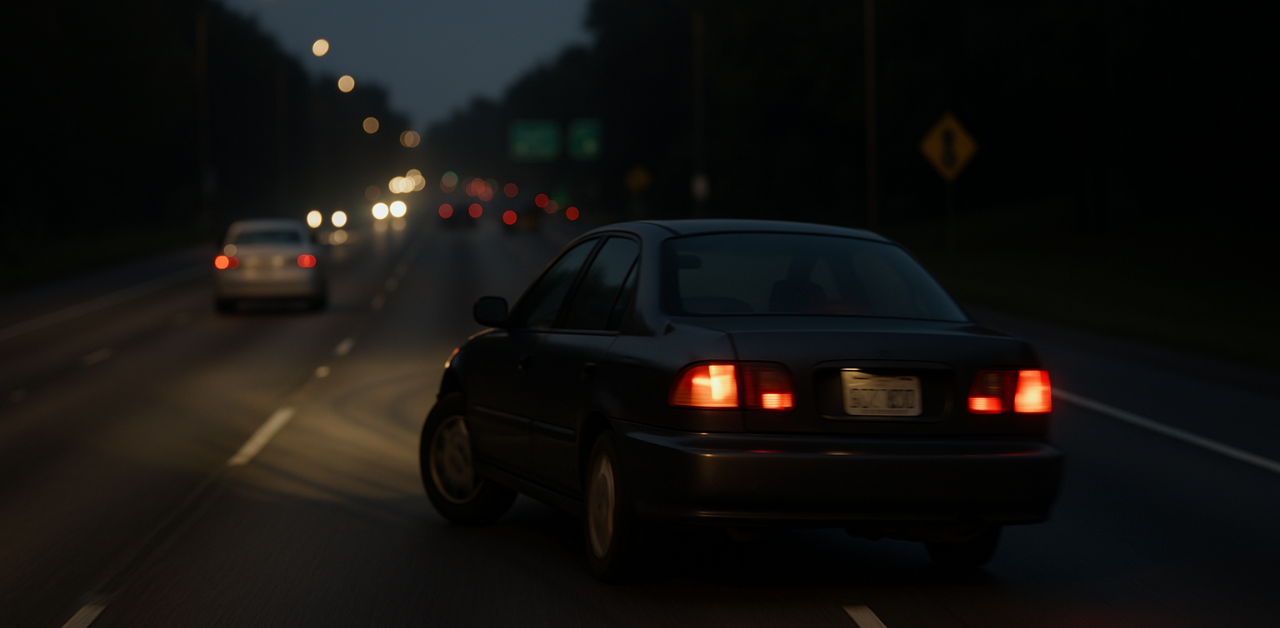
Car drives on a dimly lit highway at night, emphasizing the importance of visibility and night driving safety

Drunk Driving: Why Should You Pay for Someone Else's Negligence?

Drunk driving is more than just a lapse in judgment. It's a reckless act that endangers everyone on the road. Yet, time and again, it's the victims who bear the brunt — physically, emotionally, and financially. Why should you, your loved ones, or any responsible driver have to pay for someone else’s negligence? If you know how to recognize the signs of possible driver impairment, you may be able to react in time to avoid a disaster. That's not always the case. However, even if you notice a particular driver's behavior as erratic, there may be little to nothing you can do to avoid a crash. That's why it's also good to know what steps to take following a motor vehicle accident to achieve as full a recovery as possible. In this blog, we confront the harsh realities of drunk driving. It's time to demand stronger protections for victims and a legal framework that prioritizes justice over excuses. Because when someone’s careless decision becomes your lifelong consequence, the question must be asked: where is the fairness in that? Driving Behavior That Suggests Intoxication or Other Impairment No matter how cautious and alert you are behind the wheel, you have no control over the actions of other drivers. Any of the following road situations is cause for great concern: If you witness someone traveling at night without headlights, it's a sign that the driver may be impaired. Have you ever seen someone use a turn signal but turn the opposite way? This is a common sign of drunk driving. If a driver appears to be applying brakes randomly or otherwise accelerating and decelerating in a pattern that doesn't match current traffic flow, be especially wary, as this person may be intoxicated. Drunk drivers often come dangerously close to parked cars or slightly bump into curbs as they navigate bends in the road. If you notice a driver sitting far at the front edge of the driver seat, as though he or she is straining toward the windshield, it is a sign that he or she might be intoxicated. Any car veering over the yellow line or swerving in its lane may have an impaired driver at the wheel. If you can safely pull off the road and alert 911, you may be able to help save lives, perhaps even your own. If a driver makes the irresponsible choice to consume alcohol before driving, then hits your vehicle and causes you to suffer injury, you are entitled to seek justice in a civil court. Who May Be Held Liable? A drunk driving accident can involve more than one wrongdoer. Consider these possible defendants: The impaired driver. The most obvious source of liability. Vehicle owner. If a person lets an intoxicated friend drive, the owner may share fault under negligent entrustment laws. Employer. Companies can face vicarious liability if a worker drinks during a job‑related task. Bar, restaurant, or club. Many states have dram‑shop laws that hold alcohol vendors liable if they served a visibly drunk patron who later caused injuries. Social host. Some states allow claims against hosts who supply alcohol to minors. Naming every responsible party helps you reach the insurance coverage needed to pay full damages. Who Pays the Medical Bills? You should not have to bear the full financial burden prompted by a collision that someone's negligence caused. Many accident victims file injury claims and receive court-awarded compensation that they can use to pay medical expenses and other costs associated with their injuries. Step‑by‑Step Checklist After a Drunk Driving Accident Call 911. Request police and medical help. Seek medical care. Even minor pain can signal hidden injuries. Document the scene. Take photos and note the weather, road layout, and other drivers' behavior. Get witness contact info. Independent witnesses add weight to your version of events. Notify your insurer. Report the accident, but give only basic facts. Keep all records. Save bills, repair estimates, and a pain diary. Consult an attorney early. Evidence fades fast; quick legal action protects your rights. Why Legal Guidance Makes a Difference Drunk driving cases can involve: Multiple insurance policies Large medical expenses that keep rising Disputes over comparative negligence DUI criminal proceedings that overlap with the civil claim A seasoned injury lawyer gathers evidence, values your claim, and negotiates from a position of strength. In many instances, victims who hire counsel receive far more than those who go it alone. Proving Negligence in a Drunk Driving Case To recover compensation, you must show four simple elements: duty, breach, causation, and damages. Element What It Means How to Show It Duty Every driver owes others a duty to act as a reasonable person would. Traffic laws, driver’s license rules Breach The driver violated that duty. Police report, breath test, and field sobriety results Causation The breach caused your injuries. Crash reconstruction, medical records Damages You suffered losses. Bills, wage records, pain journal How Shared Fault Rules Affect Your Claim Not every state treats shared fault the same way: Rule Type What Happens If You Share Blame? Pure comparative negligence You recover even if you are 99 % at fault; your award is reduced by your share. Modified comparative negligence (50 % or 51 % bar) You recover only if your fault stays below the state limit. Contributory negligence Any share of fault bars recovery. Only a few states use this strict rule. The drunk driver’s criminal act is strong evidence, yet the insurer may still argue you were speeding or not wearing a seat belt. Clear evidence and witness testimony help defeat those claims. From Crisis to Compensation: Legal Support After a Drunk Driving Crash A drunk driving accident upends life in seconds, but the law offers clear paths to recovery. By proving the other party’s negligence, documenting every loss, and meeting strict deadlines, you can recover damages for medical bills, lost wages, and pain. Recovery Law Center has helped many families rebuild after drunk driving cases. Contact us today to schedule a consultation and learn how we can pursue the full compensation you deserve.

Woman grimacing in pain, holding her neck after a car accident, standing beside a damaged vehicle

Did Recklessness Cause Your Car Accident?

p>Reckless driving is a dangerous and irresponsible practice. Sadly, it is also a common cause of car accidents in Hawaii. Reckless driving refers to any actions that neglect the safety of others, such as speeding, weaving rapidly from lane to lane, drag racing, and similar activities. Reckless drivers often cause serious and deadly crashes with terrible consequences for injured victims. According to statistics from the Hawaii Department of Transportation, the state witnessed a notable reduction in traffic-related fatalities. In a recent year, there were 92 fatalities due to motor vehicle collisions across the state, marking a decrease from the 112 fatalities recorded in the previous year. This data suggests a positive trend in driving behavior across Hawaii, with noted reductions in speeding incidents and DUI offenses among truck drivers, alongside a rise in the choice of sober drivers. Despite this encouraging trend, reckless driving remains a pressing concern in Hawaii. Not only does reckless driving lead to accidents, but distracted driving—a form of reckless behavior—has also become a significant factor in car accidents. These reckless behaviors, including using a phone while driving, eating, or even adjusting the radio, further endanger the lives of all road users. In the aftermath of a reckless driving accident, victims often turn to specialized legal assistance for recourse. The Recovery Law Center is your personal injury lawyer in Hawaii, representing those affected. Victims seek justice and compensation for their injuries and losses by filing a personal injury lawsuit. This legal support highlights the importance of holding reckless drivers accountable for their actions, reinforcing the need for continued efforts to improve road safety and driver responsibility. How Recklessness Can Lead to Injuries Many injuries occur when people ignore basic safety measures. Simple actions—like running on wet floors, texting while driving, or skipping protective gear—can lead to slips, crashes, or serious wounds. However, taking basic precautions, such as wearing seatbelts or using handrails, can go a long way in preventing harm. Reckless behavior further increases the risk of injury. Speeding, roughhousing, or ignoring warning signs can result in falls, burns, or broken bones. Pushing limits without caution may seem harmless, but even small risks can have serious consequences. Moreover, recklessness doesn’t just affect the individual—it also puts others in danger. A distracted driver, for example, can injure passengers and pedestrians, while careless handling of tools or equipment can endanger coworkers. Thoughtless actions can have lasting, sometimes devastating, impacts on those around us. Ultimately, prevention starts with awareness. Avoiding injuries requires thinking before acting, following rules, and staying alert. By making small, responsible choices reduces the risk of accidents and protects both ourselves and those around us. What Is Reckless Driving? According to Hawaii revised statute § 291-2, reckless driving occurs when someone operates a vehicle “in disregard of the safety of persons or property.” Per Hawaii's laws, the driver's state of mind is important when distinguishing recklessness from other types of harmful behavior, such as negligence. When someone acts negligently, they “should be aware” that their actions present a “substantial and unjustifiable risk” to others. In other words, they act carelessly by failing to take the potential dangers of their actions into account. However, when someone acts recklessly, they “consciously disregard” a substantial and unjustifiable risk. This means they knew or should have known that their actions could hurt others, but they did it anyway, showing indifference to others' safety. It's not always easy to distinguish between negligence vs. recklessness. But reckless driving includes highly dangerous behaviors, such as excessive speeding, disregarding traffic signals, or pedestrian right-of-way rules. Reckless drivers charged in Hawaii face harsh penalties, which may include imprisonment for up to 30 days and up to $1,000 in fines. What are the Reckless Driving Accident Charges in Hawaii? Hawaii's law HRS §291C-105 on excessive speeding is designed to punish those who speed excessively, with penalties increasing for repeat offenses. First Offense (no prior conviction in the last 5 years) Fine: $500 to $1,000. License Suspension: 30 days (can be reduced to 15 days with restricted driving for work). Must attend a driver retraining course. Additional surcharges: $25 for the neurotrauma fund and possibly up to $100 for the trauma system fund. Other penalties: Driver education assessment, and either 36 hours of community service or 48 hours to 5 days in jail. Second Offense (within 5 years of a prior conviction) Fine: $750 to $1,000. License Suspension: 30 days with no driving allowed. Must attend a driver retraining course. Additional surcharges: Same as the first offense. Other penalties: Driver education assessment and either 120 hours of community service or 5 to 14 days in jail, with at least 48 hours served consecutively. Third Offense (within 5 years of two prior convictions) Fine: $1,000. License Revocation: 90 days to 1 year. Must attend a driver retraining course. Jail Time: 10 to 30 days, with at least 48 hours served consecutively. Additional surcharges: Same as the first and second offenses. Other penalties: Driver education assessment. Examples of Reckless Driving Reckless driving examples include: Driving significantly above the speed limit Racing Driving while intoxicated Driving while severely fatigued Violating traffic and driving laws, including making an illegal turn, changing lanes improperly, driving illegally on the shoulder, or not using turn signals Distracted driving is generally considered an act of negligence. However, using hand-held devices or texting when driving is prohibited in Hawaii, so when these actions cause a severe accident, they could be seen as acts of recklessness. Reckless driving may occur simultaneously with negligent and criminal actions. For example, a person who commits a traffic violation, such as speeding or running a red light, could also be guilty of reckless driving. Injuries Caused by Recklessness Reckless driving can lead to any number of serious and potentially fatal injuries, such as: Cuts and lacerations Broken bones Muscle sprains Traumatic brain injury (TBI) Spinal cord injury Neck injury (e.g., whiplash) Back injury Paralysis Internal bleeding Organ damage Burns Amputation Vision and hearing impairment/loss Emotional injuries (e.g., PTSD, depression, and anxiety) Many serious injuries require long-term medical treatment and result in lifelong disabilities. Medical bills alone can be sky-high, especially when accompanied by lost wages if you cannot work. While your no-fault auto insurance benefits may cover some of these financial losses, they may not be enough to cover the full extent of your losses. A seasoned Honolulu car accident attorney can review your case to determine what legal options may be open to you. Role of an Insurance Company and a Personal Injury Lawyer in Reckless Driving Accidents Reckless driving accidents often lead to serious injuries, property damage, and financial hardship. When a reckless driver causes a crash, insurance companies and personal injury lawyers play different roles in handling claims, determining liability, and seeking compensation. Insurance Company's Role After a reckless driving accident, the at-fault driver's insurance company reviews the claim and determines how much to pay for damages. Their role includes: Investigating the Accident – Insurers analyze the accident scene, witness statements, police reports, and other evidence. Determining Liability – If the reckless driver ignored traffic signals, exceeded the speed limit, or engaged in aggressive driving, the insurer assesses whether their actions constitute negligence. Processing Insurance Claims – Victims can file claims for medical expenses, lost wages, and property damage. The insurer may offer a settlement based on policy limits. Defending the At-Fault Driver – If the other driver disputes the claim, the insurer may try to minimize payouts or deny liability. However, insurance companies often aim to pay as little as possible. This is where a personal injury lawyer steps in. Personal Injury Lawyer’s Role A personal injury lawyer represents the victim and fights for fair compensation. Their responsibilities include: Gathering Evidence – They collect medical records, accident reconstruction reports, and witness statements to prove the reckless driver caused the crash. Negotiating with the Insurance Company – Insurers may try to settle for less than what the victim deserves. A lawyer pushes for full compensation for medical bills, lost wages, and other damages. Filing a Lawsuit if Necessary – If the insurance company refuses a fair settlement, the lawyer may take the case to court. Seeking Punitive Damages – If the reckless behavior was extremely dangerous, such as drag racing or driving recklessly with wanton disregard for safety, the lawyer may seek additional compensation to punish the driver. Talk to a Car Accident Lawyer Today Examining the driving behaviors involved is important to determine if recklessness caused your car accident. Reckless driving behaviors—such as speeding, ignoring traffic signals, or driving under the influence—can indicate that a reckless driver was at fault. This behavior may not only constitute negligence but also strengthen personal injury claims, facilitating the process of financial recovery for the injured party. Victims may be entitled to fair compensation for their losses, including punitive damages to penalize the negligent party. Consulting with a car accident attorney is advisable to ensure a thorough evaluation and to maximize the chances of receiving fair compensation. An experienced attorney can help you with personal injury claims, advocating for your rights and aiming for possible financial recovery. If you or someone you know suffered injuries in a reckless driving accident, talk to an Oahu car accident lawyer at Recovery Law Center today.

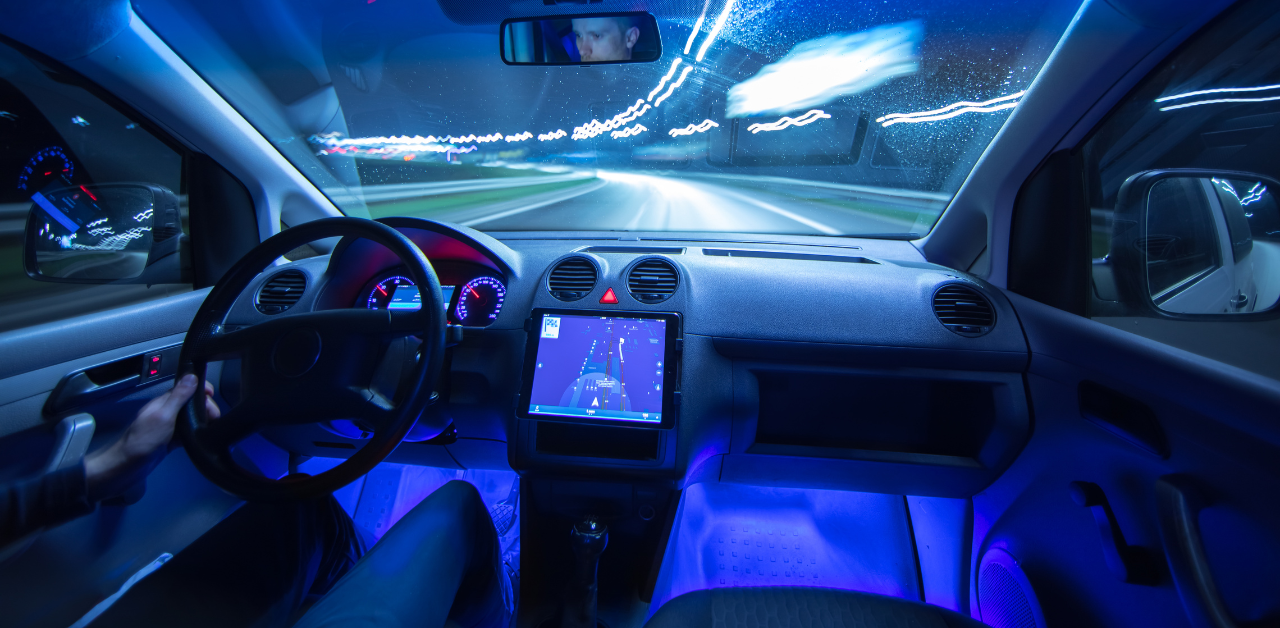
Night view from inside a self-driving car, with a glowing dashboard and navigation screen active

How Advances in Vehicle Technology Are Affecting Personal Injury Claims

The rapid growth of vehicle technology is changing how personal injury claims are handled. From autonomous vehicles to advanced driver-assistance systems (ADAS), modern cars are introducing new challenges in determining liability after accidents. Technologies like lane departure warnings, adaptive cruise control, and automatic emergency braking (AEB) aim to improve safety. However, they can also lead to complex legal issues when system failures or software glitches cause crashes. As vehicle accidents involve more technology, personal injury attorneys face new hurdles in collecting evidence and proving fault. Software malfunctions, sensor errors, and data privacy disputes complicate personal injury cases. Determining liability requires analyzing vehicle data, software performance, and human intervention during the crash. Consulting a personal injury attorney can help them handle challenging scenarios, from auto accident injury claims to product liability lawsuits. The legal safety, negligence, and liability standards will shift as these cases evolve. This article provides insights into how these changes impact legal strategies and what it means for anyone involved in a car accident today. Modern Vehicle Safety Features and Their Role in Accidents Modern cars boast a range of advanced safety features that aim to reduce accident risk and improve overall safety. Advanced driver assistance systems (ADAS) are projected to reduce crash risks by up to 50%. These systems include features like automatic emergency braking (AEB), which can apply the brakes to prevent collisions when a potential impact is detected. These features decrease the likelihood of vehicle accidents, making roads safer for everyone. Lane departure warnings, another vital ADAS component, alert drivers when their vehicle drifts out of its lane without signaling. While these systems improve safety, they are not foolproof. In some instances, drivers may become overly reliant on these technologies. This leads to distractions or misinterpretations of the system’s capabilities. With overreliance, they may result in accidents. When accidents happen, comprehending these systems’ functions at the scene is important in determining liability. The relationship between human action and technological intervention in modern cars creates a complex analysis in the pursuit of justice. Determining Liability with Advanced Technology Advanced technology in modern cars provides crucial data for determining accident liability. Vehicle data from black boxes, dashcams, and sensors can help establish fault. This data may show: Speed before impact Driver actions like braking or steering Timing of system alerts or warnings When accidents involve self-driving car crashes or ADAS failures, liability can shift from driver negligence to technology failure. Product liability claims can emerge against car manufacturers or software developers for defective systems. Cases of Product Liability in Vehicle Technology Product liability in vehicle technological advancements has been a critical area of legal scrutiny, especially with the advent of advanced driver assistance systems (ADAS) and autonomous vehicles (AVs). Several notable cases illustrate the complexities and challenges manufacturers face in this evolving landscape. Tesla's Autopilot and Full Self-Driving (FSD) Systems Tesla has been at the forefront of integrating semi-autonomous features into consumer vehicles, leading to multiple legal challenges: In September 2022, a class action lawsuit was filed against Tesla, alleging deceptive marketing of its Autopilot, Enhanced Autopilot, and Full Self-Driving Capability. The plaintiffs claimed Tesla misled consumers regarding the autonomous capabilities of its vehicles, leading to legal and safety concerns. Tesla has faced numerous individual lawsuits related to accidents occurring while Autopilot was engaged. As of November 2023, litigation was ongoing in at least eight cases involving serious crashes, including those resulting in fatalities. In August 2022, a consumer class action was filed alleging that Tesla's Autopilot system contained a defect causing vehicles to suddenly and unintentionally brake, a phenomenon known as "phantom braking." In November 2024, Tesla's attempt to dismiss the lawsuit was denied, allowing the case to proceed. General Motors (GM) Ignition Switch Recall In 2014, GM recalled approximately 800,000 small cars due to faulty ignition switches that could shut off the engine during operation, disabling power steering, brakes, and airbags. The defect was linked to at least 124 deaths. Investigations revealed that GM had been aware of the issue for at least a decade before the recall. As part of a Deferred Prosecution Agreement in 2015, GM agreed to forfeit $900 million to the United States and provided $600 million in compensation to victims. Legal Challenges with Autonomous Vehicles Autonomous vehicles bring new challenges in accident liability. Common legal issues include: Determining Fault: Conflicts arise over driver error vs. technology failure. Software Malfunctions: Glitches or failed updates can cause accidents. Product Liability Claims: Manufacturers and software developers may face lawsuits for defective systems. Legal Precedents: As autonomous vehicle accidents increase, courts are setting new legal standards. These complex scenarios require skilled personal injury attorneys familiar with autonomous vehicle technology and product liability law. The Role of Vehicle Data in Personal Injury Cases Vehicle data is essential evidence in personal injury cases. Black box data, GPS records, and sensor logs can: Confirm driver behavior before the accident Show system failures, such as AEB malfunctions Prove road conditions that contributed to the crash Attorneys use this data to strengthen personal injury claims and ensure fair compensation for victims. Accurate vehicle data can help establish negligence or technology failure as the cause. Privacy Concerns in Collecting Digital Evidence Collecting digital evidence from vehicles raises privacy concerns. Vehicle data may include location history, driving patterns, and personal habits. Legal challenges include: Data Ownership: Conflicts over who can access black box or GPS data Informed Consent: Disputes about using data without driver approval Data Security: Risks of hacking or data breaches Legal professionals must balance privacy rights with collecting evidence for personal injury claims. The Importance of Legal Representation Vehicle technology accidents involve complex legal issues that require experienced attorneys. Personal injury lawyers help victims by: Investigating accident scenes and collecting digital evidence Determining responsible parties, including manufacturers and software developers Filing product liability claims for technology failures Negotiating fair compensation for medical bills, lost wages, and other damages Victims of vehicle accidents should seek a free consultation with personal injury attorneys to understand their rights and pursue just compensation. Technology-Driven Personal Injury Claims with Experienced Legal Support Vehicle data, accident scenes, and evidence from advanced driver assistance systems are important in proving fault. However, complex scenarios involving product liability claims, driver negligence, and software errors demand experienced legal guidance. At Recovery Law Center, our personal injury attorneys understand the impact of new technologies on personal injury law. We help clients navigate legal challenges, address privacy concerns, and hold responsible parties accountable. Whether your case involves human intervention, software glitches, or product liability issues, we are ready to fight for your rights. Contact us today for a free consultation and let our legal professionals help you pursue fair compensation for your injuries and other damages.

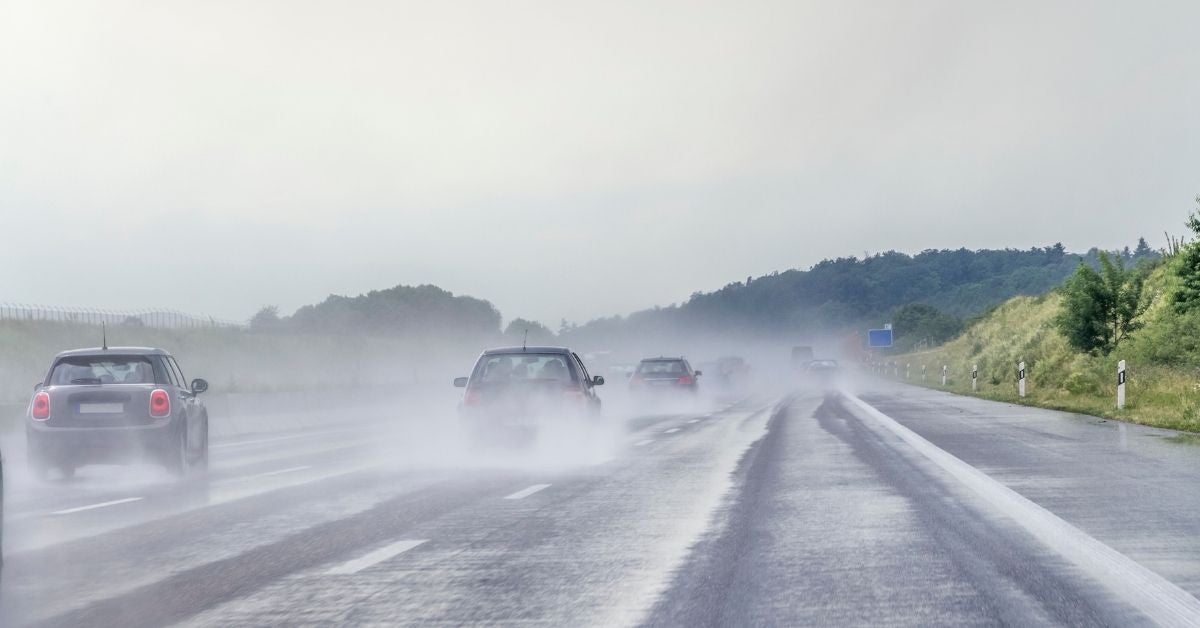
Untitled-design-62

Hydroplaning: What It Is and How to Avoid It

Driving in rainy conditions can be risky, primarily when water builds up on the road. When this happens, your tires may lose contact with the surface, causing your vehicle to slide uncontrollably. This is called hydroplaning. It occurs when a thin film of water forms between the tires and the road, reducing traction and making it harder to steer or brake. Hydroplaning can happen on wet pavement, even in light rain. Worn tires, low tread depth, and improper tire pressure increase the risk. Driving too fast, using cruise control, or sudden movements can also lead to a skid. The deeper the water, the higher the chance of losing control. If you are injured in a Honolulu crash caused by hydroplaning, call or contact a car accident attorney at Recovery Law Center to learn your legal options. What Is Hydroplaning? Hydroplaning, or aquaplaning, is a dangerous driving condition when a layer of water builds up between a vehicle's tires and the road surface, leading to a loss of traction. This can prevent the vehicle from responding to control inputs such as steering, braking, or accelerating, effectively making it uncontrollable. Hydroplaning will likely happen during heavy rain or driving through standing water at higher speeds. Wet pavement creates an unpredictable hazard for even the best drivers. According to the Federal Highway Administration, 3,400 people are killed each year when it rains, and more than 357,300 are injured. What Causes a Car to Hydroplane? Several factors contribute to hydroplaning. These include: Water Depth: Hydroplaning occurs in deeper water because it's harder for the tires to displace the water and maintain contact with the road surface. Speed: Driving at high speeds increases the risk of hydroplaning. As speed increases, the tires have less time to displace the water on the road surface. Typically, hydroplaning can start at speeds as low as 35 miles per hour (about 56 kilometers per hour), but the risk increases significantly with higher speeds. Tire Conditions: Even the best tires require regular maintenance. A worn or underinflated tire tread is more sensitive to hydroplaning. New tires with deep treads are better at channeling water away from the tire's surface, maintaining tire traction. Vehicle Weight: Lighter vehicles are more prone to hydroplaning because they have less downward force to help displace water under the tires. Road Conditions: Wet roads or standing water are more likely to cause vehicles to hydroplane, and certain types of pavement are also more slippery when wet. Driving Behavior: Losing control, such as sudden turns or hard braking, can increase the risk of hydroplaning. Smooth, gradual steering wheel movements are recommended when driving in wet conditions to maintain control. What Happens If A Car Hits Me While Hydroplaning? Liability depends on several factors, such as if a car hits you while hydroplaning in Hawaii. Here’s what you need to know: Driver Negligence: If the driver who hit you was speeding, using cruise control, or had worn tires, they may be responsible. Road Conditions: If poor drainage or deep water caused the accident, local authorities might share some responsibility. Your Role: The fault could be shared if you also lost control due to hydroplaning. Proving Liability in Hydroplaning To build a strong case, you will need: Accident Reports: Police reports provide official documentation of the crash. Witness Statements: Bystanders or other drivers may support your claim. Photos and Videos: Images of the accident scene, tire marks, or road conditions can serve as evidence. Vehicle Inspection Reports: A mechanic can determine if a mechanical failure contributed to the crash. Compensation in Hawaii: No-Fault Insurance System Hawaii operates under a no-fault auto insurance system, which affects how compensation is pursued following an accident, including those involving hydroplaning: First Party Coverage Under the no-fault system, if you're injured in a collision, regardless of who is at fault, you'll initially seek compensation through your own Personal Injury Protection (PIP) coverage. This coverage is part of your auto insurance policy and is designed to cover medical expenses, lost earnings, and other losses up to your policy's limits. Limitations and Thresholds Hawaii's no-fault law has specific thresholds that, if exceeded, may allow you to step outside the no-fault system and pursue a claim against the at-fault driver. This typically involves serious injuries that meet specific medical or cost criteria. Negligence and Liability Even in a no-fault state, negligence still plays a crucial role. If the driver who hydroplaned was found negligent and your injuries surpass the no-fault threshold, you could file a lawsuit against the driver for additional compensation. Even if you are partially at fault for a car accident in Hawaii, you can still collect compensation if you are not more at fault than the other party. Legal Options for Victims of Hydroplaning If someone else's negligence caused the accident, you may be able to pursue: An Insurance Claim: File a claim with the at-fault party’s insurer for medical bills, lost wages, and vehicle damage. A Personal Injury Lawsuit: If insurance does not fully cover your losses, you may sue for damages. This includes pain and suffering, medical costs, and ongoing care. A Product Liability Claim: If a defective part caused the accident, you can seek compensation from the manufacturer. A Claim Against the Government: If road conditions contributed to the crash, you may have a case against the agency responsible for maintaining safe roads. Tips to Avoid Hydroplaning Hawaii's rainy season creates more chances for water to collect on roadways, setting the stage for hydroplaning. Here are some suggestions to help you avoid this dangerous situation: Ensure your tires are properly inflated and not overly worn. Slow down when roads are wet. You can hydroplane in less than an inch of water. Stay away from puddles and standing water. Avoid driving in outer lanes where water accumulates. Drive in the tire tracks left by cars in front of you. Drive in a lower gear, and don't use cruise control. Avoid applying brakes hard. Refrain from making sharp or quick turns. Contact Recovery Law Center in Honolulu Today! If you are in an unfortunate situation resulting from hydroplaning in Hawaii, knowing you have options is important. Recover Law Center in Honolulu assists those involved in car accidents, offering legal advice and support. Our experience can guide you through the process, ensuring you receive the compensation and support you deserve. Schedule a consultation with a car accident attorney at Recover Law Center to understand your rights and the steps you can take toward recovery.

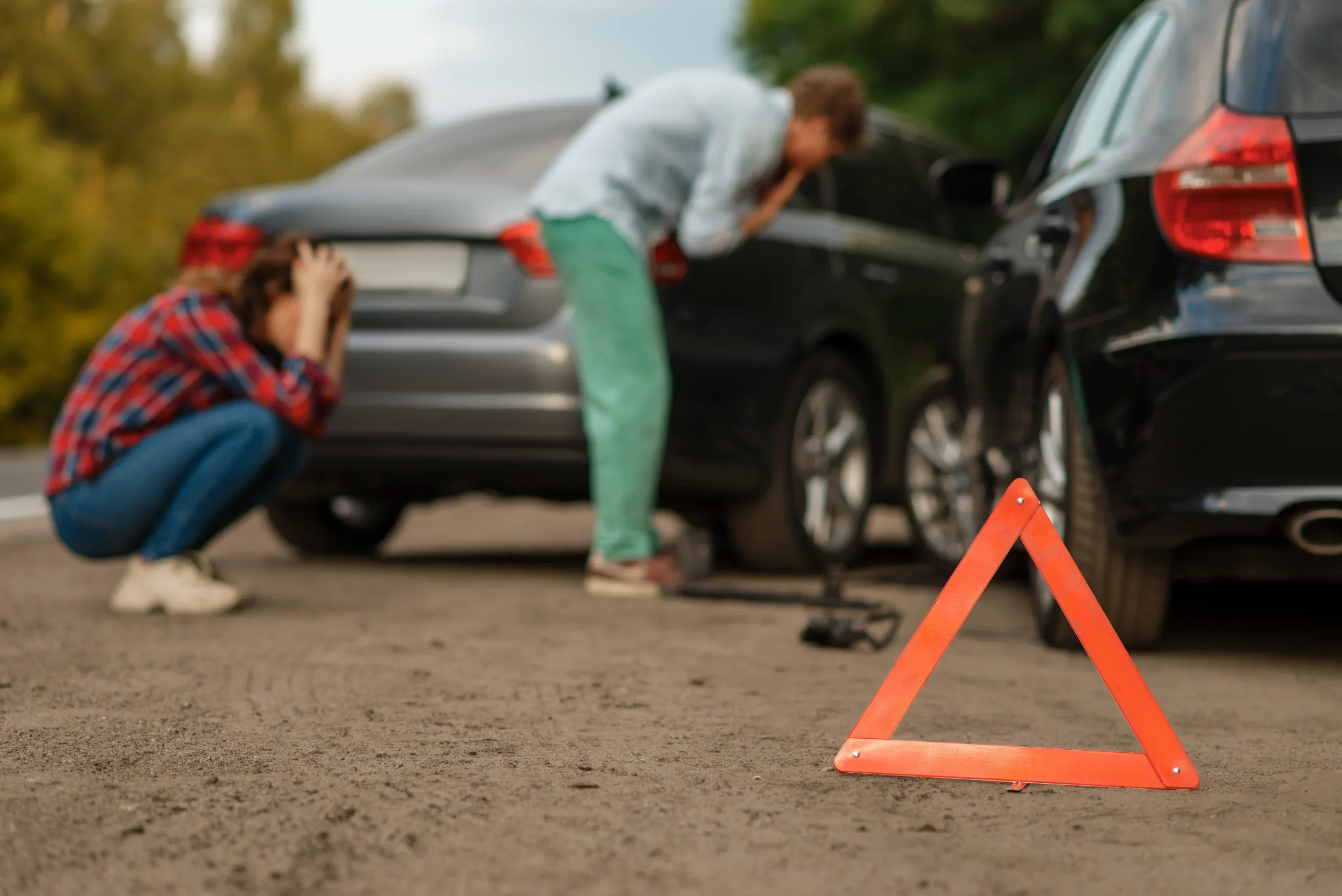
Teenage-Driving-Accidents-in-Hawaii-scaled

Teenage Driving Accidents in Hawaii

Teenage driving accidents in Hawaii harm young people, other victims, and the economy. In fact, unintentional injury, including car accidents, is the leading cause of death for 15-19 year olds in Hawaii. There are several important issues when it comes to teenage car accidents in Hawaii: Risk factors that elevate the risk of car accidents for teenagers How legal fault is determined when a crash involves a teen License penalties for teens involved in a crash How insurance and legal liability works when a teenager is at fault When your teen is not at fault Our Honolulu car accident attorneys explain teenage driving accidents in Hawaii. Is Teenage Driving a Problem in Hawaii? Teenage driving is a major concern in Hawaii. Statistics show that teen drivers are three times more likely to be involved in a car accident than older drivers. The risk is even higher for younger teens. 16-year-old drivers have a crash rate per mile driven 1.5 times greater than 18- and 19-year-olds. This alarming trend raises questions about safety, education, and legal measures to protect Hawaii’s roads. Recent Teenage Driving Case in Hawaii A tragic vehicle crash in Waikoloa in 2024 left a 17-year-old girl dead and three other teenagers seriously injured. The major traffic collision occurred at the Mamalahoa Highway (Highway 190) intersection and Waikoloa Road (Highway 191) when a silver 2022 Chevrolet Spark collided with a southbound Peterbilt tractor-trailer carrying 5,000 gallons of water. According to the Hawaii Island police reports, the Chevrolet was making a left turn onto Highway 190 when it was broadsided by the truck. Emergency responders rushed the 17-year-old driver of the Chevrolet to Kona Community Hospital, where she was pronounced dead later that morning. Three female passengers in the Chevrolet were seriously injured in the crash. All were taken to North Hawaii Community Hospital for initial treatment. Two were later flown to Oahu for further care, while the third remains hospitalized at North Hawaii Community Hospital. Factors that Increase Risk for Teenage Drivers Teenage drivers face higher risks due to inexperience and common behaviors. Their limited time behind the wheel often leads to mistakes in judgment and difficulty handling challenging situations. Here are the primary factors contributing to their risk: Inexperience and Poor Decision-Making: Teenagers often struggle to recognize and respond appropriately to hazards. Their limited driving skills can result in overreacting or failing to react to dangerous situations. Speeding and Driving Too Fast for Conditions: Excessive speed is a leading factor in accidents. Teen drivers may not fully understand how speed impacts vehicle control, especially in bad weather or heavy traffic. Alcohol and Drug Use: Driving under the influence significantly increases the likelihood of a deadly car crash. Impaired judgment and slower reaction times make this behavior particularly dangerous. Distracted Driving: Texting, looking at screens, or interacting with passengers can divert attention from the road, leading to significant traffic collisions. Tailgating and Poor Following Distance: Inexperienced drivers often misjudge safe following distances, leading to rear-end accidents. Failure to Adjust to Road Conditions: Changing weather, slippery roads, or nighttime driving require quick adjustments. Teens may lack the skill to handle these challenges, putting themselves and others at risk. Rushing and Driving While in a Hurry: Teenagers may rush to reach a destination, increasing the risk of reckless driving and deadly accidents. Lack of Knowledge About Vehicle Maintenance: Ignoring basic vehicle upkeep can lead to malfunctions such as brake failure or tire blowouts, causing serious accidents. Poor Steering and Handling Skills: When a hazard appears, teens may oversteer or fail to control the vehicle, often leading to serious injury or worse. In-Car Distractions: Adjusting the radio, GPS, or other controls while driving takes attention off the road and heightens the risk of a crash. Unfamiliarity with Routes and Lane Changes: Not knowing the driving route or failing to check for traffic when switching lanes can lead to collisions with vehicles, including a tractor-trailer transporting water or other large vehicles. Tentative Driving: Driving too cautiously can confuse other drivers and cause accidents in busy traffic. Legal Fault When a Crash Involves a Teen Teens are evaluated under the same standards that apply to adult drivers. A teen is responsible if an adult is responsible for the crash under the same circumstances. Juveniles may receive traffic tickets. Operating a motor vehicle is an adult activity. When not done with reasonable care, it can be dangerous. For this reason, teenagers accept adult responsibility and the same legal standards of negligence that apply to anyone operating a vehicle. Licensing and Penalties for Teens Eligibility for Provisional License To obtain a provisional license, the applicant must: Be 16–17 years old. Hold an instruction permit for at least 180 days without pending suspension/revocation. Complete all required tests and courses. Rules for Provisional License Holders Must carry a license while driving. Everyone in the vehicle must wear seat belts or use child restraints. Can only carry one passenger under 18 unless the passenger is a household member or foster/hanai child unless accompanied by a parent/guardian. Driving between 11:00 p.m. and 5:00 a.m. requires a parent/guardian in the front seat unless: Driving to/from work (with employer verification). Driving to/from a school activity (with parent/guardian verification). During restricted hours, you cannot carry more than one passenger under 18 without a parent/guardian. Penalties for Violations First offense: 3-month suspension. No re-issuance until the age of 18 or 3 months after suspension. Second/subsequent offenses: 6-month revocation. No re-issuance until the age of 18 or 6 months after revocation. Suspension/revocation for other traffic offenses follows similar timelines (6 months for the first, 1 year for the second). Other Details Provisional licenses expire on the holder’s 19th birthday. Eligible for a full license after holding a provisional license for 6 months or upon turning 18 (whichever comes first). Exceptions: Rules don’t apply to emancipated minors or motorcycle/scooter licenses. Courts notify license examiners of violations affecting provisional licenses. See H.R.S. § 286-102.6(e). These penalties apply for any traffic offense, not just when a teen is at fault for a crash. Insurance and Legal Liability When a Teen is Involved in a Crash There are two ways that parents may be liable for the actions of their teens on the roads. The first is through car insurance, and the second is by signing responsibility for the teen when they receive their permit or license. Liability through insurance Hawaii law says that every vehicle owner operating on a public road shall have car insurance and maintain it for the entire motor vehicle registration period. No person may operate a motor vehicle on a public highway unless insured. Most car insurers require everyone in the household to be on the policy, although it's possible for the teenager to have a separate policy. Hawaii is a no-fault state, so PIP claims should go through everyone's insurance. But if your teen is driving your vehicle, it's your insurance that is going to pay injury liability and property damage. ( See H.R.S. § 431:10c-104). Your insurance applies to your vehicle when you loan it to others. So even if your teen is grown, no longer living in your household, and has their insurance, loaning the vehicle to them still creates liability for their actions. If your adult teenager is still a part of your household, your insurance will likely require them to be named on your policy. Liability created by law The other reason that parents are responsible for their teenage drivers is because they sign up for liability when the teenager gets their license. Hawaii Revised Statutes § 286-112 says that an application for a permit, provisional license, or driver's license for a person under 18 must be signed for by the responsible adult. When there's joint custody, a sole custodial parent or a guardian, that's both parents. Any negligence or misconduct of the minor is imputed to the person who signed for them. Many parents don't remember signing for their child, but they can be liable if the teen is responsible for an accident. Once you've signed, you can cancel your signature, revoking the teen's license ( H.R.S. § 286-113), but you won't escape liability if a crash has already occurred. Car Accident Teenager Not at Fault Teenagers shouldn't be presumed to be at fault for an accident. If a teen is a car accident victim, they may have a right to claim compensation. Serious bodily injury, loss of a body part, serious loss of bodily function, disfigurement, and death may all be grounds for compensation. Teen victims often suffer life-changing injuries. They shouldn't suffer without legal representation. What if Your Child is a Teen Driving Accident Victim in Hawaii? Dealing with a teen driving accident can be overwhelming for any parent. If your child has been involved in a serious vehicle crash in Hawaii, there are several important steps to take immediately. Knowing how to respond can help protect your child’s well-being and rights. Focus on Your Child’s Health If your teen was injured, ensure they receive immediate medical attention. Serious conditions may require hospitalization, surgeries, or long-term treatment. Minor injuries should be examined, as symptoms like pain or discomfort can surface later. Gather Information About the Crash Understanding what happened is essential. A major traffic collision investigation often involves police, insurance companies, and possibly legal professionals. Collect details about the crash, including: Time and location of the accident. Names and contact information of others involved, including two passengers or one teenager if they were present. Police reports and any witness statements. Address Financial Concerns Accidents often lead to significant expenses. Medical bills can quickly add up, and your teen may miss school or part-time work, leading to lost wages. An insurance company may cover some costs, but they often try to minimize payouts. Working with a personal injury attorney can help ensure you receive fair compensation. Protect Your Teen’s Legal Rights If the crash involved negligence or disputes over fault, a personal injury attorney can guide you through the process. They can help in negotiations with the insurance company and ensure your family’s rights are respected. Prevent Future Accidents Encourage your teen to drive safely and follow traffic laws. Highlight the dangers of distracted driving and speeding. Simple steps, like reminding them to wear seatbelts and avoid risky behavior, can save lives. When the Worst Happens In tragic cases where a teen is killed, families face unimaginable loss. Support systems, including grief counseling and legal guidance, can help parents handle this difficult time. Seeking justice in cases of negligence may provide some closure. Attorneys for Accidents Involving Teenagers in Hawaii Legal issues after an accident involving teenagers can be challenging, but you don’t have to face it alone. At Recovery Law Center, we are committed to guiding you every step of the way. Our team understands the complete nature of these cases and will work diligently to protect your rights and pursue the compensation you deserve. Schedule a consultation today to discuss your situation and explore your legal options. Let us help you take the first step toward resolution and recovery.

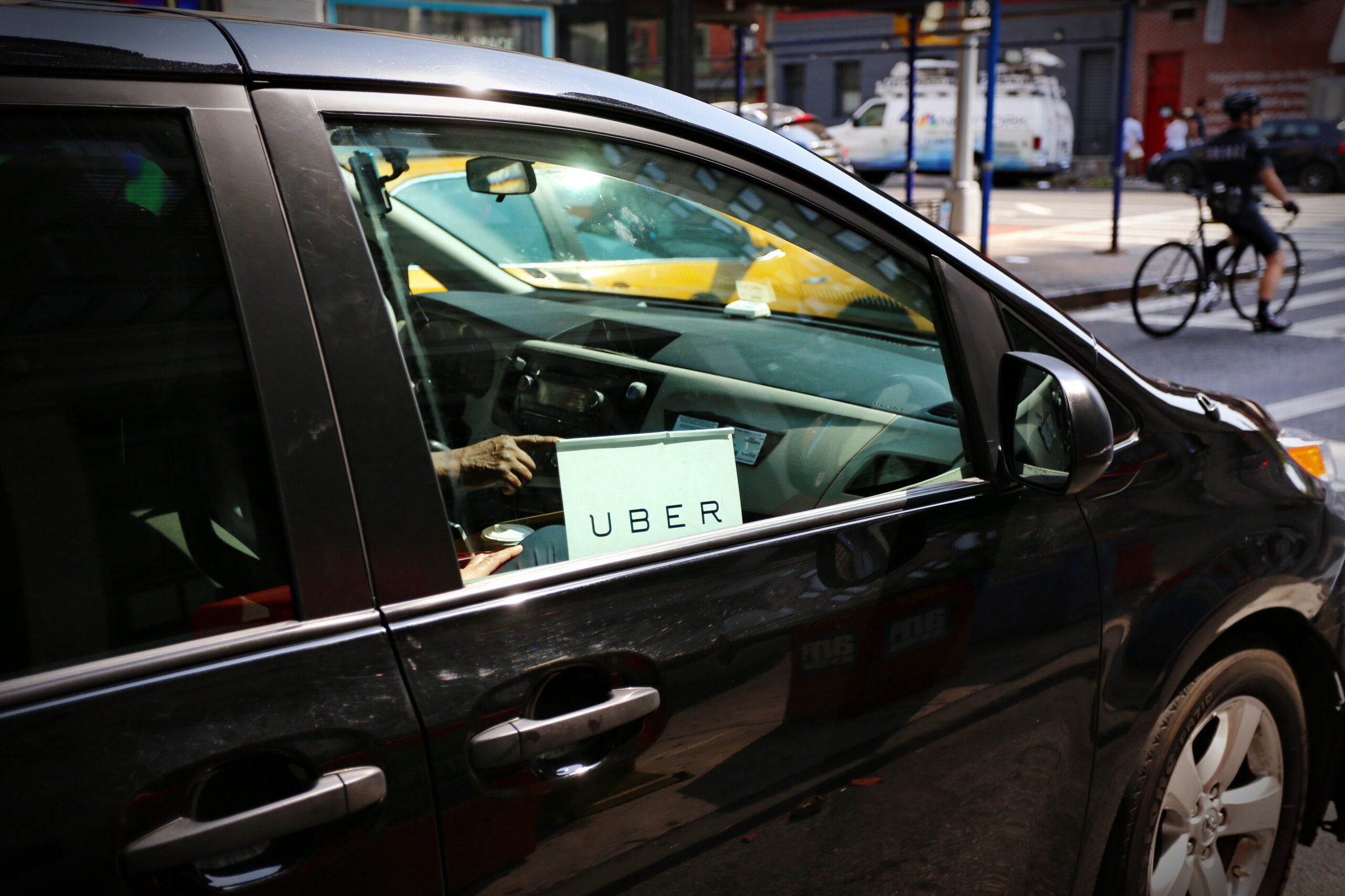
how-to-spot-a-fake-uber-or-lyft-driver-scaled-1

How to Spot a Fake Uber or Lyft Driver

Catching a ride with Uber or Lyft is a safe decision. Isn't it a good idea to get a ride instead of going out drinking and then risking driving under the influence? Isn't it better to hire a driver who knows where he or she is going instead of driving in an unfamiliar city? Sure, those are all smart reasons to consider a rideshare service. However, risks are involved whenever you accept a ride from someone you don't know. This is especially true if the driver poses as an Uber or Lyft driver but is not a registered driver with either service. Unfortunately, this has happened in Honolulu already. If you were injured in an incident with an Uber or Lyft driver, you could be entitled to compensation. Contact a Honolulu car accident lawyer at Recovery Law Center today for a free consultation to learn about your legal rights. Common Scams Involving Fake Uber or Lyft Drivers Scammers posing as Uber or Lyft drivers use deceptive tactics to trick riders. These scams often happen near busy airports, bars, and event venues. Knowing how they operate can help you stay safe. Here are the common fake driver scams to watch out for: Impersonation: Some scammers pose as rideshare drivers, waiting near pickup zones and calling out common names. They rely on confusion, hoping a distracted rider will get in. Always check the app for your driver’s details before entering a car. Fake Apps or QR Codes: Scammers may place stickers with fake QR codes near official rideshare pickup spots. When scanned, these codes lead to phishing sites that steal payment information. Only use the official Uber or Lyft app to request a ride. Surge Pricing Lies: Some impostors claim the app's prices have surged and offer a “better” deal for cash. Real rideshare drivers never negotiate fares. The app sets the price. Locked Doors and Forced Payments: A fake Uber driver may demand payment before unlocking the doors. Legitimate rides only charge through the app. If a driver asks for cash upfront, get out immediately. Card Skimming: Some fake drivers install skimming devices inside cars. If a driver insists on swiping your card instead of using the app, it’s a scam. Use digital payment methods within the app. GPS Manipulation: Some scammers take longer routes to overcharge riders. Check the app’s map and speak up if the route seems suspicious. Safety Tips for Uber and Lyft Passengers Rideshare services have a series of safety guidelines to help keep their customers and drivers safe. Many of their recommendations are common sense for any car ride. Some of them are designed to help their users avoid driver fraud. To prevent fake drivers, it's recommended that you: Call your car from inside your current location so no one can see you and attempt to pick you up. Notify a friend or family member of where you plan to go. Check the details when you get your car notification. Do the make, model, and license plate match? Make the driver identify you. They should know your name when you ask who they're picking up, and if they don't, don't get in. Always sit in the back seat. Wear a seat belt. Car accidents can happen anytime and anywhere. Call 911 in an emergency. Calling through the Uber app will display your live location and trip details to the dispatcher. Safety is your No. 1 priority in any rideshare vehicle. If you suspect your driver is a fake or are worried about being in an Uber/Lyft accident, don't hesitate to ask the driver to stop in a public location or call for help. Legal Rights and What to Do If You’re a Victim Rideshare companies must follow safety regulations to protect drivers and passengers. If an accident or incident occurs, you may have legal options. Car Accidents: If you’re injured in an Uber or Lyft accident, you can file a claim against the at-fault party. Rideshare companies have insurance coverage, but the details depend on the trip status. Fake Drivers: Always check the driver’s profile, license plate number, and trip details in the app. Report it immediately if you get into a car with a fake driver. Driver Misconduct: If a rideshare driver harasses or harms you, report it to the company and law enforcement. Data Privacy: Rideshare apps collect data through essential cookies, similar technologies, and optional cookies. You can adjust settings in your browser for a safer experience. How Can Recovery Law Center Help Me? If you were the victim of someone posing as an Uber or Lyft driver, you could be entitled to personal injury compensation if you can prove that the driver assaulted you. Rideshare companies carry liability insurance that could be a source of compensation for you in a personal injury claim involving fake drivers, but these types of claims can be complex. Let a compassionate Honolulu personal injury attorney at Recovery Law Center help you. We know you've been through a terrible ordeal. We can investigate your Uber injury claim and outline your legal options in a free consultation. Call or contact our Oahu law firm today to get started.

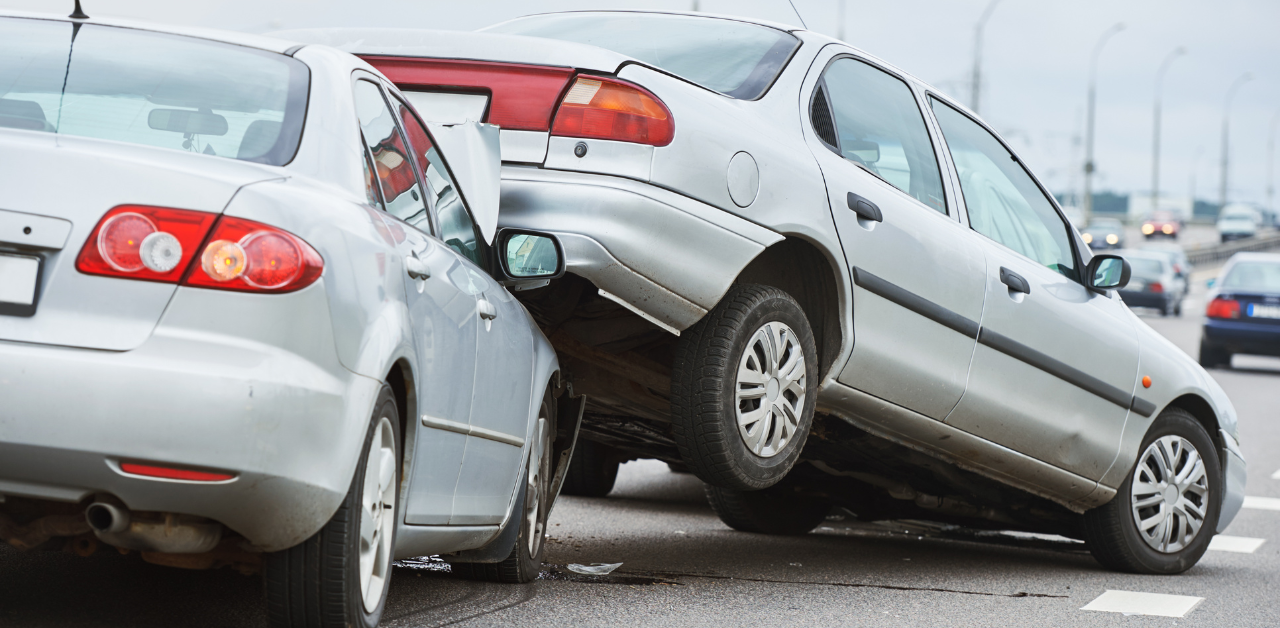
Car Accident Scene - A severe rear-end crash shows a car lifted onto another on a busy highway

Car Accidents Remain a Leading Cause of Death and Injury in The U.S.

Motorists in Hawaii are always at risk when traveling on crowded roadways across the state. To mitigate some of this risk, drivers should always stay alert, pay attention to their surroundings, and practice defensive driving habits. However, all drivers will likely be involved in an accident at some point. Unfortunately, car accidents are one of the leading causes of death and injury in the United States. A recent crash in Kauai resulted in injuries to two people and a driver possibly facing charges. The crash happened during the nighttime hours on Kuhio Highway. According to reports, a southbound car attempted to turn left across the highway. Reports said the driver turned into the path of an oncoming pickup truck, causing a collision. Both occupants of the pickup truck were injured. The driver received non-life-threatening injuries, but the passenger was seriously injured and rushed to a hospital, authorities said. The driver of the car was arrested on suspicion of negligent injury, according to police. Reportedly, the highway remained closed for several hours following the crash. As populations continue to rise across Hawaii, roadways are becoming more dangerous daily. Unfortunately, car accidents are almost inevitable. When negligence in an accident results in injury or death, victims and families can take action by consulting an experienced and knowledgeable attorney. A successfully litigated lawsuit could result in vital financial relief that families could use to recover any monetary losses that may have occurred due to this devastating experience. Challenges in Addressing the Problem Car accidents remain a leading cause of death and injury worldwide. Despite advancements in road safety, significant challenges persist in reducing motor vehicle crashes and saving lives. Here are some of the most pressing issues: Distracted Driving: Distracted driving, especially from cell phone use, is a growing problem. Drivers often text, call, or scroll behind the wheel, taking their focus off the road. This behavior increases the risk of accidents that could result in serious injuries or fatalities. Impaired Driving: Driving under the influence of alcohol or drugs remains a significant cause of motor vehicle crashes. Impaired drivers have slower reaction times and impaired judgment, making them a danger to themselves, passengers, pedestrians, and other road users. Lack of Seat Belt Use: Many fatalities in motor vehicle accidents occur because drivers and passengers fail to wear seat belts. While seat belt use has improved in many regions, some still neglect this essential safety measure. This decision can make the difference between life and death during a crash. Speeding and Reckless Behavior: Exceeding speed limits or engaging in reckless behavior like aggressive driving puts everyone at greater risk. Speeding reduces the driver’s ability to react to road conditions and increases the severity of crashes, leading to more serious injuries and deaths. Vulnerable Road Users: Pedestrians, cyclists, and children are especially at risk on roadways. These vulnerable road users often face serious or fatal injuries in motor vehicle crashes due to limited visibility or drivers’ failure to yield. Inconsistent Road Safety Laws: In many regions, road safety laws are not uniformly enforced. In some areas, rules regarding seat belts, cell phone use, and impaired driving are either outdated or poorly implemented. This inconsistency leaves gaps that lead to preventable accidents. High-Income Countries and Road Traffic Injuries: Road traffic injuries remain a significant problem in high-income countries. Although better access to advanced safety features like airbags and well-maintained roads helps, accidents still occur due to human error and distractions. Education and Awareness: A lack of education about road safety rules contributes to risky behaviors. Drivers often underestimate the dangers of distractions, speeding, or impaired driving, putting themselves and others at risk. Children and young drivers especially need better access to age-appropriate safety education. Steps Toward Safer Roads in Hawaii Improving road safety in Hawaii is essential to prevent motor vehicle crashes and save lives. Motor vehicle accidents remain a leading cause of death and serious injuries, particularly among drivers, passengers, cyclists, and pedestrians. Below are practical steps to make Hawaii's roadways safer for everyone. 1. Enforce Traffic Laws Strong enforcement of traffic laws can significantly reduce the risk of accidents. Police must address behaviors like impaired driving, speeding, and distracted driving, which are leading causes of road traffic injuries. Regular checkpoints to check for alcohol or drug use and enforcing bans on cell phone use while driving can deter risky behavior. 2. Promote Seat Belt Use Seat belt use is among the most effective ways to reduce motor vehicle crash injuries and fatalities. Educating drivers and passengers about the importance of wearing seat belts and enforcing seat belt laws can save lives. Airbags and other safety measures are helpful, but seat belts provide essential protection during crashes. 3. Educate on Distracted Driving Distracted driving, such as texting or using a phone, increases the risk of crashes. Drivers should stay focused, avoid distractions, and follow the road rules. Campaigns to raise awareness about the dangers of distracted driving can influence safer habits. 4. Improve Road Infrastructure Maintaining safe roadways reduces risks for all road users. Adding signs, pedestrian crossings, and designated lanes for cyclists can prevent accidents. Regular maintenance of roads, such as filling potholes and installing guardrails, makes driving safer for everyone. 5. Protect Vulnerable Road Users Pedestrians, cyclists, and children are at high risk of injury or death in motor vehicle crashes. Schools should educate children about crossing streets safely, and drivers should remain cautious in school zones. Cyclists must wear helmets, and drivers should share the road responsibly. 6. Address Impaired Driving Impaired driving is a leading cause of preventable fatalities. Alcohol-related accidents can be reduced through sobriety checkpoints, awareness campaigns, and stricter penalties for offenders. Encouraging the use of ride-share services or designated drivers helps prevent impaired driving. 7. Promote Safe Vehicle Use Proper vehicle maintenance is essential for safety. Drivers should regularly check brakes, lights, and tires. Storing dangerous items like carbon monoxide-producing equipment properly in the trunk also reduces risk. Encouraging child safety seats for young passengers makes a difference in protecting lives. 8. Educate on Road Safety Public education campaigns play an essential l role in spreading awareness about road safety. Teaching drivers about risks, like the dangers of speeding, not wearing seat belts, or ignoring road signs, fosters responsible behavior. These efforts can influence drivers to make safer decisions on the road. 9. Collaborate with Communities Communities must work together to create safer environments. Local organizations, schools, and health departments can collaborate to reduce preventable injuries and fatalities caused by motor vehicle crashes. Together, they can advocate for safer roads and healthier lifestyles. Legal Options for Car Accident Victims in Hawaii If you were injured in a crash caused by another driver’s negligence, you may file a personal injury claim. Common causes include distracted driving, impaired driving, or failing to follow traffic laws. Personal injury claims aim to recover damages such as: Medical bills for brain injuries, fractures, or other health complications. Lost wages from missed work due to injuries. Pain and suffering resulting from the accident. To strengthen your case, report the crash to the police, document injuries, and keep records of expenses. For families who have lost loved ones in a fatal motor vehicle accident, Hawaii law allows wrongful death claims. These claims help provide financial compensation for the emotional and financial toll caused by preventable deaths. Fatalities from accidents involving alcohol, illegal substances, or distracted driving are often grounds for such claims. Furthermore, Hawaii requires drivers to carry personal injury protection (PIP) insurance, which covers medical expenses regardless of fault. However, serious accidents often exceed PIP limits. In these cases: Victims may file claims with the at-fault driver’s insurer. Legal advice can help ensure fair settlements for damages. Legal Action Against Negligent Parties Negligence is a common factor in motor vehicle crashes. Drivers may be held liable for behaviors such as: Texting or using a cell phone while driving. Ignoring seat belt rules puts passengers and children at risk. Operating a vehicle under the influence of alcohol or drugs. Manufacturers could also be held accountable if the accident occurred due to faulty vehicle equipment, like airbags or seat belts. Additional Support for Victims The aftermath of road traffic injuries can be overwhelming for injured persons and their families. Legal options can help cover: Rehabilitation for long-term injuries. Counseling for emotional trauma. Support for children or dependents of victims. Prevent Tragedy Through Road Safety and Legal Support Car accidents remain a leading cause of death and injury, affecting lives daily. Motor vehicle crashes take thousands of lives every year and leave many with serious injuries, such as brain injuries or other long-term health issues. Factors like distracted driving, impaired driving, and failure to wear a seat belt increase the risk of fatal accidents. These tragedies are preventable through better road safety practices, such as following traffic laws, staying off cell phones while driving, and using seat belts. If you or a loved one has been injured in a motor vehicle accident, schedule a consultation with us.

wineglass-553467_1920-1

Can You Get Drunk Off One Glass of Wine?

Drinking wine can feel like a harmless way to unwind, but it’s important to understand how alcohol affects your body. Many people wonder if one glass of wine is enough to get drunk. The answer depends on several factors, including alcohol tolerance, body size, and how your body processes alcohol. Even a single glass of red or white wine can lead to noticeable effects for some. Moderate wine consumption may seem safe but can still impair judgment and slow reaction times. When it comes to drinking alcohol and getting behind the wheel, even small amounts can create unsafe driving conditions. At Recovery Law Center, we’ve seen the devastating consequences of DUI-related accidents. Understanding how much alcohol is too much and the risks of even one drink can help prevent tragedies on the road. Let’s explore how your wine consumption could affect your ability to drive safely. What Is the Legal Driving Limit? Drunk driving is the number one cause of death on our nation's roadways, killing 11,000 people a year. Throughout most of the United States, the blood alcohol content (BAC) allowed to drive a motor vehicle is 0.08. This is the case in Hawaii as well. However, in July 2020, the Aloha State enacted stiffer penalties for drivers whose BAC reaches .15 or above. This applies to first-time offenders. Upon conviction, the driver's license and car registration are revoked for six months to a year. The driver must spend at least 14 hours in rehab, two to five days in jail, pay up to $1,000 in fines, and/or do three days of community service. While criminal penalties attempt to curb a drunk driver's negligent actions, they do not compensate people who have been hurt in the accidents they cause. If an impaired driver injured you, you need a drunk driving injury lawyer to fight for compensation for your losses. Can Wine Get You Drunk? Yes, too much wine can get you drunk. The amount it takes varies depending on a lot of factors, but in general, drinking more than one glass of wine per hour can lead to intoxication. Wine typically contains about 12% alcohol, which can impact your body differently depending on: Your weight Whether you're eating while drinking Gender Body type and how your liver processes alcohol Hormones Medications Ethnicity How quickly you drink Even one glass of wine can impair your judgment or make you legally drunk, so it's always important to be cautious, especially if you're planning to drive. What Are The Myths About Drunk Driving? Drunk driving is a serious issue, yet many myths surround it, leading to dangerous misconceptions. Understanding the truth about alcohol and how it affects the body is essential for safe and responsible drinking. Myth 1: "I’m Fine to Drive After One Glass of Wine" Many believe drinking just one glass of wine won’t impair their driving ability. However, even a tiny glass of wine can increase blood alcohol concentration. Factors like body weight, how much wine you consume, and whether you drink on an empty stomach all influence your BAC. For some, just one drink may be enough to approach the legal limit. Myth 2: "I Can Handle My Alcohol Because of My Tolerance" Alcohol tolerance may make you feel less drunk, but it doesn’t reduce how much alcohol is in your system. Your body processes alcohol the same way, regardless of tolerance. High alcohol tolerance gives a false sense of security, leading many to believe they can safely drive after drinking alcohol. This can have serious consequences. Myth 3: "Wine and Low-Alcohol Drinks Are Safer" Some think drinking wine, especially low-alcohol wines like pinot grigio or sparkling wine, won’t impair them as much as hard liquor. However, the alcohol content in a glass of red wine or white wine can still add up quickly, especially if you consume wine in large quantities. The type of alcoholic beverage matters less than how much alcohol you drink overall. Myth 4: "Drinking Coffee or Water Helps Sober You Up" It’s common to hear that drinking water, coffee, or eating food can help you sober up faster. While staying hydrated and eating before drinking may slow alcohol absorption, these actions don’t reduce your BAC. Only time allows your body to process alcohol completely. Myth 5: "I’ll Feel Drunk Before I’m Legally Drunk" Feeling drunk isn’t always a reliable measure of how alcohol affects you. Blood alcohol content rises before you start feeling the effects, and many impaired drivers don’t realize they’ve reached or exceeded the legal limit. This can happen even with moderate wine consumption, depending on how many glasses of wine or other drinks you’ve had. Myth 6: "Wine Is Healthier, So It’s Safe" While moderate wine consumption may have health benefits for some, drinking wine in excess can impair your ability to drive just as much as other alcoholic drinks. Drinking red wine or white wine irresponsibly leads to the same negative consequences as consuming hard liquor or regular beer. What if I Have Been Injured by a Drunk Driver? If you have been injured, take the following steps to protect yourself. Call 911 immediately for emergency assistance. Inform paramedics about any pain or discomfort. Visit a hospital or doctor for a complete medical evaluation. Notify law enforcement and provide a detailed account of the incident. Preserve evidence related to the accident. This can strengthen your case for compensation. Pursuing legal action against the drunk driver. Contact Our Drunk Driving Injury Lawyer If you've been injured in a drunk driving crash in Hawaii, contact Recovery Law Center immediately. Honolulu attorney Glenn Honda has 25 years of experience defending the rights of people who drunk drivers have injured. Our law firm is available 24/7 and has the experience, skill, and resources to build a strong injury claim on your behalf.

T-Bone-Accident-Fault-in-Hawaii-scaled

T-Bone Accident Fault in Hawaii

T-bone accidents can cause serious injuries, making them among the most dangerous types of car crashes. According to the Insurance Institute for Highway Safety (IIHS), they account for nearly one-quarter of passenger car accident fatalities. In a T-bone collision, one car strikes another directly on the side. Unlike the front or rear, the side of a vehicle has less structural protection. This lack of protection, combined with the high speeds and sudden nature of many T-bone crashes, increases the risk of severe injuries for accident victims. Most T-bone accidents occur at intersections. Faults in these crashes often depend on who has the right of way. The at-fault driver may have run a red light, ignored a stop sign, or failed to yield. Determining fault can be complicated, especially if both drivers claim they have the right of way. Witnesses, traffic signals, and other evidence are essential in resolving these disputes. If you’ve suffered car accident injuries in a T-bone collision, understanding who was at fault is critical to filing a car accident claim. Our experienced personal injury attorneys in Honolulu can help accident victims seek compensation through personal injury protection or a lawsuit. Knowing your rights when dealing with the insurance company can make a big difference in your case. How Fault is Determined in Hawaii T-Bone Accidents In Hawaii, determining fault in a T-bone car accident involves analyzing evidence from multiple sources. This helps car accident victims and their personal injury lawyers build a clear case. Fault is typically assigned by reviewing police reports, eyewitness testimony, traffic camera footage, and vehicle damage. Each plays a role in understanding how the accident happened and who may be responsible. 1. Police Reports When T-bone accidents happen, law enforcement officers are often the first to arrive at the accident scene. They assess the situation by: Collecting evidence Taking notes Speaking with involved parties If they believe distracted driving or another traffic violation caused the crash, they may issue a citation to the at-fault driver. The police report provides critical details about road conditions, weather, and statements from those involved. Auto insurance companies often rely on these reports when deciding liability in a T-bone accident case. 2. Eyewitness Testimony Eyewitnesses play a major role in determining fault. Their accounts can help clarify how the accident happened, especially when there’s conflicting information from drivers. Witness testimony can support claims made by car accident victims or point to potential distracted driving. Personal injury lawyers use these statements to strengthen their case and establish who caused the crash. 3. Traffic Camera Footage Many intersections in Hawaii have surveillance or traffic cameras that can record the exact moment of a T-bone car accident. This footage provides unbiased evidence of how the accident occurred. Traffic camera footage can be essential in proving fault in cases involving serious internal injuries or significant vehicle damage, especially when insurance companies dispute liability. 4. Vehicle Damage Analysis Examining the vehicles involved helps determine the point of impact, which can indicate how the accident unfolded. In T-bone accidents, damage is usually concentrated on the side of one vehicle and the front of the other. This can show which driver had the right of way and which one may have been at fault. Auto insurance companies often use this analysis when deciding on claim payouts. Factors to Consider When Proving Fault for a T-Bone Accident Proving fault for a T-bone accident often comes down to the facts. You may rely on any of the following to prove fault: Who had a stop sign or stop light? Who had the right of way? What did the witnesses see? Was the light red or green? Did either vehicle show signs of braking before the crash? Are there recorders in either vehicle or vehicle cameras? What do they show? Was the party with the right of way speeding, such that the driver entering the roadway couldn't gauge whether they posed a hazard to the intersection? Did a third vehicle push a vehicle into the intersection? Is there accident reconstruction that could explain the events of the crash? Fault for a T-bone accident often relies heavily on witness testimony and videos, if available. It is important to thoroughly investigate and document the causes of the crash to determine the right to financial compensation. Common Causes of T-Bone Accidents in Hawaii T-bone accidents, also known as side-impact collisions, happen when the front of one vehicle crashes into the side of another. These accidents can be serious and often lead to severe injuries. In Hawaii, t-bone accidents occur frequently due to driver behavior and road conditions. Distracted Driving: One of the most common causes of t-bone car accidents is distracted driving. Drivers texting, using a phone, or engaging in other distractions may miss traffic signals or stop signs, leading to dangerous collisions at intersections. Failure to Yield: Many t-bone accidents happen when drivers fail to yield the right of way. This often occurs at intersections with stop signs or flashing yellow lights. Ignoring traffic rules can put other drivers at risk and result in serious injuries. Speeding Through Intersections: Speeding increases the likelihood and severity of a t-bone car accident. Drivers who speed through intersections may not have enough time to react if another vehicle crosses their path. The higher the speed, the more severe the impact and potential for internal injuries. Running Red Lights or Stop Signs: Drivers who run red lights or stop signs create dangerous conditions that frequently lead to side-impact collisions. In many Hawaii car accidents, failure to stop results in high-impact crashes, often requiring car accident victims to seek medical attention or personal injury lawyers for help. Impaired Driving: Driving under the influence of alcohol or drugs is a significant cause of t-bone accidents in Hawaii. Impaired drivers have slower reaction times and poor judgment, making it more likely for them to cause an accident at an intersection. Poor Visibility or Weather Conditions: Rain, fog, or low light can reduce visibility on the road. Poor weather makes it harder for drivers to see traffic signals, other vehicles, or pedestrians. In these conditions, t-bone accidents happen more frequently, especially if drivers do not adjust their speed. Auto Insurance Issues After T-Bone Accidents: After a T-bone accident, car accident victims often have to deal with an auto insurance company to cover medical expenses and vehicle damage. Working with personal injury lawyers can help ensure fair compensation, especially in complex t-bone accident cases involving serious internal injuries. Hawaii Traffic Violations that May Result in a T-Bone Accident T-bone accidents are any accident with a front impact on one vehicle and a side impact on another. There may be many specific traffic violations that cause a T-bone crash to occur. These include: Vehicle Turning – Haw. Stat. § 291C-62 – When turning onto a road, alley or driveway, a driver must yield to any vehicle or persons who are already in the intersection and close enough to be an immediate hazard. Right of Way/Who Turns First – Haw. Stat. § 291C-61 – When two vehicles approach an intersection at the same time, the one on the right goes first. Stop or Yield Intersection – Haw. Stat. § 291C-63 – A vehicle approaching an intersection must stop as required. Then, they must yield the right of way to any vehicle that is already on the highway that poses an immediate hazard. If there is a yield sign, the driver must yield in the same manner so as to avoid being a hazard to other vehicles. If there is a crash, and there is a stop or yield sign, the party that didn’t wait until the road was free of hazards is presumed at fault because they did not yield the right of way. Stop Lights/Traffic Control Devices – Haw. Stat. § 291C-31 – Drivers must obey traffic control devices, like stop lights. Speeding, Driving Too Fast for Conditions – Haw. Stat. § 291C-101 and § 291C-102 – A person may not drive too fast for road conditions and potential hazards present. They must observe the speed limit. Driving a Defective Vehicle – Haw. Stat. § 286-21 – Any vehicle driven on the roads must be in good working condition. Examples of Fault for a T-bone Accident Here are some examples of fault in a T-bone accident: At an intersection, only one direction has a stop sign. Vehicle A is traveling through with no stop sign. Vehicle B's direction of travel has a stop sign. Even though Vehicle A has the right to proceed freely into the intersection, Vehicle B cuts them off. A crash occurs. Vehicle B is at fault. Vehicle C and Vehicle D are traveling in opposite directions. They arrive at the intersection at the same time. Vehicle C is on the right, so they should go first. Vehicle D doesn't wait. Vehicle D proceeds into the intersection. A crash occurs. Vehicle D is at fault. Vehicle E is traveling through an intersection. They have a green light. Vehicle F is waiting at the stop light to turn left. Vehicle F turns in front of Vehicle E, even though Vehicle E had a green light. A crash occurs. Vehicle F is at fault. Vehicle H stops at a red light. Vehicle G is behind them. Vehicle J is coming from the other way, with a green light. As Vehicle G approaches the intersection, their brakes fail. They rear-end Vehicle H, pushing Vehicle H into the intersection. Vehicle J T-bones Vehicle H. The driver of Vehicle G is at fault for having defective equipment. Call an Experienced Personal Injury Attorney for T-Bone Accidents in Hawaii Recovering compensation after a T-bone accident can be challenging. Auto insurance companies often try to minimize payouts or shift blame. A personal injury attorney can protect your rights and help build a strong case. They will gather evidence from the accident scene, handle communications with insurers, and guide you through each step of the process. At Recovery Law Center, we have experience helping victims of Hawaii car accidents, including T-bone collisions. We understand how these accidents affect your life physically, emotionally, and financially. Our personal injury lawyers are dedicated to helping you pursue fair compensation for all types of damages. Schedule a consultation with our personal injury lawyers.

Patient lying in a hospital bed with an IV line attached to their hand in a dimly lit room

The Long-Term Impact of a Car Accident

A car accident doesn’t just end when the wreckage is cleared. For many, the aftermath lingers for years, leaving physical injuries, emotional scars, and financial burdens that can disrupt daily life. These hidden challenges often catch people off guard. Imagine dealing with constant back pain from car crash injuries or the emotional toll of reliving the incident. Medical bills pile up, workdays are lost, and uncertainty becomes the norm. For some, these car accident injuries can lead to permanent damage, making recovery a lifelong journey. But you don’t have to face it alone. As a trusted car accident lawyer in Las Vegas, Recovery Law Center understands what you’re going through. We’ve helped countless individuals handle the legal process, secure compensation, and regain control of their lives. If you’re struggling after a car accident injury, know there’s hope. The right guidance can make all the difference in your recovery and your future. Let us help you take the next step. What are the Long-Term Effects of a Car Accident? Car accidents can have lingering effects that go far beyond the crash itself. For many car accident victims, the recovery process can be long and challenging. The impacts may include physical, emotional, and financial struggles that last for months or even years. Physical Injuries and Their Impact Car accidents often lead to serious physical injuries, which can range from soft tissue injuries to broken bones or even spinal damage. Common injuries include neck injuries like: Whiplash Back pain Head trauma Some victims require ongoing medical treatment, such as physical therapy or surgeries, to manage these conditions. These long-term injuries can reduce mobility, limit daily activities, and affect overall quality of life. For some, the effects are permanent, such as chronic pain or disability. Regular doctor visits, physical therapy sessions, and specialized care add up quickly, leading to high medical bills. Mental Health Struggles The emotional effects of car accidents are just as significant. Anxiety, depression, and post-traumatic stress disorder (PTSD) are common among car accident victims. Survivors may experience flashbacks of the crash, trouble sleeping, or fear of driving. These mental health struggles can be as debilitating as physical injuries, requiring therapy or counseling to manage. Financial Burden The cost of recovery is another long-term challenge. Medical expenses can pile up, especially for severe injuries that need prolonged care. On top of that, car accident victims might lose income due to missed work or reduced earning capacity. For many, these financial burdens add to the stress of dealing with a car accident injury. Recover and Seek Help If you’ve been in a car accident, seeking immediate medical treatment is key to identifying and managing injuries early. Documenting your injuries and tracking your medical expenses can also help when pursuing compensation. Consulting with an experienced auto accident attorney can help you understand your options and recover damages for medical bills, lost wages, and other expenses. How Long-Term Damages Can Affect Your Car Accident Claim In general, the more losses you suffer, the more your accident claim will likely be worth. A person who suffered minimal vehicle damage and minor injuries will not be able to pursue the same amount of compensation as someone who became permanently disabled in a car accident. Hawaii is a no-fault state, which means that in most cases, accident victims turn to their own insurance policies for coverage regardless of who was at fault for the accident. However, if you were involved in a severe car accident, you might be able to step outside Hawaii's no-fault system and pursue a claim against the at-fault driver. You could pursue additional compensation for pain and suffering through a third-party claim. This is often an option if your losses exceed your personal injury protection (PIP) policy limits or if you suffered a severe bodily injury, permanent disfigurement, or disability. Why You Should Hire a Car Accident Attorney Car accidents can change your life in an instant. From physical injuries to financial stress, the aftermath can feel overwhelming. If you’ve been involved in a car crash, hiring an experienced auto accident attorney can make all the difference in your recovery and long-term well-being. Here's why seeking legal help is a smart move. 1. Protecting Your Rights After a Car Crash After a motor vehicle accident, you may face mounting medical bills, lost income, and ongoing pain. An attorney will ensure your rights are protected while you focus on healing. Insurance companies often try to minimize payouts, and without proper legal representation, you might not receive the compensation you deserve. 2. Building a Strong Case for Compensation The effects of car accidents can range from minor injuries to life-altering injuries like spinal cord injuries, traumatic brain injuries (TBIs), or even partial paralysis. A skilled attorney understands the importance of documenting your car accident injuries and will gather evidence to strengthen your case. They’ll work to ensure that you receive fair compensation for your medical expenses, lost wages, and emotional trauma. 3. Addressing the Long-Term Impact of a Car Accident Serious injuries, such as traumatic brain injuries or spinal injuries, often come with long-term physical consequences. Chronic pain, reduced mobility, and psychological effects like post-traumatic stress disorder (PTSD) can make daily life challenging. An auto accident attorney will factor these long-term impacts into your claim, ensuring you’re not left struggling with the financial toll. 4. Managing the Immediate Aftermath The days following a car crash are critical. Seeking medical attention immediately is essential to address both immediate injuries and the long-term effects of a car accident. Soft tissue injuries, neck pain, back injuries, and head trauma may not be obvious right away, but they can worsen without appropriate medical care. An attorney can guide you in documenting these injuries to support your claim. 5. Navigating Medical Treatment and Expenses Medical bills for physical therapy, massage therapy, or ongoing treatment for spinal injury or severe burns can add up quickly. An experienced attorney can help you manage these expenses by working with medical providers and ensuring you receive compensation for both current and future medical care. 6. Supporting Mental Health and Emotional Recovery Car accident victims often face more than physical trauma. Emotional distress, sleep disturbances, and psychological consequences can be just as debilitating as physical injuries. A compassionate attorney will understand these challenges and seek fair compensation for the emotional toll and mental health support you may need. 7. Ensuring Fair Compensation for Long-Term Needs Prolonged pain, constant pain, and the physical after-effects of traumatic injuries can affect your quality of life for years to come. An attorney will fight to secure compensation that covers not only immediate treatment but also ongoing needs like physical recovery, mental health support, and financial losses. 8. Regaining Stability After a Car Accident From lost wages to reduced mobility, the aftermath of a car crash can disrupt your daily life. By hiring a car accident attorney, you gain an advocate who will handle the legal and financial aspects of your case, allowing you to focus on healing and regaining control. How A Dedicated Car Accident Lawyer Can Help You If you were severely injured in a car accident in Hawaii, you have the right to demand answers and justice. The car accident lawyers have the knowledge and resources necessary to help hold the at-fault party accountable for your losses. Call or contact us today for a free consultation with a Honolulu car accident attorney. There's nothing to lose and everything to gain.

Car-Accidents-With-No-Seatbelt-in-Hawaii

Car Accidents With No Seatbelt in Hawaii

Seat belts save lives—this isn’t just a slogan. It’s a fact backed by years of data. In Hawaii, where car travel is a daily necessity for residents and tourists alike, seat belt use is not just encouraged. It’s the law. Despite this, some drivers and front-seat passengers still take the risk of riding without buckling up, leading to preventable injuries and fatalities. Car accidents without seat belts often have devastating consequences. The lack of restraint can turn even a minor crash into a life-threatening situation. Hawaii’s seat belt laws aim to protect everyone on the road, emphasizing the importance of buckling up every time you drive or ride. Understanding these laws and their role in reducing injuries can help you make safer choices and avoid unnecessary risks. In this article, we will explore the importance of wearing seatbelts all the time, how to stay safe on the roads of Hawaii, and why a car accident lawyer is essential in case of an accident without wearing a seat belt. Importance of Wearing Seat Belts Seat belts are designed to keep occupants safe during a crash. They help to prevent serious injuries by restraining the body and reducing the risk of being thrown from the vehicle. Studies have shown that seatbelts save lives by keeping occupants inside the vehicle during a collision. The National Highway Traffic Safety Administration says many Americans understand the lifesaving value of seatbelts, with a national use rate of 91.9%. In the past years, seat belts in passenger vehicles saved an estimated 14,955 lives. In Hawaii, the seatbelt law mandates that all motor vehicle occupants, whether in the front or back seat, must wear a seatbelt. This law applies to both drivers and passengers. Children under the age of four must be in a child safety seat, and those aged four to seven must use a booster seat unless they are over 4 feet 9 inches tall. What are the Types of Seat Belts? Seat belts are one of the simplest yet most effective safety measures in passenger vehicles. Designed to keep occupants properly restrained during a car crash, they play a critical role in reducing serious injuries and saving lives. Different types of seat belts are suited for various vehicle designs, passengers, and seating positions. Here’s a breakdown of the main types and their uses. Lap Belts Lap belts secure passengers by fastening around the upper thighs and hips. These belts are common in older vehicles and some back seats but are less common today due to their limited ability to restrain the upper body during a crash. While lap belts offer basic protection, they are not as effective as newer systems in preventing severe injuries, particularly head trauma or chest injuries. Lap and Shoulder Belts Lap and shoulder belts, the most common type found in modern vehicles, combine a lap belt with a shoulder strap. Together, they distribute crash forces across the chest, shoulders, and hips, reducing the risk of serious injury. To be effective, these belts must lie snugly across the chest and upper thighs without cutting into the neck or abdomen. When worn properly, lap and shoulder belts significantly reduce the likelihood of being completely ejected from a vehicle during a crash. Three-Point Belts Three-point belts are an advanced version of the lap and shoulder belt designed to provide maximum restraint. Common in passenger vehicles, they anchor at three points: the shoulder, the upper hip, and the opposite hip. This design minimizes the chances of severe injury to the rib cage or internal organs by evenly distributing crash forces. Automatic Seat Belts Automatic seat belts were briefly popular in some vehicles during the late 20th century. These systems automatically positioned the shoulder belt when the door was closed or the ignition started. However, they often lacked proper lap belts, leading to safety concerns, and are rarely found in modern cars. Booster Seats with Seat Belts For children who have outgrown a child safety seat, booster seats help ensure the seat belt fits properly across their smaller bodies. These seats position the lap belt across the upper thighs and the shoulder belt across the chest, preventing it from cutting across the neck or abdomen. Proper seat belt use with a booster seat is essential to prevent potentially fatal consequences in a crash. Five-Point Harness Five-point harnesses are common in child safety seats and race cars. They secure the occupant at five points: two on the shoulders, two on the hips, and one between the legs. This system provides superior restraint and minimizes the risk of ejection or serious injuries during severe collisions. Seat Belts for Back Seat Passengers In modern vehicles, backseat passengers often have access to lap and shoulder belts. These belts are essential as back-seat passengers are just as vulnerable to serious injury during a car crash as front-seat passengers. Unbelted occupants in the back seat can also cause severe injuries to others in the vehicle during a collision. What Does the Hawaii Seat Belt Law Require? H.R.S. § 291-11.6 mandates that all drivers and passengers, both in the front and back seats, must wear seatbelts while operating a motor vehicle on any public highway. Children under ten years must be restrained as per section 291-11.5. Exemptions apply to passengers in emergency and mass transit vehicles, with potential additional exemptions defined by the Department of Transportation. A person is not in violation if: Federal standards do not require the vehicle to have seat belts unless equipped with them The number of passengers exceeds available seat belts A medical condition certified by a healthcare professional, These are some of the circumstances that prevent the use of a seat belt. As set by the Department of Transportation, other exemptions may apply. This statute does not alter existing laws regarding civil actions for damages in motor vehicle accidents. Non-compliance results in a $45 fine, a $10 surcharge for the neurotrauma special fund, and potentially up to a $10 surcharge for the trauma system special fund. Legal Consequences of Not Wearing a Seat Belt Failing to wear a seatbelt in Hawaii can result in significant legal consequences. Drivers and passengers caught without a seatbelt can receive a ticket and a fine. For drivers, the penalty is a $102 fine on Oahu, Maui, and Hawaii counties and $112 on Kauai. Passengers aged 8-17 caught without a seatbelt will also receive a ticket and a fine, and their drivers may be held responsible. Hawaii's seat belt law is a primary enforcement law, meaning that a police officer can stop a vehicle and issue a ticket solely for a seat belt violation. This is intended to encourage compliance and ensure that all vehicle occupants are properly restrained. Risks of Not Wearing a Seat Belt Riding in a car without wearing a seatbelt is risky. Seatbelts are designed to protect you in a crash, and not wearing one puts your life on the line. In Hawaii, car accidents involving people with no seatbelt are all too common. Not wearing a seatbelt can lead to severe injury or even death. Seat belts save lives by keeping you properly restrained in the event of a severe collision. If you're not wearing one, you could be thrown from the vehicle, which is often fatal. When a car crashes, the impact can cause unrestrained occupants to collide with the interior of the vehicle and other passengers or be ejected entirely. This can result in serious injuries like broken bones, head trauma, or worse. In many cases, unrestrained individuals end up needing emergency responders and transportation to the hospital. Hawaii's seatbelt law requires all motor vehicle occupants to wear seatbelts, including everyone in the front or back seat. If you're caught not wearing a seatbelt, you can be fined, and a police officer can issue a ticket on the spot. The risks are even higher for children. They must be in a booster seat or properly restrained according to their age and size. A child not in a seatbelt or booster seat is at extreme risk in a crash. The force of a collision can throw a child, causing severe injury or death. Public Awareness and Education Public awareness campaigns in Hawaii highlight the importance of seatbelt use. These programs aim to educate drivers and passengers about the dangers of not wearing a seatbelt and the legal consequences of non-compliance. The campaigns often involve increased law enforcement presence and checkpoints to ensure compliance with seatbelt laws. Educational efforts also target specific demographics, such as teens and young adults, who are statistically less likely to wear seatbelts. By focusing on these groups, public safety officials hope to instill safe driving habits and reduce the number of unrestrained occupants on the road. Seat Belts for All Ages Not only do adults need to wear seatbelts, but children must also be properly restrained using appropriate booster seats, which are designed to keep young passengers safe and secure. Parents and guardians must ensure that kids are always buckled up correctly. Mechanics of Seat Belts Seat belt assemblies consist of straps, buckles, and retractors. These parts work together to hold a person in place during a car accident. When a crash occurs, the seatbelt restrains the person, preventing them from being thrown around or ejected from the vehicle. An unrestrained person is more likely to suffer serious injury or death. Why Do You Need A Personal Injury Lawyer After A Car Accident With No Seatbelt? Car accidents without seatbelts in Hawaii can lead to serious injuries and serious legal situations. If you're involved in a car accident and aren't wearing a seat belt, you might face significant challenges. Here's why you need a personal injury lawyer in such cases: Legal Complications Hawaii law requires all drivers and passengers to wear seatbelts. If you're in a crash without a seat belt, it can complicate your case. Insurance companies may argue that your injuries were more severe because you weren't wearing a seat belt. A personal injury lawyer can help you handle these arguments and fight for your rights. Proving Liability Even if you weren't wearing a seatbelt, you wouldn't be at fault for the car accident. A lawyer can help prove that the other driver's negligence caused the crash. They can gather evidence, talk to witnesses, and build a strong case showing the other driver's duty and how they failed to uphold it. Handling Insurance Companies An insurance company often tries to minimize payouts, especially in cases involving unrestrained occupants. They may offer low settlements or deny claims altogether. A personal injury lawyer knows how to deal with these companies and ensure you receive fair compensation for your injuries and damages. Medical Costs and Damages Car accidents often result in high medical bills, especially if you aren't wearing a seatbelt. You might need long-term care or rehabilitation. A personal injury lawyer can help you recover these costs, as well as lost wages and other damages. They understand how to calculate the true cost of your injuries and fight for a settlement that covers all your needs. Contact an Experienced Lawyer For Car Accident Cases in Hawaii Car accidents without seatbelts in Hawaii highlight the serious risks faced by unrestrained occupants. Wearing seat belts is not just a legal requirement but an essential step in protecting yourself and your loved ones. Seat belts save lives by reducing the risk of fatal injury or death in a crash. Hawaii's seat belt laws are in place to ensure that every driver and passenger, whether in the front or back seat, is properly restrained. If you or someone you know has been involved in a car accident without a seatbelt in Hawaii, Recovery Law Center is here to help. We understand the legalities of these cases and are committed to assisting you through the recovery process. Schedule a consultation with us today to discuss your legal options.

Contact Us

Fill out this form below and we'll contact you shortly
*Required Fields