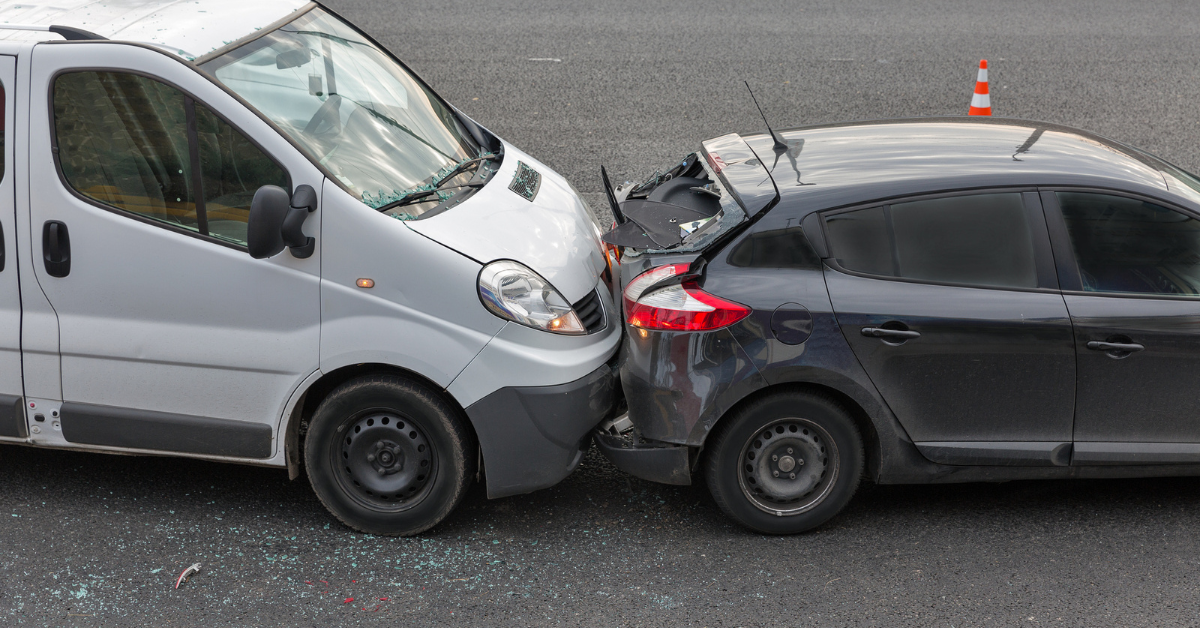
A car accident settlement is essentially an agreement between the victim, the negligent party, or their insurance company. This agreement ensures that the at-fault party covers the victim's damages through their liability auto insurance, usually in exchange for a lump sum payment. This process covers immediate expenses such as medical bills and vehicle damage and considers long-term consequences like lost wages and pain and suffering. In some cases, a car accident lawsuit may be necessary if a fair settlement cannot be reached. About 98% of car accident compensation cases are obtained through settlements rather than court cases, highlighting the efficiency and practicality of settlements. The average bodily injury claim following a collision was $20,235 in the past years, reflecting the significant financial implications of even minor accidents. Given the varying timelines for settlements, all car accident victims need to comprehend the complexities of this process. If you're wondering what injury pays the most for car accidents, the answer usually involves severe injuries. These injuries can lead to substantial settlements due to their severity and long-lasting impact on victims' lives. In this article, we'll learn which injuries lead to higher payouts and the reasons behind these. Highest Paying Car Accident Injuries The largest personal injury settlement in the United States typically involves severe and long-term impacts. Here are some of the most significant car accident injuries regarding compensation. Traumatic Brain Injuries (TBI) TBIs are among the most severe and costly injuries resulting from car accidents. These injuries can lead to long-term or permanent disability, requiring extensive medical treatment, rehabilitation, and ongoing care. The lifetime cost for each severe TBI survivor can exceed $4 million. TBIs are also a leading cause of disability, affecting around 5.4 million people in the U.S. Spinal Cord Injuries Injuries to the spinal cord can result in partial or complete paralysis, significantly impacting a person’s quality of life and ability to work. These injuries often lead to substantial settlements due to the high costs of medical care, rehabilitation, and modifications needed for mobility and daily living. The estimated lifetime cost for spinal cord injuries can range from $1 million to over $5 million, depending on the severity and age of the victim at the time of injury. Severe Orthopedic Injuries Fractures and injuries requiring surgeries, such as those to the pelvis, legs, or arms, can also result in high compensation due to medical expenses, physical therapy, and loss of income during recovery. These injuries often require multiple surgeries and long-term rehabilitation. Factors Influencing High Settlement Amounts Various factors significantly influence the determination of settlement amounts in car accident claims. The severity of injuries is a major factor, as more severe injuries typically result in higher medical expenses and greater claims for pain and suffering damages. Non-economic damages, such as emotional distress and psychological disorders, also influence the settlement calculations. Future expenses and the overall impact on the victim's quality of life are significant considerations. The potential for long-term or permanent disabilities can substantially increase the settlement amounts, as these factors add to the financial and emotional burden on the victim. Medical Expenses In car accident cases, medical expenses usually make up the lion's share of average car accident settlement claims. These expenses include both past medical bills and anticipated future medical costs, such as: Ongoing treatment Rehabilitation Any necessary home modifications For example, severe spinal cord injuries may require specialized equipment and modifications to accommodate mobility limitations. The severe impact of injuries like TBIs requires long-term medical treatment and rehabilitation, which further increases the settlement value. The at-fault driver's insurance company must typically cover these extensive medical expenses. Lost Wages and Earning Capacity Settlement amounts can notably rise with car accident compensation for lost wages and diminished earning capacity due to permanent disabilities. This type of compensation includes not just current lost earnings but also affects future earning capacity. Documentation such as previous pay stubs and records of missed work time are essential in calculating these losses. Permanent disabilities resulting from the accident can lead to significant claims for loss of future income, as the victim may never be able to work in the same capacity again. It is critical to consider this long-term financial impact during the settlement process. Pain and Suffering Damages Aiming to cover both physical pain and emotional distress caused by the accident, pain, and suffering damages play a significant role. These damages can include compensation for psychological disorders such as PTSD, depression, and anxiety, as well as changes in mood or personality due to severe physical injuries. Lawyers calculate pain and suffering damages using various methods, such as per diem rates or multiplying special damages by severity. A good car accident settlement offer should cover all medical expenses, property damage, and time off work. It should also provide compensation for pain and trauma experienced as a result of the accident. Role of Insurance Coverage in Settlements Insurance policies and providers considerably impact the final settlement amount in car accident claims. The insurance coverage available can significantly affect the settlement figure, as insurers generally only pay up to the policy limit. If damages exceed the coverage, the insurer will not pay the excess, and pursuing a claim against the at-fault driver for losses not covered by insurance may not be worth it. Different types of insurance coverage, such as liability insurance and umbrella policies, provide varying levels of protection and can influence the settlement outcome. For car accident victims seeking just compensation, comprehending the role of insurance coverage is indispensable. Liability Insurance Limits Liability insurance limits set the cap on what an insurance company will pay for damages and injuries resulting from an accident. These limits can significantly impact the final settlement amount, as insurers rarely pay more than the policy limits. A study by the Insurance Research Council found that the frequency of settlements exceeding policy limits in auto accidents was about 4%. This highlights the importance of understanding your own and the at-fault party's insurance policy limits when pursuing a car accident claim. Uninsured/Underinsured Motorist Coverage Uninsured and underinsured motorist coverage protects insured individuals when the at-fault driver has insufficient or no insurance. This coverage is essential in hit-and-run incidents or accidents involving an uninsured driver. Underinsured motorist coverage helps cover damages when the at-fault driver's insurance is insufficient. This type of coverage ensures that car accident victims receive the compensation they need, regardless of the other party's insurance status. Legal Considerations in High-Value Claims High-value personal injury claims, particularly those arising from car accidents, often involve a multi-faceted legal process, which can become complex due to several factors. The primary challenges lie in proving the severity of injuries, establishing liability, and interpreting insurance policies. Here’s a deeper look into these elements: Establishing Liability Determining which party is responsible for the accident is the foundation of any personal injury claim. In car accident cases, liability can hinge on several factors, such as: Witness testimony Police reports Traffic laws Surveillance footage (if available) Determining the at-fault driver can be complicated by disputes over the events leading up to the accident, necessitating expert testimony, accident reconstruction reports, and other forms of evidence. Proving the Severity of Injuries In high-value claims, the severity of injuries is a key factor that directly affects settlement amounts. Personal injury attorneys often work with medical experts to substantiate the long-term effects of injuries such as: Traumatic brain injuries (TBI) Spinal cord injuries Permanent disabilities Emotional distress or psychological trauma In addition to the immediate medical bills, ongoing care costs, rehabilitation, and loss of earning capacity can result in substantial damages being sought. Bad Faith Claims Insurance companies play a significant role in the claims process, but their goal is often to minimize payouts. Policyholders expect insurers to handle claims fairly, but disputes over policy coverage or undervalued settlements may lead to bad-faith insurance claims. In these cases, a claimant may seek additional damages if the insurance company fails to act in good faith. A formal demand letter is typically the first step in seeking compensation. This letter outlines the damages sought, including medical bills, lost wages, and pain and suffering. If the insurer refuses to offer a reasonable settlement, litigation might become necessary. State-Specific Laws Each state has its own regulations governing personal injury and car accident claims, influencing how claims are processed. Important factors include: Minimum insurance requirements: States mandate minimum levels of auto insurance coverage. Statutes of limitations: These laws dictate how long a claimant has to file a lawsuit after an accident. For example, in Hawaii, the statute of limitations for filing a personal injury claim is two years from the date of the accident. Fault determination: Different states use either pure or modified comparative negligence systems, affecting how damages are calculated based on the claimant’s level of fault. Comparative Negligence Rules Comparative negligence systems determine how fault is shared between parties. There are two main systems: Pure Comparative Negligence: Even if a claimant is up to 99% at fault, they can still recover damages, though the amount will be reduced according to their percentage of fault. Modified Comparative Negligence: Most states, including Hawaii, follow a modified system. Under this rule, if the claimant is more than 50% or 51% at fault (depending on the state), they are barred from recovering any damages. If they are less than 51% at fault, their compensation will be reduced proportionally. For example, if a plaintiff is found 10% at fault, their compensation will be reduced by 10%. Importance of Hiring an Experienced Personal Injury Attorney Hiring a skilled personal injury lawyer is one of the most important decisions you can make after suffering an injury, such as a car accident. The right attorney helps you protect your rights, secure compensation, and navigate the often confusing legal system. Below are reasons why hiring a personal injury lawyer is essential: 1. Maximizing Compensation A personal injury lawyer knows how to get you the most out of your claim. Without legal help, you might settle for less than what you deserve. Lawyers understand the full scope of personal injury settlements, including medical bills, lost wages, and pain and suffering. They can calculate the appropriate compensation for both current and future expenses, ensuring you get fair compensation for your injuries. 2. Handling Insurance Companies Insurance companies are not on your side. Their goal is to minimize how much they pay on a claim. When you’re dealing with an insurance adjuster after a car accident, they may offer a quick but low settlement. A personal injury lawyer negotiates on your behalf, pushing back against the tactics insurance adjusters use to reduce settlement amounts. Having a lawyer can mean the difference between an unfair offer and proper compensation. 3. Understanding the Legal Process The legal process surrounding personal injury cases can be overwhelming. Filing paperwork, adhering to deadlines, and knowing how to present evidence is necessary for your case. A personal injury lawyer will handle the claims process for you, ensuring that everything is done correctly and on time. This is especially important in serious cases like those involving traumatic brain injury, spine injury, or wrongful death. 4. Proving Liability One of the toughest parts of any personal injury claim is proving who is at fault. Whether it’s a car accident, a slip-and-fall, or medical malpractice, gathering evidence is essential. A lawyer will investigate the incident, interview witnesses, and work with medical experts to prove negligence. In cases involving an at-fault driver, your lawyer will establish that the other party’s actions caused your injuries, which is key to winning the case. 5. Peace of Mind When you’ve been injured, the last thing you need is more stress. Medical treatment, physical pain, and emotional distress can be overwhelming. By hiring an experienced personal injury lawyer, you relieve yourself of the legal burden. They take care of the details while you focus on your recovery. From managing medical bills to negotiating with insurance carriers, a skilled attorney ensures that your case is in good hands. Rightful Compensation for Severe Car Accident Injuries The highest-paying car accident injuries often involve severe conditions like spinal cord injuries, traumatic brain injuries, and multiple fractures. These injuries require extensive medical treatment, leading to substantial medical bills and significant pain and suffering damages. Consequently, the compensation for such injuries is typically much higher compared to minor injuries. Understanding what injury pays the most for a car accident can guide victims in seeking fair compensation. If you suffered a serious injury after an auto accident, consult a legal professional. Recovery Law Center, a trusted car accident attorney in Hawaii, can help you with your car accident settlements. Schedule a consultation to ensure you receive the compensation you deserve for medical expenses, lost wages, and pain and suffering damages.