Blog / Car Accidents

Blog

All Car Accidents Personal Injury Moped Accidents Motorcycle Accidents Pedestrian Accidents Truck Accidents Bicycle Accidents Boating Accident Our Firm Premises Liability Community Honolulu Auto Accident News
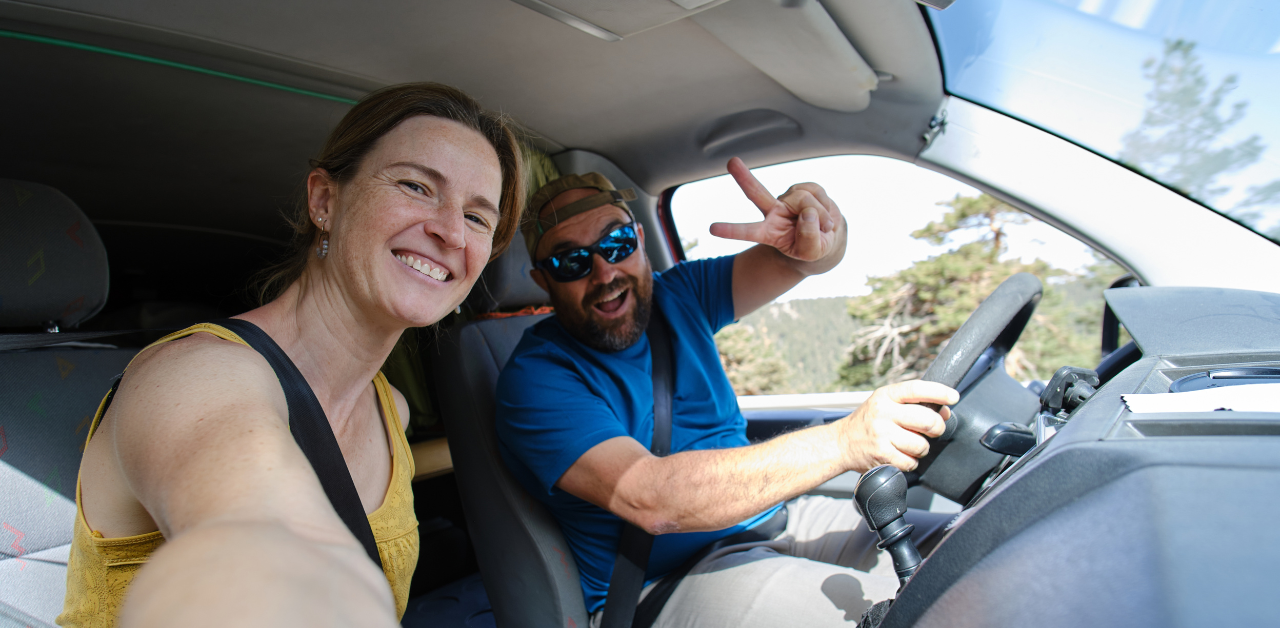
Happy couple takes a road trip selfie inside their vehicle, smiling and enjoying the ride

Latest Driving Distraction: Selfies Cause Car Accidents

Taking selfies has become a daily habit for many people. It started as a harmless way to share moments online, but a troubling trend has grown from it. Drivers are now taking selfies behind the wheel, and this latest driving distraction has added a dangerous layer to an already serious problem. Photos and short videos posted on social media sites reveal many drivers taking pictures on highways, side streets, and even in traffic. This behavior endangers the driver, passengers, and everyone else on the road. Data from National Highway Traffic Safety Administration shows how serious this problem has become. In 2023 alone, distracted driving accidents took the lives of 3,275 people nationwide. That number represents far more than statistics on a chart. Every life lost reflects a crash that could have been prevented if the driver had kept full attention on the road. The growing habit of taking selfies while driving contributes to these tragedies because it pulls a driver’s eyes, hands, and mind away from safe operation. Distracted driving has always included talking, texting, eating, adjusting a radio, or using electronic devices. Selfies now join the list, but with added risks because a camera forces the driver to shift focus, raise a phone, pose, and often glance twice to retake the shot. That entire process takes attention away from the road for far longer than most people realize. The Hidden Dangers of Phone Use Behind the Wheel Using a mobile phone while driving has become one of the most significant modern risks on the road. What often starts as a quick glance at a notification or a moment to capture a photo can escalate into a serious safety hazard. Research on problematic or maladaptive phone use shows that some people feel compelled to stay connected, to the point where being unable to check their device creates discomfort or anxiety. Unfortunately, this habitual need to engage with a phone doesn’t stop when they’re behind the wheel. When driving, this kind of compulsive phone use translates into a hazardous distraction. Even a few seconds of diverted attention can drastically reduce reaction time, impair situational awareness, and increase the likelihood of a crash. Studies have linked phone-related distraction to road traffic accidents that result in injuries and, in the worst cases, fatalities. The scale of the problem is alarming. This widespread behavior has prompted many governments to enact strict laws prohibiting the use of handheld devices while driving. These legal measures underscore just how serious and preventable the danger is. Breaking the habit requires more than simply putting the phone down. It often involves recognizing a deeper pattern of dependence. But choosing to disconnect while driving is one of the most effective and immediate ways to protect not only yourself but everyone else on the road. Why Driving Selfies Are More Dangerous Than Other Distractions Drivers have always dealt with distractions. Eating, talking to passengers, applying makeup, and phone conversations can all cause drivers to look away or lose concentration. Selfies add extra steps, making them more dangerous. A selfie often requires the driver to: Hold a phone up high. Turn slightly to the right angle. Check the screen. Smile or pose. Retake the photo if needed. Sometimes post it online. These steps increase the chance of drifting into another lane or failing to react to a sudden hazard. A distracted driver may not see a stopped car, a school bus, a pedestrian in a crosswalk, or a motor vehicle slowing ahead. Even small corrections at high speed can cause the vehicle to swerve, leading to rollover crashes or collisions with barriers. Fatal accidents linked to handheld device use continue to rise. Fatal crashes often involve young drivers who believe they can manage two tasks at once. Many people driving with one hand find that the distraction makes their reactions slower. The risk increases further when the driver uses a handheld device rather than a hands-free one. The Role of Social Media Pressure Social media platforms reward quick posts and constant updates. Many young people feel pressure to show fun moments or share live content while traveling. This pressure leads some to take selfies while driving to show they are “busy” or “on the move.” The latest trend includes drivers using filters, stickers, and effects while still in the driver’s seat. Posting selfies also creates delayed distractions. Some drivers take photos, then check likes or comments. That habit keeps the driver’s eyes on the phone, not the road. Even when the car is moving slowly in traffic, this behavior causes car crashes because the driver fails to see brake lights or lane changes. How Law Enforcement Responds Police departments across the country, including in Hawaii, have stepped up enforcement against distracted driving. Officers look for signs such as swerving, delayed starts at traffic lights, or drivers holding phones at face level. Using a phone to take photos while driving is illegal in Hawaii. Drivers caught taking selfies can face fines and penalties. If the behavior causes an accident, the distracted driver can face serious consequences. Accident reports often include details about cell phone use. Insurance companies review these records to determine fault. If a driver caused a collision due to taking pictures or using a phone, they can be held responsible for the injuries and losses of everyone involved. How Selfie Distractions Cause Catastrophic Injuries A single moment of distraction can lead to catastrophic injuries. Victims hit by a vehicle driven by someone taking selfies may suffer injuries such as: Traumatic brain injuries Spinal cord damage Broken bones Internal injuries Severe burns Amputations These injuries change lives. Many victims need long-term medical care, which leads to large medical bills, lost income, and emotional strain. Some victims never fully recover. Families also face the tragedy of fatal accidents caused by distracted drivers who failed to keep their attention on the road. Why Young Drivers Are Not the Only Ones Involved Teenagers often receive attention for risky behavior on social media, but they are not the only ones taking selfies behind the wheel. Adults also take part in the trend. Some believe their driving skills allow them to multitask. Others underestimate how long it takes to hold up a camera, snap a picture, and place the phone down. Many drivers who cause accidents report that they only looked away for a second. This second is enough for a vehicle to travel several yards. A car moving at high speed needs constant attention because road conditions change rapidly. The Impact on Other Road Users Drivers taking photos behind the wheel create danger for everyone. Pedestrians crossing a street become vulnerable when a driver fails to see them. Cyclists and motorcyclists face even greater risk because they have little protection during a collision. School bus drivers report increased concerns because many drivers speed around buses without noticing warning signs. A distracted driver may not see a child stepping off a bus. These accidents often cause severe injuries or death. Commercial drivers also face risks. A distracted passenger vehicle driver may drift into a truck’s lane. Many fatal crashes involving trucks occur because the smaller vehicle’s driver was distracted. How to Prevent Selfie-Related Distractions Drivers can reduce risks by taking simple steps. Put the phone out of reach before driving. Use a hands-free device only for urgent calls. Set music or navigation before starting the engine. Ask passengers to take photos instead of trying to do it yourself. Pull over safely if you need to take pictures or post online. Families should remind young drivers that no photo is worth risking a life. Teenagers often imitate behavior they see online. Parents and guardians can set an example by avoiding phones behind the wheel. Employers can also help. Companies with vehicle fleets can enforce policies that restrict drivers from using electronic devices. These policies reduce liability and protect workers from accidents caused by distraction. A Local Perspective for Hawaii Drivers Hawaii’s roads require extra care. Tourists, residents, and military members share narrow lanes, winding roads, and busy intersections. Many drivers slow down to admire the scenery. This means that even a single distracted moment is much more likely to cause a crash. Recovery Law Center has represented many victims of distracted driving in Hawaii. Our team understands the challenges victims face after a serious accident. We work to protect your rights and guide you through the recovery process. Contact Recovery Law Center After a Distracted Driving Accident Every accident caused by a distracted driver leaves people with unexpected challenges. Our team at Recovery Law Center works to ease that burden by offering clear direction and steady legal support from the first call forward. When you reach out to us, you speak with people who listen and treat your situation with care. We want you to understand your options, feel confident in your decisions, and know you have a committed legal team standing with you throughout the process. Many clients express that our approach brings comfort during a difficult time. One client, George C., shared, Awesome people friendly professional knowledgeable law firm ...better than others!! Very glad I choose them ... Much Mahalos Team Recovery Law Center!! We appreciate words like these because they reflect the effort we put into every case. If you were injured by a distracted driver, we invite you to speak with us. Contact Recovery Law Center for a free consultation, and let us help you move forward with clarity and support.

Close-up of dialing 911 on phone, showing fast emergency response in truck driver safety

What to Do as a Witness of a Car Accident

Seeing a car accident happen right in front of you can be shocking. Your heart races, and your first instinct might be to jump out and help. But acting calmly and safely can make a big difference for everyone at the accident scene. Knowing what to do as a witness to a car accident helps protect your own safety, the accident victims, and the drivers who are involved. It also allows the police and insurance companies to sort out fault and compensation later. Our car accident attorneys at Recovery Law Center provide a clear guide on the steps to take, how to handle witness statements, and how your actions can support the individuals involved in the accident and any future car accident cases. 1. Stay Calm and Secure Your Own Safety Before doing anything, take a deep breath. Your first duty as a witness is to make sure you are safe. Do not rush into the scene of the crash. Pull your vehicle to a secure area, far from oncoming traffic, broken glass, or leaking fuel. Turn on your hazard lights so other drivers can see you clearly. If you are not directly involved, avoid standing too close to the people or vehicles involved. Many accidents happen when others stop without caution. Most states require you to act reasonably and not place yourself or others in danger. Your safety comes first. 2. Check on the Victims and Call Emergency Services Once it’s safe, check if anyone is injured. If you can, ask simple questions like “Are you hurt?” or “Do you need medical assistance?” Never move the victims unless there is a fire or an immediate danger. Moving someone with serious injuries could make their injuries worse. Call emergency services immediately, then provide them with precise details of the following: Location Circumstances of the accident Number of individuals who may require medical attention Stay calm when speaking with dispatchers. They will guide you through the following steps. If the victims are conscious, let them know help is on the way. Stay with them until police or paramedics arrive. Your steady presence can ease panic and provide comfort to both the victims and passengers. 3. Wait for the Police and Provide Accurate Information When the police arrive, they will assess the scene and collect witness statements. Tell the truth about what you saw, the events, the drivers, the vehicles, and any evidence, such as skid marks, a car running a red light, or the other driver texting before the crash. Be clear and stick to the facts that actually happened. Avoid guessing or making assumptions about fault. The officers will record your statement in the police report, which may later be used in car accident cases or insurance claims. Sometimes, officers or attorneys may have follow-up questions. Keep your phone number handy in case they need to reach you again. Your cooperation can be crucial in helping the parties understand how the accident took place and who might be liable. 4. Gather Details While You Wait If it’s safe, take photos or short notes about the scene before leaving. Capture the position of the vehicles, any visible injuries, road signs, or broken glass. These images may serve as evidence later. You can also collect contact information from the parties involved and other potential witnesses. Get names, phone numbers, and license plate numbers. This helps attorneys, insurance companies, and police verify facts later on. Avoid discussing who caused the crash. Never post pictures or comments online about the accident. Keep the information private and give it only to the police or car accident attorneys if requested. The Role of Attorneys After an Auto Accident Car accident attorneys investigate the scene, speak with witnesses, review police reports, and ensure that insurance claims are handled correctly. For many clients, working with a lawyer means peace of mind during a confusing time. If you are a witness and later get contacted by one of the parties, you can refer them to an attorney. Avoid discussing the accident without knowing your rights. The law protects witnesses from harassment or pressure to change their statements. Recovery Law Center assists clients who have been injured in car accident cases or those who are unsure how to proceed after witnessing a crash. If you need help answering additional questions, their firm is always ready to assist. Talk to an Accident Lawyer After Witnessing a Car Accident In some auto accident situations, your testimony may help someone recover compensation. Even if you weren’t directly involved, your act of honesty can change the outcome of a claim or trial. If you or someone you know has been hurt or involved in a crash, Recovery Law Center is here to help. Our firm works closely with clients to guide them through the process, answer any additional questions they may have, and ensure they understand their rights under the law. Many of those we’ve helped describe their experience as warm and supportive. As one client, Omar Freitekh, shared: The Recovery Law Center team have an excellent way of making you feel as part of the family. They are professional on each step of the way and are the definition of Aloha Spirit! In case you’ve been affected by an auto accident or need legal guidance from one of our car accident attorneys, contact us for a free consultation. The Recovery Law Center is ready to assist you in moving forward.

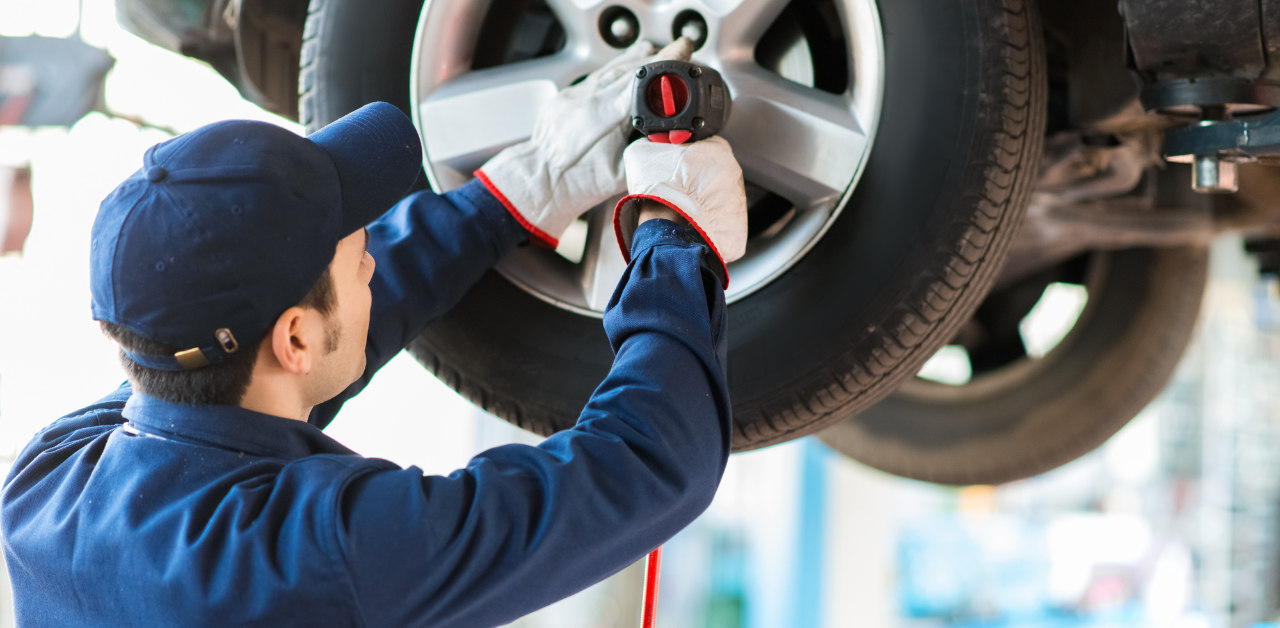
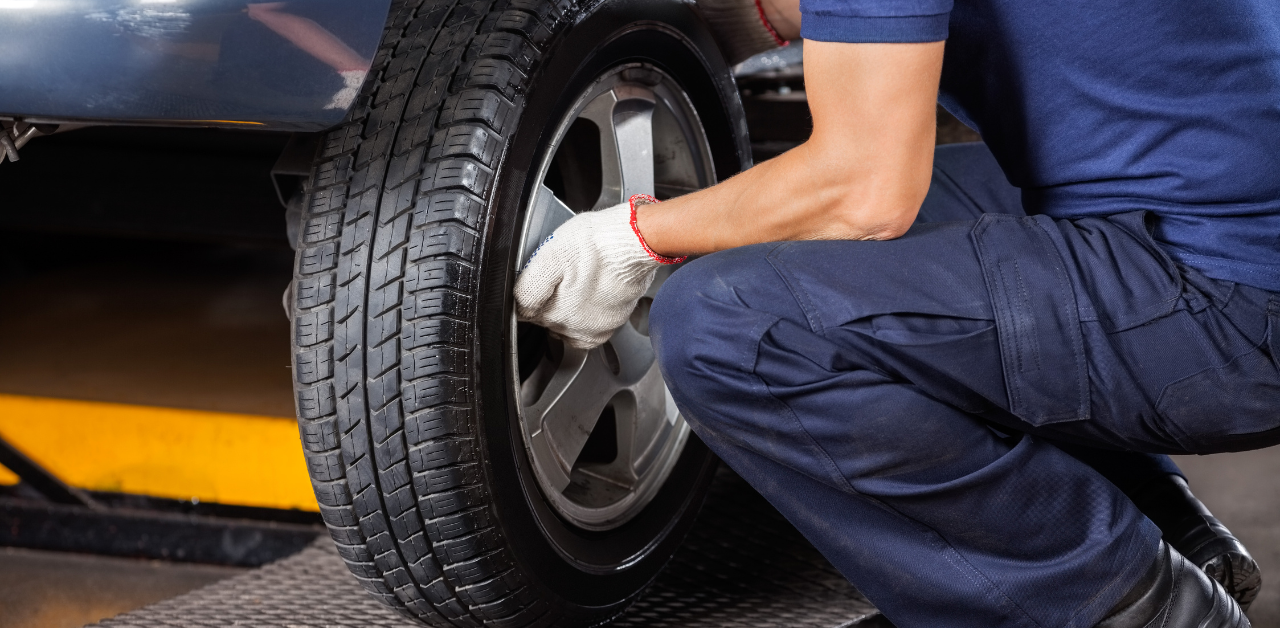
Mechanic repairs car tire in shop, part of the repair process after a car accident claim

Car Accident Caused by a Negligent Tire Shop

When the cause of a crash is linked to a car accident caused by a negligent tire shop, victims often feel overwhelmed and unsure of what to do next. Tire problems are hazardous because they affect vehicle control at all times. In fact, the National Highway Traffic Safety Administration reports that tire issues contribute to nearly 11,000 crashes each year, resulting in more than 600 deaths. A defective tire, improper installation, or careless repair work can cause someone to lose power without warning, leading to devastating consequences for both the driver and other road users. For over 29 years, Attorney Glenn Honda has helped individuals injured in accidents throughout Hawaii find justice and the financial relief they deserve. As the founding attorney of Recovery Law Center, he has fought for individuals who are victims of another person's negligence. If you were injured in a serious accident that a tire shop or auto repair shop contributed to, Recovery Law Center can help. Our law firm is dedicated to guiding victims through the legal process, pursuing justice and accountability, and securing fair compensation for all forms of harm suffered. Negligence in Auto Repair Shops A tire shop or auto repair shop takes on serious responsibility whenever it services a vehicle. When these businesses cut corners or perform careless repair work, the results can be tragic. Vehicle owners trust shops to keep cars safe, but failing to follow proper steps can create deadly hazards. Examples of negligence include: not tightening lug nuts using worn-out parts ignoring tread wear overlooking clear signs of a defective tire In some cases, shops may return a car without a final inspection, leaving drivers at risk of an accident caused by improper installation or unsafe maintenance practices. When negligence occurs, victims have the right to file a claim for negligence. The legal process requires showing that the repair shop owed a legal duty, breached that duty, and directly caused harm. At Recovery Law Center, we help victims build strong claims by uncovering proof that mistakes or shortcuts at a shop led to the crash. With our guidance, you can hold the liable parties accountable and demand compensation for the losses that resulted. Liability Beyond the Tire Shop: Other Liable Parties in Auto Accidents While a repair shop may be held liable, it is not always the only party at fault. Auto accidents caused by tire problems often involve multiple parties that are liable. For example, tire manufacturers may share responsibility if manufacturing defects or poor design contributed to the crash. Maintenance providers may also be at fault if they overlooked warnings or recommended unsafe parts during repair work. Sometimes, other drivers worsen the danger by reckless actions that combine with a mechanical failure, leading to a serious accident. When multiple liable parties are involved, our experienced attorney pursues each one to ensure full compensation. By broadening the scope of the investigation, we maximize your chances of a fair outcome and make sure no one who contributed to the accident escapes responsibility. Key Elements of a Negligence Claim Against Tire Shops To succeed in a negligence claim against a tire shop, you must present strong facts that show fault and damages. Courts and insurers look for specific elements before holding a repair shop or other parties liable for damages. Here’s what must be proven: Duty of Care: A tire shop or auto repair shop has a legal duty to perform safe repair work and return a roadworthy vehicle to its owner. Breach of Duty: A breach occurs when mechanics perform improper installation, ignore clear tread wear, or fail to identify obvious defects in a tire. Causation: The shop’s failure must be directly linked to the accident, showing that their mistakes contributed to the accident or caused the driver to lose control. Damages: Victims must prove actual harm that results in both economic and non-economic damages. Evidence: Strong evidence, like service records, accident reports, photographs, and testimony from qualified mechanics, supports the claim and demonstrates responsibility. The Serious Consequences of a Tire-Related Accident Tire failures can happen suddenly and without warning, turning an ordinary drive into a life-threatening situation. Some of the common challenges include: Severe Injuries to Drivers and Passengers: Tire blowouts or tread separation can cause sudden loss of control, often leading to rollovers, collisions, or ejections from the vehicle. Injuries range from broken bones to traumatic brain injuries. Increased Risk of Fatalities: Tire-related accidents are more likely to result in fatal outcomes because of the high speeds and sudden nature of these incidents, especially on highways or interstates. Property Damage: Besides vehicle destruction, tire accidents can cause damage to guardrails, road structures, or other vehicles involved in multi-car collisions. Traffic Disruptions: A single tire blowout accident can block lanes, create hazardous debris, and trigger chain-reaction crashes, resulting in hours of traffic congestion. Emotional and Psychological Impact Survivors of serious tire accidents often face post-traumatic stress, anxiety, or fear of driving, significantly affecting their quality of life. Financial Consequences Victims may face high medical bills, loss of income due to recovery time, vehicle repair or replacement costs, and long-term rehabilitation expenses. Legal Liability If the accident results from tire defects, improper maintenance, or negligence, lawsuits and liability claims can follow, potentially impacting drivers, manufacturers, and tire service providers. How Recovery Law Center Builds a Strong Case When you choose Recovery Law Center, you are placing your trust in a law firm with decades of hands-on experience. Our approach combines thorough investigation, professional insight, and clear communication to give victims the strongest chance of success. Here is how we build every case: 1. Comprehensive Investigation of the Accident We begin with a detailed investigation of the crash. This includes reviewing service records, accident reports, photographs, and interviewing witnesses. By examining every detail, we ensure that no evidence is overlooked. 2. Technical Review by Qualified Mechanics To establish experience and technical accuracy, we work with qualified mechanics who examine the tire, tread, and lug nuts. Their findings confirm whether the accident was caused by repair work, improper installation, or mechanical failure. 3. Determining Liability Across All Parties Our legal team evaluates the entire chain of responsibility. This includes the shop that performed the repair, maintenance providers, or even tire manufacturers if a defective tire or manufacturing defects are involved. 4. Calculating Damages and Losses We carefully document financial and personal harm, including medical expenses, lost wages, property damage, and non-economic damages like pain and suffering. This step ensures that claims accurately reflect the full value of the recovery. 5. Negotiating with Insurers and Litigating if Needed Once the evidence is secure, we present an apparent demand backed by proof of liability. If insurers refuse fair settlement, our experienced attorney is ready to take the case to court, using facts to demonstrate responsibility and seek justice. 6. Guiding Clients Through Every Step Throughout the legal process, we explain your legal options, update you on progress, and ensure you feel supported. This builds trust, keeps you informed, and allows you to focus on healing while we handle the fight for compensation. Contact Recovery Law Center for a Free Consultation If you were hurt in a car accident caused by a negligent tire shop, do not wait to take action. Recovery Law Center can help you determine liability, identify all liable parties, and fight for the compensation you deserve. Our experienced attorney and dedicated legal team will review your case, explain your legal options, and stand by you throughout the legal process. We are committed to helping you recover compensation, secure the full value of your case, and move forward with peace of mind knowing the liable parties have been held responsible. Get to know the car accident lawyers at Recovery Law Center and book a consultation today to get started. Let our experienced attorney, Glenn Honda, and dedicated team fight to secure the full value of your case and move forward with peace of mind knowing the liable parties have been held responsible.

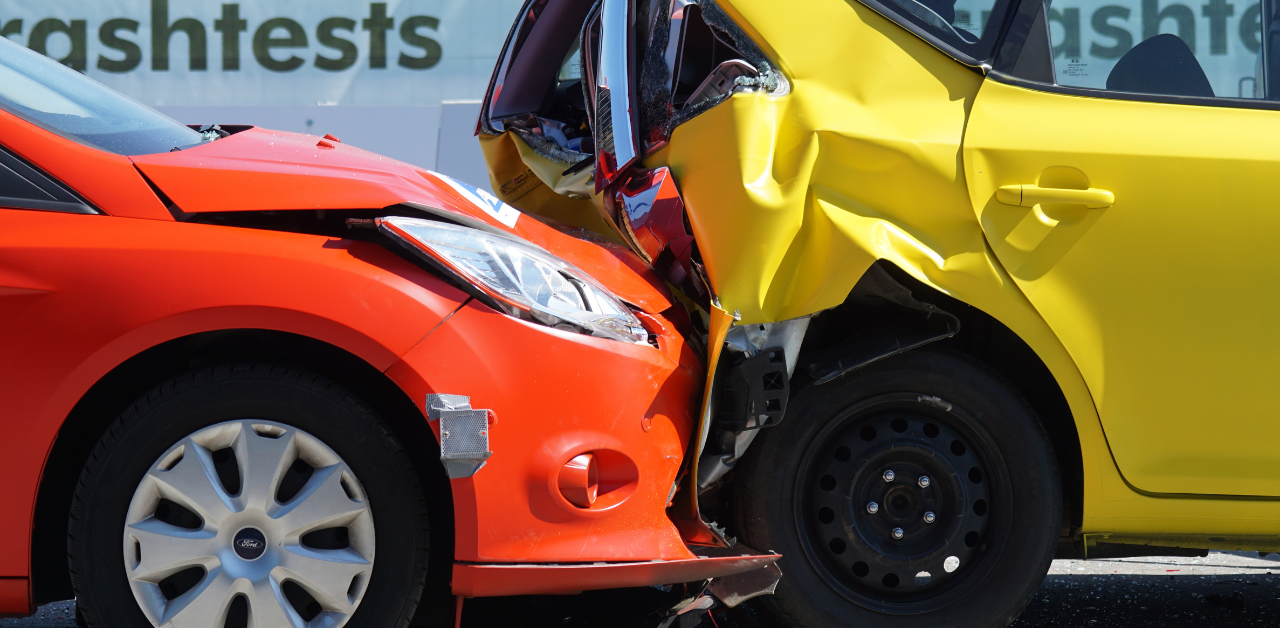
Crashed red and yellow cars in rear-end collision, showing accident impact on pedestrian safety

Car Accident Terms You Should Know

When a car accident occurs, the aftermath can be confusing and stressful. Injured individuals must contend with medical expenses, car repairs, and the insurance claims process. At the same time, they face calls from an insurance company, legal questions, and often pain and suffering from car accident injuries. Understanding important legal and insurance words can make a big difference. At Recovery Law Center, attorney Glenn Honda has spent over 29 years helping people in Hawaii who were injured in accidents. He knows that an informed injured party can make better choices. That is why learning car accident terms you should know is not just helpful, but it can also protect your rights. Our firm specializes in personal injury, and we strive to secure fair compensation for our clients. Why Knowing Car Accident Terms Protects You Legal and insurance terms may seem complicated, but they have a significant impact on every car accident case. For example, an at-fault driver may argue that an injured party failed to use reasonable care. An insurance adjuster may offer a settlement based on the actual cash value, rather than the replacement cost. Without understanding these terms, an injured person risks losing fair compensation. Knowing these words also helps when reading a police report, discussing physical injuries with doctors, or meeting with a lawyer. It ensures you can explain injuries caused by the crash, such as broken bones, neck injuries, or internal injuries. The more you understand, the more control you have over your recovery. Common Car Accident Injuries and Related Terms Car accident injuries range from mild to severe. Some common examples include: Soft tissue injuries: Damage to muscles, tendons, and ligaments. These may not be visible on scans but can still cause pain. Head injuries: From concussions to traumatic brain injury, these can change an injured person’s life. Spinal cord injuries: These may cause paralysis and require ongoing medical treatment. Back injuries and neck injuries: Often linked to rear-end collisions or head-on collisions. Broken bones and internal injuries: These physical injuries often lead to high medical bills. Psychological injuries: Conditions such as post-traumatic stress disorder and emotional distress. If you are involved in a car accident, always seek medical attention immediately. Even if you feel fine, injuries resulting from crashes sometimes appear later. Quick medical attention helps document the accident case and supports future claims. Insurance Company and Insurance Policy Terms After an accident occurs, dealing with an insurance company is unavoidable. These are some terms you should know: 1. Insurance Company and Insurance Adjuster After an accident occurs, the insurance company investigates the claim. An insurance adjuster is the person assigned to your case. Their job is to minimize payouts, not maximize your recovery. Be cautious when communicating with them; let your lawyer guide the conversation. 2. Insurance Claim and Claims Process An insurance claim is your formal request for accident benefits, including payment for car accident injuries, medical bills, and property damage. The claims process involves submitting documents, answering questions, and sometimes negotiating settlements. 3. Insurance Coverage and Insurance Policy Your insurance coverage depends on the insurance policy you purchased. Auto insurance policies outline liability coverage, bodily injury coverage, property damage limits, and additional coverage options, such as underinsured motorist coverage. Understanding your financial responsibility helps you know what the insurance company should pay. 4. Actual Cash Value and Actual Cash When your car is totaled in a car crash, insurers typically pay the actual cash value, which is the replacement cost minus depreciation. It’s not the full amount you paid for the car, but the market value at the time of loss. Legal Principles in a Car Accident Case Several legal principles shape how a car accident case works. These include: Legal responsibility: This determines who is liable for damages. The at-fault driver is usually legally responsible. Comparative negligence: A rule that reduces compensation if the injured party is partly at fault. For example, driving over the speed limit may lower recovery. Burden of proof: The injured person must provide evidence that the other party caused the accident. Reasonable care: Drivers must follow traffic laws and drive with due care and caution. Failure to do so is a wrongful act. Financial responsibility: The duty drivers are responsible for paying for damages when they are legally liable. Evidence Needed in a Car Accident Case Building a strong case requires further evidence. Common terms that cover this aspect include: Police report: An official document detailing how the accident occurred and the parties involved. Witness statements: Testimony from people who saw the car crash. Medical treatment records: Proof of injuries caused by the accident. Vehicle damage photos: Evidence of property damage and car accident injuries. Lost wages documentation: Pay stubs or employer statements showing missed work. Types of Car Accidents Car accidents can occur in various ways, depending on multiple factors. Here’s a breakdown of the common types of car accidents: Rear-end collisions Head-on collisions Running a red light Distracted driving accidents Drunk driving crashes One-way street mistakes Medical Terms Related to Car Accidents Understanding medical expenses and injuries resulting from car accidents is important: Bodily injury: Legal term for harm to the body, often covered under auto insurance. Physical injuries: Includes broken bones, back injuries, and soft tissue injuries. Future medical care: Costs expected long after the accident, such as surgeries or therapy. Primary Survey (ABCDE): Emergency trauma assessment: Airway, Breathing, Circulation, Disability, Exposure. Glasgow Coma Scale (GCS): Neurological scale to assess consciousness after head trauma. Cervical Spine Precautions: Measures to protect the neck and spinal cord during rescue. Trauma Code / Code Blue: Emergency alert in hospitals for critically injured patients. The Claims Process Explained Many injured parties are unfamiliar with the claims process. Here are some of the basic steps: An accident occurred, and the wounded party notifies the insurance company. An insurance adjuster investigates by reviewing the police report, witness statements, and vehicle damage. The injured person seeks medical treatment and provides evidence of car accident injuries. The insurance company offers a settlement based on insurance coverage and actual cash value. If the offer is unfair, a lawyer can file a personal injury claim in court. Recovery Law Center makes sure the injured person understands each step. We help provide evidence, negotiate with the other party, and if necessary, file a lawsuit. How Recovery Law Center Helps With Car Accident Terms You Should Know After being involved in a car crash, the parties involved often feel overwhelmed by the legal process. A car accident case is more than just telling your story. You need to provide evidence, understand what the insurance adjuster wants, and know what legal responsibility means. At Recovery Law Center, we guide each injured person through the legal process. Our team explains complex legal principles in plain language. If the other driver is at fault, we help prove negligence. If your auto insurance company denies coverage, we review the insurance policy and challenge the decision on your behalf. If you suffer serious injuries such as spinal cord injuries or traumatic brain injury, we calculate future medical care costs and fight for accident benefits. We also handle disputes about comparative negligence, underinsured motorist coverage, and the actual cash value of vehicles. With decades of experience, we understand how to handle insurance companies that attempt to minimize payouts. We help you recover damages for medical treatment, lost wages, and pain and suffering. And if you are unsure where to begin, we offer a free consultation. Your Advocate After a Car Accident Every car accident case is unique. The other driver may deny fault, or the insurance company may dispute coverage. But one fact remains: knowing car accident terms you should know makes the process easier. At Recovery Law Center, we fight for people in Hawaii who have been injured in car crashes. Attorney Glenn Honda has spent decades helping clients recover damages for medical expenses, lost wages, and emotional distress. He believes every insured person deserves fair treatment. If you or a loved one was involved in a car accident, contact us today for a free consultation. We will explain your rights, handle the insurance company, and ensure you receive the coverage and compensation you deserve.

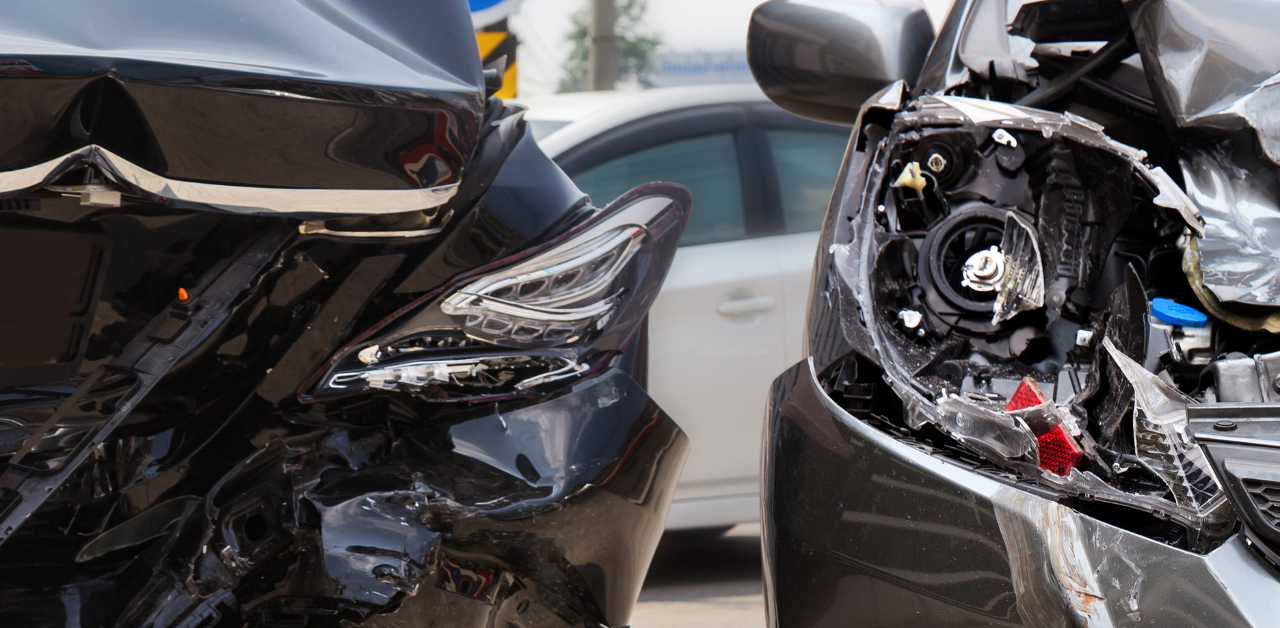
Two severely damaged car fronts after a collision, showing crash impact and pedestrian safety risk

Understanding Secondary Car Accidents

A secondary car accident happens when the initial collision leads to subsequent accidents involving other vehicles or hazards. These incidents often occur on busy highways or in heavy traffic, exacerbating an already challenging situation. Secondary accidents happen when drivers are unable to react quickly enough to avoid a stopped vehicle, debris, or the accident scene. Victims often face higher risks, greater injuries, and more complex legal issues compared to a single crash. A secondary collision may involve multiple drivers, raising questions about who is at fault and which insurance company should be held liable. At Recovery Law Center, we work to protect injury victims, ensuring they receive coverage for all damages they suffered. If you or a loved one was hurt in a secondary crash, our team can guide you through every step toward recovery. For over 29 years, attorney Glenn Honda and the Recovery Law Center have helped accident victims across Hawaii. Many people only consider the initial accident, but understanding secondary car accidents is equally essential. How Recovery Law Center Helps With Secondary Car Accident Claims Dealing with a secondary car accident can be overwhelming. With multiple drivers, unclear fault, and pushback from insurance companies, accident victims often need strong legal guidance. At the Recovery Law Center, we bring decades of experience and proven results to protect your rights and build a solid case. 1. Experienced Lawyers Who Understand Secondary Car Accidents Attorney Glenn Honda has over 29 years of hands-on experience helping injury victims in Hawaii. He and his team know how secondary accidents occur and why these cases can be more complex than a single initial accident. With real-world courtroom and settlement experience, our lawyers provide guidance you can trust. 2. Investigating the Accident Scene With Attention to Detail We carefully investigate every accident scene to uncover the truth. Our team collects witness statements, analyzes traffic signals, and reviews medical records to show how the secondary collision caused your injuries. We also consider factors such as distracted driving, excessive speeding, or poorly maintained roads. This evidence helps us establish liability and prove how a negligent party was responsible. 3. Standing Up to Insurance Companies for Fair Compensation Insurance adjusters often try to reduce or deny claims after a secondary car accident. They may argue that your injuries came only from the initial collision. At the Recovery Law Center, we counter these tactics. We negotiate directly with the insurance company, backed by medical proof and legal evidence, to make sure you receive fair compensation for your medical bills, lost wages, and pain. 4. Free Consultation and Client-First Support We believe every accident victim deserves to know their rights. That’s why we offer a free consultation today to explain your options. From the first call to your final settlement, our team is committed to protecting your future. We give you clear updates, honest advice, and trusted legal support at every step. What Is a Secondary Car Accident? A secondary car accident occurs after the initial collision, typically in situations where other vehicles are unable to stop in time. Imagine a car crash on a busy highway: the first impact blocks the road ahead, and seconds later, another driver hits the stopped vehicles. This creates a secondary crash, which can sometimes lead to a multi-vehicle collision involving multiple drivers. These incidents can happen in many ways. A rear-end collision may push one car into another, or a stalled vehicle may lead to a secondary collision when others are unable to react quickly. Unlike a simple accident, secondary accidents often involve other cars piling up at the scene. The more impacts that happen, the worse the injuries can be. For this reason, understanding how secondary accidents occur is important. Knowing the risks can help drivers stay alert, reduce negligence, and avoid being involved in a chain reaction crash. Determining Liability in Complex Secondary Accidents One of the most challenging parts of a secondary car accident is determining liability. With multiple drivers and repeated impacts, it can be hard to know who should be held liable. Did distracted driving cause the initial accident? Did excessive speeding make it impossible for other drivers to avoid the crash? Or did poorly maintained roads contribute? In addition, insurance companies may argue that the injuries came from the initial collision, but careful investigation often proves otherwise. By analyzing medical records, reviewing the chain of impacts, and documenting how secondary accidents occur, Recovery Law Center shows the actual cause of harm. This process enables the pursuit of compensation and holds every responsible party accountable. At Recovery Law Center, our firm investigates every angle to establish liability. We review evidence and collect witness statements to identify each negligent party. We also consider factors like visibility, traffic signals, and weather conditions. Each example of negligence matters when building a case. Common Secondary Car Accident Injuries Secondary car accidents create more damage than the initial collision, leaving victims with long-lasting physical and emotional harm. Here are the most common injuries documented when pursuing fair compensation for our clients. Head and brain trauma Spinal cord and back injuries Fractures and broken bones Soft tissue damage Internal injuries and cuts Psychological trauma How Insurance Companies Handle Secondary Collisions After a secondary crash, the insurance company is often quick to dispute claims. Adjusters may argue that your injuries came from the initial collision or blame other vehicles for the harm. They may also delay your insurance claim, deny specific medical bills, or offer far less than what’s needed to cover expenses. This is why having lawyers from Recovery Law Center matters. We understand how insurance companies work and fight back with solid evidence. We use medical records, photos from the accident scene, and witness statements to prove the impact of the secondary accident. We also show how subsequent accidents created new harm that deserves separate coverage. Our goal is to help every accident victim receive fair compensation. With our guidance, you don’t have to face aggressive adjusters alone. Instead, you gain an advocate who knows how to challenge unfair offers and secure the best outcome for your case. Call Recovery Law Center for a Free Case Evaluation Today If you were hurt in a secondary car accident, don’t wait to get help. The longer you wait, the harder it becomes to prove fault and protect your rights. At Recovery Law Center, we assist clients in filing insurance claims, determining liability, and advocating for the compensation they deserve. That includes covering long-term medical care costs. Contact us today to schedule your free consultation and let us work toward the justice and recovery you deserve.

Driver using a phone behind the wheel, showing distracted driving risks to pedestrian safety

7 Causes of Car Crashes in Honolulu

Every year, people in Honolulu are hurt or lose loved ones in car accidents on busy Hawaii roadways. Many of these crashes bring serious injuries, high medical costs, and even traffic-related deaths. Families often face life-altering consequences, from a spinal cord injury to a brain injury that changes the course of someone’s life. At Recovery Law Center, we meet accident victims who never thought one ordinary day on the highways could leave them with severe injuries, multiple fractures, or catastrophic injuries that require long recovery and support. This page explains the 7 causes of car crashes in Honolulu, how Hawaii law applies, and what our firm can do if you or a loved one is injured in a collision. 1. Distracted Driving Distracted driving remains one of the leading causes of accidents in Hawaii, particularly in Honolulu. Motorists juggling cell phones, food, or conversations with a passenger often miss what’s happening around them. A single glance away from the road can cause a crash, leading to serious injuries or even death. On busy highways, where two lanes of vehicles move quickly, distractions increase the likelihood of road accidents and traffic fatalities. A police officer responding to a scene of distracted driving often finds accident victims with injuries that could have been avoided. Emergency responders treat wounds ranging from severe injuries to catastrophic injuries, including brain injury or spinal cord injury. These accidents also create significant property damage, sometimes leaving pedestrians in a marked crosswalk exposed to the careless acts of other drivers. 2. Speeding on Hawaii Roadways Speed limits exist for a reason, but many drivers ignore them. Speeding and excessive speed are significant contributors to road accidents in Honolulu. When vehicles travel faster than conditions allow, other motorists and pedestrians face a much higher risk of collision. The likelihood of severe injuries, multiple fractures, or even death rises sharply as speed increases. On Hawaii roadways, a driver going too fast has less time to react to sudden changes, such as poor road conditions or a pedestrian entering a marked crosswalk. Police and the Honolulu Police regularly issue citations, but enforcement cannot undo the damage after a high-speed crash. Families dealing with traffic fatalities or life-altering consequences are left to manage grief, medical costs, and disruption to their lives. 3. Impaired Driving Under the Influence Impaired driving under the influence of alcohol or drugs is another leading cause of traffic deaths in Honolulu. An impaired driver puts pedestrians, passengers, and other motorists at grave risk may: Drift across two lanes Run a red light Ignore a marked crosswalk Our legal team at Recovery Law Center helps families pursue a personal injury lawsuit or wrongful death claim against an impaired driver. Through strong legal action, we aim to reduce the burden on families and honor the memory of those lost to fatalities caused by impaired driving. 4. Poor Road Conditions and Unsafe Hawaii Roadways Not every accident in Honolulu is caused by reckless drivers. Poor road conditions also contribute to a significant number of crashes. This includes: Potholes Faded lane lines Broken guardrails In Hawaii, dangerous road conditions increase the risk of accidents. In some cases, something as simple as a missing booster seat or a poorly designed intersection adds to the danger. When collisions stem from neglected highways or unsafe city streets, responsibility may fall partly on the Hawaii Department of Transportation or other state and local agencies tasked with maintaining public safety. For motorists, the consequences of unsafe roads can be devastating. A sudden jolt from a pothole may cause a vehicle to cross multiple lanes, potentially resulting in a collision. Pedestrians are also at heightened risk. Crossing at an unmarked or poorly lit area can lead to severe injuries or even fatalities. At Recovery Law Center, we investigate these cases thoroughly by reviewing road designs, maintenance records, and relevant safety laws. Our legal team works to hold negligent agencies accountable when they fail to protect the public. 5. Negligent Drivers and Reckless Actions by Other Motorists Many collisions are caused not by outside factors but by negligent drivers who ignore laws and basic rules of responsible driving. When a driver cuts across two lanes without signaling or refuses to yield at a marked crosswalk, the result is often a serious accident. These actions put other drivers, pedestrians, and passengers at risk of injury or death. 6. Pedestrians and the Risk of Traffic Fatalities in Honolulu Honolulu has some of the busiest pedestrian areas in the state, making pedestrians especially vulnerable to road accidents. A single careless driver who fails to stop at a marked crosswalk or speeds through an intersection can cause traffic fatalities in an instant. These tragic traffic-related deaths often involve victims walking home, going to work, or simply trying to cross safely. 7. Multiple Vehicles and Chain Reaction Collisions On Honolulu’s congested highways, multiple vehicles are often involved in chain-reaction collisions. One driver stopping suddenly or swerving can set off a series of impacts that injure other motorists and passengers. These road accidents are dangerous because the scene becomes chaotic, making it hard for police officers and emergency responders to determine who was at fault. The injury from these crashes can be widespread. Victims often suffer multiple fractures, severe injuries, or brain injury when vehicles collide at high speeds. In some cases, fatalities occur, leaving behind grieving families and unanswered questions. How Recovery Law Center Helps Victims of Car Accidents in Hawaii Recovering from a car accident in Hawaii can feel overwhelming. Between dealing with injuries, medical bills, missed work, and the stress of insurance claims, many people don’t know where to turn. Recovery Law Center steps in to shoulder that burden, allowing clients to focus on their healing. 1. Listening First The first step is always to understand the client’s story. Every crash is different, and so are the people involved. By listening closely, the firm learns how the accident has affected the client’s health, family, and livelihood. That personal connection shapes the legal strategy moving forward. 2. Handling the Insurance Process Insurance companies often move quickly after an accident, pushing low settlements or making the process confusing. Recovery Law Center takes over those conversations, making sure clients aren’t pressured or misled. They fight for a fair resolution that reflects the actual cost of the injuries. 3. Building a Strong Case From gathering police reports to speaking with witnesses and reviewing medical records, the firm handles the details that can make or break a claim. They work methodically to not only determine who was responsible for the crash, but also to fully assess the extent of the harm suffered. 4. Focusing on Full Recovery Compensation is about more than paying bills. It’s about helping people rebuild their lives. Recovery Law Center pursues damages for medical treatment, lost wages, long-term care, and the personal losses that come with serious injuries. 5. Rooted in the Community Based in Honolulu, the firm understands the local courts, communities, and unique challenges people in Hawaii face. Clients aren’t treated like case numbers. They’re community members who deserve respect, care, and an advocate they can trust. Contact Recovery Law Center for a Free Consultation Today Car crashes in Honolulu often stem from a mix of human error, roadway challenges, and preventable risks. By understanding the leading causes, we can all take steps to make our roads safer. Unfortunately, even the most cautious drivers may still be affected by someone else’s negligence. When that happens, having the right legal support matters. At Recovery Law Center, we are committed to helping crash victims hold careless drivers accountable and pursue the compensation they need to move forward. Contact us today to complete our online form to schedule a free case review.

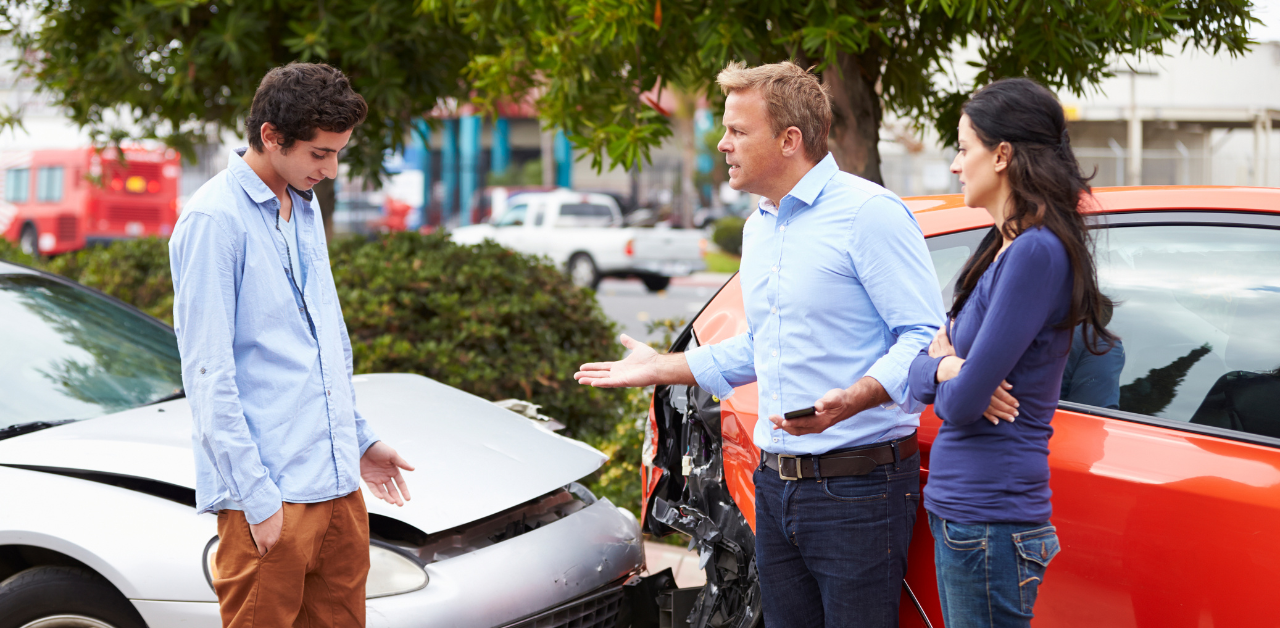
Two men argue next to damaged cars after a crash, with a woman standing by listening

How Do I Reduce My Portion of Fault for a Crash?

If you've recently been in a car accident and you're being blamed, you may be wondering, "How do I reduce my portion of fault for a crash?" Fault matters because it impacts your ability to recover compensation and how much you can claim. Even if you're only partially responsible, insurance companies may use that to lower or deny your payment. At Recovery Law Center, we work with people across Hawaii to help them deal with unfair blame. Sometimes, drivers are wrongly accused because the facts weren’t fully understood. Other times, insurance adjusters assign fault based on limited information. We help you take the right steps after an accident so that your rights are protected. Reducing fault starts from the moment the accident occurs. What you do and say at the scene, the evidence you collect, and how you deal with insurance adjusters all play a role in determining fault. Taking the right steps can reduce your portion of responsibility and help you recover a fair settlement. How Does Fault Work in a Car Crash Fault is assigned based on what happened before and during the accident. Police officers may include fault opinions in the official police report, but those aren't always final. Insurance companies do their own review. They use evidence like police reports, medical records, damage photos, and witness statements to decide who was at fault. In a car accident case, multiple drivers may be involved. Fault determination helps figure out how much each person contributed. This percentage plays a big role in car accident claims. If you're found to be more than 50 percent at fault, Hawaii law says you may not be able to recover compensation. Each insurance provider may look at fault differently. Your driver's insurance company might say you’re responsible. In contrast, the other driver's insurance company says otherwise. Because fault affects your insurance coverage, your ability to file an injury claim, and even your car insurance rates, it’s essential to understand the process and take action if the fault assigned is incorrect. What Happens if You're Partially at Fault? Even if you're partly to blame, you can still get compensation. Hawaii follows a modified comparative negligence rule, which means you can recover damages as long as you're less than 51% at fault. However, your payout will be reduced based on your level of responsibility. For example, if your damages from a car crash total $80,000 and you're found to be 25% at fault, you'd recover $60,000. The same math applies whether you're dealing with medical expenses, lost wages, or emotional distress. This is why it's so important to avoid admitting fault and to gather strong evidence early on. Car insurance companies will often look for ways to show you share some blame. Even being 10% at fault reduces what you’re paid. And that share of fault also affects your car insurance premiums later. Working with a car accident lawyer can help reduce your assigned fault and make sure your side of the story is heard. What Insurance Companies Look At When Assigning Fault Insurance companies are in the business of reducing what they pay. That’s why they examine every detail to assign fault. They’ll request statements from all drivers involved, review the official police report, look at photos from the accident scene, and analyze vehicle damage. Some may bring in accident reconstruction specialists to recreate how the crash happened. They’ll also look at traffic laws to see if someone ran a red light, failed to yield, or changed lanes without signaling. If multiple parties were involved, they might divide fault among themselves to avoid paying the full amount. Your insurance provider and the other driver's insurance company may come to different conclusions. This can delay or reduce your settlement. You’re allowed to challenge their decision. Don’t assume that the first decision is final. Avoid talking too much to the other driver’s insurance company. They may twist your words to make it seem like you're the at-fault driver. Stick to the facts or allow a car accident attorney to speak on your behalf. How to Dispute Fault Assigned by Insurance Companies Insurance companies don’t always get fault right. If you've been in a car accident and believe you're being blamed unfairly, here’s how to challenge that decision using reliable steps rooted in lived experience and proper documentation: Request the Fault Assessment: Ask the insurance adjuster for a copy of the fault determination. You have the right to see how they reached their decision. Review the Official Police Report: Check the police report for errors or missing details. Sometimes, what’s recorded doesn’t match what happened at the accident scene. Gather Your Supporting Evidence: Collect clear photos, videos, and any other visual proof from the crash. These help show what happened and where vehicles were positioned. Include Medical Records and Bills: Show medical records that document your injuries. This helps link your physical harm directly to the car crash, proving damages. Use Witness Statements: Contact anyone who saw the crash. A neutral third-party statement can support your side and reduce your assigned fault. Request an Accident Reconstruction (if needed): In complex cases, a reconstruction expert can show the sequence of events and challenge the insurance company’s version. Document All Communication: Save every email or letter from your insurance provider or the other driver’s insurance company. Keeping a record protects you from unfair changes in their position. Avoid Speaking Without Representation: If the other driver's insurance company calls you, don’t share too much. It’s safer to talk only to your own insurer or get advice from a personal injury lawyer first. Consult a Car Accident Lawyer Early: A car accident attorney can step in to dispute the fault assignment directly and ensure your rights are protected. Challenge the Decision in Writing: If needed, submit a written dispute with your evidence to your insurer. Keep a copy of everything you send. Follow Up Consistently: Don’t assume your dispute is being handled. Follow up regularly to make sure your case is being reviewed fairly. Don’t Accept a Low Settlement Based on Fault: If your portion of fault is too high and affects your settlement, you can negotiate. You are not required to accept an unfair offer. Each of these steps builds trust and supports your case. When you respond with facts and documentation, you give insurance companies fewer chances to assign blame without proof. You also protect your ability to recover compensation and avoid long-term impacts on your car insurance rates. Why You Should Avoid Admitting Fault After a crash, emotions run high. It's normal to feel overwhelmed, but be mindful of what you say. Even if you think you caused the accident, you may not know all the facts yet. Avoid saying things like “I’m sorry” or “It was my fault.” Admitting fault at the accident scene can hurt your injury claim later. It can also make it harder to reduce your portion of blame, especially if the other driver says something different to their insurance company. Wait for the investigation. The official police report, medical records, and photos may show that the other driver was speeding, distracted, or failed to stop. These facts can shift the blame away from you. Remember, fault affects more than just your settlement. It can raise your car insurance rates and limit how much your insurance provider is willing to cover. The less fault assigned to you, the stronger your case becomes. What If the Other Driver Tries to Shift Blame? Many drivers don’t want to be held responsible. That’s why they may say you caused the crash, even when they know you were speeding, not paying attention, or making illegal turns. Insurance adjusters may take the other driver’s word over yours, especially if you didn’t collect enough evidence. That’s why photos, the official police report, and witness statements are so important. The other driver’s insurance company might even accuse you of being partially responsible. This could reduce your settlement or delay your insurance claims. If that happens, you have the right to push back and provide proof of your side of the story. Car accident fault is not always clear. When fault determination is disputed, it helps to have an experienced attorney gather facts and challenge unfair blame. At Recovery Law Center, we’ve helped many clients reduce their share of fault by building solid cases backed by evidence. Multi-Vehicle Accidents and Shared Fault In accidents with multiple parties, fault is often divided. If three or more drivers are involved, insurance companies may assign each a percentage of responsibility. For example, one driver might have made an illegal turn while another was speeding. In these cases, your goal is to show that your actions didn’t significantly contribute to the crash. Otherwise, fault could be unfairly assigned to you. Multi-car accidents can be confusing. Sometimes it's unclear who hit whom first. This is where accident reconstruction and detailed documentation come in. The more you can prove about where you were and how the crash happened, the easier it is to reduce your share of blame. Your car accident case becomes more complicated when multiple insurance providers are involved. They may argue over who pays what. Having legal support can help protect your interests when fault is being divided among the drivers involved. How Recovery Law Center Can Help With Fault Disputes At Recovery Law Center, we work with people who are being unfairly blamed for crashes. When a fault is disputed, we constantly push for fair settlement offers. We understand how comparative fault rules work in Hawaii. If your share of fault is too high, it could cost you your chance to recover damages. We work to reduce that percentage by showing facts that the insurance company might have missed. If you're dealing with high medical expenses, lost income, or pain after a crash, don’t settle for less than you deserve. We’re here to help you protect your rights. Contact us today to schedule a consultation online for a free case review.

A smart car dashboard shows navigation and warning alerts using augmented reality while driving

Can Technology in Cars Sense a Drunk Driver?

Drunk driving remains one of the leading causes of road deaths in Hawaii. According to Hawaii Health Matters, 32.3% of fatalities involve DUI. Despite public safety campaigns and legal limits, alcohol impaired driving continues to take lives and cause serious injuries. Thanks to laws like the bipartisan infrastructure law, the federal government is pushing automakers to include alcohol detection systems in newly manufactured vehicles. These systems are meant to prevent drunk driving accidents before they happen. Cars can now use sensors, cameras, and other tools to check if a driver is impaired, such as having a high blood alcohol level or showing unusual driving behavior. Technology alone will not solve the problem, but it could be an important step in lowering drunk driving accidents. With the right systems, lives can be saved and crashes reduced. As legal professionals at Recovery Law Center, we often work with people hurt by drunk drivers. The question many now ask is: can technology in cars sense a drunk driver? The answer is yes, and the technology is improving fast. With new passenger vehicles rolling out every year, features that detect a drunk driver are beginning to appear. How Alcohol Detection Technology Works in Cars Modern cars are being built with detection systems designed to measure a driver’s condition before and during travel. These systems can identify if a person behind the wheel is drunk by using different types of alcohol detection. One type uses infrared light to measure alcohol in a driver’s breath without needing them to blow into a device. Another type is touch-based and uses sensors on the steering wheel or ignition system to detect blood alcohol content through the skin. The driver alcohol detection system doesn’t ask the driver to take any action. It works quietly and automatically, which helps prevent delays or resistance. Once alcohol is detected, the system can disable the ignition system, stopping the vehicle from starting. This level of automation is what separates today’s systems from older interlock devices. The DADSS program, a public-private partnership, is behind much of this research. It focuses on building technology that can prevent impaired driving through passive monitoring. This means drivers won’t notice the test happening. These systems aim to prevent drunk driving crashes without adding steps for the driver. If the legal limit is reached or passed, the vehicle won’t move. Limitations and Challenges of Detection Technology Although these systems show promise, they also raise concerns. One issue is false positives. A detection system might stop a sober driver from operating a car if the sensors misread their condition. For example, using hand sanitizer before touching the steering wheel could confuse a touch sensor. These kinds of errors are being worked on, but they remain a concern. Another challenge is cost. While newer cars will likely include detection tools, millions of older vehicles won’t. This creates a gap between those who can afford new cars and those who can’t. Drunk driving is not limited by income, so leaving out large groups of drivers may weaken the impact. Another issue is who can access the data from these systems. People have raised privacy concerns. If alcohol levels are found, will the information go to law enforcement, insurance companies, or stay private? These rules are still being decided. Prevention matters, but it should be balanced with driver rights and fair use of the technology. The Role of DADSS and Public-Private Partnerships The Driver Alcohol Detection System for Safety, or DADSS, has been a driving force behind the development of impaired driving prevention technology. It is a public-private partnership between automakers and the federal government, designed to create safety tools that can be used in real cars. Unlike ignition interlocks used for people with prior DUI convictions, DADSS aims to use passive systems that require no effort from the driver. These systems are being developed to test for alcohol levels in real time without requiring the driver to stop or interact with the equipment. Using advanced sensors and cameras, the system can check for alcohol in the breath or skin, and if the driver’s blood alcohol content is above the legal limit, the car stays off. DADSS is also testing its systems with real families and professional drivers to ensure accuracy. This includes measuring system reliability in a range of weather and driving conditions. The goal is for detection technology to be added to all new cars without affecting driver comfort or experience. As these systems improve, more companies, including trucking companies, are watching closely, knowing the benefit of stopping drunk drivers before a trip even begins. How This Affects Drivers and Road Safety Once these systems are in place in all new vehicles, the landscape of road safety may shift. Today, law enforcement, road signs, and personal responsibility are the primary tools used to prevent drunk driving. But with detection systems built into cars, vehicles themselves will take an active role. Drivers won’t be able to start the car if alcohol is detected, and alerts may sound if someone shows signs of impairment while driving. This technology is also being tested in autonomous vehicles, where systems need to take control if a human driver becomes impaired or unresponsive. These vehicles are learning to detect when the person in the driver’s seat is unsafe, using: Behavior patterns Touch sensors Eye tracking For parents and employers, these systems offer peace of mind. It gives families a new way to protect loved ones from alcohol related crashes. For drivers of commercial or trucking vehicles, it provides added safety and helps prevent legal consequences from impaired driving. Over time, this could lead to fewer deaths, fewer crashes, and fewer people hurt by drunk drivers. What Recovery Law Center Wants You to Know At Recovery Law Center, we often represent victims injured in drunk driving crashes. Every crash involving a drunk driver is preventable, and we believe that drivers, carmakers, and lawmakers each have a role to play in improving road safety. While detection systems are not perfect, they offer a new way to stop drunk driving before it happens. If you or someone you care about was hurt in a crash where alcohol played a role, our team can help you understand your legal options. Whether the driver was impaired or a system failed to stop them, you may be entitled to compensation for medical costs, missed work, and long-term effects. The future of transportation is changing. Detection technology might soon be in every car, helping to prevent drunk driving from ever happening. But until then, the law remains clear: if someone drives drunk and causes harm, they are responsible. At Recovery Law Center, we’re here to support those affected by drunk drivers and hold the right people accountable. If you or your family has been affected by a drunk driving accident, contact us today for a free consultation. Let us help you take the next step toward recovery.

Person sitting on the floor with head in hands, appearing distressed in a dark setting

Accident Victims Often Suffer Post-Traumatic Stress

When someone survives a car accident, their brain and body react to danger. This is normal. What isn’t normal is when those reactions don’t stop. Initial posttraumatic stress responses, like nightmares or panic attacks, may fade with time. But for some car accident survivors, the stress sticks. They avoid driving, lose sleep, or relive the moment of impact. These reactions can grow into posttraumatic stress disorder. This condition affects memory, behavior, and emotion. Victims may feel unsafe even in normal settings. They may also develop a deep fear of driving or riding in vehicles. That fear can lead to feelings of isolation or difficulty maintaining a job. Accident victims who experience emotional changes after a crash should talk to a mental health professional early. Recovery Law Center often refers clients to care providers and tracks how the condition affects work, income, and personal life. All of this can factor into seeking fair compensation for the crash. Understanding Post-Traumatic Stress Disorder in Motor Vehicle Accident Survivors PTSD is a psychiatric condition that can develop after a traumatic event like a serious motor vehicle accident. Not everyone who survives a crash will develop it, but many do, especially if they thought they might die or saw someone else injured. Motor vehicle accident victims are among the largest groups reporting PTSD symptoms. According to the research from NIL, victims of motor vehicle accidents show depression rates ranging from 21% to 67%, anxiety from 4% to 87%, and PTSD from 0% to 100%. Studies on general traumatic injuries report depression rates between 6% and 42%, anxiety between 4% and 24%, and PTSD typically between 10% and 30%. Another review found PTSD rates between 2% and 38% a year after injury. These psychological issues can significantly affect recovery. Conditions like depression and PTSD, shortly after injury and up to six months later, are linked to lower quality of life, including reduced mobility, physical function, and social engagement. Emotional distress and PTSD symptoms after injury, especially in cases like whiplash, also predict greater pain and disability within six months. Doctors diagnose PTSD using standards from the Diagnostic and Statistical Manual, a widely used guide in psychiatry. A proper PTSD diagnosis includes checking for symptoms that last longer than one month and cause major disruption. Common Physical Injuries and Psychological Outcomes In many cases, the physical and emotional effects of a crash often coincide. Physical injuries like broken bones, concussions, or spinal damage are often the focus right after the crash. But these injuries can also increase the risk of post-traumatic stress symptoms, especially when they limit daily movement or require long-term care. For example, a person who can't drive due to back pain may become anxious about getting behind the wheel again. Pain can interrupt sleep, reduce social interaction, and raise stress levels. These factors contribute to psychological distress over time. Recovery Law Center examines the comprehensive picture, including medical reports, therapy progress, and personal statements from those close to the client. This helps show how deeply the injury affects a person’s life and supports PTSD claims in personal injury cases. Risk Factors That Increase the Chance You Develop PTSD Not everyone who survives a motor vehicle crash develops PTSD. However, some people are more likely than others to experience post-traumatic stress. These risk factors include: The seriousness of the crash and any serious injury. Whether the person lost consciousness or feared for their life. Previous mental health issues or previous trauma, such as abuse or military service. Lack of family or emotional support after the crash. Ongoing legal or financial stress. Certain demographic and clinical characteristics can also play a role. Younger people, women, and those with lower income levels may be more likely to show PTSD symptoms. Understanding these risks helps medical providers and legal teams prepare early. At Recovery Law Center, we listen closely to how the crash happened and how it’s affecting your life now. This context is key when we build a claim for financial recovery. From Traumatic Incident to PTSD Diagnosis Getting a proper PTSD diagnosis after a crash is important. It confirms that symptoms are part of a recognized condition, not just random emotions. Doctors look at how long the symptoms have lasted, how severe they are, and how they affect daily life. A traumatic incident like a motor vehicle accident can lead to several mental health issues, but PTSD has its own set of signs. To diagnose PTSD, a mental health provider may ask about flashbacks, mood swings, sleep issues, and feelings of fear or helplessness. It’s common for accident victims to delay seeking help. Some think the feelings will go away on their own. But early diagnosis can lead to better outcomes. If you’re struggling after a car crash, Recovery Law Center can help you get the documentation you need, from therapy notes to hospital records, so your PTSD claims are taken seriously in any personal injury process. How Doctors Assess PTSD Symptoms and Physical Symptoms Doctors use a mix of conversation, questionnaires, and medical history to understand the full range of PTSD symptoms. A common tool is the PTSD scale, where patients rate how often they experience flashbacks, fear, or avoidance behaviors. A full PTSD assessment may also cover physical symptoms like headaches, sleep problems, or fatigue. These signs may not appear on an X-ray but still have a major effect on daily function. By tracking both emotional and physical reactions over time, providers create a full picture of the person’s mental and physical state. This helps not only with treatment but also with personal injury cases. Strong documentation supports the fact that the crash had deep effects. Recovery Law Center encourages clients to attend all therapy sessions and save records. These reports help prove the condition and show progress or setbacks during PTSD treatment. Treatment Options: Therapy, Anti-Anxiety Medications, and Support Once post-traumatic stress is diagnosed, treatment often includes a combination of therapy, medication, and support. One common approach is cognitive behavioral therapy (CBT), where patients learn how to manage fear, change harmful thought patterns, and slowly re-engage with activities they’ve avoided since the crash. In cases where symptoms are more severe, doctors may prescribe anti-anxiety medications to reduce panic attacks and help with sleep. Many PTSD patients find it helpful to talk with others who’ve had similar experiences. Support groups (online or in-person) give motor vehicle accident survivors a space to share what works for them. Treatment timelines vary. Some people improve in a few months. Others need longer-term care. Recovery Law Center works with your treatment team to gather updates, ensuring your case reflects the full picture of your recovery journey. If PTSD continues to affect your work, income, or relationships, we include that in your case to help you seek fair compensation for emotional and physical harm. The Cost of Healing: Medical Expenses, Lost Income, and Financial Recovery Therapy sessions, medications, and regular visits with a mental health professional can become expensive. Add this to medical bills for physical injuries, lost wages, and home modifications, and the total grows fast. Some people also require assistance with daily activities or transportation if they are unable to drive after a car crash. Over time, these hidden costs accumulate, especially when a person is unable to return to work or is forced to accept a lower-paying job. At Recovery Law Center, we track all medical expenses and other losses related to your accident. This helps create a clear picture of the true cost of the injury. When building your case, we look beyond the hospital visit. We focus on long-term impacts and help clients pursue financial recovery from the party responsible for the accident. Fair Compensation for Mental Anguish and Emotional Distress Many car accident victims assume that only physical pain counts in a legal claim. But South Carolina allows compensation for mental anguish, too. Emotional harm is real, and when supported by clear records and a proper PTSD diagnosis, it has legal weight. Your case may include damages for: Pain and suffering Emotional distress Counseling or PTSD treatment costs Lost enjoyment of life Each case is different. Some victims may need long-term therapy. Others may face lasting anxiety about driving. When we calculate damages, Recovery Law Center looks at how the PTSD affects your relationships, job, and peace of mind—not just your hospital bill. We work closely with your healthcare team and collect strong evidence of how PTSD affects your life. This approach helps make sure your settlement reflects not only your medical needs but also your emotional recovery after a motor vehicle accident. How Recovery Law Center Supports Accident Victims With Post-Traumatic Stress At Recovery Law Center, we’ve seen firsthand how deeply a car accident can affect someone’s mental health. Our team listens, keeps detailed records, and works with each client’s care providers to understand how post-traumatic stress is shaping their daily life. Whether you’re struggling with intrusive memories, sleep loss, or fear of driving, we can help you build a case that fully reflects your experience. We help clients gather the necessary records, therapist reports, and supporting documents to build a strong claim. We handle communication with insurance companies and fight for fair compensation while you focus on recovery. For many motor vehicle accident victims, just making that first call for help can feel overwhelming. We make that step easier by being clear, respectful, and ready to listen. If you or someone in your family is showing signs of PTSD after a crash, don’t wait. Contact us today for a free consultation. Your emotional recovery matters, and it deserves compensation under the law.

Auto technician in gloves crouches while installing or inspecting a tire on a vehicle in a garage

Re-Tire Your Old Tires

Old tires aren’t just worn—they’re dangerous. According to the NHTSA, 646 traffic fatalities occurred in tire-related crashes in 2023. Many of which were caused by blowouts, tread separation, or poor traction. At Recovery Law Center, we recognize the dangers posed by the improper disposal of used tires, aging rubber, and other materials, which can lead to devastating accidents. Some drivers unknowingly buy unsafe used tires or keep driving on old ones long past their safe lifespan. If a shop sells you bad tires or fails to inspect them, you may have a strong injury claim. Tire disposal services, recycling centers, and shops that offer free disposal or even pay for used tires can help you stay safe and eco-friendly. Don’t wait—re-tire your old tires and choose new ones before it’s too late. If you’ve been hurt due to someone else’s negligence with tires, we’ll help you get answers—and fight for the compensation you deserve. Why You Should Re-Tire Your Old Tires Before It’s Too Late Tires are the only point of contact between your car and the road. If your tires are past their prime, you're inviting risk. Old tires lose grip, can't expel debris properly, and have compromised rubber structures. This makes them more likely to lift or blow out at high speeds or during emergency braking. Poor tire condition is often cited as a contributing factor in crash investigations. It affects stopping distance, steering response, and the risk of hydroplaning. If an accident occurs, courts may examine whether the vehicle owner failed to dispose of old tires in a timely manner or ignored visible signs of wear. This can reduce your compensation, even if another driver was at fault for the crash. At Recovery Law Center, we help injured drivers show that external objects, not old tires, were to blame. But your best defense starts before the accident by regularly checking the tread, watching for wear patterns, and replacing tires before they fail. Don’t let your legal case suffer because you skipped a simple safety check. Re-tire your old tires and document your maintenance records. It may just save your case—and your life. Legal Liability and Tire Safety: How It Affects Personal Injury Cases Tires play a bigger role in personal injury cases than most people realize. If you're involved in a car accident, investigators and insurance adjusters will likely inspect your car's tires for signs of wear, debris, or neglect. If your tires are bald or too old and that condition contributed to the accident, your case could be weakened. Conversely, if tire debris, junk, or defective new tires caused the accident, the manufacturer or distributor could be held liable. Our legal team at Recovery Law Center specializes in uncovering the truth: Did the shop sell unsafe used tires? Was there a failure to warn about aging rubber or tire piles near the roadway? Did improper disposal create an obstacle that caused a crash? We handle cases involving everything from roadside hazards to spills of crumb rubber that affect traction. Our goal is to maximize your recovery by showing who truly caused the danger, and not blaming the victim. When to Re-Tire Your Old Tires Before They Become a Liability Many drivers delay changing their old tires due to the costs or a lack of awareness. But aging tires, especially ones exposed to heat, UV rays, or heavy loads, degrade faster than you might think. Even if the tread looks fine, the rubber may be brittle and unsafe. Experts recommend replacing used tires every 6 years, regardless of mileage. Common signs you need new ones include: Uneven wear Frequent air leaks Poor grip in wet weather Visible cracks Don’t wait until you’re stranded or worse, injured in a crash. New tires might seem expensive, but the cost of an accident is far higher. Recovery Law Center frequently handles cases involving aging or improperly sold tires that result in serious injuries. We can investigate the tire’s condition, sales history, and maintenance records to determine whether negligence contributed to the incident. If you’ve been hurt and suspect the tire was to blame, don’t assume you’re stuck with the bill. Let us help. Proper Tire Disposal: Protect Yourself, Others, and the Environment When it’s time to change your tires, what happens to the old ones? Too many people simply discard them or let them accumulate. But responsible disposal matters. Improper tire disposal contributes to massive waste issues, fire hazards from tire piles, and even breeding grounds for disease-carrying pests. The good news? More eco-friendly options exist than ever before. By using a certified tire disposal service or recycling facility, you not only protect the environment but also comply with local laws. Some facilities offer free disposal or charge only a small fee to cover processing costs. You can often drop off your tires at a recycling center or even schedule tire pickup right from your home or garage. What Happens to Old Tires After You Drop Them Off? Once your used tires are collected, the recycling journey begins. Modern recycling technology enables the breakdown of old tires into usable components, including crumb rubber, steel, and fiber, which are then repurposed in new industries and products. Here’s a quick breakdown of the process: Tires are shredded and sorted by material. Steel wires are extracted and recycled separately. Remaining rubbers are granulated into crumb rubber. This rubber is used in flooring, swings, ground materials for playgrounds, and even roads. Some new products made from recycled tires include athletic fields, mats, insulation, and landscaping mulch. The best part? This process prevents millions of tires from being sent to landfills each year. By choosing eco-friendly, cost-effective recycling over disposal, you’re not only protecting the environment but also supporting innovation and sustainability. The matter left behind becomes a resource, not a liability. Every tire dropped off at a recycling center is one fewer in a ditch or backyard. You’ve done your part in the process by choosing responsible disposal. Used Tires and Liability: Can Shops or Sellers Be Held Accountable? Not every shop that sells used tires does so in a responsible manner. In some cases, shops fail to inspect the condition of old ones, neglect to check manufacturing dates, or mislead customers about the quality of the tires. These shortcuts can turn into legal nightmares if someone gets injured due to a defective product. Recovery Law Center holds recycling facilities and mechanics accountable when their mistakes lead to injury. Our team investigates every aspect of your case, from where the tire was purchased to how it was installed. If a business sold you junk tires that caused harm, they may owe you far more than a refund—they may owe you compensation. If you're in the tire business, make sure your practices align with responsible disposal, inspection, and sales protocols. It’s not just about money—it's about protecting lives. Consumers always ask questions about the age, condition, and history of used tires before making a purchase. Safety and Legal Protection Start with Responsible Tire Habits In the end, when you retire your old tires, you’re not just maintaining your vehicle. You’re also protecting your life, your loved ones, and your community. Taking the time to dispose of tires properly, buy responsibly, and work with reputable disposal services helps prevent accidents, fires, and environmental damage. If someone else's negligence in handling, selling, or disposing of tires led to your injury, Recovery Law Center is here for you. Contact us today to schedule a consultation online.

car-accidents-and-health-insurance-in-hawaii-scaled-1

Car Accidents and Health Insurance in Hawaii

Many Hawaii drivers understand that when they are injured in a car accident, some type of insurance will be available to help with their crash-related expenses. However, many motorists do not know who pays what — their auto insurer or health insurance company? A Honolulu car accident attorney at Recovery Law Center can explain what type of insurance you should use after a crash and how those expenses will be covered. Maximizing the amount of insurance compensation that you can recover will depend on building a strong case that shows all of your losses and their impact on your life. Recovery Law Center to help you do that. If you've been in a Honolulu car accident, don't wait to get your claim underway. The time to act is now. Contact us right away for a free consultation. We'll listen to your story, explain your legal rights, and develop an action plan to fight for full and fair compensation for you. How Does Hawaii's No-Fault Insurance System Affect Medical Coverage After a Car Accident? Hawaii is a no-fault state, which means your own car insurance pays for your medical expenses after a car accident, no matter who caused it. This includes coverage for hospital bills, doctor visits, and even physical therapy. The coverage falls under Personal Injury Protection (PIP) benefits, part of your motor vehicle insurance policy. Because of this system, you typically can't immediately sue the other driver unless your injuries are severe or your medical bills pass a certain amount. This system is designed to speed up payment for treatment and reduce lawsuits. Will My Health Insurance Cover Medical Bills From a Car Accident in Hawaii? Yes, but not right away. Under Hawaii state law, your car insurance — specifically, your PIP coverage — is used first. Your health insurance can step in only after your PIP benefits run out or if something isn’t covered. If you use your health insurance, your provider may seek reimbursement from your car insurance company. Always check with both your insurance agent and your health plan to understand what’s covered. What Is The Minimum Required PIP Coverage in Hawaii? Hawaii requires a minimum of $10,000 in PIP coverage per person, per accident. This is meant to pay for medical expenses related to the injury. You can buy higher limits if you want more protection, which can be a good idea since serious injuries can easily exceed the $10,000 minimum. Can I Sue The At-Fault Driver For Additional Damages in Hawaii? Yes, but only under certain conditions. In Hawaii, you can sue the at-fault driver if: Your medical expenses exceed $5,000 You suffer serious or permanent injuries, such as disfigurement or loss of a body part Once those thresholds are met, you can file a personal injury lawsuit to recover additional money for things like pain and suffering or lost income beyond what PIP covers. What Happens If My Medical Expenses Exceed My PIP Coverage? If your PIP coverage runs out, your health insurance can step in to cover the rest — if your policy allows it. If you don't have health insurance, you might be responsible for the remaining medical bills, or you could try to seek reimbursement through a personal injury claim if the other driver was at fault. You may also consider filing a claim under your underinsured motorist coverage or medical payments coverage, if you have it. Does PIP Coverage in Hawaii Include Lost Wages? Yes. PIP benefits in Hawaii can include lost wages, but you must provide proof of income and a doctor’s note confirming that the injury prevented you from working. PIP may pay up to $1,200 per month for lost revenue, but there’s a limit to how long it will pay and how much it covers. Are There Penalties For Not Having PIP Coverage in Hawaii? Yes, the penalties are serious. Driving without PIP coverage is illegal in Hawaii. If you're caught, you may face: A fine of up to $500 for the first offense A license suspension of up to 3 months Higher fines and longer suspensions for repeat offenses Also, if you're in an accident without insurance, you’ll be on the hook for all damages and medical bills — yours and possibly the other person’s too. How Can Recovery Law Center Help Me? Acting quickly makes a difference after a car accident. Strong claims depend upon strong evidence — something that can easily get lost, destroyed, or forgotten in the aftermath of the wreck. Contacting a lawyer right away can help you protect and preserve such valuable information, which can deeply impact the outcome of your case. At Recovery Law Center, Honolulu car accident lawyer Glenn Honda can help you with every aspect of your claim, including negotiating with your health insurance and auto insurance companies during the settlement process. We know how important your settlement is to you, and we'll do everything possible to obtain the compensation that will support your long-term health and wellbeing. Let's begin building a better future for you now. If you've been in an Oahu car accident, do not hesitate to contact us online to schedule a free consultation.

Head-on collision between SUV and sedan on scenic road with palm trees and mountains in the background

Auto Accidents Often Prompt Lengthy Investigations

Auto accidents in Hawaii frequently result in life-altering difficulties, including severe injuries, escalating medical expenses, and complex insurance negotiations. Families may also experience lost income and unforeseen expenditures. These hardships arise when car accidents occur unexpectedly, leaving individuals seeking clarity. Consequently, detailed accident investigations are conducted, often due to the difficulty in determining the circumstances of the collision. This discussion addresses the factors contributing to these extensive investigations, the process of personal injury claims, the nature of evidence collection, and the importance of securing legal counsel to safeguard one's rights. For support following a collision, contact our car accident lawyer at Recovery Law Center for legal guidance. When Is a Motorist Involved in a Motor Vehicle Collision in Hawaii? When a motorist is involved in a motor vehicle collision in Hawaii, there may be more questions than answers about who or what may have caused a particular incident to occur. This is why many auto accidents often result in extensive police investigations. In fact, one such situation took place in Waianae that still has traffic investigators searching for answers. The accident occurred when two vehicles involved somehow crashed head-on. Although accidents like this are often caused by drunk drivers or those who have fallen asleep behind their wheels, a news report did not mention those as factors in this tragedy. The collision occurred at approximately 6:30 p.m., though few other details were reported. A 60-year-old woman was traveling in one of the vehicles. When two cars smash head-to-head, the impact is typically severe. In this case, it left the woman pinned inside her car. Sadly, she went into full cardiac arrest while trapped and did not survive the incident. Three other people were reportedly also injured in the crash. Several families are likely awaiting the results of the investigation. When auto accidents result in serious injuries or death, the situations often lead to the filing of personal injury claims or wrongful death claims. This is because a recovering victim or immediate family member of a deceased victim may pursue recovery for monetary losses if another party was deemed negligent in a manner that caused or materially contributed to a particular collision. Because it is typically quite challenging to prove that another person’s negligence caused an accident that resulted in someone’s injury, most people facing the need to file such claims in Hawaii turn to experienced personal injury attorneys for guidance. Source: hawaiinewsnow.com, “ Fatal Car Accident in Waianae “, Accessed on Nov. 8, 2017 Why Do Auto Accidents Often Require Extensive Investigations? Auto accidents can happen in an instant, yet the investigation process can go on for weeks or months. There are many reasons for these prolonged inquiries: Multiple Parties: An accident may involve multiple parties, including drivers, passengers, cyclists, or pedestrians. Each person could have a unique perspective on events leading to the collision. Accident Reconstruction: Police officers and other specialists may analyze physical evidence, vehicle positions, and road conditions to build a picture of how the accident occurred. This accident reconstruction phase can become detailed, especially if severe injuries took place. Gathering Police Reports and Witness Statements: Investigators interview witnesses and cross-reference their accounts with any surveillance footage from nearby businesses, traffic cameras, or dashcams. This helps law enforcement and insurance companies figure out if traffic laws were broken. Medical Records and Evaluations: Injured parties often require immediate medical care, and it may take time for doctors to complete medical evaluations. Detailed medical documentation is needed to determine the severity of injuries and the outlook for recovery. Potential Legal Consequences: If distracted driving, reckless driving, or intoxication played a part, criminal charges may follow. Law enforcement must collect solid evidence to meet any legal standards set by the courts. These factors show how an accident investigation extends beyond the accident scene itself. The process demands careful evidence collection, which involves reviewing vehicle damage, analyzing police reports, and interviewing everyone involved. Important Steps in Accident Investigations After an accident, authorities want to learn how it unfolded and who was at fault. To gather solid evidence, they perform the following steps: Interview Witnesses: People who observed the crash provide witness statements. They may recall sounds, vehicle damage, and the actions of each other's driver. Review Physical Evidence: Investigators examine debris, skid marks, and vehicle positions. They also check for medical documentation if injuries sustained are severe. Obtain Police Reports: Obtaining police reports can be vital for injured parties who plan to file personal injury cases. These documents often serve as critical evidence if another driver acted unlawfully. Examine Surveillance Footage: If nearby businesses or homes have security cameras, officials use that valuable evidence to see how the accident scene unfolded. Accident Reconstruction: In collisions with severe injuries or multiple factors, experts sometimes rely on accident reconstruction to map the events leading up to the impact. These investigative procedures often continue for weeks or months. In cases with multiple parties, each side may conduct separate reviews or hire private experts. When investigations extend over long periods, accident victims can feel uncertain. Still, waiting for evidence can help when you decide to file compensation claims because every piece of information might assist with proving liability. The Role of Evidence in Personal Injury Claims For accident victims seeking to file personal injury claims, the outcome of an investigation can play a significant role. Proving another driver's negligence requires solid evidence, including: Official accident reports Eyewitness accounts Medical records and evaluations Photographs from the accident scene Statements from medical professionals Any citations issued for traffic violations Without this documentation, insurance companies may deny responsibility or reduce their payout. Even if the fault seems obvious, the legal process demands proof. That’s why preserving evidence and speaking to a personal injury attorney immediately after an accident is so important. Waiting too long could result in lost or altered evidence and damage the chance of a successful claim. Legal Options for Victims and Families When serious injuries or death occur, victims or their families may consider the following legal actions: Personal Injury Lawsuits: For those who suffered spinal cord injuries, broken bones, or other severe injuries due to another driver’s actions. Wrongful Death Claims: Filed by surviving family members when a loved one dies as a result of negligence. Insurance Claims: Used to recover costs related to medical bills, car repairs, or lost wages. The legal strategy often depends on the nature of the crash, the available evidence, and the vehicle insurance coverage. In some cases, multiple parties may share fault, which further complicates the process. At Recovery Law Center, we offer guidance for every step of the legal process. Our goal is always to protect your rights and pursue the compensation you deserve. What to Do Immediately After a Car Accident If you're involved in a crash, it’s important to take these steps as soon as it's safe: Call 911 and get medical help for anyone injured. Document the Scene: Take photos of all vehicles involved, visible injuries, and the area around the accident. Get Contact Information: Exchange details with the other driver(s) and collect information from witnesses. Seek Immediate Medical Care: Even if you feel fine, some injuries are not immediately apparent. Obtain the Police Report: This is a key piece of valuable evidence. Common Causes of Auto Accidents That Require Investigation While each crash is different, some common causes of motor vehicle accidents in Hawaii include: Distracted Driving: Texting, eating, or adjusting GPS systems Reckless Driving: Speeding, tailgating, or illegal passing Driving Under the Influence: Alcohol or drug impairment Mechanical Failures: Faulty brakes, steering issues, or tire blowouts Poor Road Conditions: Potholes, debris, or lack of signage Each of these factors could impact the legal proceedings and influence how blame is assigned. Potential Outcomes of an Accident Investigation Once the investigation is complete, the legal action that follows can take many forms: Insurance Claims: Many accident victims try to settle with the at-fault party’s insurer. Skilled legal representation can help you negotiate with adjusters who may reduce settlement amounts. Personal Injury Lawsuits: If negotiations fail, a lawsuit may be filed. Legal proceedings can be lengthy but might lead to higher compensation for severe injuries or extensive medical expenses. Wrongful Death Claims: Families who lose a loved one may seek damages for funeral costs, lost wages, and more. Criminal Charges: If intoxication or other reckless acts are proven, the at-fault driver may also face criminal penalties. Settlement or Trial: Some car accident claims reach an out-of-court settlement. Others go to trial, where a judge or jury decides liability and awards damages. How the Auto Accident Lawyer at Recovery Law Center Can Help When a collision leads to medical expenses, property damage, or extended recovery time, your main focus should be on healing. You should not have to fight alone against insurance companies or worry about how to establish liability in a lawsuit. The auto accident lawyer at the Recovery Law Center stands by your side, prepared to handle the legal process from start to finish. We understand that each incident has unique facts that demand a thorough investigation. Our approach involves: Reviewing Police Reports and other official documents Interviewing witnesses and gathering statements Examining physical evidence to support your claims Checking for surveillance footage that may reveal what occurred Advising you on legal proceedings so you stay informed Negotiating with insurance companies on your behalf Filing personal injury claims if settlement talks stall Our goal is to help you seek fair compensation for your injuries. We recognize how an accident can disrupt your life, and we work to secure a fair financial outcome. Contact the Recovery Law Center for Skilled Guidance and Representation You can speak with the Recovery Law Center if you have questions or need assistance. Our auto accident lawyer provides skilled legal representation to help you with insurance claims or personal injury cases. Schedule a consultation to discuss your situation, evaluate your medical records, and plan a legal strategy that fits your needs. By understanding how accident investigations work and taking the right steps after a crash, you place yourself on firmer ground in pursuing a fair resolution.

Contact Us

Fill out this form below and we'll contact you shortly
*Required Fields