Blog / Car Accidents

Blog

All Car Accidents Personal Injury Moped Accidents Motorcycle Accidents Pedestrian Accidents Truck Accidents Bicycle Accidents Boating Accident Our Firm Premises Liability Community Honolulu Auto Accident News
A close-up of a bankruptcy petition form with a pen placed on top, symbolizing financial distress

How Can an Auto Accident Cause Bankruptcy?

An auto accident can even lead to financial ruin. Between medical bills, car repairs, and lost wages, the costs quickly add up. If insurance coverage falls short or you're unable to work, you might find yourself in a financial crisis. When the expenses from a car accident exceed what you can afford, filing for bankruptcy may become an option. But how does a motor vehicle accident lead to such a dire situation? What role do personal injury claims and medical costs play? And how does the process work when you find yourself facing bankruptcy court? This article explores how an auto accident can push someone into bankruptcy, the role of personal injury claims, and how insurance companies and bankruptcy courts come into play. Understanding these factors can help you avoid ending up in such a tough financial situation. Financial Impact of an Auto Accident The immediate damages and costs after a car accident can quickly deplete savings and create a heavy financial burden. Victims often face substantial medical expenses, including emergency room visits and ongoing treatments, which can escalate over time. The financial strain doesn’t stop there. Property damage, especially when insurance coverage is inadequate, adds another layer of stress. Plus, lost wages further compound the problem. If the injuries are severe, you might find yourself unable to work, leading to a sudden loss of household income. This loss can be devastating, particularly for families living paycheck to paycheck. The costs don’t end with medical and property expenses. Accident-related costs can include alternative transportation and accommodations for disabilities, all of which add to the financial burden. Given these challenges, understanding your insurance coverage is important. While uninsured motorist coverage and umbrella policies offer extra protection, they are not foolproof. Being aware of your insurance limits and exploring all available options can help mitigate financial risks. Medical Bills and Treatment Costs Before, the average cost for an emergency room visit after a car accident is approximately $3,300, and an ambulance ride alone can cost around $900. If hospitalization is required, the costs can skyrocket to an average of $57,000, and an air ambulance flight can reach about $50,000. These initial expenses can be overwhelming, particularly when insurance coverage is limited. The financial impact of medical treatment can extend beyond immediate costs. If not managed properly, these expenses can lead to debt collection efforts that further harm your credit rating. Staying on top of medical bills and exploring financial assistance options is essential to avoid falling into a cycle of debt. Lost Wages and Employment Issues Injuries can force victims to miss work for recovery or medical appointments, leading to a sudden drop in household income. This loss of income can be particularly devastating for families already struggling to make ends meet. Proper documentation substantiates claims for lost wages. Pay stubs, medical notes, and employer correspondence can help prove the income lost due to the accident. For self-employed individuals, the process can be even more complex, requiring invoices, contracts, and tax records to demonstrate lost income. Without this documentation, recovering lost wages can be an uphill battle. The financial consequences can extend far beyond the immediate aftermath of the accident. Ongoing medical care and the potential loss of earning capacity must be considered when assessing the full financial impact. Accounting for future costs ensures a comprehensive recovery plan. Insurance Coverage Limitations Insurance coverage is often the first line of defense against the financial fallout of an auto accident, but it has its limitations. In no-fault states, your car insurance company is required to cover medical expenses up to certain limits. However, these limits can be quickly exhausted, leaving you with significant out-of-pocket expenses. Medical payment coverage can help cover some of these out-of-pocket expenses not paid by health insurance. But even with this additional coverage, insurance companies are not obligated to pay claims beyond the established policy limits. This means that if your medical bills and property damage exceed your policy limits, you could be responsible for the remaining costs. Furthermore, an accident can lead to increased insurance premiums, especially if you are found at fault. This increase can add to your financial burden, making it even more challenging to recover from the accident. Recognizing the limitations of your insurance coverage and exploring additional options can help reduce financial hardships. Legal Fees and Personal Injury Claims Legal fees can add another layer of financial strain after a car accident. Personal injury attorneys typically work on a contingency fee basis, meaning they only get paid if you win your case. The usual contingency fee ranges from 33% to 40% of the awarded settlement, which can be a significant portion of your compensation. Filing for bankruptcy can complicate ongoing personal injury claims and insurance cases. Understanding how these legal processes interact is key to avoiding jeopardizing your financial recovery. Handling these challenges often requires the assistance of a knowledgeable personal injury attorney who can guide you through the process and help secure the compensation you deserve. The financial burden of legal fees and the challenges of personal injury claims underscore the importance of seeking professional legal advice. An experienced attorney can help you understand your rights, negotiate with insurance companies, and ensure that you receive fair compensation for your injuries and losses in a personal injury lawsuit. Unsecured Debt Accumulation Unsecured debt accumulation happens when individuals or businesses take on debt that isn't backed by any collateral. Unlike secured debt, such as a mortgage or car loan, unsecured debt doesn't involve any assets that a lender can claim if the borrower defaults, making it riskier for lenders. As a result, unsecured debt often comes with higher interest rates. Examples include credit card debt, personal loans, student loans, and medical bills. It's important to be proactive to prevent unsecured debt from getting out of control. This might include exploring financial assistance, negotiating with creditors, or seeking advice from financial professionals to avoid falling deeper into debt and secure a better financial future. Filing for Bankruptcy After an Auto Accident When the financial burden becomes too overwhelming, filing for bankruptcy may be the only viable solution. Bankruptcy options, such as Chapter 7, can help discharge unsecured debts incurred from accident-related costs, providing a fresh start for individuals. However, this process is not without its complications. Most debts incurred from personal injury are dischargeable in bankruptcy, but filing can complicate the insurance claim process. It’s advisable to wait before filing for bankruptcy if you have a pending personal injury case, as bankruptcy law may require you to give up your claim. Understanding how bankruptcy affects your personal injury case is crucial to avoid jeopardizing your financial recovery. The bankruptcy process requires careful consideration and professional guidance. Consulting a personal injury lawyer can help you understand your options and make informed decisions. Protecting Your Rights and Assets Protecting your rights and assets during bankruptcy involves careful planning and professional advice. When filing for bankruptcy, disclosing all assets, including personal injury claims, is essential. Failure to do so can result in your personal injury case being frozen and overseen by a bankruptcy trustee. Proceeds from an injury claim may become part of the bankruptcy estate, potentially subject to creditor claims. However, state-specific exemptions might allow you to retain a portion of your personal injury settlement. If the bankruptcy trustee pursues your personal injury case, they may retain your personal injury lawyer to recover funds. A bankruptcy attorney plays a crucial role in protecting your rights and advising you throughout the bankruptcy process. They can help negotiate with creditors, create suitable repayment plans, and ensure that you retain as much of your assets as possible. Financial Fallout of an Auto Accident: Protect Your Rights and Future The financial impact of an auto accident can be devastating. Understanding the limitations of insurance coverage, the implications of legal fees, and the options for bankruptcy can help you handle these challenges. Seeking professional legal advice is essential to protect your rights and assets and ensure a comprehensive recovery. If you find yourself facing the financial aftermath of an auto accident, consider consulting with Recovery Law Center, a Honolulu auto accident attorney. Our experience can provide the guidance you need towards a secure financial future. Schedule a consultation today to explore your options and protect your rights.


A woman with curly hair talking to a distressed man seated with his head in his hands, in a casual indoor setting

How to Recover from Car Accident Trauma?

A car accident can shake you to your core. The impact isn’t just physical; it leaves emotional scars too. The initial shock can lead to lasting issues like post-traumatic stress disorder (PTSD), anxiety, and depression. You might find yourself replaying the event, feeling uneasy behind the wheel, or struggling with muscle tension and sleepless nights. Emotional trauma can be as damaging as physical injuries. The impact of a car accident can weigh heavily on every part of your life. It may affect your ability to work, maintain relationships, or even perform simple daily tasks. Left unchecked, these emotions can spiral into avoidance behaviors, social isolation, and negative thought patterns. This makes the path to recovery seem distant. It’s hard to feel like yourself again when every small reminder of the crash brings back feelings of fear, stress, or anger. In this guide, we’ll help you understand, identify, and manage the symptoms of trauma and provide effective strategies for your emotional recovery. What You Need to Know About Car Accident Trauma Car accidents are a major cause of post-traumatic stress disorder (PTSD), with nearly half of those involved developing symptoms. The shock and unexpected nature of a crash can leave people dealing with serious emotional trauma. Factors like gender, genetics, and past experiences can increase the risk of developing PTSD after such an event. After a car accident, emotions can run high. Many experience anxiety, fear, and a drop in self-confidence. The mental scars can affect day-to-day life, and symptoms like hypervigilance, flashbacks, and recurring nightmares may persist for months or even years. Recognizing car accident trauma is key to recovery. Acknowledging emotional wounds as seriously as physical injuries can help set the path to healing. Addressing the psychological toll of a car crash and seeking support from a mental health professional can help those affected regain control of their lives. It’s important to know that recovering from car accident trauma takes time and effort. Seeking professional help, practicing self-care, and managing stress are important steps. Simple actions like getting enough sleep, eating balanced meals, and regular exercise can aid in recovery. If symptoms like anxiety or social isolation persist, working with a licensed therapist can provide coping strategies to manage the mental and emotional impact of a traumatic event. While physical injuries heal, emotional recovery from a car accident takes a different form. A professional can help guide individuals through PTSD treatment and offer techniques to reduce stress. Remember, emotional health is just as important as physical well-being in the healing process. Recognizing Symptoms of Car Accident Trauma Recognizing the symptoms of car accident trauma is key to effective recovery. Common symptoms of PTSD include: Intrusive thoughts Mood changes Feelings of guilt Social isolation Some people may also find themselves avoiding places or situations that remind them of the accident, a behavior known as avoidance. This can lead to increased stress and hinder the emotional recovery process. Recognizing these symptoms is part of car accident recovery. These opens up to more effective coping strategies and support systems. Immediate Steps to Take After a Car Accident A car accident can be shocking and overwhelming, leaving you unsure of what to do next. Whether it's a minor fender bender or a serious accident, knowing the right steps to take can make a huge difference. Here's a guide to help you handle the first moments after a car crash, from handling the initial shock to setting yourself up for recovery—both physically and emotionally. Check for Injuries: Immediately after a motor vehicle collision, check yourself and any passengers for injuries. If anyone is hurt, call 911 right away. Even if injuries seem minor, it’s important to seek medical help. Sometimes, physical injuries, such as brain trauma or muscle tension, aren't obvious right after the accident but can worsen over time. Move to Safety: If possible, move your vehicle to the side of the road to prevent further accidents. Turn on your hazard lights and, if you have them, set up road flares or warning triangles. This helps keep you and others safe while you wait for assistance. Call the Authorities: It’s always a good idea to call the police, even for minor accidents. An official report may be needed when filing with your insurance company. The officers will document the accident, which can be useful if you need to seek compensation later. Exchange Information: Get the other driver's insurance information, name, and contact details. If possible, gather any witness statements. This will help when dealing with insurance claims and, if needed, legal issues down the line. Document the Scene: Take photos of your car, the other vehicles involved, any visible injuries, and the accident scene itself. These can be useful for insurance claims and legal matters. Seek Medical Attention: Even if you feel fine, it’s a good idea to get checked out by a medical professional. Car accidents can cause hidden injuries, and getting immediate care can prevent further complications. Also, document your visit in case you experience symptoms later. Pay Attention to Mental Health: Feelings of anxiety, recurring nightmares, or even social isolation can be signs of developing post-traumatic stress disorder (PTSD). Consult professional help to manage symptoms like emotional distress, driving anxiety, and negative thought patterns. Be Mindful of PTSD Symptoms: Car accident trauma can lead to PTSD, with symptoms like avoidance behaviors, mental trauma, or developing anxiety. If you notice these signs, reaching out to a mental health professional is key to your healing process. Treatments like exposure therapy can help treat PTSD and relieve pain tied to emotional wounds. Work with Your Insurance Contact your insurance company to report the accident and begin the claims process. Keep track of all medical visits, repairs, and any emotional distress you’re experiencing, as these may impact your compensation. Contact a Personal Injury Lawyer If you’ve been injured, consulting with a personal injury lawyer can help protect your rights. A lawyer will guide you on how to seek compensation for damages. They can also deal with the insurance company on your behalf to ensure you get the full amount of your personal injury claims. Coping Strategies for Emotional Recovery Emotional recovery after a car accident can be a difficult and challenging process. The psychological impacts of car accidents are often overlooked compared to physical injuries, but they are equally important in car accident recovery. Addressing your emotional trauma is necessary for a complete recovery. Acknowledge Your Feelings. Allowing yourself to feel and express sadness and anger is a vital part of healing. Acknowledging feelings of anxiety and sadness is a critical step in moving from trauma to recovery. Accepting and validating your emotions can help you feel more in control and confident in your recovery journey. Talk About the Incident. Discussing the car accident with trusted relatives, friends, or clergypeople can provide support. Discussing your experiences can facilitate emotional processing and provide clarity. Reaching out to support networks helps process feelings and experiences, which is essential for healing. Stay Physically Active. Exercise can help reduce stress levels during recovery. Regular physical activity improves mood and emotional well-being, playing an essential role in trauma recovery after a car accident and brain trauma. Professional Help for Trauma Recovery Seeking professional help is a step in the healing process for those recovering from car accident trauma. Mental health professionals, such as therapists and psychiatrists, can assist individuals in processing their trauma and reducing anxiety and stress post-accident. Professional treatment teaches individuals to cope with trauma and return to a regular routine. Therapy Options Therapy options vary and can be tailored to individual needs. Cognitive Behavioral Therapy (CBT) effectively treats PTSD by changing negative thought patterns and behavioral responses. Exposure therapy enables individuals to confront and process memories and fears related to the traumatic event, facilitating healing. Mindfulness techniques can significantly reduce PTSD symptoms, grounding individuals in the present. Medication Management Psychiatrists may prescribe medications to alleviate severe symptoms of PTSD and anxiety following a car accident. Medications can include antidepressants, anti-anxiety drugs, and other therapeutic agents aimed at managing the psychological impact of trauma. Effective medication management, alongside other therapeutic approaches, is essential for holistic trauma recovery. Finding Emotional and Legal Support After a Car Accident in Hawaii Dealing with psychological trauma, especially after a car crash, can leave you feeling anxious and isolated. Surrounding yourself with social support, whether from friends, family, or a licensed therapist, helps reduce stress. If you're noticing signs of emotional distress or feeling overwhelmed by negative thought patterns, don’t hesitate to seek professional help. You don’t have to face this alone. For those in Hawaii recovering from the emotional and physical toll of a car accident, getting the right legal support can also be a key part of the recovery process. If you're seeking full compensation for your injuries and the emotional wounds you’ve experienced, Recovery Law Center, a car accident lawyer based in Hawaii, is here to help. You deserve to feel confident that your rights are being protected. Schedule a consultation today to take the first step toward healing both physically and emotionally.

Lawyer working at desk

Are Accident Lawyers Worth It?

After a car accident, you're often left dealing with more than just the physical recovery. There are insurance companies to negotiate with, medical bills piling up, and the looming question of fair compensation for your personal injury claim. It can be tempting to handle things on your own, especially when you're unsure if hiring a personal injury lawyer is worth it. Here's the problem: insurance companies aren’t always eager to pay out what you deserve. They might downplay your injuries or try to offer a lowball settlement. This can leave you struggling, both financially and emotionally, at a time when you should be focused on getting better. That's where a car accident lawyer is your go-to support. They fight to get you the compensation you deserve, handling the back-and-forth with the insurance company so you don't have to. By having a personal injury attorney on your side, you're not just another claim on a desk—you’re someone whose rights are being defended. But is hiring a lawyer right for you? Let’s break it down. Experience in Personal Injury Law When you've been in a car accident, having someone with experience in personal injury law can make a big difference. Personal injury lawyers understand the process of filing a car accident claim, gathering evidence, and negotiating with insurance companies. They know the ins and outs of handling car accident cases, whether you're dealing with serious injuries or a more minor accident. If you’ve suffered injuries, you may be focusing on recovery, but managing the legal side of things can add stress. A personal injury lawyer can help ease that burden by handling all the legal steps, including dealing with the at-fault driver's insurance. Their job is to make sure you’re getting the compensation you deserve, especially if the insurance company is trying to offer less than what your case is worth. It’s easy to think you can handle a claim on your own, especially in a minor accident. However, even in those cases, having a minor car accident lawyer ensures that no details are missed. Personal injury lawyers also know how to push for better settlements and are ready to take a personal injury lawsuit to court if needed. For car accident victims dealing with serious injuries, getting a lawyer becomes even more important. A law firm can fight to cover medical bills, lost wages, and other damages you may face. These lawyers are familiar with what it takes to win a car accident case and make sure your claim reflects the full impact of the injuries. In short, experience in personal injury law helps car accident victims recover the full compensation they’re owed. It’s not just about knowing the law but also understanding how to apply it to get the best results. Maximizing Your Compensation One major advantage of hiring a car accident attorney is their ability to help maximize your compensation. They work to ensure you receive proper medical care and fair payment for your injuries. This includes assessing both economic and non-economic damages and making sure every aspect of your loss is considered. Accident attorneys are skilled in negotiation, often securing higher settlements by countering lowball offers from the other driver's insurance company. They also gather solid evidence from the scene, like photos and videos, to build a strong case and push for the highest possible compensation. Evaluating Economic Damages Economic damages cover direct financial losses such as medical bills, property damage, and lost wages. Accident lawyers carefully assess and document these costs to ensure you're fully compensated. Missing any details can lead to out-of-pocket expenses that add up. By reviewing medical records, receipts, and other documents, lawyers can present a clear picture of your economic losses. This thorough process helps in getting a fair settlement, preventing financial strain down the road. Assessing Non-Economic Damages Non-economic damages are harder to measure but just as important. They include pain and suffering, emotional distress, and loss of enjoyment of life. These factors impact your overall well-being and are more difficult to quantify. Experienced lawyers know how to present non-economic damages in a way that highlights both the immediate and long-term effects of your injuries. This ensures that these losses are recognized in your settlement, reflecting the full impact of your suffering. Dealing with Insurance Companies Dealing with insurance companies after a car accident can be a minefield. Accident lawyers provide vital support in securing rightful compensation and protecting your legal rights. They gather important evidence and negotiate with insurance companies to enhance the likelihood of fair compensation. Insurance companies often offer low settlements, hoping victims will accept these initial offers. An experienced lawyer understands these tactics and can negotiate for better compensation, ensuring all your damages are covered. This knowledge is essential when there is a disagreement about fault in the accident. Handling Insurance Adjusters Insurance adjusters are trained to minimize the payouts from claims, often using tactics such as offering low or unfair settlements. A skilled personal injury attorney negotiates on your behalf, ensuring your rights are protected and you receive a fair settlement. Experienced car accident lawyers understand the tactics used by insurance adjusters and can counter these strategies effectively. By managing these negotiations, they help secure maximum compensation for your injuries and damages. Protecting Your Rights Accident lawyers play an essential role in protecting your rights and ensuring your best interests during negotiations. When you hire a lawyer, they take over all communications with the insurance company, preventing potential missteps that could harm your claim. Insurance companies prefer dealing with claimants without legal representation, as they can manipulate them more easily. Legal representation ensures your statements are not used against you and that you receive a fair insurance claim settlement offer. Gathering and Presenting Evidence After a car accident, gathering evidence is essential to building a strong case. Accident lawyers help car accident victims collect the necessary documentation and present it effectively, ensuring that their case is supported by solid proof. This includes everything from: Medical records Police reports Photos of the accident scene Witness statements Having a lawyer ensures that no piece of evidence is missed, which can be the difference between winning or losing a personal injury lawsuit. The lawyer's experience in handling car accident cases makes them valuable in recognizing what is relevant and needed to strengthen your claim. Common Misconceptions About Accident Lawyers Several common misconceptions about hiring accident lawyers deter people from seeking legal help, including beliefs that legal representation is prohibitively expensive and that the legal processes are overly challenging. "I Can Handle the Insurance Company Myself" It's easy to think you can negotiate directly with the other driver's insurance company. However, insurance adjusters are trained to minimize payouts. They often offer low settlements, hoping you’ll accept without question. Without a lawyer, you might miss out on the full compensation you're entitled to, especially if you’ve suffered injuries or if there's a dispute about who was at fault. "Only Serious Injuries Need a Lawyer" Many people believe that personal injury lawyers are only necessary for severe injuries. But even in a minor car accident case, having a lawyer ensures your rights are protected. Sometimes, injuries from accidents aren’t immediately apparent, and the long-term effects can lead to mounting medical bills. A lawyer can help ensure all damages are covered, even if they aren’t obvious right away. "I Can Wait Before Getting a Lawyer" Delaying hiring a car accident attorney can hurt your case. The longer you wait, the harder it becomes to gather evidence, speak to witnesses, and build a strong case. Hiring a lawyer early in the legal process helps preserve your rights and strengthens your chances of financial recovery. "Lawyers Are Too Expensive" Many car accident victims fear the cost of hiring a legal team. In reality, most personal injury lawyers work on a contingency fee basis, meaning you only pay if they win your case. This arrangement makes it affordable to get a lawyer after a car accident without upfront costs. How to Choose the Right Accident Lawyer Choosing the right accident lawyer after a car accident is one of the most important steps you can take to protect your legal rights. Whether you suffered injuries in a minor car accident or a serious crash, having the right legal representation can make a significant difference in your car accident claim. Here’s a simple guide to help you make an informed decision. Understand the Type of Lawyer You Need: First, it’s important to identify what kind of lawyer you need. For a car accident case, look for an experienced car accident lawyer or personal injury attorney. These professionals handle personal injury claims and specialize in helping car accident victims receive fair compensation for their medical bills, lost wages, and property damage. Experience and Track Record Matter: Not all personal injury lawyers have the same level of experience. It’s essential to find a car accident attorney who has handled cases similar to yours. If you’ve suffered serious injuries or are dealing with multiple parties, you want someone with a proven track record of winning personal injury lawsuits and securing maximum compensation for clients. Be sure to ask the lawyer about their experience with car accidents and insurance claims to get a clear picture of their capabilities. Contingency Fees and Free Consultations: Most car accident lawyers work on a contingency fee arrangement, which means they only get paid if you win your case. This is beneficial for many car accident victims as it eliminates upfront costs. Before hiring a lawyer, confirm their fee structure and ask if they offer a free consultation. This gives you a chance to discuss your personal injury claim, the legal process, and what to expect without any financial risk. Communication and Accessibility: The legal process can be complicated, so you want a lawyer who communicates well and keeps you informed about your case. During your initial meeting, notice how the lawyer explains things and answers your questions. Are they patient and clear? Do they follow up on concerns? A good personal injury lawyer will be accessible, provide regular updates, and be available when you need them. Investigative Skills and Resources: A strong car accident claim often depends on gathering evidence like police reports, medical records, and witness statements. Experienced car accident lawyers have the resources to investigate the accident scene, consult with experts, and gather valuable evidence that strengthens your case. This is especially important in serious accidents where the other driver's insurance company may dispute your injury claim. Look for a Lawyer Who Understands Insurance Companies: Insurance companies can be tough to deal with, especially when they are trying to reduce their payout. A skilled personal injury attorney will know how to handle insurance adjusters and negotiate a fair settlement. They understand how insurance companies operate and will fight to ensure you receive fair compensation for your medical expenses, lost wages, and non-economic damages like emotional distress and pain and suffering. Read Client Reviews and Testimonials: Client reviews can give you insight into how the lawyer has helped others in similar situations. Look for feedback from past clients who had personal injury claims and see how the lawyer handled their case. Did they receive fair settlements? Were they satisfied with the legal help and support they received? Testimonials can help you make a more informed decision. Consider Your Comfort Level: Finally, trust your instincts. If you feel comfortable with the lawyer, that’s a good sign. You’ll be working closely with them throughout your car accident case, so having a lawyer you trust is essential. They should make you feel confident that your best interests are their top priority. Car Accident Lawyer for Your Recovery and Legal Protection Hiring a car accident lawyer can make a big difference when dealing with the aftermath of a crash. From understanding your rights to negotiating with insurance companies, an attorney helps take the stress off your shoulders so you can focus on recovery. They know how to gather the right evidence, including police reports, to support your case and ensure that the at-fault driver is held accountable. If you're dealing with a car accident, consider reaching out to Recovery Law Center, a trusted Honolulu car accident attorney. Schedule a consultation today to discuss your case and get the legal help you need.

Boost Confidence in Insurance Claims Negotiations

Boost Confidence in Insurance Claims Negotiations

Dealing with an insurance claim can be stressful. Many policyholders feel unsure when it comes time to negotiate with insurance companies, often doubting their own abilities and fearing they might settle for less than they deserve. The claims process, with its documents, repair costs, and coverage limits, can leave anyone second-guessing their decisions. Insurance adjusters and professionals, equipped with experience and deep knowledge of insurance policies, often set the tone in negotiations. As a result, claimants may feel like they’re at a disadvantage, unsure how to assess the settlement amount or whether all claims data is being fairly evaluated. It’s easy to see why many feel disempowered in the face of what seems like an uphill battle. But, building confidence in the negotiation process is possible. By knowing your insurance policy, gathering key documents, and consulting with a personal injury attorney like Recovery Law Center for negotiation can increase your chances of a fair settlement. With the right knowledge and approach, you’ll feel more secure in claiming what you’re owed while staying firm in negotiations with insurers. The key is preparation, persistence, and learning the techniques that can give you an edge during the process. Understanding the Role of an Insurance Adjuster Insurance adjusters play a pivotal role in the claims process, acting as the primary representative for the insurance company while advocating for a fair and accurate settlement. Their skills are essential in evaluating insurance claims to determine the insurer's liability and the appropriate compensation for the policyholder. A thorough understanding of their role can help boost confidence in insurance claims negotiations and improve outcomes. Key Responsibilities of Insurance Adjusters Insurance adjusters are responsible for managing the claims process, from initial evaluation to final settlement. Their primary duties include: Evaluating insurance claims: Adjusters assess property damage, review repair costs, and determine the insurer’s liability based on the policy's specifics. They also consider coverage limits and market value to identify areas that need further investigation. Negotiating fair settlements: Experienced in various negotiation styles, adjusters work with multiple stakeholders, including claimants, attorneys, and other insurance professionals, to reach a fair settlement amount. Building confidence in the negotiation process is essential for both insurers and policyholders to achieve a successful resolution. Managing complex cases: Insurance adjusters often handle claims that involve significant property damage, emotional distress from claimants, and complicated legal issues. In such instances, they collaborate with experienced attorneys and other skilled professionals to ensure a strong case for the insurer while addressing the claims issues fairly. Providing claims advocacy and insight: Adjusters help both the insurer and the policyholder navigate the intricacies of insurance claims. By providing clear explanations of the insurance policy, claims data, and coverage limitations, they guide clients through the negotiation process, ensuring that all parties involved are well-informed. The Claims Investigation Process The adjuster’s role extends beyond paperwork and phone calls. They often work outside the office, inspecting properties like damaged buildings or automobiles. They investigate the facts of the claim, reviewing evidence and other documents and sometimes even hiring investigators to gather more information. One of the first steps in this process is hearing the policyholder's account of the incident. This conversation sets the stage for the negotiation process by helping the adjuster assess the legitimacy of the claim. Adjusters typically use: Claims databases: To cross-reference past claims and prevent losses due to fraud. Specialized software: To assign values to pain and suffering claims, ensuring consistency and fairness in compensation. Investigative tools: Conducting online searches or hiring external experts when necessary. By analyzing all aspects of the claim, adjusters provide insights that help determine a fair settlement and prevent the insurance company from overpaying. Gathering Essential Documentation The foundation of a successful insurance claim is built on documentation. Official medical records documenting injuries are necessary, as they provide proof to the insurance adjuster. These documents can include hospital admission records, X-rays, and treatment plans. Prompt medical care and accurate documentation are vital, as they establish a clear timeline linking injuries to a specific incident. This is essential for substantiating your claim and demonstrating its legitimacy. Initiating your claim as soon as possible is essential to preserve important forms of evidence. Typically, the adjuster will ask for a range of documents, such as: Medical bills Proof of earnings Tax returns Proof of property damage These documents help ensure that the insurance claim is processed accurately and efficiently. Ensuring you have all necessary documentation ready can streamline the process, making it easier for the adjuster to evaluate your claim and increasing your chances of a successful negotiation. Evaluating Your Claim's Value Evaluating the value of your claim accurately is essential to avoid accepting an unfair settlement offer. Insurance companies may downplay the seriousness of injuries, so detailed medical records are essential. These records help demonstrate the severity of injuries and justify the compensation amounts. One common method used to determine settlement amounts is the multiplier method, where economic damages are multiplied by a number between 1.5 to 5. This is often used to calculate pain and suffering damages. Physical pain and suffering include discomfort from injuries like: Broken bones Chronic pain Surgeries Mental pain and suffering encompass emotional distress, anxiety, depression, and loss of enjoyment of life. Severe injuries, long-term health issues, significant lifestyle impacts, and poor medical prognosis can justify higher multipliers. Describing the pain and suffering experienced due to the accident in detail can influence the settlement amount. Assessing the vehicle's market value before and after the accident is vital for property damage claims. When assessing lost wages, the adjuster also considers the claimant's chances of winning at trial and the potential jury award in damages. Knowing the rough value of your claim equips you with the knowledge needed to negotiate effectively. Building a Strong Case Building a solid case is key to successful negotiations. This involves: Organize all receipts and out-of-pocket expenses related to the accident. Establish the facts of the accident for a favorable settlement. Document your losses meticulously, using videos or photographs before starting repairs to provide clear evidence of the damage. In your claim documentation, provide clear, concise, and factual information to avoid misunderstandings and strengthen your position. To reinforce this, two key strategies include creating an itemized list of damages and using comparable vehicles for property damage claims. These strategies build confidence and provide a structured approach to presenting your case. Creating an Itemized List of Damages Creating an itemized list of damages is a fundamental step in substantiating your claim. This list should include medical bills, prescriptions, lost earnings, repair bills, cleaning costs, and any additional living expenses incurred due to the damage. A comprehensive list of damaged items, complete with purchase details, estimated values, and relevant receipts or records, is crucial. Including receipts, invoices, and estimates from repair shops helps validates the expenses in your itemized damage list. By presenting a detailed and organized list, you demonstrate the extent of your losses clearly and convincingly. This approach strengthens your case and shows the adjuster that you are well-prepared and serious about your claim. Using Comparable Vehicles for Property Damage Claims Using comparable vehicle data is another effective strategy for validating property damage claims. Referencing the market value of similar vehicles in your area provides a solid basis for compensation. This data can help validate repair costs and settlement amounts, ensuring they align with the actual market value. When claiming property damage, referencing the market value of similar vehicles can substantiate your claim. This method provides a clear and factual basis for your claim and helps negotiate a fair settlement amount. Negotiation Strategies Effective negotiation is an art that requires a combination of strategies and skills. Here are some key steps to follow: Counter the adjuster's offer with one of your own, ideally as part of a detailed demand letter. Establish trust and build rapport with claimants and stakeholders to create an environment conducive to open communication. Allow the other party to express their points without interruption to promote a smoother negotiation process. Requesting a realistic but higher-than-expected settlement amount leaves room for negotiation. Flexibility and knowing when to compromise can lead to win-win situations where both parties feel satisfied with the outcome. Utilizing different negotiation styles based on the problem can also achieve the best possible outcome. Additionally, leveraging technology like claims management software and data analytics can streamline the negotiation process and improve accuracy. Preparing for the First Settlement Offer The first offer from an insurance company is often a percentage of what the insurer considers is the final value of the case, and it may vary between insurers. Adjusters usually can modify the initial offer based on the individual they are negotiating with. This allows them to tailor their approach to the situation best. To prepare for the first settlement offer, it is important to: Familiarize oneself with the details and circumstances of the claim Gather all relevant documentation and evidence Research similar cases and their outcomes Consult with an attorney or legal professional for guidance and advice By being well-prepared for the negotiation process, you can effectively negotiate and potentially achieve a fair settlement. Being patient and not accepting the first offer from the insurance company is essential. Understanding the first offer's implications and preparing accordingly can set the stage for successful negotiations. Countering Low Offers Countering low settlement offers requires a strategic and evidence-based approach. Insurance companies might underestimate future medical costs without proper medical documentation, leading to a low settlement offer. Staying calm and using solid evidence can help you challenge low settlement offers effectively. Understanding the minimum settlement amount you are willing to accept is important to avoid being unable to ask for more money once settled and a release has been signed. By presenting well-researched responses and understanding the relevant laws, you can strengthen your position when countering low offers and ensure a fair settlement. Why Understanding the Adjuster's Role Matters For many policyholders, navigating the claims process can be overwhelming. However, understanding the role of the insurance adjuster can help you present a strong case for your claim. Knowing how they evaluate evidence, negotiate settlements, and interpret the insurance policy empowers you to better advocate for yourself. In complex cases, adjusters may collaborate with various parties, from experienced attorneys to claims management professionals, to ensure the best possible outcome. Being aware of their processes and negotiation skills can increase your confidence when dealing with insurers and help you secure a fair settlement. Ultimately, working with an insurance adjuster who understands the insurer's company culture and focuses on continuous learning in claims resolution ensures that claims are handled professionally and efficiently. This partnership between adjusters, insurers, and policyholders is essential in achieving successful negotiations and fair compensation for claims. When to Seek Legal Help Consulting a lawyer may be necessary if: The insurance company denies coverage for your claim You are involved in an insurance coverage dispute You need to file a lawsuit or demand arbitration over an insurance claim Hiring an attorney can be beneficial for the parties involved in these situations. Insurance companies must deal fairly with the insured; failing to do so could be grounds for insurance bad faith. Consulting with an experienced attorney can provide insight into the settlement process and enhance negotiation outcomes. When the insurance adjuster isn't taking the claim seriously or if you're not confident about getting a fair result on your own, legal help is advisable. Build Confidence in Insurance Claims Negotiations Boosting confidence in insurance claims negotiations involves understanding the role of insurance adjusters, gathering essential documentation, evaluating your claim's value, and building a solid case. Effective negotiation strategies, emotional resilience, and knowing when to seek legal help are also critical. Continuous learning and self-improvement further enhance your ability to negotiate successfully. If you need legal assistance for personal injury, consider consulting with Recovery Law Center, a personal injury attorney in Hawaii. Our experience can help you with the insurance claims negotiations and ensure you receive the compensation you deserve. Schedule a consultation today to take the first step towards a successful resolution.

Emotional-Trauma-After-a-Car-Accident

How to Cope with Emotional Trauma After a Car Accident

After a car accident, managing trauma can feel overwhelming. The initial shock, intense emotions, and physical injuries can quickly lead to long-term mental trauma, such as post-traumatic stress disorder (PTSD). Many accident survivors struggle with emotional distress, difficulty concentrating, and sleep disturbances. This mental strain can disrupt daily life and slow down recovery. However, you're not alone. With the right support, including mental health professionals and an experienced car accident lawyer, you can get through this challenging time. Effective coping strategies, such as therapy, self-care, and other mental health treatments, are key to helping you regain normal functioning and emotional well-being. If you or your loved one is struggling with mental trauma after a car accident, a compassionate Honolulu attorney at Recovery Law Center can help. Our dedicated legal team is committed to supporting you through your journey to recovery and healing. Car Accidents and Emotional Trauma A motor vehicle accident can be horrifying and upsetting. People might feel scared, anxious, sad, or guilty after being in or seeing an accident. While some people start to feel better after a while, others might have difficulty getting past these feelings. Take post-traumatic stress disorder (PTSD) as an example. A study published in the journal Frontiers in Psychiatry found that nearly half of all participants showed clinical signs of PTSD after being involved in a traffic accident. Around 70 percent reported psychological problems that interfered with their work and school lives, and an additional 52 percent felt severely impaired socially. Family relationships suffered, alcohol dependence, sleep disturbances, and repeated memories or thoughts of the traffic accident also haunted the participants. How Trauma Manifests in Different Individuals Trauma manifests differently in each individual. After a car accident, some people may experience physical injuries, while others may struggle with emotional trauma. For many, the emotional wounds are as significant as the physical ones. A car accident can leave deep scars, not just on the body but on the mind. Some may develop post-traumatic stress disorder (PTSD), marked by: Flashbacks Nightmares Severe anxiety Others might face driving anxiety, making it hard to get back behind the wheel. The initial shock can trigger a range of intense emotions, from anger to sadness, often leading to difficulty concentrating or even sleep disturbances. Furthermore, emotional injuries and psychological distress after a serious accident might include feelings of hopelessness or persistent negative thought patterns. Depression can set in, especially if the recovery process is slow. Coping mechanisms vary from person to person. Some accident survivors might withdraw from social activities, displaying avoidance behaviors as they try to manage symptoms. Others may turn to a strong support system, seeking comfort from family members and support groups. Managing trauma after a car accident often requires professional medical support. Mental health professionals, including licensed therapists, can offer strategies like exposure therapy or eye movement desensitization. These therapies can help reduce traumatic memories and manage symptoms of PTSD and other mental conditions after an accident. Can You Get Compensation for Emotional Distress? Yes, you can receive compensation for emotional distress after a car accident. Emotional distress falls under non-economic damages unrelated to specific financial costs like medical bills or lost wages. Instead, they relate to the psychological effects of a traumatic event or accident on your well-being. Compensation for emotional distress can cover a range of psychological effects experienced after an accident, such as anxiety, depression, PTSD, loss of enjoyment of life, and other emotional and mental health issues. The process for claiming such compensation typically involves the following: Proving Emotional Distress: You need to demonstrate that the emotional pain and distress you're experiencing are directly related to the car accident. This can be through personal testimony, witness statements, and often, most crucially, medical records from psychologists or psychiatrists. Documentation: Keeping detailed records of your emotional health, treatments, counseling sessions, and how the distress has affected your daily life will strengthen your case. Severity and Duration: The amount of compensation can also depend on the severity and duration of your emotional distress. Longer-lasting and more severe cases tend to result in higher compensation. Legal Representation: Emotional distress claims can be tricky, so it is often beneficial to have an attorney who can handle them and represent you. How to Manage and Overcome Trauma After a Car Accident If you've been in a car crash, it's not just the physical injuries that need attention—your emotional well-being is equally important. P ost-accident trauma can lead to long-lasting emotional distress if not addressed promptly. Here's what you can do right away to start healing emotionally: Seeking Professional Help After a car accident, emotional trauma can be as severe as physical injuries. Consulting a mental health professional, such as a therapist or counselor, is essential, as they can help you navigate the complex emotions that arise following the accident. Therapy options like Cognitive Behavioral Therapy (CBT) and Eye Movement Desensitization and Reprocessing (EMDR) are effective in treating car accident trauma. These therapies help in managing symptoms of post-traumatic stress disorder (PTSD), anxiety, and other mental health conditions triggered by a motor vehicle collision. Self-Care Strategies Establishing a healthy routine is a key part of recovering from the emotional and physical toll of a car accident. In order to support your body and mind, you must: Prioritize regular sleep Eat a balanced diet Do consistent exercise Another option is to incorporate mindfulness and meditation practices into your daily routine. These techniques can help calm your mind and reduce the stress that comes from traumatic memories. Additionally, journaling is another valuable tool—it allows you to process intense emotions, track your progress, and identify triggers that may lead to anxiety or avoidance behaviors. Support Networks Leaning on family members and friends is vital for emotional recovery. Their support can ease the burden of emotional trauma and provide a strong support system as you heal. Joining a support group with others who have experienced similar traumatic events can also be beneficial. Sharing your story with people who understand your experience can reduce feelings of isolation and help you feel less alone in your recovery process. Legal Support Legal issues often compound the stress and trauma following a serious accident. Handling legal matters on your own can intensify emotional distress. This is where an experienced car accident lawyer, like Recovery Law Center in Hawaii, becomes invaluable. At our law firm, we can manage the legal process, ensuring your rights are protected while you focus on healing. How Recovery Law Center Can Help You After a Motor Vehicle Collision Recovering from a car accident is a journey that involves both your physical and emotional well-being. It requires patience, support, and, sometimes, professional guidance. As we've discussed ways to cope with the emotional trauma following a car accident, remember that you are not alone in this journey. The Recovery Law Center is here to provide the additional support you might need, particularly when navigating the legal aspects of your recovery. After a motor vehicle collision, dealing with insurance claims, medical bills, and potential legal matters can feel overwhelming and add to your emotional strain. Our experienced car accident lawyers specialize in personal injury claims, offering compassionate and comprehensive legal services to ensure your rights are protected and you receive the compensation you deserve. Schedule a consultation with us to help you with your recovery process.

A woman with her back to the camera holding her lower back in pain, with a digital illustration of a spine glowing red, indicating discomfort

What to Do When You Experience Delayed Pain After an Accident

Are you experiencing delayed pain after an accident? Immediate action is a must. Often, symptoms don’t appear right away and can indicate serious injuries. This guide walks you through what to do when you experience delayed pain after an accident, from seeking medical help to documenting symptoms and understanding common delayed injuries. What is Delayed Pain After an Accident? When an accident occurs, your body survives, releasing adrenaline and endorphins that mask pain. This natural response, often called the “fight or flight” mechanism, reallocates bodily resources to help you deal with the immediate threat. While this can be beneficial at the moment, it often delays pain and injury symptoms, which may not become apparent until the body’s chemical effects wear off. It’s important to monitor yourself for delayed symptoms. Pain and soreness that appear days or weeks later could indicate serious injuries like whiplash, concussions, or internal bleeding. This delayed onset can lead to misunderstandings about the severity of your injuries, potentially impacting your recovery. Even if you feel fine immediately after an accident, stay vigilant and pay attention to any changes in your health. This understanding sets the stage for recognizing and addressing delayed pain effectively. Knowing how your body responds to trauma and being aware of potential delayed injury symptoms can make a significant difference in your recovery process. Common Types of Delayed Injuries Delayed injuries can manifest in various forms, each with its own symptoms and risks. Common types include whiplash, concussions, soft tissue injuries, internal bleeding, car accident injuries, and spinal cord injuries. These injuries often go unnoticed immediately after an accident due to the body’s natural pain-masking mechanisms. Understanding these common types can help you identify symptoms early and seek appropriate medical care. Whiplash Whiplash, also known as a neck sprain or strain, typically occurs when the head is violently jerked back and forth during an accident. This sudden motion can damage the muscles, ligaments, and tendons in the neck and upper back, leading to symptoms like neck pain, shoulder pain, headaches, and dizziness. These symptoms might not appear immediately but can develop over time, often resulting in significant discomfort and mobility issues. It’s important to seek medical attention for whiplash. Untreated whiplash can lead to chronic neck pain and other long-term health issues. Medical professionals may use imaging studies such as X-rays, CT scans, or MRIs to diagnose the extent of the injury and recommend appropriate treatment. Concussions A concussion is a type of traumatic brain injury that occurs when the brain is jolted inside the skull due to a sudden impact or forceful motion. Traumatic brain injuries can have serious consequences. Symptoms can range from: headaches dizziness memory loss confusion These symptoms can be subtle and may not be immediately apparent, making it crucial to monitor for any changes in your condition after an accident. If you have symptoms of a concussion, such as ongoing headaches or dizziness, seek medical help right away. Don’t wait to get the care you need. Concussions can lead to severe complications if left untreated, including long-term cognitive issues and even life-threatening conditions. Soft Tissue Injuries A soft tissue injury, such as sprain and strain, involves damage to muscles, ligaments, and tendons. They often result in pain, swelling, tenderness, and reduced range of motion. Unlike fractures, soft tissue injuries are not visible on standard imaging tests, making them harder to diagnose. Symptoms of soft tissue injuries may only appear several days or even weeks after the accident. This delay can complicate the healing process and underscores the need for proper medical treatment. Persistent pain from soft tissue injuries can last for weeks, emphasizing the importance of ongoing medical care. Internal Bleeding Internal bleeding is a serious condition that can result from blunt force trauma during an accident, such as the impact of a seatbelt. Symptoms can include abdominal pain, bruising, swelling, nausea, and vomiting. These signs may not be immediately apparent, so stay vigilant for any delayed symptoms. Internal bleeding can be life-threatening if not addressed promptly. Blood clots formed due to extensive internal bleeding can cause severe complications, including chest pain, faintness, or even death if they travel to vital organs like the brain or heart. Therefore, timely medical evaluation is essential to identify and treat internal injuries. Spinal Cord Injury Spinal cord injuries from car accidents can vary from herniated discs and nerve damage to more severe spinal injuries like fractured vertebrae and paralysis. Symptoms may include pain, tingling, loss of sensitivity, and difficulty breathing. These symptoms can develop gradually, making it crucial to seek medical attention even for minor back pain. Numbness and tingling in the extremities can indicate direct damage to the spinal cord. Untreated spinal cord injuries can lead to chronic pain or even paralysis. Pressure on nerves due to spinal misalignment can also cause pinched nerve pain or numbness, potentially worsening over time. If you experience back pain following an accident, consult a healthcare professional to prevent long-term complications. Early intervention can significantly improve recovery outcomes and reduce the risk of permanent damage. Immediate Steps to Take When Experiencing Delayed Pain If you experience any new symptoms, see your doctor right away. Act quickly in such situations. Delayed symptoms like dizziness, severe abdominal pain, or numbness should not be ignored, as they can indicate serious underlying conditions. Immediate steps ensure timely medical intervention and support your recovery process. Get Medical Help Immediately Seek immediate medical attention after an accident to detect injuries that may not be visible immediately. Seeing a doctor promptly helps ensure proper recovery and supports any injury claims you may need to make. Symptoms such as dizziness, severe abdominal pain, or numbness following an accident warrant immediate medical attention. Delaying medical attention can make it harder to support your personal injury claim. Proper follow-up and documentation of all symptoms and treatments are essential for recovering from injuries and for legal reasons. Before signing any documents from an insurance adjuster, have a full evaluation by a medical professional. This assessment ensures you are making informed decisions. Document Your Symptoms Keep a detailed log of your symptoms to help healthcare providers diagnose your injuries more accurately. Write down the pain intensity on a scale of 1 to 10, noting the frequency and duration. This documentation can be crucial support in personal injury claims and for consultations with medical professionals. Regularly updating your symptom diary ensures that any changes in your condition are accurately captured. This practice aids medical diagnosis and strengthens your case if you need to file a personal injury claim. Avoid Physical Strain Avoid physically demanding activities until a healthcare professional has evaluated your condition. Engaging in strenuous activities can aggravate injuries and prolong recovery. Following medical advice on physical activity ensures a smoother and faster healing process. Role of Medical Professionals in Diagnosing Delayed Injuries Medical professionals play a critical role in diagnosing and treating delayed injuries. Chiropractors, for instance, often use structured approaches to make informed care decisions, ensuring that severe conditions are not overlooked. Physical therapy is essential for recovering mobility and function after an accident, employing exercises focusing on strengthening and improving flexibility. Customized treatment plans in physical therapy cater to individual injuries, ensuring effective recovery strategies tailored to the patient’s needs. Heat therapy, ultrasound, and electrical stimulation commonly manage pain and facilitate healing. Keep a comprehensive log of symptoms and their progression. It is vital for both medical care and potential legal claims. Legal Steps to Protect Your Rights After an accident, it's important to take legal steps to protect your rights.  Consulting a skilled personal injury attorney can help with the complex process of insurance claims and legal rights. Make sure to document your medical treatment right away to support your injury claim.  Proving delayed injuries to an insurance company can be challenging, so legal guidance is invaluable. Contact an Experienced Personal Injury Attorney Personal injury attorneys can guide you through insurance claims and legal rights.  Missed follow-up appointments and delayed medical care can lead to lower settlement offers from insurance companies. Documenting timely medical treatment is critical for supporting an injury claim after an accident. Do Not Sign Premature Liability Releases Before signing anything regarding insurance compensation, consult with a lawyer. A release of liability serves to release the insurance company from responsibility for future compensation. Signing liability releases without legal consultation may prevent recovery for future injuries. Filing a Personal Injury Claim Gather comprehensive evidence and documentation for successfully filing a personal injury claim. This includes detailed medical records, documented symptoms, eyewitness accounts, photographs of the scene, and any other relevant information that may support your case. An experienced personal injury attorney can assist you in compiling this evidence and navigating the legal process to ensure your rights are protected and you receive the compensation you deserve. Managing Pain and Recovery Managing pain and recovery after an accident requires a comprehensive approach. Immediate treatment and adherence to follow-up plans are essential to achieving the best physical recovery. Insurance companies typically cover medical costs related to injuries sustained in an accident, so keep all receipts and records of your treatments. In addition to following medical advice, utilize physical therapy to aid your recovery. Physical therapy helps recover from soft tissue damage by providing targeted treatments that alleviate pain and promote healing. It also enhances mobility and overall function, which is necessary for returning to normal activities. Follow Medical Advice Adhering to treatment plans established by healthcare professionals is critical after an accident. Severe injuries can require several months to heal correctly, underscoring the need for consistent medical follow-up. Delayed back pain can indicate serious conditions like herniated discs or spinal damage, emphasizing the risks of ignoring medical guidance. Regular follow-up appointments are crucial for monitoring recovery and making necessary adjustments to treatment plans. By staying diligent with your medical care, you can ensure that you are on the right path to recovery and prevent long-term complications. Utilize Physical Therapy Physical therapy is vital to recovery, particularly for injuries sustained in accidents. It helps recover from soft tissue damage by providing targeted treatments that alleviate pain and promote healing. Physical therapy can significantly enhance mobility, assisting individuals to regain their normal function post-injury. Additionally, physical therapy can positively influence mental health by alleviating pain and enhancing mobility, contributing to overall emotional well-being. Incorporating physical therapy into your recovery plan can lead to a more comprehensive and effective healing process. Mental Health Support After an accident, individuals may experience various mental health issues, including anxiety, depression, and post-traumatic stress disorder (PTSD). Approximately 39.2% of survivors of motor vehicle accidents develop PTSD. Emotional symptoms following an accident can manifest weeks, months, or even years later. If you suspect you have PTSD or are struggling with emotional issues after an accident, talk to your doctor about treatment options. Seeking help for symptoms of anxiety, depression, or PTSD is vital for recovery. Addressing mental health is an important part of the healing process. This ensures a holistic approach to recovery. Managing Delayed Injury Post-Accident: Medical and Legal Actions for Enhanced Recovery Delayed pain after an accident can be tricky and needs prompt and careful handling. Knowing the common types of delayed injuries and acting quickly can greatly enhance your recovery chances. Key steps include seeking medical help, recording symptoms, and avoiding heavy physical activities. Legal steps are just as necessary. Speaking with a skilled personal injury attorney can help safeguard your rights and help you get the compensation you need. Recovery Law Center in Hawaii assists car accident victims with these issues and obtains fair settlements. These actions can greatly influence your recovery process. Schedule a consultation today.

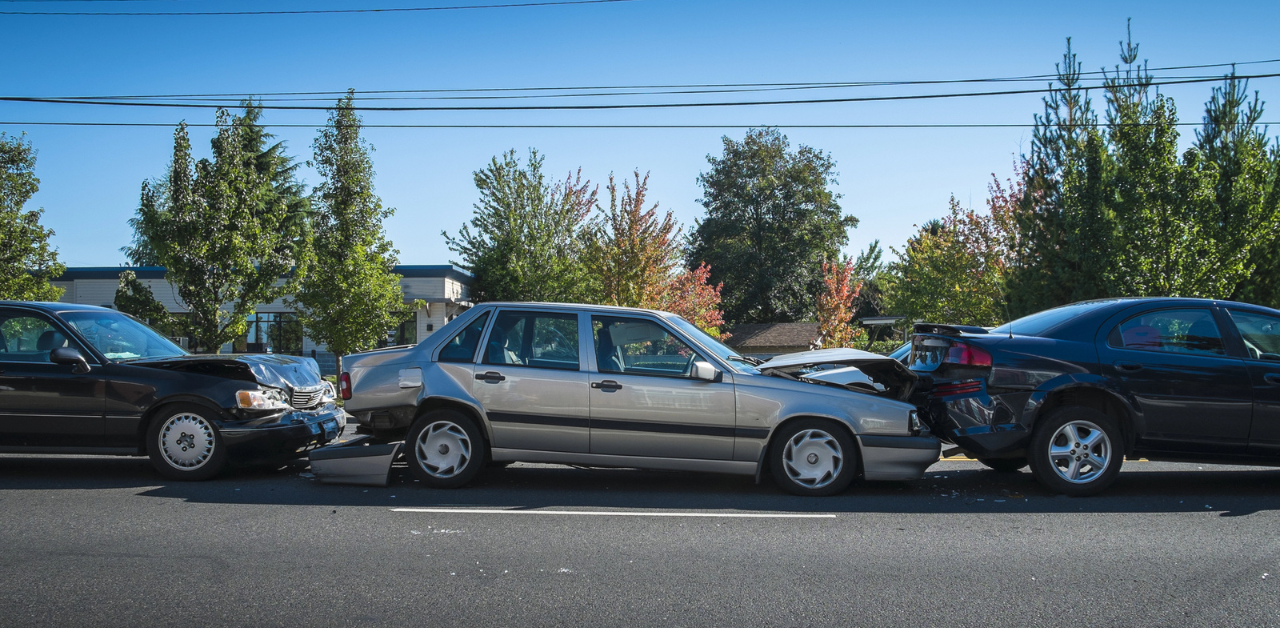
Fault in a 3-Car Accident

Who's at Fault in a 3-Car Accident?

When three cars collide, figuring out who's at fault can be tricky. Multiple cars and drivers make it hard to pinpoint the at-fault party, which impacts insurance claims and legal issues. Imagine you're in a car accident with three vehicles. The chaos and stress of the situation can make it challenging to know what to do next. How do you determine fault, deal with insurance companies, or decide whether you need a car accident attorney? In this article, you will learn how to handle a three-car accident. We’ll cover determining fault, dealing with insurance companies, and when to seek an experienced car accident lawyer. Understanding Fault in Multi-Car Collisions Determining fault in multi-car collisions is challenging due to the involvement of multiple parties and various potential causes. Unlike simpler two-vehicle accidents, where liability is often more apparent, the circumstances of a three-car accident can be more complex. This arises from the interaction of different factors, including each driver’s actions, road conditions, and even prior incidents. A common misconception is that the rear driver is always at fault in multi-car accidents. While it’s often true that the rear driver holds a significant portion of the blame in rear-end collisions, this isn’t an absolute rule. For instance, if the lead vehicle stops abruptly without a valid reason, it could shift some or all liability to that driver. Therefore, analyzing the specifics of each driver’s actions is essential to determine fault. Factors such as previous accidents, witness statements, and improper lane changes play a significant role in establishing liability. Witnesses can provide essential insights into the events leading up to the accident, while police reports offer an objective recounting of the incident. Additionally, surveillance footage or dashcam videos can further clarify the sequence of events. In many multi-car collisions, liability often rests with the driver who caused the first impact. However, this can vary based on the circumstances. For example, if a middle driver failed to maintain a safe following distance, they could also bear responsibility. Understanding these factors is vital for anyone involved in a multi-car crash, as they directly influence the handling of insurance claims and potential legal proceedings. Common Scenarios Leading to 3 Car Accidents Multi-car accidents can occur in various scenarios, each presenting its own challenges for determining fault. These scenarios often involve chain reactions, sudden stops, and adverse weather conditions. Recognizing these common situations helps drivers understand fault and liability in the event of a collision. Rear-End Chain Reactions A chain reaction crash occurs when multiple vehicles collide due to an initial rear-end collision. This type of accident is common in congested traffic, where one car rear-ends another, causing a domino effect. The lead vehicle can be struck multiple times, leading to significant damage and potential injury to its occupants. Furthermore, preventing rear-end collisions and chain reactions involves maintaining a safe following distance. Following the two-second rule provides enough time to react if the car ahead suddenly stops. Tailgating significantly raises the risk of a multi-car crash; drivers should be mindful of the space between their vehicle and the one in front. Sudden Stops and Obstacles Sudden stops and unexpected obstacles on the road can lead to multiple cars braking abruptly, increasing the chances of collisions. In congested areas, vehicles' proximity makes it difficult for drivers to react in time, often resulting in accidents. Drivers swerving or stopping suddenly due to improper lane changes can also raise the risk of a multi-car crash. Weather and Road Conditions Adverse weather conditions, such as heavy rain, fog, or snow, put motor vehicles at risk of accidents. Poor visibility reduces reaction times, making it harder for drivers to see and respond to sudden stops or obstacles. Wet or icy roads may cause skidding and loss of control, increasing the likelihood of a multi-car collision. Additionally, strong winds can affect vehicle stability, especially for high-profile vehicles like trucks and vans. Determining Liability in a Three-Car Crash Determining liability in a three-car crash involves assessing the actions and responsibilities of each driver involved. Factors such as traffic speed, weather, and road conditions are critical in this assessment. Each driver’s contribution to the accident is scrutinized to establish who is primarily at fault. Grasping these roles aids in handling insurance claims and potential legal disputes. Role of the Front Car The front car can bear some responsibility in a three-car accident, especially if it stops abruptly or engages in erratic driving. The driver of the front car may be partially liable if their actions contribute to the collision. An official police report can provide valuable insight into the sequence of events and help determine the extent of the front car’s responsibility. Middle Car Responsibilities The middle car driver may be liable if they were following too closely behind the front vehicle. If the middle car stops too abruptly relative to the car ahead, it increases the risk of a rear-end collision. A personal injury lawyer can clarify the middle driver’s responsibilities and potential liabilities. Rear Car Accountability In a three-car rear-end collision, the rear driver is often presumed to be at fault, but this is not always true. The rear car is typically deemed liable in multi-car accidents, as it is expected to maintain a safe following distance. However, if the front vehicle made a sudden, unreasonable stop, the rear car could argue that the front driver’s actions contributed to the crash. The burden of proof for the rear car involves showing that the front car’s driver was at fault. This is challenging, as rear-end collisions generally presume the rear driver’s liability. Nonetheless, depending on the circumstances, any of the three drivers could be at fault. Consulting with an experienced car accident attorney can provide essential guidance in such cases. Evidence Collection for Fault Assessment Collecting evidence is necessary for determining fault in a three-car accident. Police reports, witness statements, and visual evidence from the accident scene all play key roles in establishing liability. Proper documentation can significantly influence the outcome of insurance claims and legal proceedings. Importance of Police Reports Police reports are essential in establishing fault and are heavily relied upon by insurance companies and lawyers. They provide a timeline of events and include important details about the accident, aiding in the evaluation of damages and injuries. Calling 911 ensures prompt medical assistance and proper documentation if anyone is injured. Witness Statements Witness statements serve as some of the most persuasive evidence for determining liability in multi-car collisions. Witnesses can provide unbiased accounts of the accident, helping to clarify the sequence of events and each driver's actions. Hiring an attorney promptly can help secure these valuable testimonies. Photographic and Video Evidence Photographic and video evidence at the scene is essential to support liability assessments in a three-car accident. Visual evidence can document the positions of the vehicles, road conditions, and any additional factors contributing to the accident. Capturing images and videos immediately after the accident can provide a clear representation of the scene. Insurance Companies and Multi-Car Accidents Dealing with insurance companies after a multi-car accident can be especially difficult due to the involvement of multiple parties. Knowing how to handle multiple claims, deal with your own insurance company, and face challenges with other drivers’ insurers is crucial for victims to receive the rightful compensation. Handling Multiple Claims Insurance providers determine and assign fault among drivers in multi-car accidents based on evidence. They may share liability among drivers based on their roles in the accident. For example, if the front car cuts off or stops suddenly, it may be partly blamed. Handling multiple claims can be complex and time-consuming. Insurance companies collect information by talking to the involved parties and may use recorded conversations to support their case. Victims should be aware that insurance companies often examine evidence and conversations closely to reduce or deny claims. Dealing with Your Own Insurance Company After a multi-car accident, report the incident to your insurance company. It’s best to do this after receiving any necessary medical treatment so you can focus on your health first. However, be careful and clear in your communications, as your insurance company may use recorded statements to support their case in claims. Challenges with Other Drivers’ Insurers Interacting with other drivers’ insurance companies can lead to delays, miscommunication, and a lack of information about the claims process. When multiple drivers are involved, coordinating claims and communicating with several insurance companies can be tricky and time-consuming. Legal Principles Affecting Multi-Car Accident Claims Understanding the legal principles in multi-car accident claims is essential for handling the aftermath of such incidents. Here's how comparative negligence and shared fault among drivers affect personal injury claims and compensation. Comparative Negligence Comparative negligence determines how fault and compensation are assigned in multi-car accidents. In many states, the modified comparative negligence rule limits recovery if a party’s fault exceeds a certain percentage, often 50% or 51%. Under pure comparative negligence, victims can still recover damages even if they are 99% at fault, though their percentage of fault will reduce their compensation. For example, if you are 25% at fault for a three-car accident, your compensation will be reduced by 25%. Insurance companies often try to shift blame onto the victim to minimize their payout, making it important to have strong evidence and legal representation to challenge these claims. Shared Fault Among Drivers In a three-car accident, two or all three drivers can share fault. For example, if the lead car suddenly stopped and the middle car followed too closely, both drivers might share the blame. New York’s pure comparative fault system allows for assigning blame among multiple parties, which can complicate insurance claims and settlements. Establishing liability for each driver is essential for victims seeking compensation. Impact on Personal Injury Claims The degree of fault attributed to each driver affects the compensation awarded in personal injury claims. In cases of shared fault, the compensation may be reduced based on the percentage of fault assigned to each party. This principle is often governed by comparative negligence laws, which vary by state. Consulting an Experienced Car Accident Lawyer After a multi-car accident, it is important to consult an experienced car accident lawyer to handle the details involved. Legal representation helps you understand your rights, gather necessary evidence, and negotiate with insurance companies for fair compensation. When to Seek Legal Help Seek legal help if you are injured or believe the other driver was at fault. A car accident attorney can help challenge fault in a three-car accident and provide needed information for case settlement when dealing with insurance companies. Although most accident victims file an insurance claim first, consulting a lawyer can offer additional insights and representation. Legal help is often free unless you win, making it a practical option for many victims pursuing a personal injury claim. Benefits of Legal Representation Involving a car accident lawyer in a three-car collision case can significantly enhance your representation. Legal professionals can assess your case for free, providing insights that may be important for your claims. Having a lawyer can alleviate the stress of handling insurance claims and legal processes after an accident. Most importantly, legal help ensures you have a dedicated advocate working to achieve the best possible outcome for your case. Legal Guidance for Three-Car Accident Fault Determination Determining fault in a three-car accident requires careful consideration of each driver's actions and the sequence of events. Often, fault is assigned based on who acted negligently or violated traffic laws. In these situations, having a skilled lawyer can make a significant difference. Recovery Law Center, a trusted car accident lawyer in Hawaii, can help you resolve the complicated legal process. Our experience helps you better understand your rights and the best course of action. Schedule a consultation today to ensure you have the guidance needed to address your case effectively.

A close-up of an alarm clock showing 5:50 AM, with a blurred figure holding their head in the background, suggesting stress or insomnia

Sleeping a Lot After a Car Accident

Fatigued after a car accident, it's not unusual for those involved to find themselves sleeping more than usual. This change can be alarming and confusing. You might think, "Why can't I stay awake?" or worry about the sudden increase in your sleep hours. This reaction is common and can be linked to several factors stemming from the traumatic event. First, excessive sleeping after a car crash might signal underlying issues such as a brain injury or emotional stress. Injuries to the brain, known as traumatic brain injuries, can disrupt your normal sleep-wake cycle, leading to increased tiredness and sleep disturbances. Emotional responses to such a stressful event can also manifest as sleep problems, including both excessive sleepiness and trouble falling or staying asleep. This article explores why excessive sleepiness occurs, its possible underlying causes, and when to seek medical advice and legal assistance. Understanding Sleepiness After a Car Accident It is not uncommon to feel unusually tired after a car accident. This sleepiness can stem from the body’s shock response to the sudden trauma. The adrenaline rush and stress that flood your system during and after the accident can lead to lingering fatigue once the immediate crisis is over. Even if you don’t have visible injuries, the internal inflammation and muscle tension that follows a car crash can cause significant fatigue. While being tired may seem like a minor issue, it could be a symptom of more severe underlying problems. If you observe an increase in your sleep duration after a car accident, pay close attention to your body and consult a medical professional if the fatigue continues. This can help identify whether you’re dealing with something more severe, like a traumatic brain injury or psychological stress. Traumatic Brain Injury and Sleep Disturbances Traumatic brain injuries (TBIs) are a common yet often overlooked consequence of car accidents. These injuries can significantly disrupt normal sleep patterns, causing issues like excessive sleepiness, trouble falling asleep, and frequent awakenings. TBIs can affect various parts of the brain responsible for regulating sleep, leading to a host of sleep disturbances. Here are some of the challenges faced by injured accident victims dealing with car accident injuries, including the impact of physical injury. Concussions and Excessive Sleepiness Concussions are a type of traumatic brain injury that can have profound effects on your sleep. One of the most common symptoms of a concussion is painful headaches accompanied by a feeling of sluggishness and excessive sleepiness. This sleepiness occurs because concussions can alter parts of the brain that regulate the sleep-wake cycle, leading to significant sleep disturbances. If you have incurred a concussion in a car accident, you may notice an unusual increase in your sleep duration or find yourself sleeping a lot. This excessive sleepiness can persist for a while, making it difficult to stay awake during the day and affecting your overall quality of life. Medical imaging can help rule out more serious brain injuries, ensuring you receive the appropriate care and treatment. Impact on Sleep-Wake Cycle Traumatic brain injuries can ruin your sleep-wake cycle, causing a mix of hypersomnia (excessive sleeping) and insomnia (trouble falling asleep). When the brain’s sleep-regulating regions, such as the rostral pons or thalamus, are damaged, hypersomnia can result, making it difficult to stay awake. Conversely, damage to areas like the basal forebrain can result in insomnia, causing trouble falling asleep and staying asleep. These disruptions can make you feel mentally exhausted and lead to other sleep problems, requiring specialized rehabilitation services to restore normal sleep patterns. Other Symptoms of TBI Besides sleep disturbances, traumatic brain injuries can cause a variety of other symptoms. Fatigue is one of the most common complaints, with about 30% of TBI patients reporting significant fatigue up to a year after the injury. This persistent fatigue can contribute to mental and psychological fatigue, further complicating recovery. Other symptoms of TBIs can include brain fog, difficulty concentrating, and emotional instability. These symptoms can be just as debilitating as the sleep issues themselves, affecting your ability to perform daily tasks and diminishing your overall quality of life. Psychological Factors Influencing Sleep The psychological aftermath of a car accident can significantly impact sleep quality. Stress and anxiety from the traumatic event can disrupt your body’s natural sleep rhythm, leading to sleep disturbances such as trouble falling asleep and staying asleep. These issues can leave you feeling less well-rested and more fatigued during the day. This section investigates how anxiety, depression, and post-traumatic stress disorder (PTSD) can exacerbate sleep problems. These psychological factors can intensify the stress experienced after a car accident, making it even more challenging to get a good night’s sleep. Anxiety and Insomnia Anxiety and PTSD are common after car accidents and can lead to insomnia, characterized by persistent difficulty falling or staying asleep. This condition significantly impacts one’s quality of life, making it hard to wind down and rest at night. The heightened vigilance often associated with PTSD can prevent restful sleep, exacerbating the problem. If you are grappling with anxiety and insomnia following a car accident, seeking help is of utmost importance. Addressing these psychological factors can improve sleep quality and overall well-being, helping you recover more effectively from the traumatic event. Depression and Fatigue Depression is another emotional fallout that can occur after a car crash, leading to significant fatigue and excessive sleeping. This condition can cause unusual daytime sleepiness, affecting your ability to function normally. The Cleveland Clinic notes that excessive sleeping is a common symptom of depression, highlighting the need for proper diagnosis and treatment. As well as causing both insomnia and hypersomnia, depression can further complicate sleep patterns and add to mental and psychological fatigue. Addressing depression through therapy and medication can help alleviate these symptoms and improve sleep quality. PTSD and Sleep Problems Post-traumatic stress disorder (PTSD) is a severe condition that can arise after a car accident, leading to significant sleep problems. Approximately nine out of every ten PTSD patients experience issues like insomnia or nightmares, which can severely disrupt sleep. These sleep disturbances can include both insomnia and hypersomnia, reflecting varying impacts on sleep patterns. PTSD-related sleep problems can manifest in severe nightmares, causing interrupted and poor-quality sleep. Addressing PTSD through therapy and support can help improve sleep quality and overall recovery from the traumatic event. When to Seek Medical Attention If you experience severe symptoms after a car accident, seeking medical attention is imperative. Persistent drowsiness, severe headaches, and confusion can indicate more serious underlying issues that require immediate evaluation. Early diagnosis and treatment can prevent long-term complications and improve recovery outcomes. This section discusses the immediate symptoms to be aware of, the significance of early diagnosis, and the necessity to seek medical attention immediately by consulting a medical professional for a precise diagnosis and treatment. Immediate Signs to Watch For After a car accident, watch for signs like severe headaches, confusion, and persistent drowsiness, which may indicate serious injuries. Cognitive or behavioral symptoms also require urgent medical attention. Physical symptoms like convulsions, seizures, and clear fluids draining from the nose or ears are red flags that necessitate immediate medical care. Prompt diagnosis through neurological exams and brain imaging can determine the severity of brain injuries, guaranteeing you receive suitable treatment to manage: Sleep disturbances Headaches Dizziness Memory problems Difficulty concentrating Mood changes Periodic limb movement disorder and other symptoms. Importance of Early Diagnosis Early diagnosis of sleep-related issues after an accident is vital to prevent long-term health complications. Regular follow-up visits are essential to monitor recovery progress and address any new or ongoing symptoms. Sleep disturbances can slow the body’s healing process from physical injuries, making it even more important to address these issues promptly. Seeking prompt diagnosis and treatment can enhance overall recovery and minimize the chance of enduring sleep problems and other complications. Consulting a Medical Professional Always consult a medical professional experienced in head injuries for accurate diagnosis and tailored treatment plans. Only a medical professional can accurately diagnose and create a treatment plan for sleep disturbances following a car accident. Consulting a healthcare provider is crucial for properly managing post-accident fatigue and related symptoms. If you’re experiencing excessive sleepiness or other sleep issues after a car accident, seeking medical care should be a top priority. This can help ensure that you receive the appropriate treatment and support to recover fully. Treatment Options for Sleep Issues The first step towards getting help after a car accident is recognizing your sleep issues. Seeking professional assistance can make a significant difference in your recovery. Treatment options may include: Rest Pain relievers Sleep aids Surgery (in some cases) Cognitive behavioral therapy Anxiety management techniques Physical therapy These options are commonly recommended to address sleep disturbances. This section emphasizes the importance of a comprehensive approach to recovery, including rest and recovery strategies, appropriate medications and therapies, and rehabilitation services. Rest and Recovery Rest and activity modification are essential for recovery from sleep issues caused by car accidents. Lack of sleep due to insomnia can hinder the body’s ability to heal from physical injuries sustained in a car accident. Ensuring enough rest can significantly aid the healing process and improve overall recovery. Taking time to rest and adjust your activities can help manage fatigue and other sleep problems, allowing your body to recover more effectively from the trauma of an accident. This approach not only supports physical recovery but also aids in mental and emotional well-being, both of which are integral to your overall recovery. Medication and Therapies Medications and therapies can play a pivotal role in managing sleep disturbances after a car accident. Over-the-counter or prescribed pain relievers can help alleviate sleep issues caused by physical injuries. Doctors may also adjust pain medications or recommend physical therapy to treat injuries that interfere with sleep. Additionally, cognitive behavioral therapy and relaxation exercises can help manage anxiety and depression, further improving sleep quality and reducing fatigue. Rehabilitation Services Rehabilitation services such as physical therapy, massage, and acupuncture can aid in recovery from sleep disturbances following a car accident. These services can help manage pain and improve overall well-being, contributing to better sleep quality. For TBI patients, rehabilitation may include re-learning how to perform daily tasks, which can significantly impact their recovery and quality of life. These services can help address both physical and psychological aspects of sleep disturbances, promoting holistic recovery. Legal Considerations and Compensation Legal considerations are essential when dealing with sleep issues after a car accident. Documenting your injuries and sleep disturbances is crucial for supporting compensation claims. Financial compensation can cover: Medical expenses Pain and suffering Loss of quality of life Lost wages Documenting Your Injuries This documentation should include medical records, witness statements, and evidence of the sleep disturbances you’re experiencing. Linking your sleep problems to the car accident is crucial for recovering compensation, as it establishes a clear connection between the event and your symptoms. A car accident lawyer can help you with the following: Gather the necessary documentation Establish the link between the accident and your injuries Collect and present relevant evidence effectively Increase your chances of receiving the compensation you deserve Their experience is invaluable in the legal process and in protecting your rights. Contacting a Car Accident Lawyer A car accident lawyer can be vital in collecting key evidence like police reports and witness statements to demonstrate liability for your sleep disturbances. They can negotiate with insurance companies on your behalf, ensuring that you receive fair compensation for your medical expenses, pain and suffering, and lost wages. If your case goes to court, a car accident lawyer can represent you, present the evidence, and argue your case to maximize compensation. Their ability to manage such cases can make a significant difference in the outcome of your claim. Addressing Post-Accident Sleep Issues: Health and Legal Steps for Recovery Sleeping excessively after a car accident might indicate serious conditions like traumatic brain injuries, psychological stress, or physical injuries. It's important to recognize these symptoms and seek medical help promptly to enhance your recovery and overall health. Treatments such as rest, medication, and rehabilitation services can effectively address sleep problems. If you're dealing with sleep issues following a car accident, keeping records of your injuries and consulting a car accident lawyer can help you obtain compensation for your medical bills and other losses. Recovery Law Center, a car accident lawyer in Hawaii, can help you through the legal process and protect your rights. Don't delay in getting the support you need and deserve.

Car crashed rear-ended

What to Do If You Hit a Parked Car?

Accidents happen, and sometimes, you might hit a parked car. Knowing what to do next can make all the difference. If you face criminal charges, a civil lawsuit, or need help with the insurance claims process, the Recovery Law Center can provide the legal support you need. At our law firm, we understand the stress and confusion that follow such incidents. Our car accident attorney in Hawaii is here to guide you through the steps you need to take to protect yourself legally and financially. Don't let a simple mistake become a legal issue. Schedule a consultation with us to get personalized advice. Your actions after an accident can affect the outcome, so act wisely and ask for professional advice. 1. Stop and Stay at the Scene If you hit a parked car, it's natural to panic, but the most important initial action is to stop your vehicle and remain at the accident scene. Failing to do so can turn a simple accident into a serious legal issue. In Hawaii, drivers are required by law to: Stop and assess the damage whenever they are involved in a car accident. This isn’t just a moral responsibility; it’s a legal one. Leaving the scene can result in hit-and-run charges, including fines and imprisonment. After stopping your vehicle, follow these steps: Check your surroundings for safety. Take photos of the damaged parts caused by the accident. If possible, move your car to a spot where it does not obstruct traffic. Stand aside from the road to prevent secondary accidents and keep yourself safe. The law mandates staying at the scene until all legal obligations are fulfilled, including exchanging information and reporting the accident if necessary. Regardless of how minor the damage may seem, you must stop and evaluate the situation. Offering assistance and exchanging information with the other parties involved are essential steps. Failure to do so can lead to significant legal ramifications, including being charged with a crime. By staying at the scene, you demonstrate responsibility and can begin resolving the incident properly. 2. Assess the Damage After ensuring the safety of everyone involved, proceed to evaluate the damaged car. This involves carefully documenting the extent of the damage for insurance and legal purposes. Even small dents can be expensive to repair, sometimes costing up to $1,000. Therefore, you must document and photograph any visible damage on both vehicles. Don’t ignore minor damage or potential property damage. What might seem like a small scratch could become a costly repair. Record all details accurately, including taking photos from multiple angles to show the overall context of the accident. This thorough documentation will be invaluable when filing an insurance claim and can help establish the facts of the accident. Besides assessing vehicle damage, check for any signs of bodily injury. Although less likely in a low-speed collision with a parked car, accidents involving another vehicle can still result in injuries. Ensure that everyone involved is unharmed. If there are injuries, regardless of their severity, provide aid and call for medical help if needed. 3. Locate the Car's Owner After assessing the damage, your next step is to find the owner of the parked vehicle. This may require some patience and effort. Start by waiting near the car for a reasonable amount of time. If the owner doesn’t return, take proactive steps to find them. One effective approach is to ring the doorbells of nearby homes or businesses. This is especially effective in residential areas or small parking lots. Another option is to ask pedestrians or patrons of nearby establishments if they know the owner. Legally, you must try all possible ways to locate the car’s owner. Finding the owner fulfills your legal duties and prevents further issues. If you locate the owner, exchange contact and insurance information and discuss the following steps to resolve the situation amicably. This can prevent misunderstandings and ensure both parties can proceed with their insurance claims smoothly. 4. Leave a Note if You Can't Find the Owner If you can't find the car’s owner, leaving a note is essential. Include your name, phone number, and vehicle registration number. Clearly explain what happened and provide your contact details so the owner can reach you. This step helps you avoid being charged with a hit-and-run, which can have serious legal consequences. Leaving a note is necessary, even if the damage seems minor or non-existent. This demonstrates that you are taking responsibility. Also, take photos of the contact points between the cars. This documentation can be used as evidence if there are later disputes about the damage. Place the note in a visible and secure spot, such as under the windshield wiper, and ensure it is protected from the weather to prevent it from being blown away or damaged by rain. This responsible act can significantly impact how the situation unfolds and protect you from legal repercussions. 5. Accident Scene Documentation A comprehensive record of the accident scene is essential. Start by taking clear, detailed photos of both vehicles, focusing on the areas of impact. Include the license plates of both cars to avoid confusion about which vehicles were involved. This visual evidence is necessary for insurance claims and can help establish the facts of the incident. In addition to photos of the damage, capture the accident’s surroundings. Take wide-angle shots that show the location, including relevant factors like road signs, parking lot markings, or other vehicles. Note the time and specific location of the accident to provide a complete picture of the scene. This can help determine the fault and understand how the accident occurred. Videos can also be handy. Walk around the scene and narrate what you see. This can offer a more extensive perspective of the incident. Remember, the more detailed your documentation, the stronger your position will be when dealing with insurance companies or legal matters. 6. Look for Witnesses Witnesses can offer invaluable, unbiased accounts of the accident. Look around for anyone who might have seen the incident. Approach them politely, explain the situation, and ask if they would be willing to provide a statement. Be sure to collect their contact information and ask them to write down their description of what happened. Witnesses can support your version of events and provide additional details you might have missed. For instance, they might recall the vehicle's make, model, or color involved or even provide a partial license plate number. Their statements can be beneficial if disputes arise about the accident or the other party challenges your account. Even if the incident seems straightforward, having witnesses can strengthen your case. They can describe the driver's actions after the accident, such as whether they inspected the damage or left a note. This information can be important in proving liability and ensuring that the responsible party is held accountable. 7. Contact the Police In the event of significant damage from the accident, contacting the police is important. In Hawaii, for example, you must report the accident if it involves injury, death, or property damage over $3,000. Use the non-emergency line to report the incident unless immediate dangers or injuries require urgent attention. When you contact the local police department, provide them with all relevant details, including the location of the accident, the condition of the vehicles, and any injuries. If you cannot make the call yourself, ensure someone else does so on your behalf. Failure to report a qualifying accident can result in severe penalties, such as  fines, license revocation, and jail time. A police report can be very helpful when dealing with insurance claims. It provides an official record of the accident and can help establish the facts, especially if there are disputes about fault, or the other party is uncooperative. 8. Notify Your Insurance Company Contact your own insurance company to report the accident as soon as possible. Give them all the details, including photos and witness statements. Reporting the incident quickly can help prevent future problems and ensures that your insurance provider has all the information needed to process your claim. Do not resolve the issue without your insurance company’s involvement. Even if the other party suggests handling it privately, going through insurance provides a formal record and protects you from future disputes. Your auto insurance company can guide you through the claims process and ensure all necessary steps are taken. 9. Understand Insurance Implications Striking a parked car can affect your insurance rates. Liability insurance is required for most drivers, as it covers accidents they cause. This insurance protects against financial responsibility for damages and injuries to others. However, filing a claim for hitting a parked car can raise your premiums, depending on your insurance company’s policies and state regulations. If you have collision or uninsured motorist coverage, these can help cover damage costs, especially in a hit-and-run accident. It’s important to understand your policy and what coverage you have. Contact your insurance provider to learn how the accident will affect your rates and what steps you need to take. Knowing your insurance coverage and the potential financial impact can help you make better decisions after an accident. Regularly review your policy and discuss any concerns with your auto insurance agent to ensure full coverage and awareness of possible rate increases. 10. Seek Legal Advice if Necessary In certain situations, such as when there is significant damage or injury from the accident, you might need legal counsel. An attorney can help you understand your legal rights and guide you through the claims process. They can also assist in pursuing compensation if the responsible driver is identified or you need to work with your insurance company. Insurance companies may not always act in your best interest, so having legal representation ensures you receive rightful compensation if the accident results in injury. Discussing the case with an attorney is even more important to protect your rights and understand the legal process. Knowing the potential legal outcomes and having professional guidance can make a significant difference in resolving the situation. Don’t hesitate to seek legal advice if you feel it is necessary to ensure your full protection. Legal Guidance for Stress-Free Resolution of Auto Accidents Hitting a parked car can be stressful, but handling it properly can minimize legal and financial consequences. If you find yourself in an auto accident in Hawaii, Recovery Law Center can help. They specialize in auto accidents and personal injury cases and provide expert legal assistance. Schedule a consultation with a car accident attorney to understand your rights and get the support you need. What To Do If You Hit a Parked Car? Visit Our Honolulu Office

Suing Car Insurance Company After an Accident

Suing Car Insurance Company After an Accident

Dealing with your own insurance company after a car accident can be a nightmare, especially if your claim is denied. Imagine needing medical treatment and repairs only to face resistance from your insurer. This can lead to financial stress and frustration. In this article, we will guide you through suing a car insurance company after an accident. You'll learn about when and how to file a lawsuit, the steps involved, and how to seek compensation for your damages. Understanding your rights and the legal process can help you get the fair settlement you deserve. How to Determine Fault in a Car Accident Determining fault in a car accident is essential for securing compensation. Establishing negligence helps identify the liable party. When drivers act negligently, they breach their duty of care, causing the accident and resulting in injuries. The type of auto insurance coverage, like collision coverage, that the at-fault driver has will significantly impact the compensation you can claim from their insurance company. Collecting Evidence Dealing with a car accident claim starts with collecting evidence. This includes photos of the accident scene, vehicle damage, and visible injuries. Keep records of all conversations, medical records, and repair estimates. Contact your insurer and maintain detailed notes on all interactions and related documentation. Auto accident attorneys often collaborate with other professionals in accident reconstruction and biomechanics to strengthen cases. Properly collecting evidence respects everyone's rights and ensures a solid claim. This detailed approach is beneficial if you need to sue your insurance company. Witness Statements Witness statements reinforce your version of events. They provide an unbiased perspective and can corroborate your claims. Identify witnesses at the accident scene who are willing to share their accounts and record these statements soon after the accident. Include details such as observations, sounds they heard, and other relevant information. Police Reports Police reports are official records of the accident and are valuable when filing a lawsuit against a car insurance company. These reports often contain critical details such as the time and location of the accident, involved parties, and the officer’s assessment. This documentation can establish fault, especially when the officer includes their opinion on who was at fault. Request a police report from the local police department or their website, if available. There may be a small fee, so obtain the report as soon as possible to ensure you have all the necessary information for your claim. Determining fault involves gathering comprehensive evidence, including witness statements and police reports, to support your car accident claim. This process is essential for negotiating with insurance companies and presenting your case in court. Filing a Lawsuit Against a Car Insurance Company You might need to file a lawsuit if your car insurance company unjustly denies or under-compensates your car accident claim. This step is often necessary if the insurance company offers a lowball settlement. Filing a lawsuit against a car insurance company involves the following process: 1. Initial Claim Submission First, you need to submit an insurance claim. Contact your insurer and provide all necessary details about the accident, including the location, time, involved parties, and estimated damage costs. Thorough documentation of your initial claim can significantly increase your chances of a fair settlement. Your attorney can review the benefits of your auto insurance policy and inform you about your auto insurance coverage. Ensuring that your initial claim is thorough and accurate lays a strong foundation for any potential legal action. 2. Legal Paperwork You must file specific legal documents, such as summons and complaint forms to initiate a lawsuit. Properly filing these documents avoids delays and ensures your case proceeds smoothly through the legal process. This paperwork officially starts the lawsuit process against the insurance company. Court Proceedings During court proceedings, be prepared to present comprehensive evidence, negotiate settlements, and potentially resolve the case before trial. If a settlement is not reached, the court will decide the outcome based on the evidence and testimony presented. Preparation and Evidence Preparing for the legal process involves extensive documentation and witness statements. This preparation is essential for making your case persuasive and increasing your chances of obtaining fair compensation. Types of Damages You Can Claim When suing a car insurance company, you can claim various types of damages, including economic and non-economic damages. Economic damages are quantifiable costs such as property loss, medical bills, and lost wages. Non-economic damages cover more subjective losses, such as pain and suffering or emotional distress. Understanding the types of damages eligible for claims ensures you secure just compensation for all your losses. Whether it’s the cost of medical treatment or the emotional impact of the accident, each type of damage plays a role in the overall compensation you seek from the insurance company. Medical Expenses Medical expenses after a car accident can be substantial and include: Hospital bills Ambulance services Primary care physician bills Specialist consultations Imaging and diagnostic tests Rehabilitation services Prescription medications Follow-up visits Assistive devices Home health care The responsibility for paying these bills generally depends on fault. If you’re not at fault, the at-fault driver’s insurance usually covers your expenses. Submitting an injury claim is necessary to guarantee payment of your medical bills, thereby offering you financial protection and access to necessary medical treatments. Various methods are available to manage medical bills, such as billing the at-fault driver’s insurance company or placing a medical lien. Property Damage To support a property damage claim, gather thorough evidence, such as photos of the vehicle damage and repair estimates. Keep all vehicle repair or replacement cost documentation, including invoices, receipts, and estimates. Submitting all gathered evidence to the insurance company as part of your initial claim can help ensure you receive fair compensation for your property damage. Non-Economic Damages Non-economic damages are more subjective and can include pain, suffering, and emotional distress. They do not have a specific numerical value but can significantly impact one's quality of life. Claiming non-economic damages ensures that one is compensated for the psychological and emotional toll of the accident. Dealing with Insurance Company Denials When an insurance company denies claims, it can be frustrating. They might deny a claim outright or offer insufficient compensation. When faced with a denied claim, it's important to understand the reason for the denial and gather any additional documentation to support your case. Reviewing your insurance policy helps you understand the grounds for denial and whether it aligns with policy terms. In contesting a denial, keep detailed records of all interactions with the insurance company. Submitting a well-documented appeal letter with additional evidence can sometimes reverse the denial. Common Reasons for Denial Car insurance companies often deny claims for various reasons, including: Lack of evidence Policy exclusions Missed reporting deadlines Inconsistencies or inaccuracies in the provided information Suspected fraud or discrepancies between the accident description and the adjuster’s findings Appealing a Denied Claim Reviewing the denial letter carefully can help identify the specific reasons for denial that must be addressed in the appeal. Submitting an appeal within the insurance company’s specified timeframe ensures it gets considered. Gathering new evidence, such as additional witness statements or testimony, can strengthen an appeal. If policyholders believe their claim was denied in bad faith, they can file a lawsuit against the insurance company. Bad Faith Insurance Practices Bad faith practices by insurance companies can include: Deliberately delaying the processing of a legitimate claim Denying a claim without conducting a proper investigation Misrepresenting the terms of the policy Hiring a lawyer to address bad faith practices ensures proper reimbursement and benefits and prevents the insurer from engaging in such tactics. In bad faith lawsuits against insurance companies, you can claim economic, non-economic, and punitive damages. Economic damages can include large medical bills from serious injuries. Importance of Hiring an Experienced Personal Injury Attorney Engaging an experienced attorney can significantly influence the result of your car accident claim. An experienced car accident attorney can help maximize your settlement by: Guiding you through the legal process of suing the insurance company. Alleviating the stress and financial burden associated with personal injury lawsuits. Ensuring that you receive fair compensation. Handling Insurance Companies. Improving Chances of Reversing a Denial. Attorneys with experience are familiar with the intricacies of insurance claims and litigation, improving your chances of reversing a denial and securing a maximum settlement. Experienced in Auto Insurance Law Experienced car accident attorneys are well-versed in various coverage types, such as uninsured and underinsured motorist coverage. Their experience in auto insurance law ensures that all aspects of your case are thoroughly examined,helping you receive the full benefits of your policy. Negotiation Skills An attorney can provide valuable assistance in a car accident case, including: Handling settlement discussions and negotiations with insurance companies. Using their negotiation skills to ensure you obtain the complete compensation value for damages. Drawing on their experience to maximize the settlement amount and ensure fair compensation. Providing Legal Representation During Mediation and Arbitration. Advising on the Appropriate Timing for Settlement. By employing these negotiation skills, attorneys play a crucial role in ensuring that you receive the full and fair compensation you deserve following a car accident. Representation in Court In court, a lawyer serves as your legal representative. Proper legal representation is necessary as defense attorneys may exploit any mistakes and push for case dismissal. Effective presentation of evidence and witness testimonies can significantly impact the case outcome. Proper representation throughout the legal process is essential for cases involving personal injury protection. Taking Legal Action Against a Car Insurance Company Suing a car insurance company can be necessary when you've been wronged in your auto accident claim. When your own insurance company denies your claim or the insurance company of the at-fault driver refuses to pay, you have the right to seek fair compensation for your medical expenses, lost wages, and other damages. By collecting evidence, such as medical records and witness statements, and working with an experienced attorney, you can navigate the legal process effectively and hold the insurance company accountable. At Recovery Law Center, we understand the complexities of personal injury claims in Hawaii. Our dedicated personal injury lawyers are here to help you through every step of your case. If you need to sue an insurance company or require compensation for your injuries, don't hesitate to schedule a consultation with us. Let us help you get justice for your case.

Debate A Settlement To Get More Money From a Car Accident

How To Debate A Settlement To Get More Money From a Car Accident

When you've been in a car accident, insurance companies often aim to minimize payouts. So, you need to be knowledgeable about how to debate a settlement to get more money. Understanding the negotiation process and knowing your rights can affect the amount you receive. You might wonder how to debate a settlement to get the rightful compensation for a car accident. Hence, this article will provide proven strategies to negotiate a higher payout effectively. We will also cover how a car accident lawyer can help in the negotiation process. Understanding Your Car's Value Understanding your vehicle’s fair market value is fundamental when negotiating a car accident settlement, especially if you have a totaled car. Resources like Kelley Blue Book and the National Automobile Dealers Association ( NADA) guides are invaluable. These tools provide a range of car values based on your vehicle’s year, make model, and condition, helping you understand what your car might be worth. Start by comparing your car to similar vehicles in your area. Look at local listings and consider the prices of comparable vehicles with the same model and year as yours. This will give you a realistic picture of your car’s actual cash value and help establish a solid foundation for your claim. When dealing with car insurance, remember that the auto insurance company will use its own methods to estimate your car's value, which might be lower than what you think it's worth. By having detailed and accurate information about your car's value, you can confidently argue for a higher amount if the insurance company offers you less than you believe is fair. Gathering Evidence for Your Claim The foundation of the car accident claim is strong supporting evidence. Initiate your claim immediately to ensure you capture all necessary information before it disappears. Maintenance records, repair receipts, and even photos of your vehicle before and after the accident can significantly bolster your claim. Document any aftermarket accessories or improvements made to your vehicle. These additions can increase the overall value of your car, and having receipts for these upgrades will strengthen your case. Comparable vehicle listings from reputable sources will further support your claim and provide a benchmark for the value you’re fighting for. The more comprehensive your evidence, the stronger your position when negotiating with the insurance provider. Make sure all pertinent information is well documented and readily accessible. Presenting a Strong Case to the Car Insurance Company Effective communication with the insurance claims adjuster is key to securing a fair settlement during the insurance claim process. Start by sending a demand letter, clearly stating the value of your claim and providing compelling evidence to back it up. Avoid discussing the details of the accident verbally. Maintain calm and stay polite, even if the negotiation process becomes frustrating. Car insurance adjusters are trained to minimize payouts, so be prepared to counter their arguments with solid evidence and reasoned arguments. If necessary, request that the adjuster or the insurance company’s appraiser inspect your damaged vehicle personally if you disagree with their offer and they haven’t seen the car. Then, document every interaction with the adjuster, including names, phone numbers, and business addresses. This will help keep track of your case and ensure all communications are transparent and traceable. Negotiating Tactics Negotiating with insurance companies demands patience and persistence. They rarely start with their best offer, so don’t be quick to accept the first settlement offer. Insurance companies often start with low offers, anticipating that claimants will negotiate. Stay calm and polite throughout the negotiation process. Losing your temper can hinder your chances of reaching a favorable settlement. You can effectively counter low offers and argue for a more reasonable payout by staying composed and persistent. Only accept early settlement offers, which are typically lower than you deserve. Instead, be patient, present your evidence, and negotiate to pay fair market value. When to Hire an Attorney Sometimes, negotiations can be slow, or the insurance company's offer may need to be more fair. In such cases, hiring a personal injury lawyer might be necessary. If your vehicle’s appraisal value from the insurance company is too low or significant bodily injury is involved, an attorney can provide valuable assistance. Hiring an attorney can relieve some of the stress of total loss negotiations. Attorneys can collect evidence, identify loopholes in the insurance policy, and expedite your settlement. If unsure, seek professional advice to help decide whether to proceed with legal representation. Obtaining a Written Settlement Agreement A written settlement agreement is vital to establish the terms and safeguard the interests of both parties. A written agreement clearly outlines the agreed-upon terms and helps avoid misunderstandings or disputes. Documenting all communications with the insurance company ensures clarity and provides proof of the agreed-upon terms. Using email or certified mail can help keep records of conversations and proposals, verifying what was discussed and agreed upon. When you accept a settlement offer, inform the insurance company by registered mail to ensure the finalization of the agreement. Getting all important information in writing helps avoid confusion and enables a lawyer to review the agreement if necessary. What to Do If Negotiations Fail If initial negotiations don't work out, don't lose hope. You can request an appraisal from a neutral third party to determine a fair market value. You can also contact the local Department of Insurance or the Office of Consumer Affairs for advice if the offer is unfair. You may need to consult an attorney to demand evidence for the insurer's low offer. As a last resort, you can file a lawsuit in civil court. You may still end up in court. Often, just the threat of legal action can lead to better negotiations. Mediation is another option, where neutral parties help both sides agree on settlement terms. If mediation fails, you can file a lawsuit, and the court will decide how much the insurance company should pay. Maximizing Your Car Accident Settlement Securing a fair settlement after a car accident can be challenging, but knowing how to negotiate can make a significant difference. By understanding your car's actual cash value, documenting medical expenses, and staying firm during negotiations, you can push for a better offer. Don't hesitate to challenge the initial offer from the insurance company and present evidence to support your claim. Having a skilled car accident attorney by your side can greatly enhance your chances of getting the compensation you deserve. Recover Law Center in Hawaii specializes in car accident cases and can guide you through every step of the settlement process. Schedule a consultation today to ensure your rights are protected and to maximize your settlement.

Hit and Run Accidents honolulu

Will Insurance Cover Hit and Run Accidents?

Car accidents are already stressful, but it's even more troubling when the other driver leaves the scene. If you've been the victim of a hit-and-run accident, you might wonder, will insurance cover hit-and-run accidents? This uncertainty can be unsettling. The damage to your car, potential medical expenses, and the hassle of dealing with insurance can feel overwhelming. In this article, we’ll clarify how different types of car insurance coverage can help when the responsible party disappears. You'll learn the steps to take after a hit-and-run accident, how to file a claim, and what to expect from your insurance company. Understanding Hit and Run Accidents A hit-and-run accident occurs when a driver leaves the scene without providing necessary personal information or assistance. This type of incident can be particularly distressing because the victim is often left to deal with the aftermath alone. In many places, this act is considered a misdemeanor unless it results in significant injury or death, in which case it can be classified as a felony. This legal classification underscores the seriousness of the offense. When the responsible driver in a hit-and-run cannot be found, liability coverage won’t be available to cover your damages. The other driver’s insurance will not cover your medical expenses or car repairs. This aspect helps set your expectations for your insurance policy. Immediate Steps After a Hit and Run If you find yourself in a hit-and-run accident, the first thing to do is move your car to the side of the road. Then, turn on your hazard lights to ensure safety. Check on any passengers, call 911 to report the accident, and contact law enforcement when it’s safe. Prioritizing safety is essential. While waiting for the authorities, try to get the license plate number, make, and model of the car that fled the scene. A police report serves as crucial documentation for your insurance claim. These steps can help you manage the aftermath of the incident more effectively. Types of Insurance Coverage for Hit-and-Run Accidents Adequate insurance protects your financial health and helps manage the economic impact of hit-and-run accidents. Different types of insurance coverage can help cover various expenses, such as vehicle repairs, transportation costs, and medical bills. Knowing the different types of coverage available will aid in selecting the right policy for your needs. Collision Coverage Collision coverage is designed to pay for damage to your vehicle in a hit-and-run accident. Liability coverage helps pay for vehicle repairs or replacement after such an incident, making it a valuable part of your auto insurance policy. However, you must pay a deductible out of pocket before your insurer will cover the repairs. Collision coverage is typically optional. However, it may be necessary if you have an auto loan or lease. Being aware of the financial implications and requirements helps you make an informed decision about including collision coverage and its limits in your car insurance policy. Uninsured Motorist Coverage Uninsured motorist coverage provides financial protection in hit-and-run situations. This type of coverage does not require a deductible for bodily injury, helping to cover medical bills and lost wages. It also assists in repairing damages caused by an uninsured driver or a hit-and-run incident. Consult your insurance provider for specifics on your uninsured motorist property damage coverage. This will help you understand what is covered and how to proceed in the event of a hit-and-run. Medical Payments Coverage Medical Payments Coverage (MedPay) covers medical expenses for you and your passengers, regardless of fault. This means that even if the hit-and-run driver is not identified, your medical expenses related to injuries from the accident will be covered. MedPay is usually optional, though it may be mandatory in some states, and generally does not require a deductible. Personal Injury Protection (PIP) Personal Injury Protection (PIP) covers a wide range of expenses in a hit-and-run accident and is designed to help cover immediate expenses without the need to establish fault. It ensures prompt financial support, including medical bills, lost wages, child care, household, and funeral expenses. A PIP claim can be made even if the hit-and-run driver cannot be identified. PIP coverage is mandatory in no-fault states, which means that drivers must carry it as part of their auto insurance policies. However, PIP is not available in all states, as some states follow a fault-based system where the at-fault driver's insurance is responsible for covering damages. How to File an Insurance Claim for a Hit and Run Filing an insurance claim after a hit-and-run can be complex, but knowing the steps can make it more manageable. If the driver is identified, victims can pursue compensation through both insurance claims and personal injury lawsuits. Knowing the process and required documentation aids in navigating this challenging situation. Gathering Evidence Collecting evidence is necessary for a successful hit-and-run claim. Victims are advised to document any details of the other vehicle involved, such as the license plate number, make, and model, whenever it’s safe to do so. Additionally, collecting details such as the accident’s time, location, and weather conditions can strengthen your claim. Witness statements can provide valuable insights and corroborate your account of the incident. Initiating a lawsuit against a hit-and-run driver requires gathering relevant evidence from the accident, such as witness statements and police reports. These steps can significantly bolster your case. Contacting Your Insurance Company After gathering the necessary evidence, notify your insurance company promptly. Be ready to provide documentation, such as police reports and the evidence collected to your insurer. Your insurer will specify the required documentation for filing your claim after a hit-and-run. Following Up on Your Claim Consistent communication with your insurer helps you understand your claim’s status. Frequent check-ins ensure efficient claim processing, which helps you stay informed about the status of your claim. Knowing the expected timeline for claim processing helps manage expectations and reduce anxiety. Continued follow-up is crucial for ensuring your claim moves forward smoothly. Will a Hit and Run Affect My Insurance Rates? Filing a hit-and-run claim often raises questions about its potential impact on car insurance premiums. Typically, a single claim does not lead to a rate hike, but it will be recorded and could influence future insurance rates. This knowledge can help manage expectations and inform decisions. Impact of Multiple Claims Filing multiple insurance claims can increase your car insurance premiums, as insurers may view you as a higher-risk policyholder. Each claim may influence your risk profile, potentially leading to higher premiums. To keep insurance rates from skyrocketing, it’s crucial to understand the impact of claims and consider financial stability measures such as improving credit scores. This can help offset potential increases from previous claims. Preventive Measures A clean driving record helps keep insurance premiums lower over time. This is one of the most effective ways to ensure your insurance costs remain manageable. Higher claim frequency may increase insurance costs, so driving safely and avoiding accidents whenever possible is essential. Legal Recourse and Seeking Compensation Hit-and-run victims can explore legal routes to receive compensation, including personal injury lawsuits if the offending driver is identified. Knowing your legal options can help you recover damages, including medical expenses and lost wages. Working with a lawyer can clarify these options and assist with the process. Suing the Hit and Run Driver If the hit-and-run driver is identified, victims can file a personal injury lawsuit against them for compensation. This can include medical costs, lost wages, and other damages. Legal actions can be pursued in civil court, and the driver may also face criminal charges for leaving the accident scene. Victims can also negotiate a settlement with the driver’s insurer if the at-fault driver is known. This can be a quicker way to receive compensation without a lengthy court process. Working with a Car Accident Lawyer Consulting a lawyer is essential for handling the legal and insurance processes after a hit-and-run accident. A lawyer can answer victims' questions and ensure all necessary information is effectively communicated to insurance adjusters and the police. This guidance can be invaluable in making sure your case is handled properly. Lawyers can also help victims explore different compensation options that may be available to them. By facilitating communication and negotiating directly with insurance companies on behalf of the victim, a lawyer can increase the chances of obtaining a fair settlement. This can provide much-needed financial relief during a difficult time. Manage the Legal Process and Insurance After a Hit-and-Run Accident in Hawaii Dealing with the legal process after a hit-and-run accident can be overwhelming, but understanding your insurance options and the steps to take can make a big difference. From gathering evidence and filing a claim to exploring legal actions, being informed can help you manage the situation effectively. Whether through collision coverage, uninsured motorist coverage, or working with a lawyer, there are ways to seek compensation and protect your financial well-being. For those in Hawaii, the Recovery Law Center offers specialized hit-and-run accident lawyers. Schedule a consultation with us so we can provide the guidance and support you need.

Contact Us

Fill out this form below and we'll contact you shortly
*Required Fields